Pad Thai Versus Drunken Noodles: Which Wins?
August 13, 2026
Modern Thai Food Trends Worth Tasting Now
August 17, 2026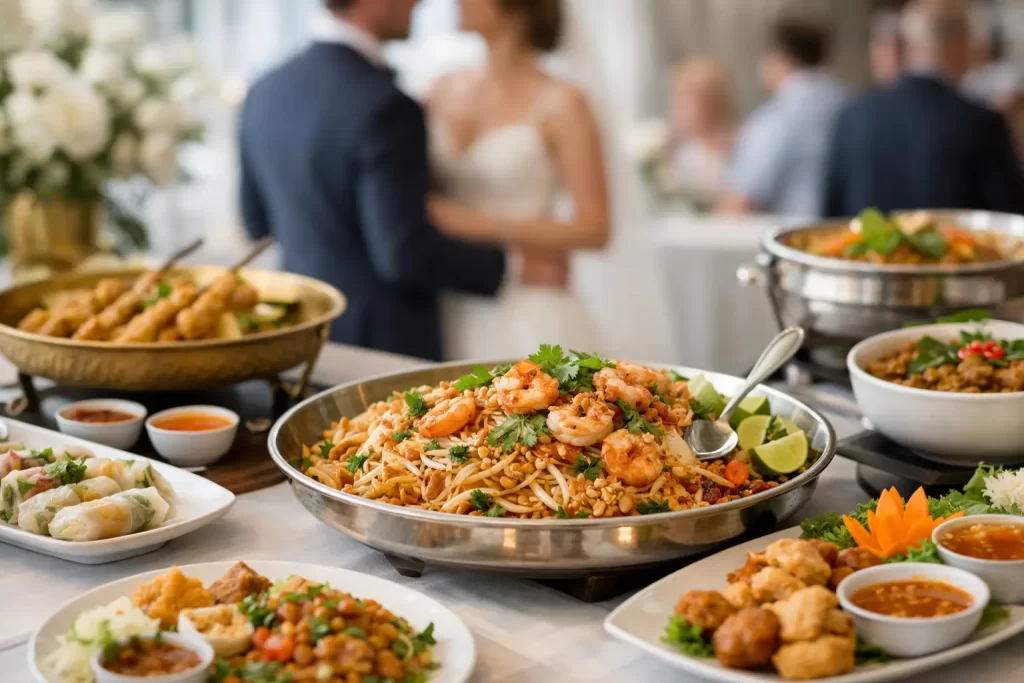
A wedding menu does more than feed the room. It sets the mood between the ceremony, speeches, photos, and first dance. Choosing thai food for wedding reception service brings bright herbs, satisfying comfort dishes, and shareable plates to the celebration. It feels festive without being overly formal, and it gives guests something far more memorable than a standard banquet meal.
The key is not simply ordering everyone’s favorite spicy dish. A great Thai wedding spread balances heat, sweetness, sourness, freshness, and familiar choices, so grandparents, children, adventurous eaters, and guests who prefer mild flavors can all enjoy the table.
Why Thai Food Works So Well at a Wedding Reception
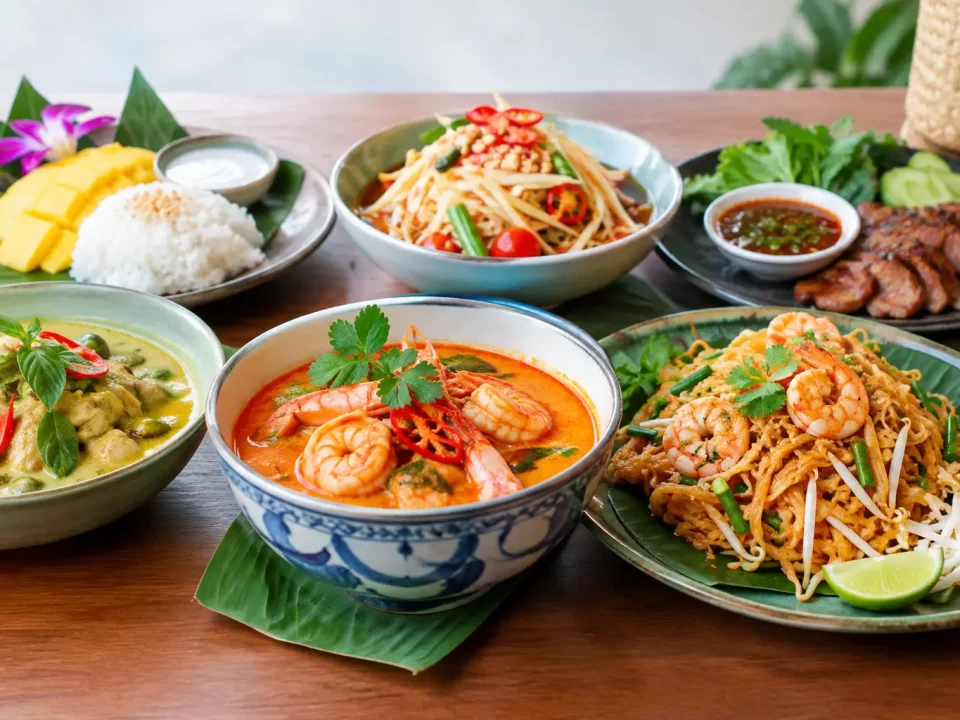
Thai cuisine is made for gathering. Fragrant rice, noodle dishes, curries, stir-fries, salads, and seafood or chicken options naturally encourage guests to share and talk across the table. The colors also make a buffet look lively: fresh greens, golden curries, red chilies, herbs, and vibrant sauces create a spread that belongs at a celebration.
It is also a flexible choice. A casual garden wedding may call for a generous buffet with easy-to-serve favorites, while a more polished ballroom reception can use plated courses or shared banquet-style dishes. The food can feel elevated, but it still has the warmth and energy people want at a happy occasion.
For Malaysian families and mixed guest lists, Thai food has another advantage: it is recognizable. Guests often already know and love dishes such as Tom Yum, Pad Thai, and Thai milk tea. That familiarity makes the menu approachable, while a thoughtfully selected catering spread still feels special.
Build a Thai Food for Wedding Reception Menu With Balance
A memorable menu needs contrast. If every dish is rich, spicy, or saucy, guests may enjoy the first plate but feel overwhelmed by the second. Build the meal around a few signature flavors, then add comforting staples and cooling elements.
Start with an inviting appetizer or two. Crispy starters are always popular because they are easy to enjoy while guests mingle before taking their seats. Fresh rolls, Thai fish cakes, skewers, or crunchy bites with dipping sauce can work beautifully. For cocktail-style weddings, these are especially useful because they keep the food flowing without requiring guests to sit down immediately.
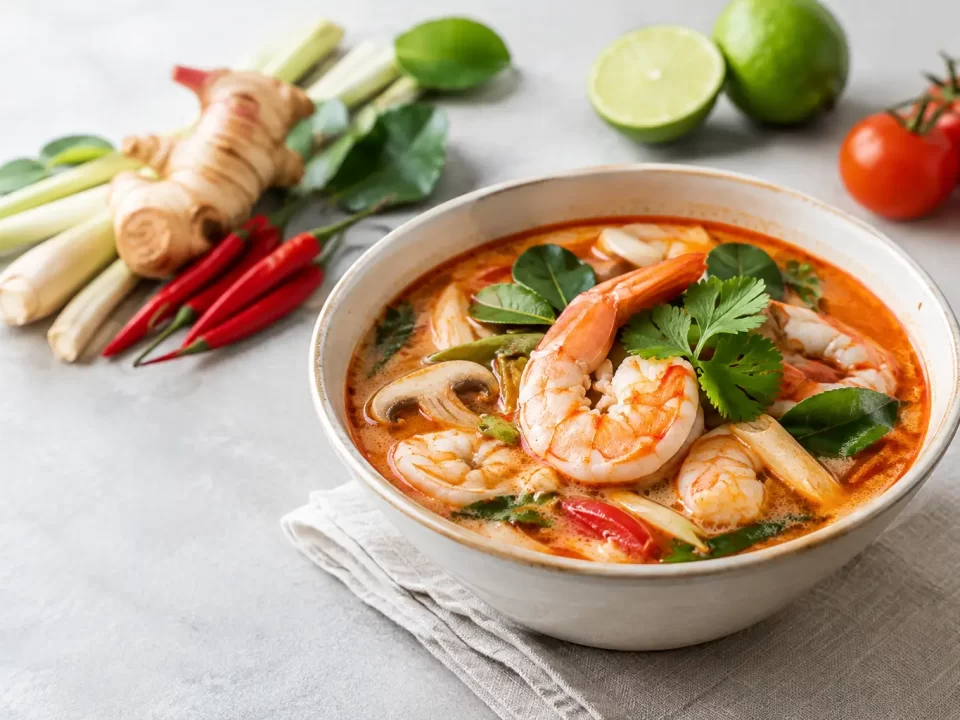
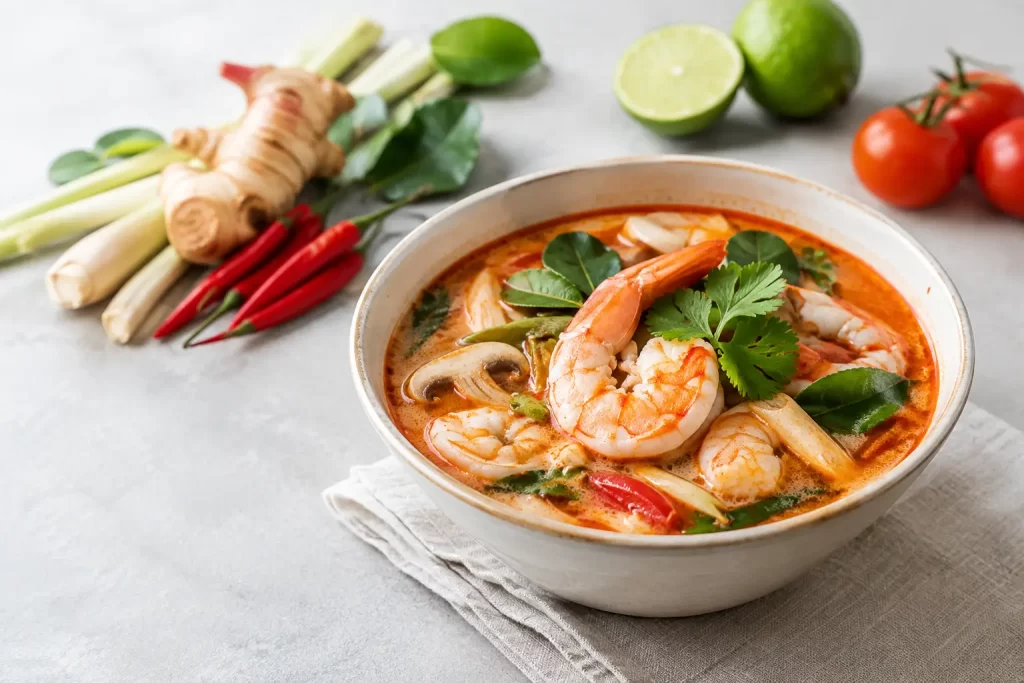
For the main meal, combine one aromatic soup, one noodle dish, one rice dish, two or three savory mains, and a vegetable option. Tom Yum Seafood brings the lively hot-and-sour character that many guests expect from Thai cuisine. Pad Thai offers a familiar noodle favorite with sweet, tangy depth. Pad Kra Pao adds bold basil fragrance and savory satisfaction when served with steamed rice.
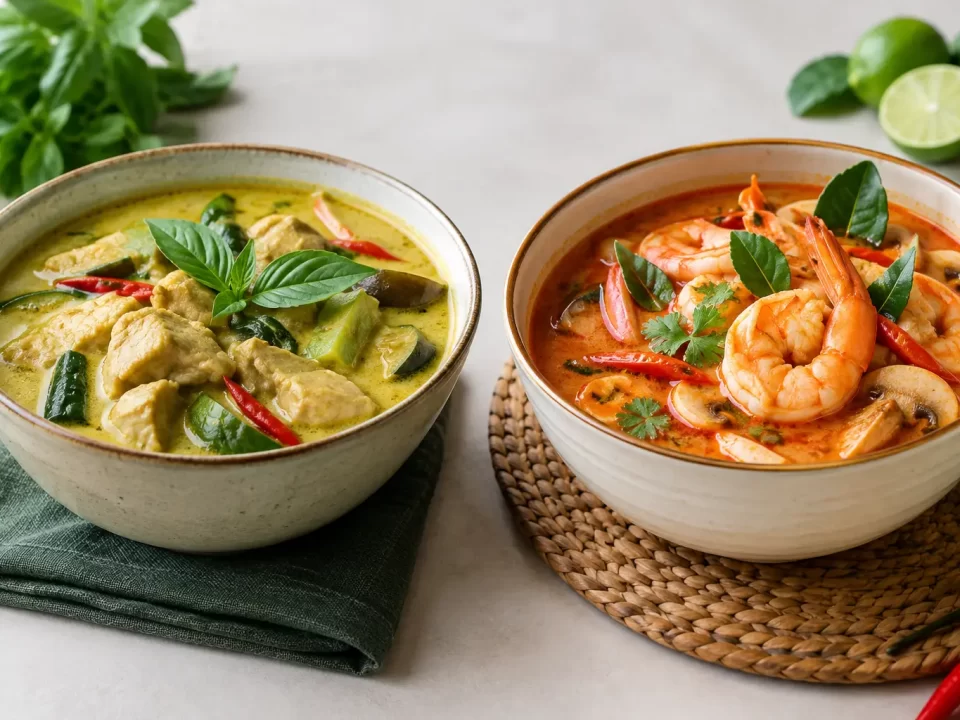
Curries are often a strong addition, but choose carefully. A rich curry can be the centerpiece of the buffet, while a lighter stir-fried dish helps keep the meal balanced. Include vegetables prepared with garlic, basil, or a gentle sauce so the table has a fresh, colorful option alongside the heartier dishes.
Do not treat rice as an afterthought. Fragrant jasmine rice gives guests a comforting base for soups, curries, and stir-fries. If the reception runs for several hours, rice and noodles are what help the menu feel generous and complete.
A smart spice strategy
The biggest planning mistake is assuming every guest enjoys the same level of heat. Thai food should be bold, but bold does not have to mean painfully spicy. Make most buffet dishes mild to medium, then offer sliced chilies, chili sauces, and extra spicy condiments separately for guests who want more fire.
This approach protects the flavor of the food while making it welcoming for a wider crowd. It also gives your caterer clearer direction. Ask which dishes can remain fragrant and flavorful at a gentler spice level, and reserve the stronger heat for one clearly labeled option rather than the entire menu.
Include choices for different guests
A wedding reception menu should make everyone feel considered. Offer a balanced combination of seafood, chicken, beef, and vegetable dishes based on your guest preferences and dietary requirements. Vegetarian guests should have a real main dish to enjoy, not only side vegetables and rice.
Allergen communication matters, too. Let your caterer know in advance about guests with specific needs, and ask for clear buffet labels. This is particularly helpful with dishes containing nuts, shellfish, eggs, or gluten. A little organization before the wedding prevents awkward uncertainty at the buffet table.
Choose the Right Service Style
The best serving format depends on your venue, guest count, and how you want the celebration to feel. A buffet is ideal for larger, social receptions. It allows guests to choose what they want, creates a generous visual centerpiece, and is often easier to manage when families and friends arrive in waves.
Shared banquet-style service feels more intimate. Dishes are placed at each table, and guests pass them around just as they would at a family celebration. This works especially well for smaller weddings where conversation and togetherness are central to the experience. Make sure the portions are generous enough for each table, and plan for refills.
Plated service can look elegant, but it requires more coordination. Not every Thai dish holds the same texture once plated and carried across a large venue. Noodles, crispy items, and herb-forward dishes are at their best when served promptly. If you choose plated dining, work with a caterer that understands timing, temperature, and presentation.
For a modern alternative, consider a hybrid format: passed appetizers during the welcome period, followed by a buffet or shared dinner. It gives the reception a relaxed flow and means no one has to wait too long for the first bite.
Plan Portions and Timing Like a Host
The right quantity depends on whether Thai food is the full meal or one part of a larger wedding program. For a full dinner, guests need substantial mains, rice, noodles, and enough variety to make a satisfying plate. For a lunch reception or late-evening celebration, lighter portions may be appropriate, but do not underestimate how hungry guests can be after a long ceremony and photo session.
Ask the caterer how many dishes are recommended for your final guest count. More dishes are not always better. Eight well-chosen items that stay hot, fresh, and replenished are more impressive than a huge menu with uneven quality.
Timing matters just as much as quantity. Schedule the meal close enough to the ceremony that guests are not left hungry, particularly if there is a long greeting line or photo session. If dinner will begin later, offer appetizers and drinks first. Thai milk tea is a crowd-pleasing addition for a daytime celebration, while a refreshing herbal drink can cool guests down before the main course.
Make the Buffet Feel Like Part of the Celebration
Presentation turns catering into a wedding experience. Use tidy labels, coordinated serving ware, and a layout that gives guests room to move. Place rice and noodles near the center of the line, with soups and curries attended by staff when possible. Keep crispy dishes replenished in smaller batches so they remain appealing throughout service.
A menu card at each table can add a thoughtful touch. It does not need to be overly detailed. Simply naming the signature dishes and noting spice levels helps guests choose confidently. If your wedding has Thai-inspired décor, let the food station echo it with fresh herbs, warm colors, and simple floral touches rather than turning it into a theme overload.
For celebrations across Klang Valley, a caterer with restaurant experience can be especially valuable. They understand how to keep signature dishes consistent at scale, coordinate delivery and setup, and serve food at the temperature it deserves. Soi 55 brings that modern Thai restaurant energy to event dining, with familiar favorites that make it easy to build a crowd-pleasing wedding spread.
Questions to Ask Before You Confirm Catering
Before finalizing the menu, discuss the venue’s kitchen access, serving equipment, setup time, staffing, and cleanup responsibilities. These practical details affect the guest experience more than couples often expect. A beautiful menu loses its impact if the food arrives late or the buffet line is difficult to navigate.
Taste the proposed dishes if possible, especially if you are serving a large number of guests. This is your chance to confirm the spice level, portion style, and overall balance. Tell the caterer whether your guests are mostly Thai-food regulars, a mix of ages, or likely to prefer gentler flavors. The best menu is not the most complicated one. It is the one your guests will happily go back for.
Choose dishes that feel true to your celebration, then let the fragrance of basil, lime, lemongrass, and warm spices do the welcoming. When guests gather around a table full of generous Thai flavors, the meal becomes one more reason they will remember the day with a smile.