Thai Food for Wedding Reception Guests Love
August 15, 2026
A Practical Guide to Thai Group Reservations
August 19, 2026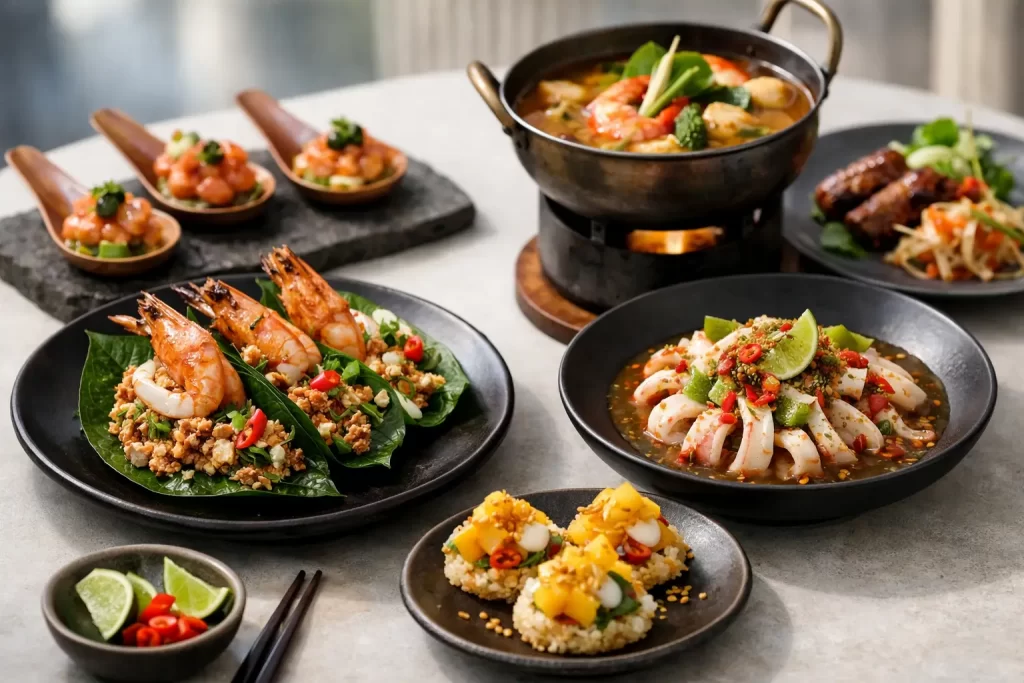
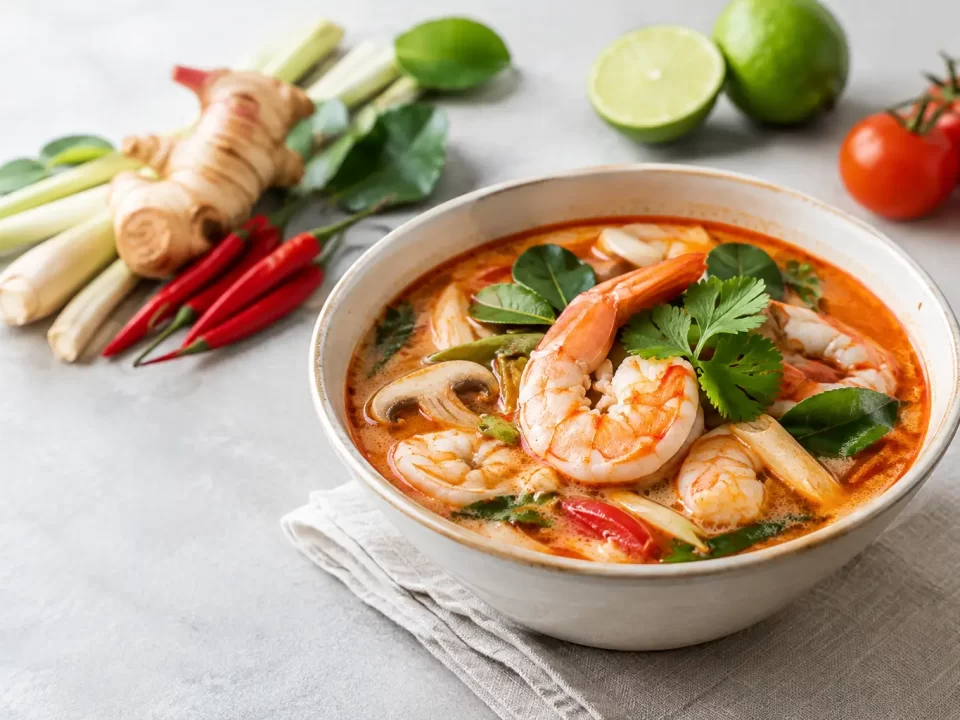
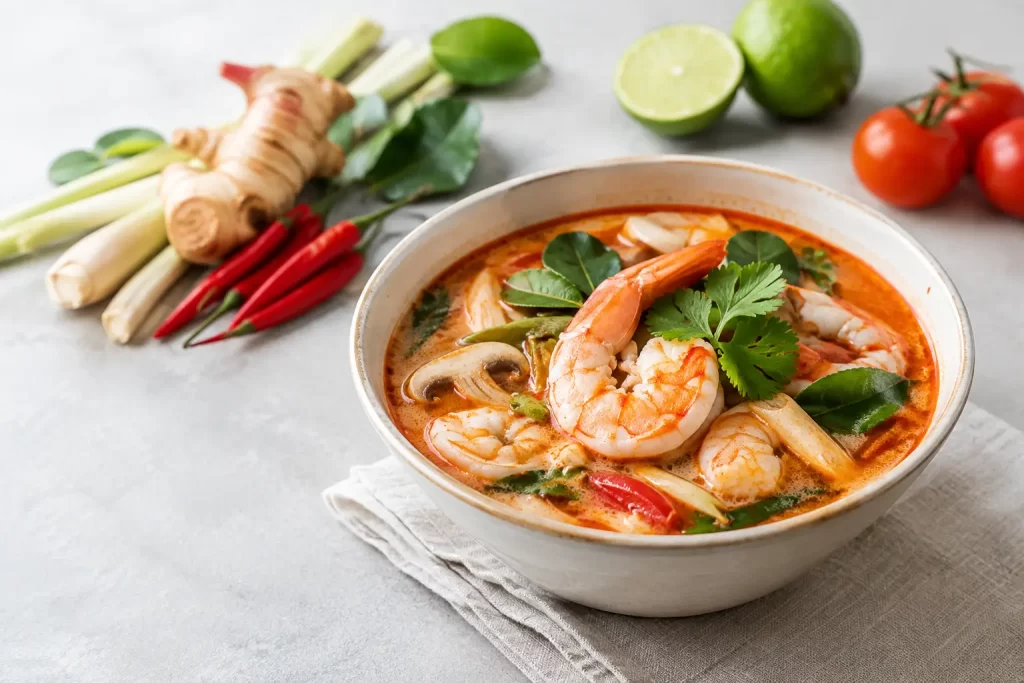
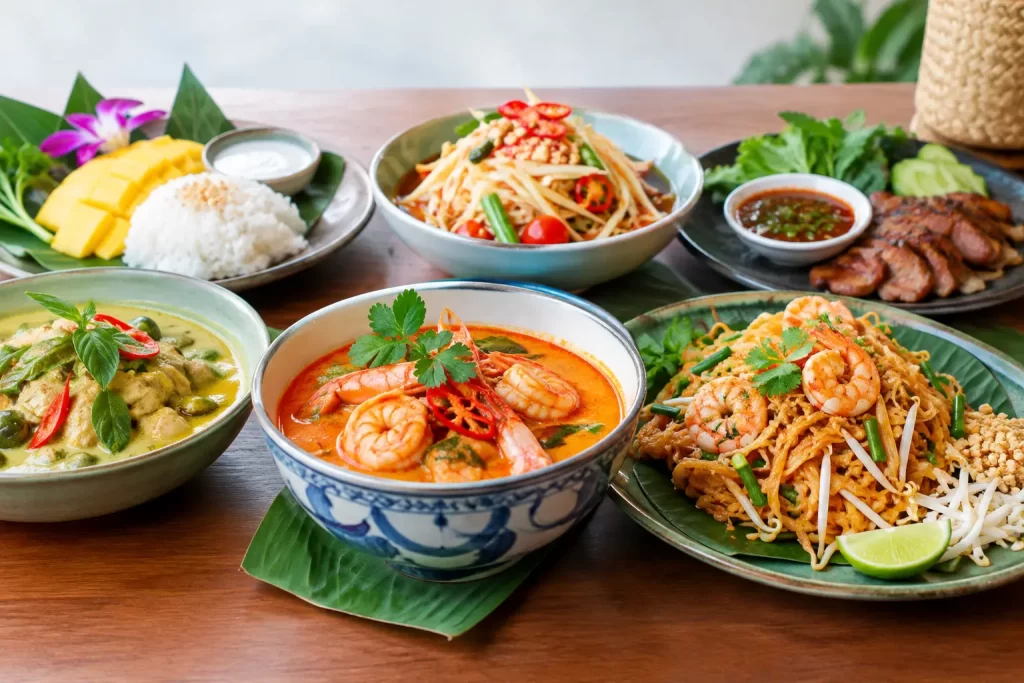
A bowl of Tom Yum arrives steaming, sharp with lime, fragrant with lemongrass, and carrying just enough heat to wake up the whole table. That balance of familiar comfort and bold surprise is at the center of modern Thai food trends. The dishes diners know and crave are still here, but they are being served with more attention to ingredient quality, regional character, shareable experiences, and the way people actually like to eat together.
For diners, modern Thai food is not about changing everything for the sake of novelty. It is about protecting the lively heart of Thai cooking while giving classic flavors room to feel fresh, generous, and right for a weekday lunch, a family dinner, or a big group celebration.
Modern Thai Food Trends Start With Bold Balance
Thai cuisine has always understood something many food trends are only beginning to catch up with: a great dish does not rely on one dominant flavor. It plays with heat, sourness, sweetness, saltiness, and savory depth until every bite feels complete.
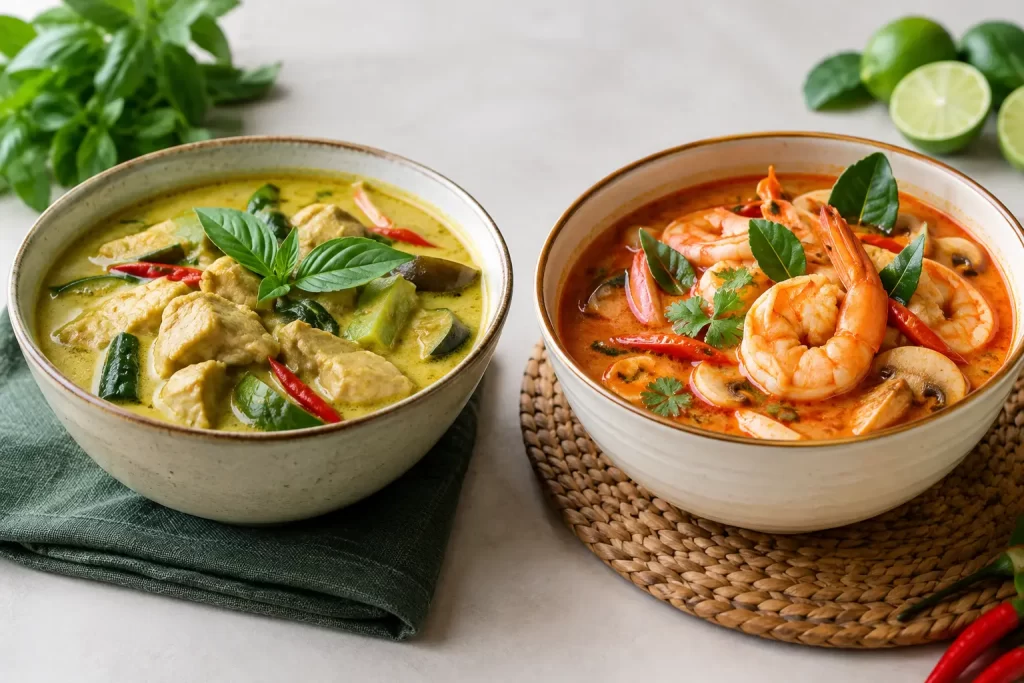
That is why the strongest modern menus are moving away from one-note “spicy food” labels. Chili matters, of course, but it is only part of the story. A satisfying Tom Yum Seafood should have the brightness of lime, the herbal lift of galangal and lemongrass, and the richness of a well-built broth. A good Pad Thai should offer tangy tamarind, roasted nuttiness, chew, freshness, and just enough sweetness to bring it together.
This is also changing what diners expect from spice. More people want heat that has purpose, not heat that overwhelms the dish. The right level depends on the guest, the occasion, and what else is being ordered. A table sharing spicy basil stir-fry, creamy curry, and a refreshing drink may enjoy more heat than someone grabbing a quick solo meal. The best modern Thai dining makes space for both preferences without watering down the food’s character.
Classics Are Becoming the Main Event Again
For a while, restaurant menus across many cuisines chased constant reinvention. Modern Thai food is taking a more delicious direction: making the classics exceptionally well. Diners recognize Pad Kra Pao, Pad Thai, green curry, and Thai milk tea. What keeps them coming back is a version that tastes layered, consistent, and full of care.
This return to signature dishes is not a step backward. It reflects a more confident kind of modernity. Instead of treating traditional favorites as basic menu requirements, chefs are paying closer attention to wok technique, fresh aromatics, sauces made with balance, and textures that hold up from the kitchen to the table.
Take Pad Kra Pao. It can look simple on paper, yet its appeal depends on timing and intensity. The basil needs to stay aromatic, the stir-fry needs a smoky edge from high heat, and the savory sauce must cling without making the dish heavy. When those details come together, the result is quick, comforting, and impossible to mistake for an afterthought.
Familiar Dishes Make Group Dining Easier
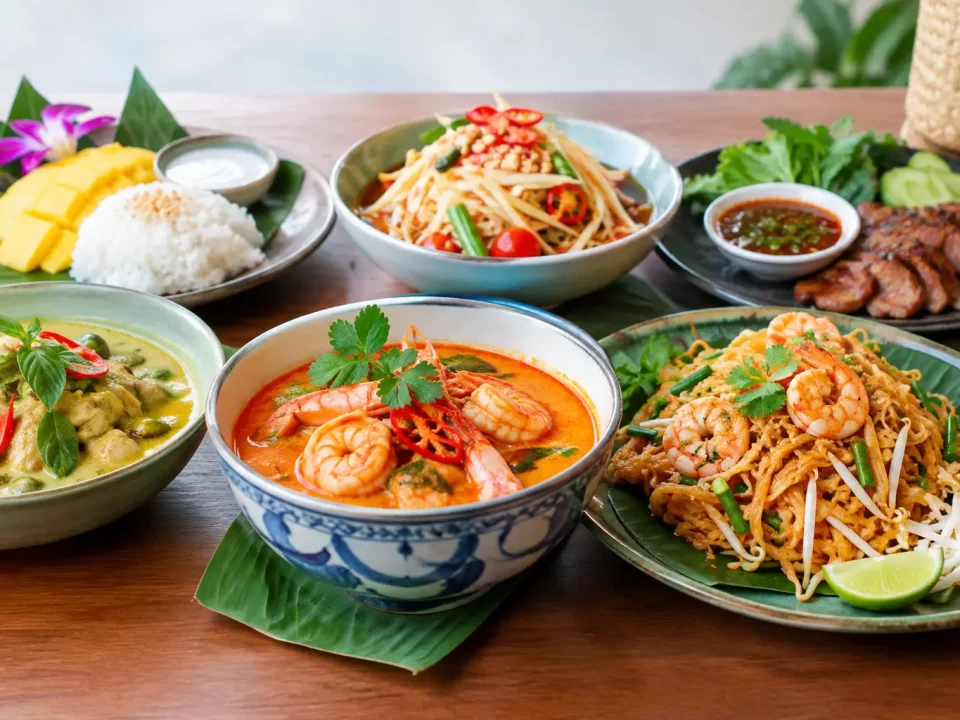
There is another reason classics matter: they make sharing simple. At a table of friends, colleagues, or family members, recognizable dishes give everyone a starting point. One person orders noodles, another wants seafood, someone else reaches for a spicy stir-fry, and the table builds a meal that feels generous rather than complicated.
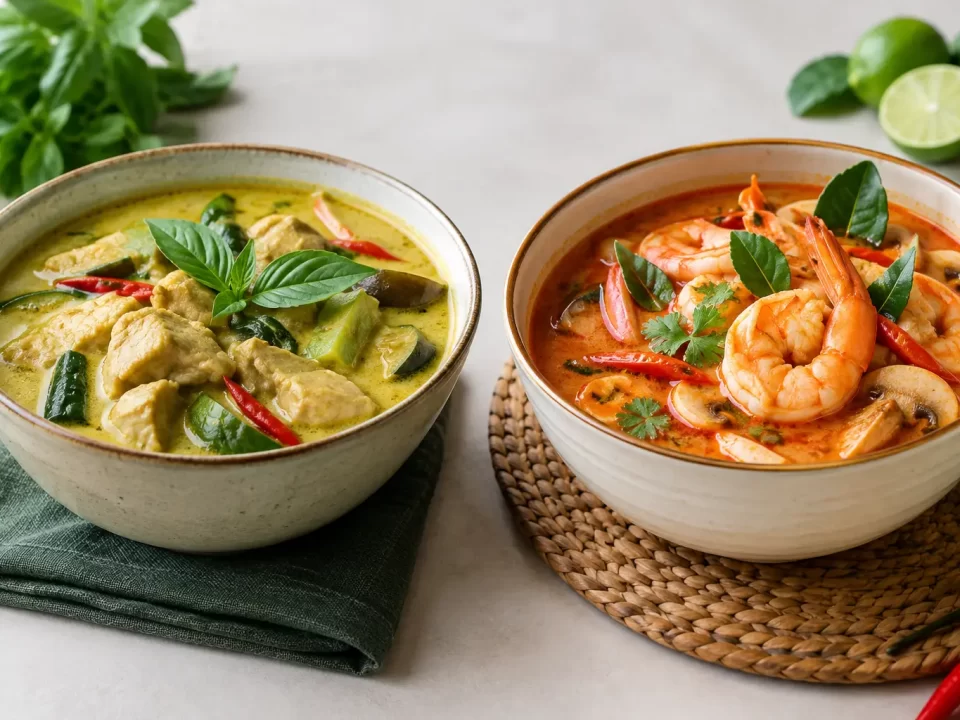
That flexibility is especially valuable for gatherings. People may have different heat tolerances and appetites, but Thai food naturally invites a mixed spread of dishes. A soup can be bright and warming, a stir-fry can bring the fire, and a cool Thai milk tea can soften the edges between bites.
Fresh Herbs and Aromatics Are Getting More Attention
Modern diners are increasingly interested in food that feels vivid, not merely filling. Thai cuisine is perfectly positioned for this because its flavor often begins with herbs and aromatics rather than heavy sauces alone.
Basil, cilantro, kaffir lime leaves, lemongrass, galangal, garlic, and chilies do more than add fragrance. They create contrast. They make a rich curry feel lighter, a seafood soup feel cleaner, and a stir-fry feel more alive. This is one reason Thai food can be deeply satisfying without feeling dull by the end of the meal.
The trade-off is that fresh ingredients demand care. Herbs cannot be treated as decoration, and aromatics cannot be rushed if a kitchen wants real depth. For diners, that extra attention shows up in the first spoonful: a brighter aroma, a cleaner finish, and flavors that stay memorable after the meal.
Street-Food Energy Is Moving Into Comfortable Restaurants
Thai street food remains one of the world’s great eating experiences because it is fast, expressive, and built around immediate pleasure. Modern Thai restaurants are bringing that energy into settings that work better for longer meals, families, business lunches, reservations, and celebrations.
The goal is not to make street-inspired food feel stiff or overly formal. It is to preserve the excitement of a sizzling wok, a punchy broth, or a cold sweet drink while giving guests room to settle in and share. This approach suits the way many people dine now. They want food with personality, but they also want comfort, reliable service, and a place where a two-person meal can easily become a table for ten.
At Soi 55, that idea is reflected in modern Thai recipes that keep the focus on bold, recognizable tastes. Bangkok-rooted culinary experience matters because it provides more than a story. It informs the balance of flavors that turns a familiar dish into one people want to order again.
Drinks Are Part of the Flavor Experience
One of the most enjoyable shifts in modern Thai dining is the growing importance of drinks as part of the meal, rather than an afterthought. Thai milk tea remains a favorite for good reason: its creamy sweetness and tea-forward flavor offer a welcome contrast to savory dishes and chili heat.
It works particularly well with foods that have a strong aromatic profile. After a spoonful of sour-spicy soup or a bite of basil stir-fry, a cold Thai milk tea can reset the palate. That does not mean every meal needs a sweet drink. Some diners prefer water or lighter options, especially alongside rich dishes. But a thoughtfully chosen beverage can make the overall meal feel more complete.
For groups, drinks also add to the sense of occasion. They give the table color, create an easy first order while everyone decides on food, and offer a small shared ritual before the plates arrive.
Shareable Menus Matter More Than Perfectly Individual Plates
The most enduring food trends are often about behavior, not decoration. People are looking for meals that create a reason to gather. Thai food has a natural advantage here because it rewards ordering across the menu and tasting a little of everything.
A shareable table creates contrast: soup alongside noodles, rich curry beside crisp vegetables, spicy dishes balanced by milder ones. It also lets guests explore without committing to just one flavor direction. This is ideal for office teams, birthdays, casual reunions, and family meals where everyone comes hungry but no one wants exactly the same thing.
For catering, the same principle becomes even more useful. A good spread should feel abundant, travel well, and offer enough variety that guests can build a satisfying plate. The menu should be planned around the occasion. A daytime corporate gathering may call for approachable favorites and manageable spice levels, while a festive evening event can lean into bolder dishes and more dramatic flavors.
The Trend That Will Last: Food With a Point of View
Not every modern Thai food trend will stay. Some visual ideas are fun for a moment but do little for flavor. What lasts is food that knows what it is. Diners can tell when a restaurant respects classic Thai foundations while cooking with confidence for the present.
That means bright herbs instead of blandness, thoughtful heat instead of empty challenge, and signature dishes made well enough to become a tradition for the table. The next time you are choosing where to meet, order a mix of familiar favorites and one dish you have not tried before. That is often where the best Thai meal begins.