Modern Thai Cuisine Malaysia Diners Crave
May 27, 2026
Best Thai Restaurants in Subang Jaya
May 31, 2026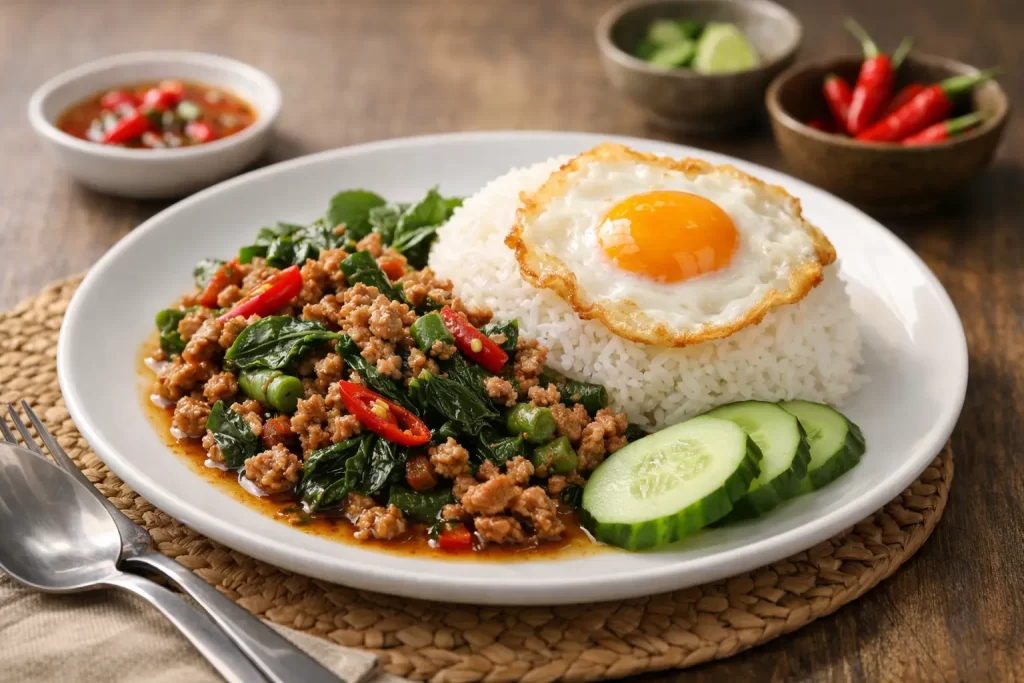
One bite of pad kra pao and you understand why people crave it on repeat. If you have ever looked at a Thai menu and wondered what is pad kra pao, the short answer is this: it is one of Thailand’s most loved street-style stir-fries, built around minced protein, garlic, chilies, and holy basil, then served hot with rice and often a fried egg on top.
It is fast, fiery, fragrant, and deeply satisfying. More than that, it is a dish that captures what so many people love about Thai food in the first place – bold heat, savory depth, fresh herbs, and the kind of balance that keeps every bite interesting.
What is pad kra pao exactly?
Pad kra pao is a Thai stir-fry traditionally made with minced meat, garlic, fresh chilies, seasoning sauces, and holy basil. In Thai, pad means stir-fried, and kra pao refers to holy basil, the herb that gives the dish its unmistakable aroma and peppery edge.
That last part matters. Pad kra pao is not just any basil stir-fry. The basil is the point. Holy basil has a sharper, more complex flavor than the sweet basil many people know from other Asian dishes. It brings a slightly spicy, clove-like note that cuts through the richness of the sauce and ties the whole plate together.
The dish is usually served over steamed jasmine rice. Very often, it comes with a crispy-edged fried egg whose runny yolk softens the heat and adds another layer of richness. It sounds simple, and it is. But simple does not mean basic.
Why pad kra pao tastes so different from other Thai dishes
A lot of popular Thai dishes lean sweet, tangy, or creamy. Pad kra pao goes in a different direction. It is more direct and more savory, with heat that arrives quickly and lingers.
The flavor profile usually centers on salty, spicy, herbal, and umami notes. There may be a touch of sweetness to round things out, but this is not a sugar-forward dish. If Pad Thai is glossy and balanced for broad appeal, pad kra pao is punchier and more assertive.
That is part of its appeal. It feels less like a special-occasion plate and more like everyday comfort food for people who love real flavor. It is the kind of meal that comes out sizzling, smells incredible from a few feet away, and disappears fast.
The key ingredients behind pad kra pao
The core ingredients are fairly straightforward, but each one plays a specific role. Garlic builds the base, chilies bring heat, and the stir-fry sauces create that dark, savory coating that clings to the minced protein. Then the holy basil goes in at the end, just long enough to wilt and release its aroma without losing its character.
Protein can vary. Chicken is a common choice, and so is beef. Seafood versions also exist, and some kitchens adapt the dish to suit local tastes or dietary preferences. That flexibility is one reason pad kra pao has traveled so well beyond Thailand.
Still, not every version tastes the same. The amount of chili changes the personality of the dish quite a bit. Some versions hit hard from the first bite, while others pull the spice level back so the basil and savory sauce stand out more clearly. Neither approach is wrong. It depends on how closely a restaurant wants to follow the street-style spirit of the dish and what its diners enjoy.
What does pad kra pao taste like?
If you have never tried it, imagine a stir-fry that is smoky from a hot wok, savory from the sauce, bright from fresh chilies, and aromatic from basil. The taste is bold and layered, but not fussy.
The first thing most people notice is the heat. Right behind it comes the savory depth, followed by the herbal lift of the basil. When it is served with rice, the whole plate feels balanced rather than overwhelming. Add a fried egg, and the texture gets even better – crispy edges, soft yolk, fluffy rice, and juicy stir-fried meat all in one spoonful.
That combination is a big reason the dish has such a loyal following. Pad kra pao does not ask you to decode it. It is intense, comforting, and immediately rewarding.
Is pad kra pao always spicy?
Usually, yes. At its heart, pad kra pao is meant to have some heat. Fresh chilies are part of the dish’s identity, not just an optional garnish.
That said, spice level is one of the easiest things to adjust. Some diners want the full kick, while others want the flavors without the full burn. A good kitchen can often tailor the heat without losing the dish’s character. There is a trade-off, though. When the chilies are reduced too much, pad kra pao can become more like a generic basil stir-fry and lose the lively edge that makes it memorable.
For anyone trying it for the first time, medium spice is often a smart place to start. You still get the personality of the dish, but with a little more room to enjoy the savory and herbal notes.
What makes holy basil so important?
This is where pad kra pao separates itself from look-alikes. Holy basil is not just there for color or garnish. It changes the aroma, the finish, and the overall feel of the dish.
Sweet basil tastes softer and more familiar. Holy basil tastes wilder, pepperier, and a bit more earthy. In a hot wok with garlic and chilies, it creates the unmistakable fragrance people associate with authentic pad kra pao.
Because holy basil is not always easy to source everywhere, some restaurants use substitutes. That can still result in a tasty stir-fry, but it may not deliver the same classic profile. If authenticity matters to you, this is one of the details worth paying attention to.
Pad kra pao vs. Pad Thai
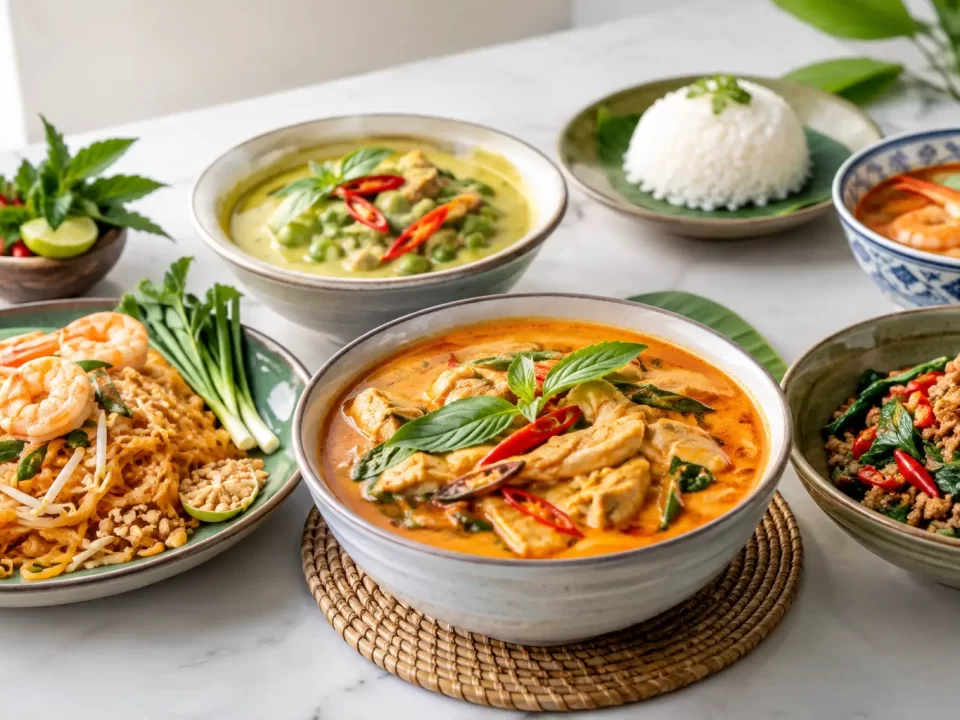
People often compare these two because they are both Thai favorites, but they satisfy different cravings. Pad Thai is noodle-based, slightly sweet, tangy, and often more approachable for first-time Thai food diners. Pad kra pao is rice-based, more savory, more herbal, and usually spicier.
If you want something saucy and familiar, Pad Thai often wins. If you want something bolder and more intense, pad kra pao tends to be the better choice. Neither is more authentic than the other. They simply represent different corners of Thai cooking.
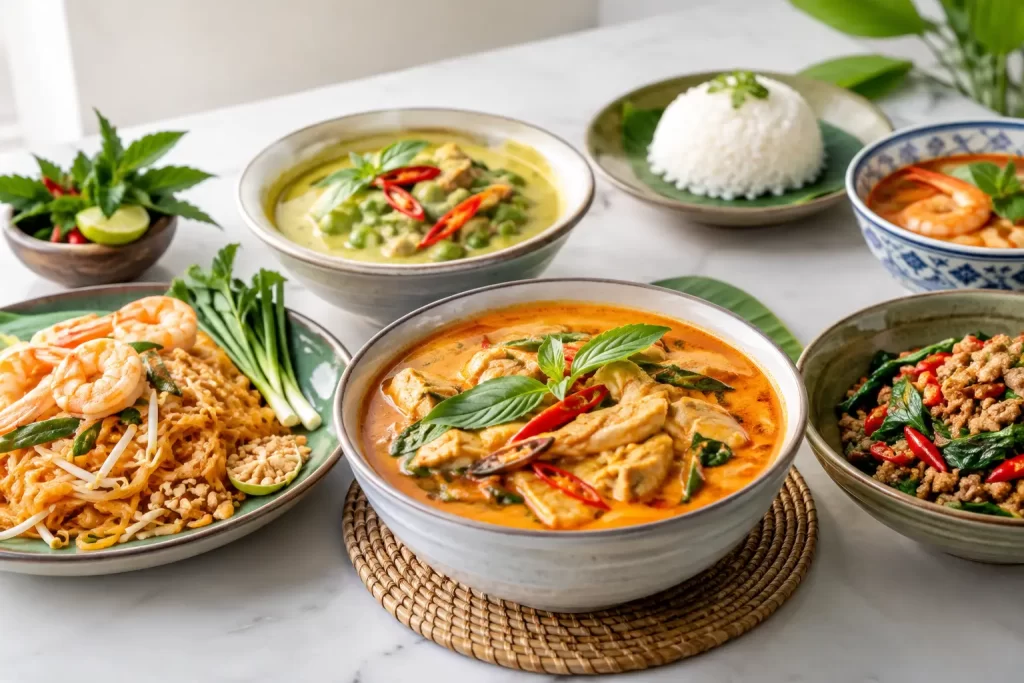
For groups, this is why both dishes often belong on the same table. One offers comfort through sweetness and texture, the other through heat and savory depth.
Why pad kra pao is a street food icon
Pad kra pao has the kind of practicality that helps a dish become a classic. It cooks quickly, uses accessible ingredients, and delivers huge flavor in minutes. That makes it ideal for busy lunch hours, late dinners, and everyday meals when people want something fast without sacrificing taste.
It also reflects a core strength of Thai cuisine: making a short list of ingredients feel complete. There is no need for heavy sauces or complicated presentation. The magic is in the wok heat, the timing, and the balance.
That is why the best pad kra pao often feels lively rather than polished. It should taste freshly cooked, not overly refined. A little edge is part of the charm.
What to expect when ordering pad kra pao at a restaurant
Expect a dish that arrives hot, fragrant, and ready to wake up your appetite. The minced protein should be juicy, not watery. The sauce should coat the ingredients instead of pooling at the bottom of the plate. And the basil should still smell fresh and vivid.
Rice is not a side detail here. It is essential. Pad kra pao is designed to be eaten with rice because the rice softens the spice, catches the sauce, and turns the stir-fry into a complete meal. If there is a fried egg on top, even better.
At a modern Thai restaurant, you may also see the dish presented with slight house-style adjustments. That can mean a cleaner finish, a more balanced heat level, or a protein choice tailored to local diners. When done well, those updates make the dish more accessible without stripping away its identity. At Soi 55, that spirit of modern Thai cooking is exactly what makes familiar favorites feel exciting and craveable.
So, what is pad kra pao really?
It is one of those dishes that tells you a lot about Thai food in a single plate. It is fast but not careless, spicy but not one-dimensional, simple but full of character. The basil matters. The wok heat matters. The rice matters. Every part has a job.
If you usually lean toward noodle dishes or milder flavors, pad kra pao might surprise you. It is not shy, and that is the whole point. For diners who love bold and delicious tastes, it is the kind of meal that keeps earning a spot at the table long after the first try.
The next time you see it on a menu, do not treat it like just another stir-fry. Order it when you want something lively, comforting, and unmistakably Thai.