What Is Pad Kra Pao? A Thai Favorite
May 29, 2026
Authentic Thai Restaurant Klang Valley Picks
June 2, 2026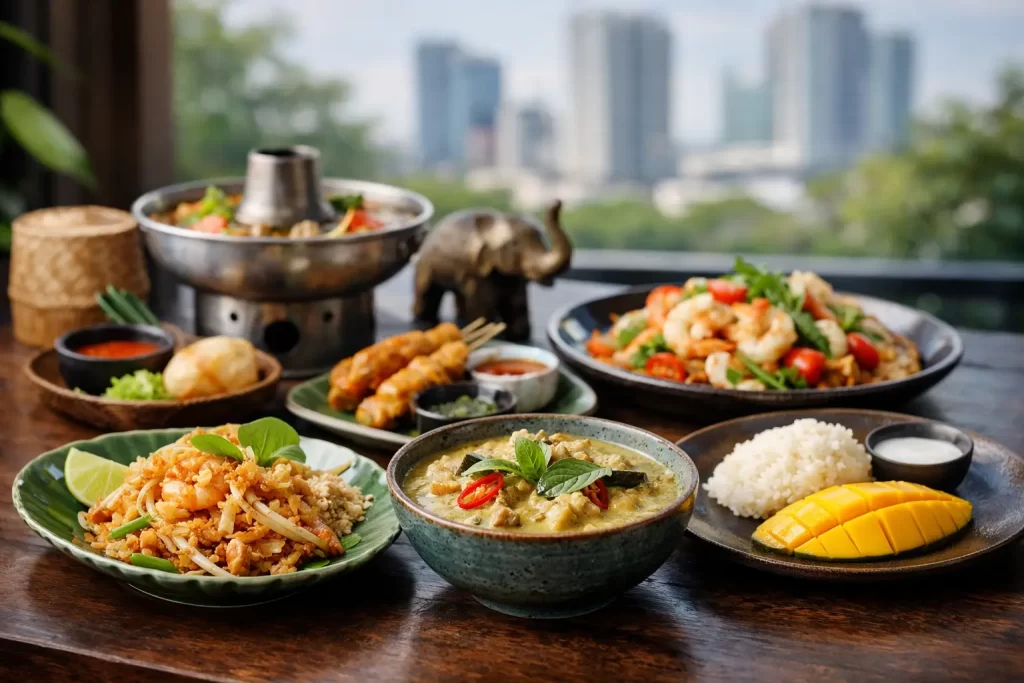
Subang Jaya is the kind of place where dinner plans can change in five minutes. One text turns into a full table, a quick lunch becomes a long catch-up, and suddenly everyone wants something flavorful, satisfying, and easy to share. That is exactly why the search for the best thai restaurants subang jaya diners keep returning to matters – Thai food fits the mood, whether you are meeting friends after work, taking the family out, or planning a casual date night.
What makes Thai food stand out here is not just heat. It is the balance. A good Thai meal lands that sweet-sour-salty-spicy combination in a way that wakes up the whole table. You get soups with real depth, stir-fries with a fast hit of aroma, noodles that comfort without feeling flat, and drinks that cool everything down at the right moment.
What makes the best Thai restaurants in Subang Jaya worth your time
Not every Thai restaurant gives the same experience, even when the menu looks familiar. The better spots usually get the fundamentals right from the start. The Tom Yum is fragrant instead of one-note spicy. The Pad Thai has texture and contrast instead of turning soft and overly sweet. The basil stir-fries arrive hot, savory, and punchy, with enough wok aroma to make you notice before the plate even hits the table.
Consistency matters too. If you are choosing a place for a group dinner, office meal, or family weekend outing, you do not want guesswork. You want food that tastes as good on a busy Friday night as it does on a quieter weekday lunch. That reliability is often what separates a one-time try from a restaurant people keep in their regular rotation.
Ambiance plays a part as well. In Subang Jaya, diners usually want more than just a fast meal. They want somewhere comfortable enough for conversation, lively enough to feel fun, and practical enough for larger groups. The best Thai restaurants tend to understand that balance. They feel welcoming, not stiff, and energetic, not chaotic.
Best Thai restaurants Subang Jaya diners usually look for
When people say they want the best Thai restaurants Subang Jaya has to offer, they are usually looking for one of three things. Some want bold, recognizable Thai classics done properly. Some want a modern setting that still feels rooted in real Thai flavors. Others simply want a dependable place where everyone at the table can find something they genuinely want to eat.
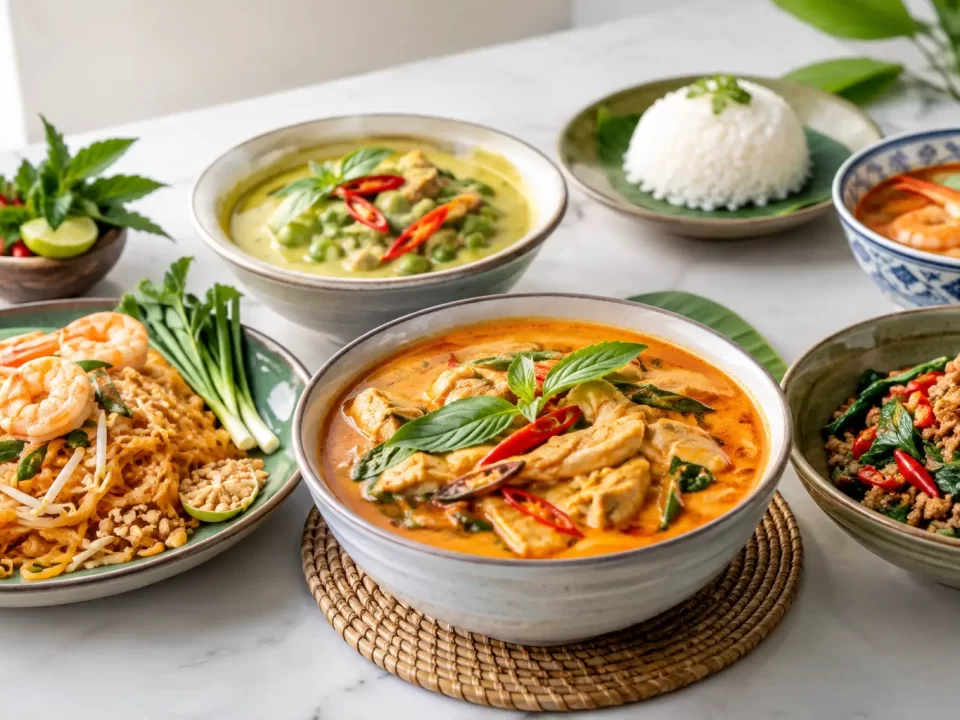
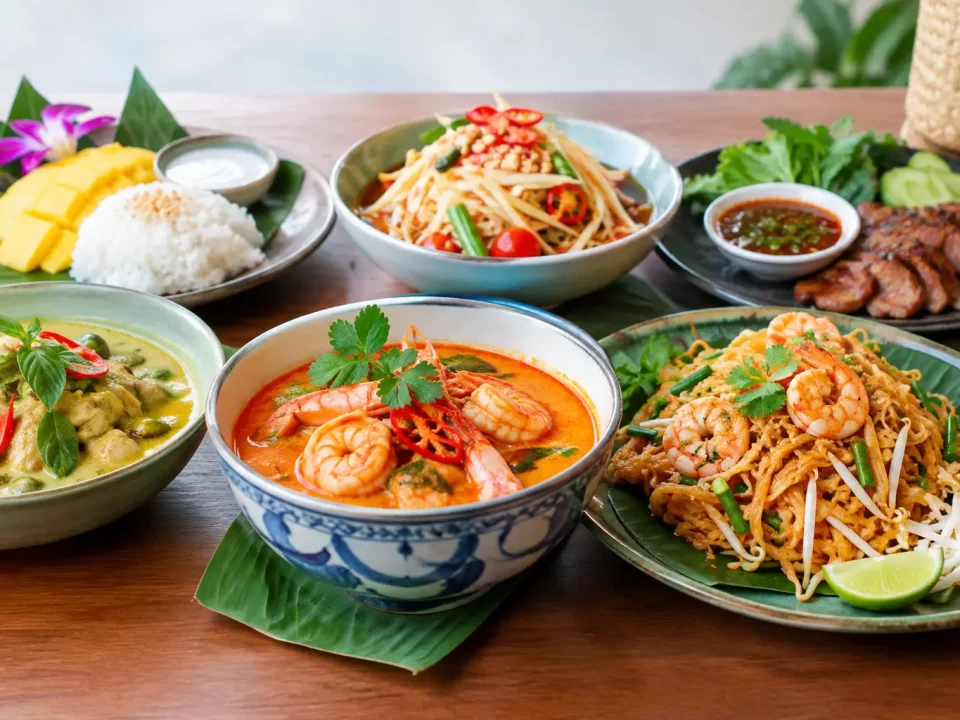
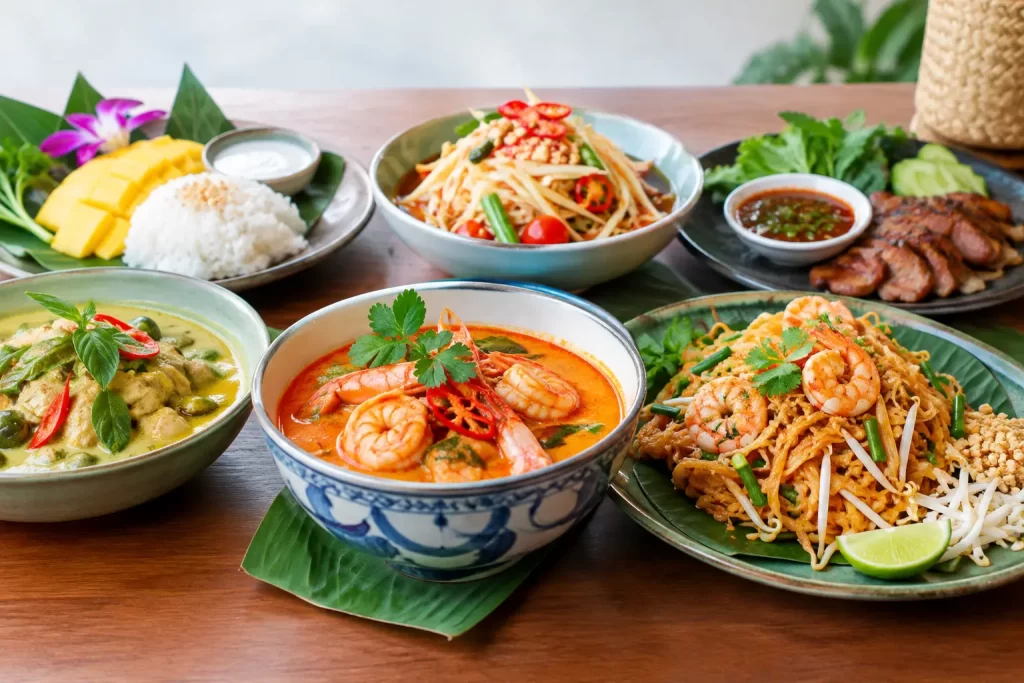
That matters because Thai dining is rarely about one plate. It is about the spread. A strong restaurant should make it easy to mix a soup, a curry, a stir-fry, noodles, rice, and drinks without the meal feeling repetitive. You want contrast across the table – rich next to bright, spicy next to cooling, crispy next to saucy.
For families, that often means choosing somewhere with broad appeal. One person wants seafood Tom Yum, another wants Pad Kra Pao, someone else wants fried rice, and somebody is already ordering Thai milk tea before anyone sits down. For office teams and bigger social groups, speed and portioning start to matter more. The food needs to come out in a way that keeps the table moving instead of leaving half the group waiting.
What to order if you want the full Thai experience
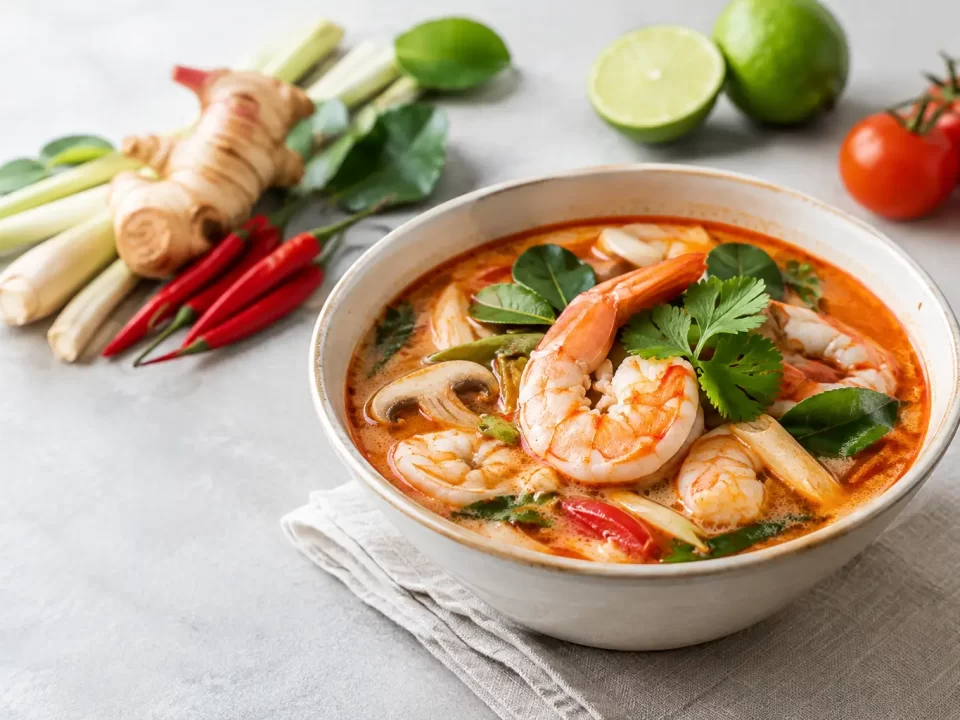
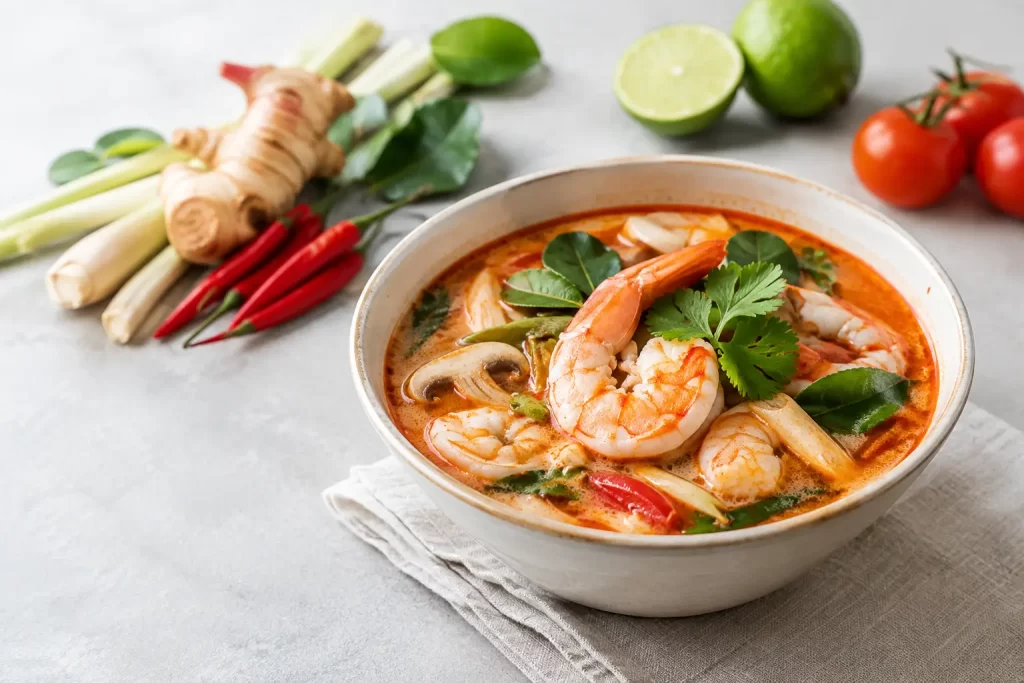
If you are trying a new Thai restaurant in Subang Jaya, the smartest move is to order across categories instead of staying in one lane. Start with Tom Yum Seafood if it is a house specialty. A good version tells you a lot about the kitchen. It should be aromatic, layered, and bright, with enough spice to feel exciting but not so much that it drowns everything else.
Then add a noodle dish, usually Pad Thai. This is one of those plates that sounds simple until it is done badly. The best versions are balanced rather than sugary, with a mix of savory depth, light tang, and just enough sweetness to round it out. Texture matters here. It should never feel heavy or clumped together.
A basil stir-fry like Pad Kra Pao is another strong benchmark. Done right, it has a sharp, appetizing fragrance and a savory heat that makes plain rice taste better with every bite. It is a practical order too, especially if your table wants something direct and satisfying next to soup or noodles.
Then there is the drink that almost always earns its place – Thai milk tea. In a warm-weather setting like Subang Jaya, that chilled, creamy sweetness is not just a nice extra. It is part of the experience. It softens the spice, rounds out the meal, and gives the table something familiar and crowd-pleasing.
How to choose the right Thai restaurant for the occasion
A date night and a team dinner do not need the same kind of restaurant, even if both involve Thai food. If you are heading out as a couple or with a small group of friends, atmosphere may take priority. You want somewhere that feels polished and comfortable, with food that arrives looking as good as it tastes.
For families, convenience becomes more important. Easy ordering, generous portions, and dishes that suit different spice tolerances can make a bigger difference than trendy presentation. Thai food is naturally shareable, which helps, but the restaurant still needs to execute the basics well enough for all ages to enjoy the meal.
If you are planning something larger, like a birthday dinner or office gathering, space and service start to matter more than people expect. A restaurant can have great food, but if group dining feels cramped or disorganized, the experience falls off fast. In those cases, it helps to choose a place that is already comfortable handling reservations and larger tables.
That is one reason modern Thai dining brands with experience across multiple outlets often stand out. They tend to understand how to deliver familiar favorites consistently while keeping the setting suitable for both everyday meals and special gatherings. Soi 55, for example, has built its name around bold, street-inspired Thai flavors in a casual restaurant setting that works for lunch, dinner, and group occasions.
The difference between flashy Thai food and genuinely satisfying Thai food
Subang Jaya has plenty of places where the menu looks appealing at first glance. The real question is whether the food keeps your attention after the first few bites. Genuinely satisfying Thai food does not rely on spice alone. It has depth, contrast, and enough confidence to let each dish speak clearly.
That can show up in small ways. A curry should feel rich without becoming tiring halfway through the meal. A stir-fry should taste fresh from the wok rather than oily and flat. Fried items should stay crisp long enough to enjoy at the table, not collapse the moment they arrive. These details sound minor, but together they shape whether a meal feels memorable or just convenient.
There is also a trade-off between adventurous menus and dependable classics. Some diners want lesser-seen regional dishes, while others simply want a strong Tom Yum, a proper Pad Thai, and a drink they know they will love. Neither approach is wrong. It depends on the occasion and the people you are dining with. In Subang Jaya, where many meals are social and spontaneous, familiar dishes done well often win.
Why Thai food works so well in Subang Jaya
Part of the appeal is practical. Thai food suits lunch breaks, casual dinners, and weekend gatherings without needing much explanation. Most people already know the staples, which makes group ordering easy. But the bigger reason is emotional. Thai food brings energy to the table. It feels lively, generous, and made for sharing.
That makes it a natural fit for Subang Jaya’s pace. This is an area where people want good food without a lot of friction. They want recognizable dishes, real flavor, and a setting where everyone can relax. A strong Thai restaurant delivers all of that while still feeling special enough to turn an ordinary meal into something more enjoyable.
If you are narrowing down your next dinner spot, focus less on hype and more on what actually makes the meal work – balanced flavors, consistent cooking, a welcoming setting, and a menu people genuinely want to share. In a neighborhood full of choices, the best Thai restaurant is usually the one that gets the whole table excited before the first dish even lands.