Best Thai Restaurants in Subang Jaya
May 31, 2026
Thai Restaurant Shah Alam for Bold Thai Meals
June 4, 2026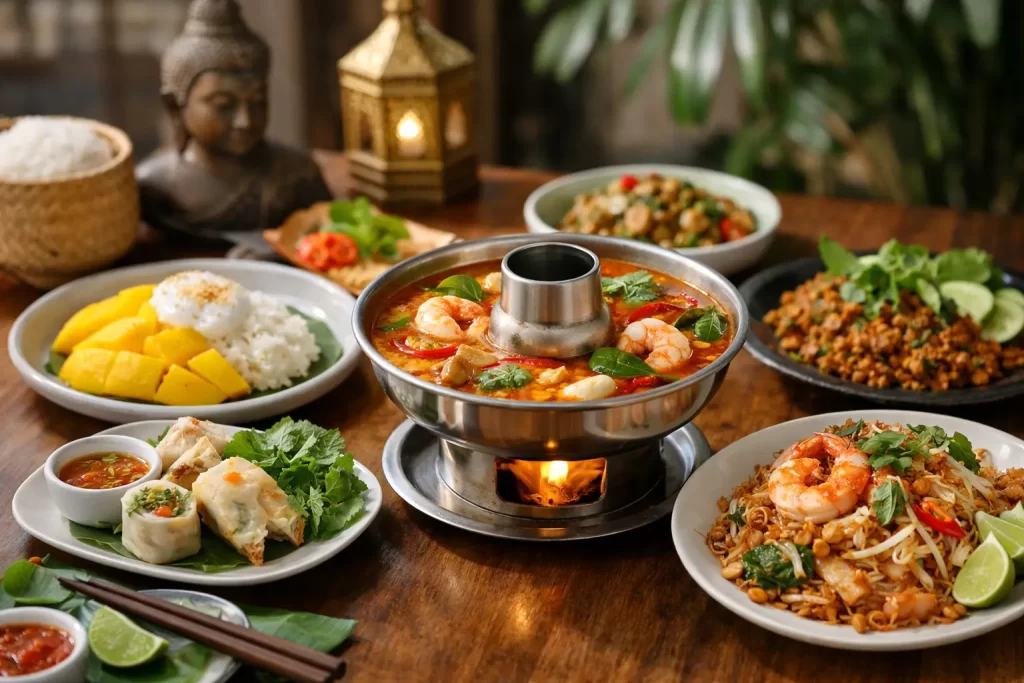
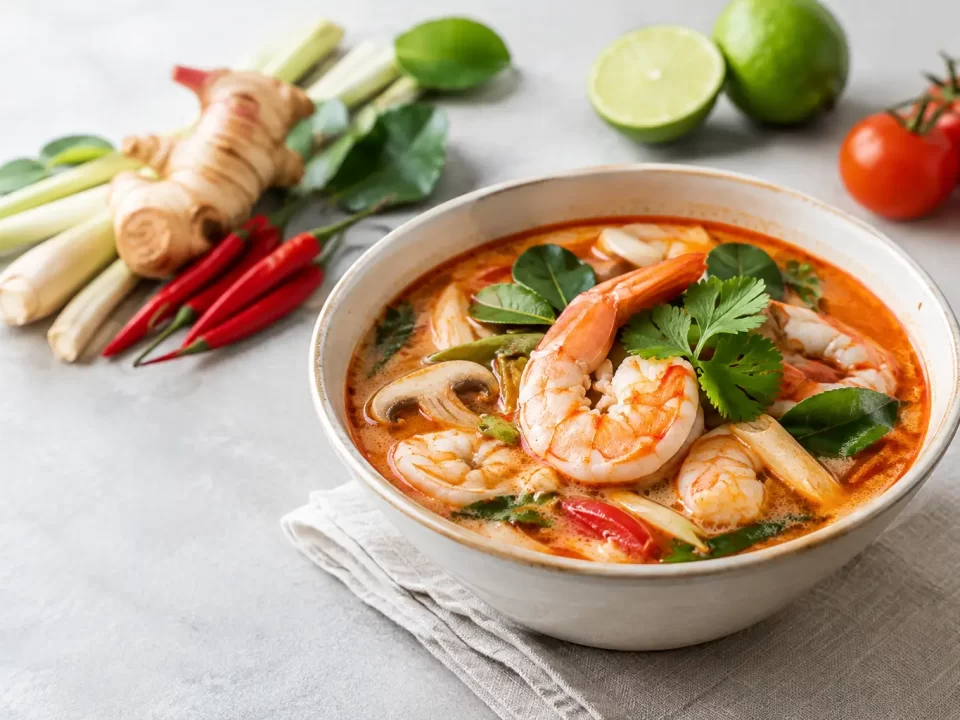
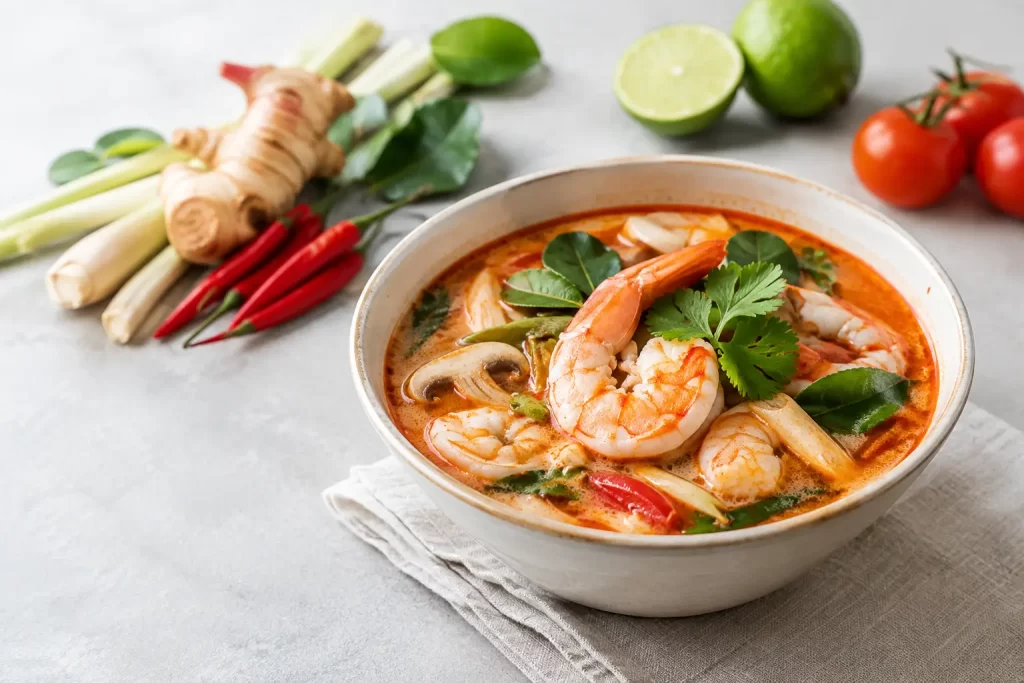
The first clue is usually in the steam. A proper tom yum arrives at the table hot, fragrant, and sharp with lemongrass, lime, and chili – not just spicy for the sake of it. When people search for an authentic thai restaurant klang valley diners will actually return to, they are not only asking where to eat. They are asking where the food tastes alive, where the menu feels rooted in Thailand, and where the whole meal has enough energy to turn a quick lunch into a plan for the next visit.
Klang Valley has no shortage of Thai restaurants. That is the good news. The harder part is knowing which places truly deliver the balance, aroma, and confidence that make Thai food so satisfying. Some restaurants lean too sweet, some play it too safe, and some look the part but miss the depth that defines the cuisine. If you want a place that feels worth your appetite and your time, a few details matter more than flashy decor or a long menu.
What makes an authentic Thai restaurant in Klang Valley
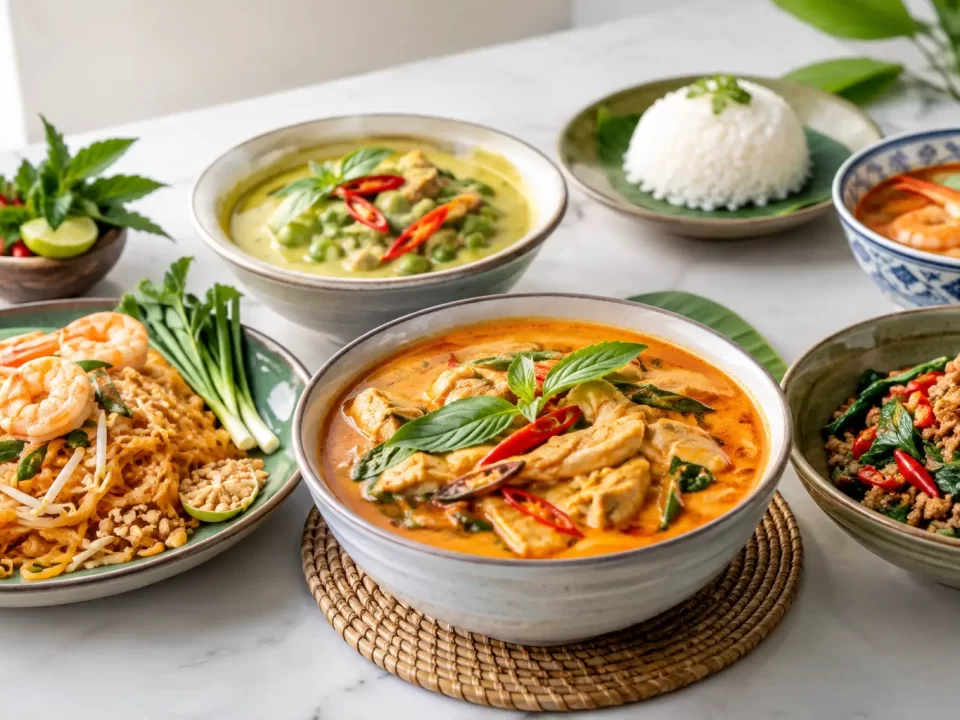
Authenticity is not about making a meal feel exclusive or unfamiliar. It is about getting the essentials right. Thai food should be bold, layered, and precise. Sour should wake up the dish. Heat should have purpose. Sweetness should round things out, not cover everything up. Salty notes should bring structure. When those elements work together, even a familiar plate of Pad Thai or Pad Kra Pao tastes fresh and memorable.
A strong kitchen also respects contrast. Crispy next to saucy. Fresh herbs against rich broth. Grilled notes beside bright citrus. Thai cuisine is exciting because it rarely sits flat on the palate. That is why the best restaurants do not serve one-note versions of popular dishes just to please everyone. They keep them approachable, yes, but they still let the food speak with confidence.
There is also a difference between themed dining and food that feels culturally grounded. An authentic Thai restaurant does not need to overwhelm the room with gimmicks. It simply needs to show care in the recipes, consistency in execution, and a menu built around dishes people actually crave more than once.
The dishes that reveal a real authentic thai restaurant klang valley diners can trust
If you want to judge a Thai restaurant quickly, start with the classics. Signature dishes are popular for a reason – they leave nowhere to hide.
Tom Yum Seafood is one of the clearest tests. A good bowl should smell as exciting as it tastes. You should get brightness from lime, fragrance from herbs, and heat that builds instead of hitting like a wall. The seafood should still taste fresh, and the broth should have body without turning heavy. If the soup feels flat or overly creamy without balance, that tells you a lot about the kitchen.
Pad Thai is another reliable marker. At its best, it is not drenched in sauce or loaded with sweetness. It should have a lively mix of savory, tangy, and nutty flavors, with noodles that hold their texture. The best versions feel comforting and energetic at the same time.
Pad Kra Pao shows whether a restaurant understands bold simplicity. This dish depends on confident seasoning, aromatic basil, and enough heat to make it exciting without drowning everything else. It is straightforward food, which is exactly why it is so revealing.
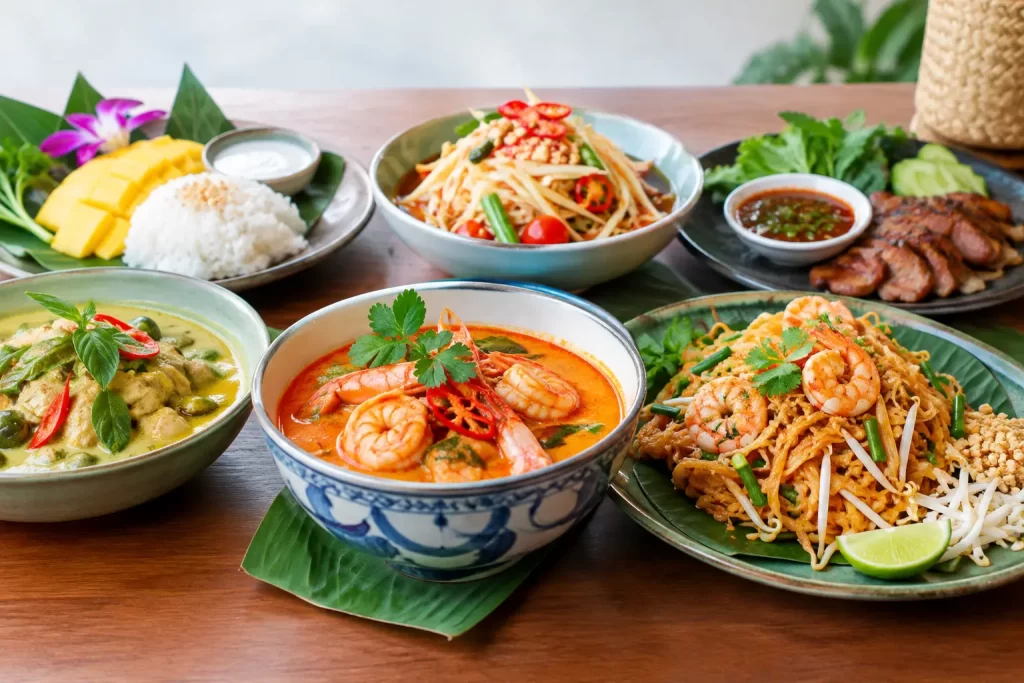
Then there are the drinks and side orders people often overlook. Thai Milk Tea should be rich and refreshing, not sugary to the point of fatigue. Green curry, fried rice, mango salads, and grilled items should each carry distinct character. When every dish tastes vaguely similar, something is missing.
Why consistency matters as much as flavor
A single great meal is nice. A restaurant people recommend across family dinners, office lunches, casual meetups, and celebrations needs more than one standout visit. In Klang Valley, convenience matters, but consistency is what earns loyalty.
That means the tom yum tastes just as satisfying on a weekday lunch as it does on a busy weekend night. It means the portions feel generous, the service keeps pace with the room, and the menu stays dependable enough for repeat cravings. Diners want food that feels exciting, but they also want the reassurance that the dishes they love will arrive the way they remember them.
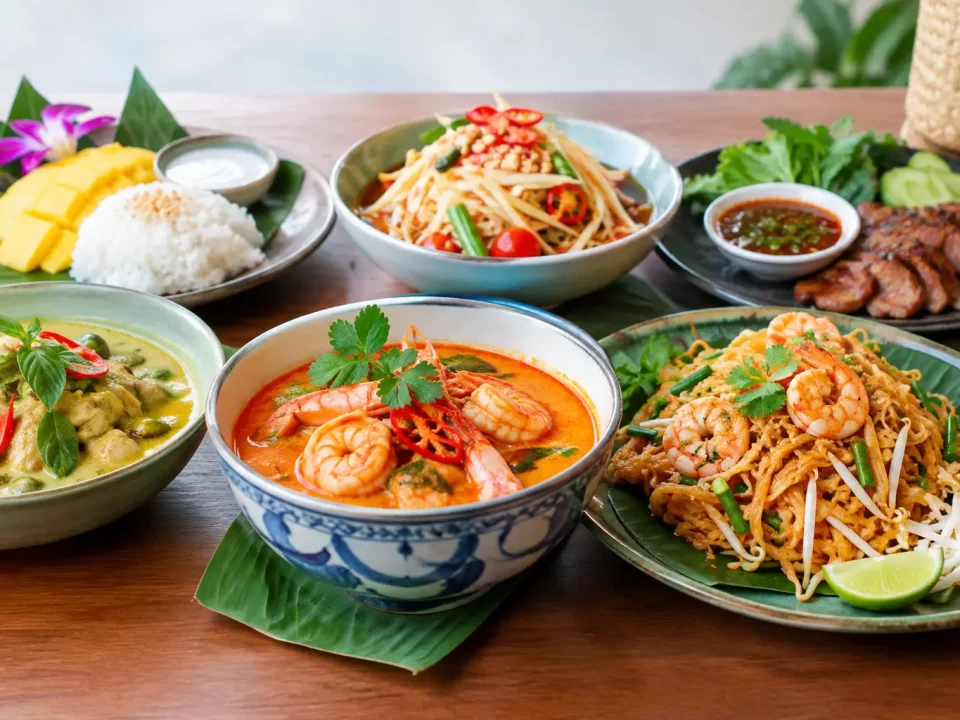
This is especially important for group dining. Thai food is naturally social. A table filled with soup, stir-fries, rice, noodles, and drinks invites sharing, conversation, and one more order than anyone planned on. For birthdays, team lunches, family dinners, or catch-ups with friends, a restaurant has to do more than cook well. It has to handle the rhythm of real dining occasions.
The Klang Valley advantage – choice, access, and repeat visits
One reason Thai cuisine works so well in Klang Valley is that it fits the way people actually eat here. Some meals are quick and practical. Others are about gathering. Some diners want a familiar favorite after work. Others want a restaurant that can handle bigger plans without feeling formal.
That is why location coverage matters. A good authentic Thai restaurant in Klang Valley should not feel like a one-time destination you only visit when you happen to be nearby. It should be accessible enough to become part of your regular rotation. Whether you are meeting in Subang Jaya, grabbing dinner around Shah Alam, or planning a meal near Kepong or Kuala Lumpur, convenience strengthens the habit of coming back.
This is where a multi-location brand can offer a real advantage. If the food remains consistent across outlets, diners get the best of both worlds – authentic flavor and everyday practicality. That is a big reason modern Thai dining has grown beyond occasional cravings and into an easy answer for lunch, dinner, and group plans.
Modern Thai dining can still feel authentic
Some people assume authenticity only counts if a restaurant feels old-school or highly traditional. That is too narrow. A modern Thai restaurant can still be deeply authentic when the cooking respects the soul of the cuisine.
In fact, modern presentation often makes Thai food more inviting for wider groups of diners. Families want a welcoming setting. Young professionals want a place that works for both quick meals and longer catch-ups. Couples want atmosphere without stiffness. Office teams want somewhere lively, efficient, and crowd-pleasing. None of that takes away from authenticity if the recipes still deliver the bold and delicious tastes people came for.
A chef-led point of view matters here. When a menu is shaped by real culinary grounding rather than trend-chasing, diners can feel it. The food has identity. The seasoning feels intentional. The signatures do not read like generic crowd-pleasers. They taste like dishes built by someone who understands where they come from and why people love them.
That is part of what makes Soi 55 stand out for many diners across the region. The experience is modern, approachable, and convenient, but the food still aims for the bright, spicy, satisfying character people expect from Thai cuisine.
Choosing the right place for everyday meals and special occasions
The best Thai restaurant for you depends a little on the moment. If you are planning a casual lunch, speed and consistency may matter most. If it is dinner with friends, menu variety and a lively atmosphere move higher on the list. For family gatherings or corporate meals, space, reservations, and shareable dishes become essential.
Catering changes the equation again. Not every restaurant that does a great dine-in meal can scale that same flavor and reliability for events. If you are ordering for a celebration, office function, or private gathering, look for a team that understands volume without sacrificing quality. Thai food works beautifully for catering because it travels well and suits mixed preferences, but execution is everything.
That is why it helps to choose a restaurant built for more than one kind of dining occasion. A place that can handle weekday cravings, weekend group meals, and catered events is usually doing something right operationally as well as culinarily.
When you are deciding where to eat next, trust your senses more than hype. Look for aroma, balance, texture, and the kind of menu that makes ordering easy because everything sounds like it belongs. The right authentic Thai restaurant in Klang Valley does not just serve food that tastes good in the moment. It gives you that immediate thought after the first few bites – we should come back for this again.