Pad Thai vs Pad See Ew: Which Noodle Fits Tonight?
July 12, 2026
Best Thai Meals for Large Groups to Share
July 16, 2026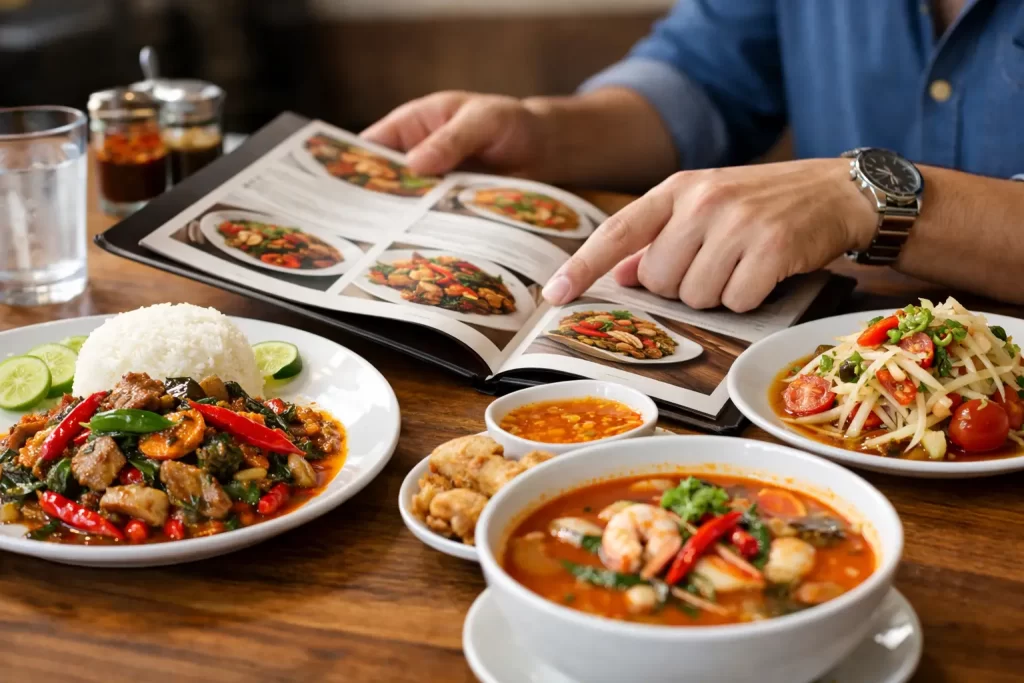
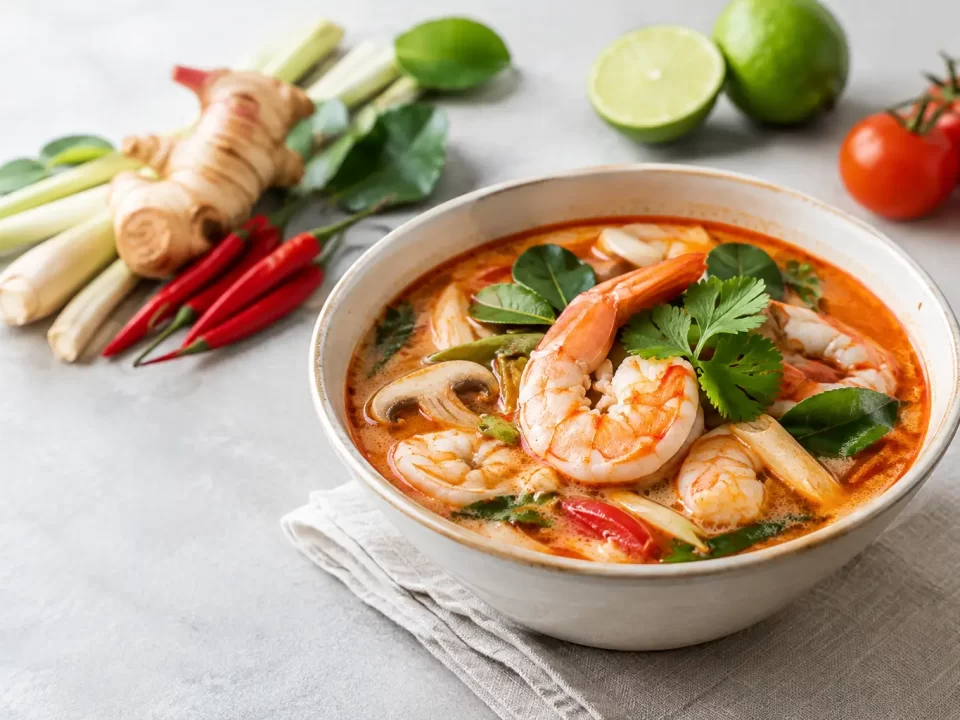
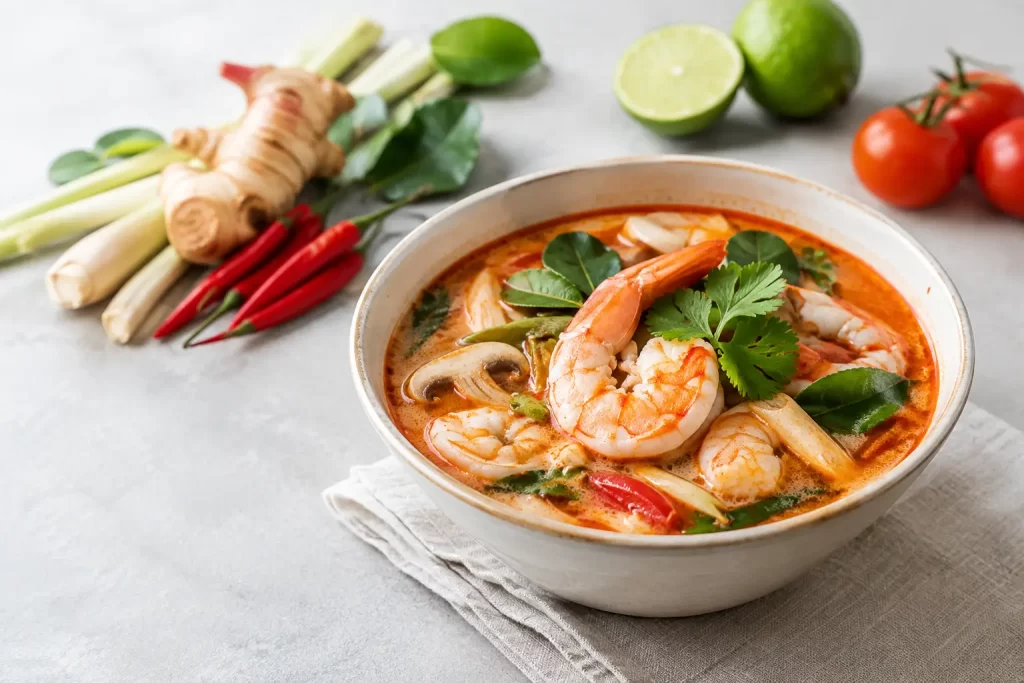
A bowl of Tom Yum arrives steaming, fragrant with lemongrass and lime, its red broth promising serious heat. This is the moment many diners wonder how to order spicy Thai food without turning a great meal into a challenge. The answer is not simply asking for “mild.” It is knowing what kind of spice you enjoy, choosing dishes that suit it, and building a table that lets every bold flavor shine.
Thai food is meant to feel lively. Heat is often balanced by sour citrus, aromatic herbs, savory sauces, a touch of sweetness, and the comfort of rice. Order with that balance in mind and you can enjoy the real character of the dish, whether you prefer a gentle tingle or a full, fiery kick.
Start With Your Real Spice Level
Be honest about how you normally eat. If you reach for chili sauce only occasionally, starting at mild or medium is the smart move. If you regularly enjoy hot wings, spicy noodles, or chili-heavy curries, medium-hot may be more comfortable. Diners who genuinely love intense chili heat can ask for hot, but even then, it helps to remember that Thai-style heat can build quickly.
There is no prize for ordering beyond your comfort zone. A dish that is too hot can hide the fragrance of basil, galangal, kaffir lime leaf, and roasted chili. The best level is one that makes you pause for another sip of water, not one that makes the rest of the meal taste like nothing but fire.
When speaking with your server, keep the request clear: “Medium spicy, please,” or “I like heat, but I still want to taste the flavors.” If you are unsure, ask how spicy the dish is usually prepared and whether the kitchen can adjust it. Heat levels vary by restaurant, recipe, and the fresh chilies available that day.
Understand What “Spicy” Can Mean
Not every spicy Thai dish delivers heat in the same way. Fresh chilies can taste bright and sharp. Dried chilies often bring a deeper, roasted warmth. Chili paste can add sweetness and smokiness alongside the burn, while curry pastes layer heat with herbs and spices.
That difference matters when choosing your order. A clear, sour-spicy soup can feel more immediately intense than a rich curry at the same stated heat level. A basil stir-fry may seem manageable at first, then grow hotter as the chilies mingle with the savory sauce. Give yourself room to enjoy the dish as it develops.
Choose the Right Dish for Your First Spicy Thai Order
If you are learning how to order spicy Thai food, begin with a dish you already understand. Familiar formats make it easier to judge the heat. Noodles, rice bowls, soups, and curries all offer different paths into Thai spice.
Pad Kra Pao is a strong choice for diners who want savory, direct heat. The combination of fragrant basil, chilies, and a rich stir-fry sauce is satisfying with steamed rice, which helps soften each spicy bite. Ask for mild or medium if you are new to the dish, then move upward on your next visit.
Tom Yum Seafood is ideal for people who enjoy a brighter kind of heat. Its hot-and-sour broth is aromatic and refreshing, but the chili can become more noticeable as you drink the soup. Sharing it is a great idea, especially when it is one part of a larger table spread.
For a gentler starting point, order a milder main dish and add one spicy item for the group. Pad Thai, for example, gives you a savory-sweet noodle dish that can sit beside a spicy soup or stir-fry. This approach keeps the meal exciting without making every bite a test of endurance.
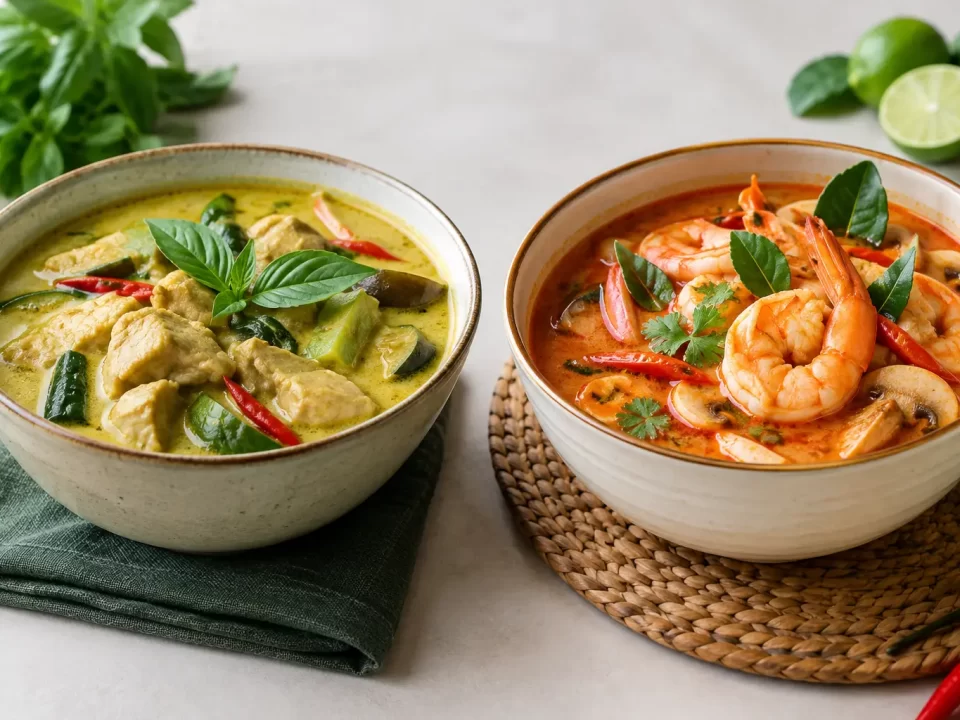
Curries deserve a little thought, too. Their creamy or rich texture can make them feel less aggressive at first, but that does not always mean they are mild. Coconut-based dishes may round out the chili, while other curries can feel more concentrated and aromatic. Ask the server which curry best matches your preferred heat level rather than assuming the color tells the whole story.
Build a Table That Balances the Heat
Thai dining is especially enjoyable when dishes are shared. One person can order a spicy favorite while another brings a milder noodle dish, vegetables, or rice to the table. You get variety, and no one is locked into a single heat level for the entire meal.
Steamed rice is your best friend when a dish arrives hotter than expected. It does not erase spice, but it spreads the sauce and gives your palate a break. If you are ordering several spicy dishes, add extra rice from the start rather than waiting until the heat catches up.
A cool drink can also help, though water alone may not always be enough for chili oil. Thai Milk Tea is a naturally satisfying match for spicy food because its creamy sweetness offers contrast to savory, sour, and fiery dishes. It is not about covering up the spice. It is about resetting your palate so the next bite tastes just as good as the first.
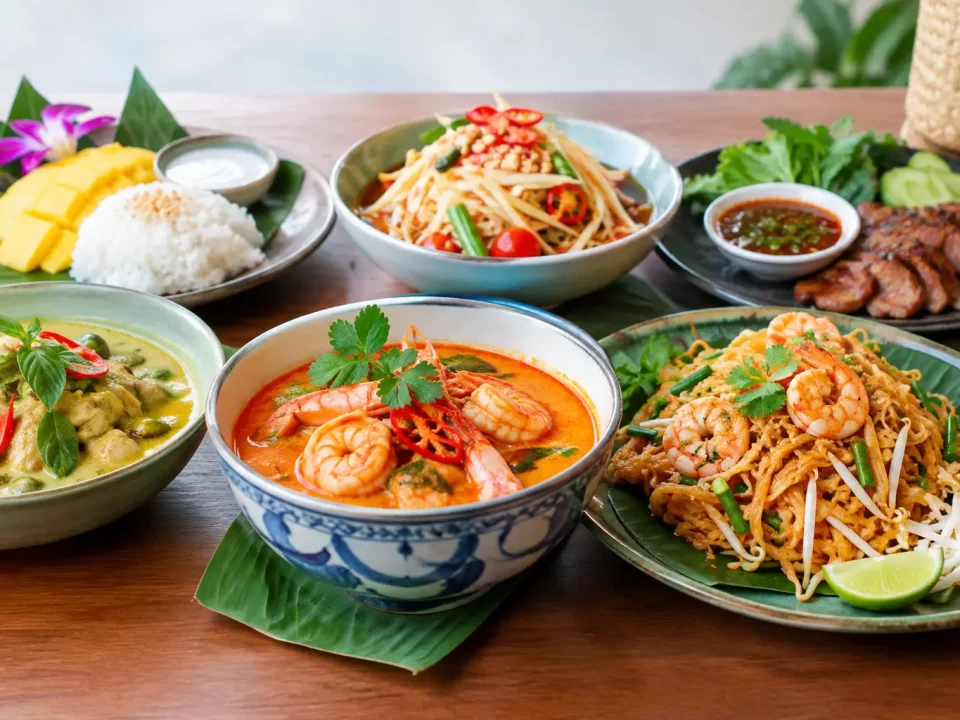
For groups, aim for contrast: one hot-and-sour dish, one savory stir-fry, one noodle dish, rice, and a refreshing drink. That kind of spread feels generous and lets everyone eat at their own pace. It also reflects the social pleasure at the heart of a Thai meal.
Ask for Adjustments the Right Way
Kitchen adjustments are useful, but they work best when they respect the dish. Asking for less chili is usually straightforward. Asking for no spice at all may change the balance of a recipe that relies on chilies for its character. If you are sensitive to heat, a mild preparation is often a better request than removing every trace of chili.
You can also ask for chili on the side when available. This is especially helpful for shared meals, because each diner can add more heat gradually. Start with a small amount, taste, and decide whether you want another spoonful. Chili can always be added, but it is much harder to pull back once it is fully mixed into the dish.
Be specific if you have dietary needs or a sensitivity to particular ingredients. A good restaurant team can guide you toward suitable choices, but clear communication is what makes that possible. Mention your needs when ordering, not after the food has arrived.
Do Not Treat Chili as a Dare
Social media has made extreme spice look like entertainment, but a meal should still be a meal. Ordering the hottest option because friends are watching can leave you missing the very flavors you came for. The better move is to choose a heat level that lets you enjoy conversation, share dishes, and finish happily.
If you find yourself overwhelmed, pause. Eat rice, switch to a milder dish, and take small bites rather than rushing through. Avoid adding more chili to prove a point. A Thai meal is about balance and pleasure, not a competition.
Order for the Occasion
Your ideal spicy order changes with the setting. A quick lunch may call for a medium Pad Kra Pao with rice: flavorful, filling, and easy to enjoy on a busy day. A dinner with friends is the time to share Tom Yum Seafood, noodles, stir-fries, and drinks, allowing the table to explore different levels of heat.
For family meals or office gatherings, it is wise to include both spicy and mild dishes. That does not make the meal less authentic. It makes it more welcoming. Guests with different spice preferences can still experience the aromas, textures, and bold tastes that make Thai food memorable.
At Soi 55, that shared-table spirit is part of the fun. Order a signature spicy dish with a few comforting favorites, let the heat meet the sweetness of Thai Milk Tea, and make room for everyone’s appetite. Whether you are dining with coworkers, family, or friends, the best order is one that keeps the conversation going and the plates moving.
The next time a menu promises spice, trust your taste rather than your ego. Start where you are, balance your table, and let each fragrant, chili-bright bite bring the heart of Thailand to your meal.