Family Friendly Thai Restaurant Malaysia Picks
July 6, 2026
Why a Thai Street Food Restaurant Works
July 10, 2026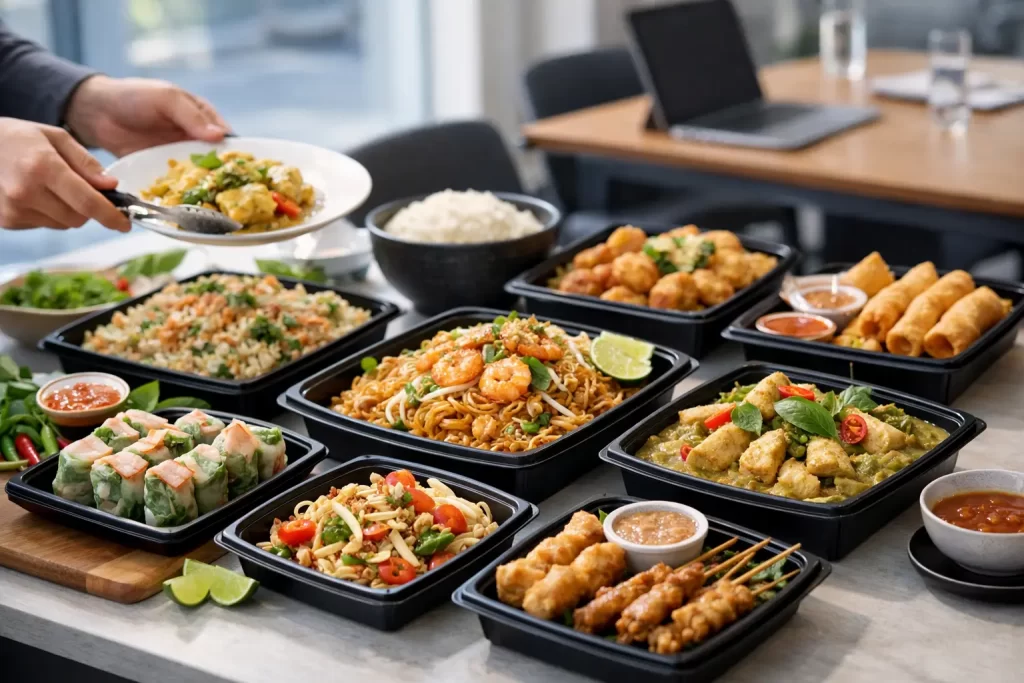
Some office meals are forgotten before the meeting even starts. Others get people talking, lining up early, and asking who ordered the food. A strong corporate thai catering guide starts there – not with trays and headcounts alone, but with the kind of menu that can lift the room, satisfy different appetites, and still feel appropriate for a professional setting.
Thai food works especially well for corporate events because it brings energy without feeling too formal or too heavy. The right spread can cover quick team lunches, client presentations, training days, festive office gatherings, and larger appreciation events. It feels warm, social, and generous. At the same time, choosing Thai catering for work is not as simple as ordering your personal favorites and hoping for the best.
Why a corporate thai catering guide matters
Corporate catering has a different job from regular group dining. It needs to arrive on time, hold up well over the serving window, and appeal to a room full of different preferences. The food should feel exciting, but it also has to be practical. Dishes that taste incredible in a restaurant do not always perform the same way in a boardroom after twenty minutes on a buffet line.
That is why a corporate thai catering guide is useful. It helps you think like an organizer, not just a hungry guest. You are balancing flavor, ease of service, dietary variety, and the overall impression your event creates. A great catering choice says your company paid attention. It feels thoughtful rather than rushed.
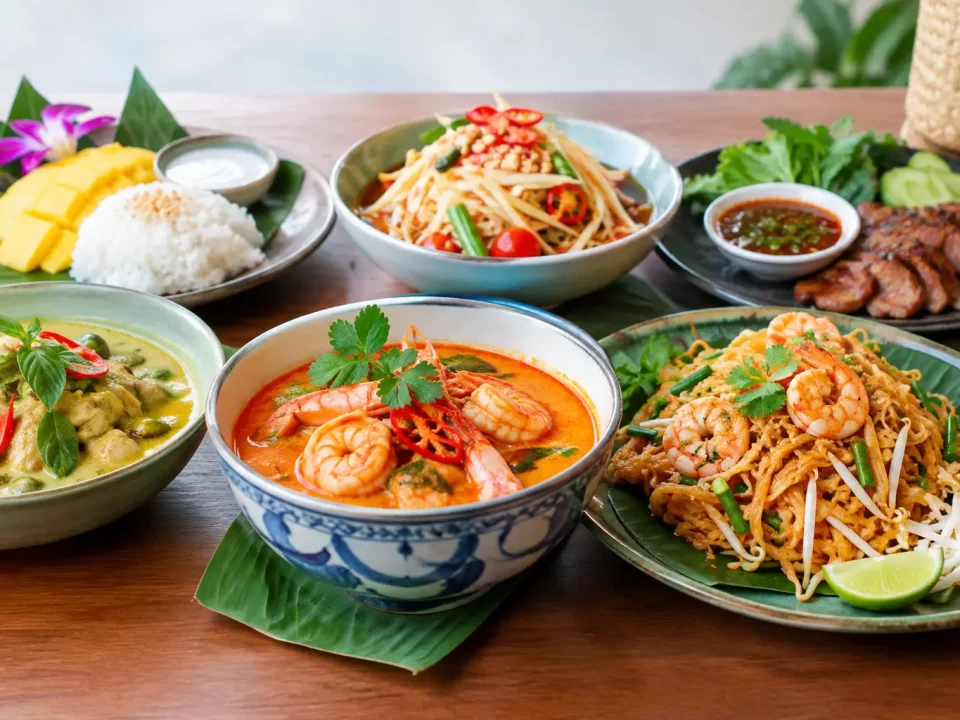
Thai cuisine has an advantage here. It is naturally built for sharing, with familiar crowd-pleasers like Pad Thai, fried rice, basil chicken, and Tom Yum that many office teams already recognize. It also offers enough range to keep the menu from feeling repetitive. You can go comforting, light, spicy, or celebratory depending on the occasion.
Match the menu to the occasion
The biggest mistake in office catering is treating every event the same. A working lunch for twenty people needs a different approach from an evening staff celebration or a client-facing launch event.
For training sessions and internal meetings, practical dishes usually win. You want food that is easy to portion, easy to eat, and not distracting. Fried rice, noodle dishes, stir-fried proteins, and vegetable sides tend to work well because guests can serve themselves quickly and get back to the agenda. Strong flavor still matters, but convenience matters too.
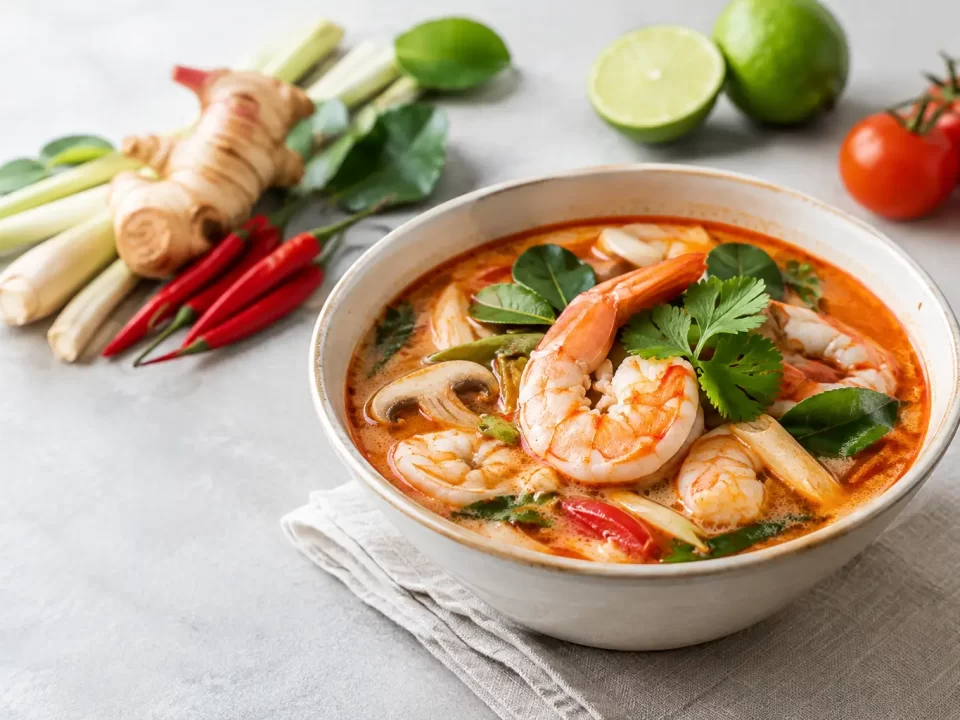
For leadership meetings or client entertaining, presentation becomes more important. You want a menu that feels polished and abundant without becoming overly complicated. This is where a mix of signature Thai dishes can make a strong impression. A well-balanced spread with Tom Yum Seafood, Pad Thai, flavorful curries, and refreshing drinks gives the meal more presence and makes it feel like hospitality rather than simple food delivery.
For office celebrations, people are usually more open to bolder flavors and a wider range of dishes. This is the time to bring a little more fun to the table. Thai food naturally suits that mood because it is vibrant, aromatic, and made for shared enjoyment.
Choose dishes that travel well
Not every dish performs equally once it leaves the kitchen. That matters more in corporate catering than many organizers realize.
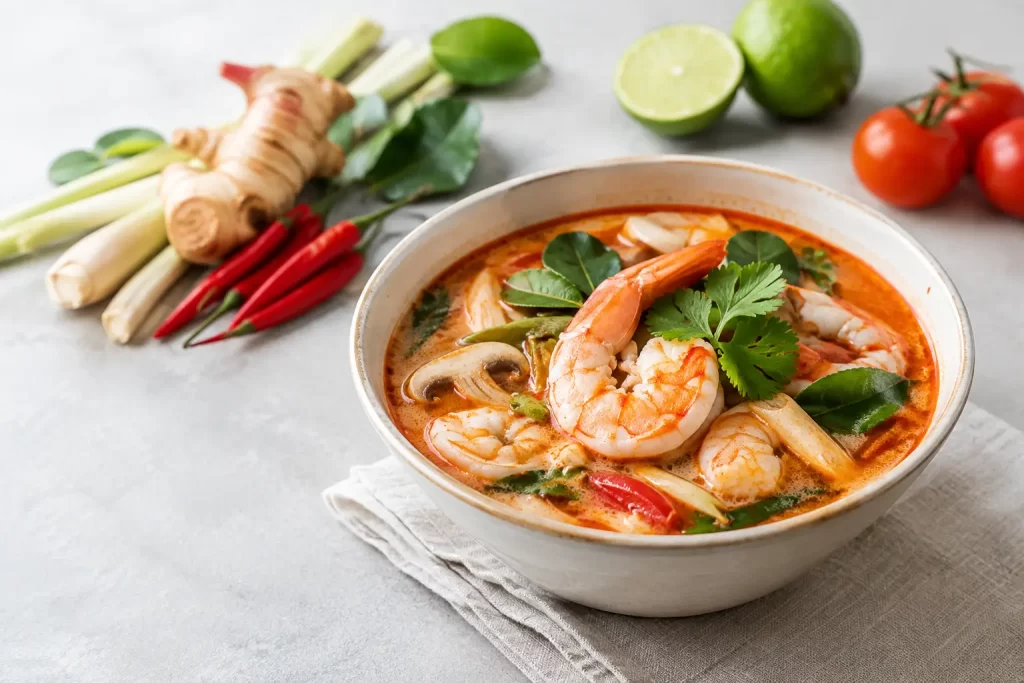
Rice dishes and stir-fries are usually reliable because they hold their texture better over time. Noodle dishes can also work beautifully, but only when they are prepared with catering in mind so they do not dry out or clump together. Soups like Tom Yum can be excellent for more structured setups, though they require slightly more planning for serving.
Crispy items can be a bit more dependent on timing. If your event schedule is tight and service begins as soon as the food arrives, they can be a great addition. If the food may sit for a while before guests eat, it is worth being selective. A good caterer will guide you on what still tastes great after transport and what is better for dine-in service.
The goal is not to play it too safe. It is to choose dishes that still deliver bold and delicious tastes when served in a workplace environment.
Build a menu with balance, not just variety
A menu can look generous on paper and still feel off once people start eating. The best corporate catering menus are balanced in flavor, texture, and portion style.
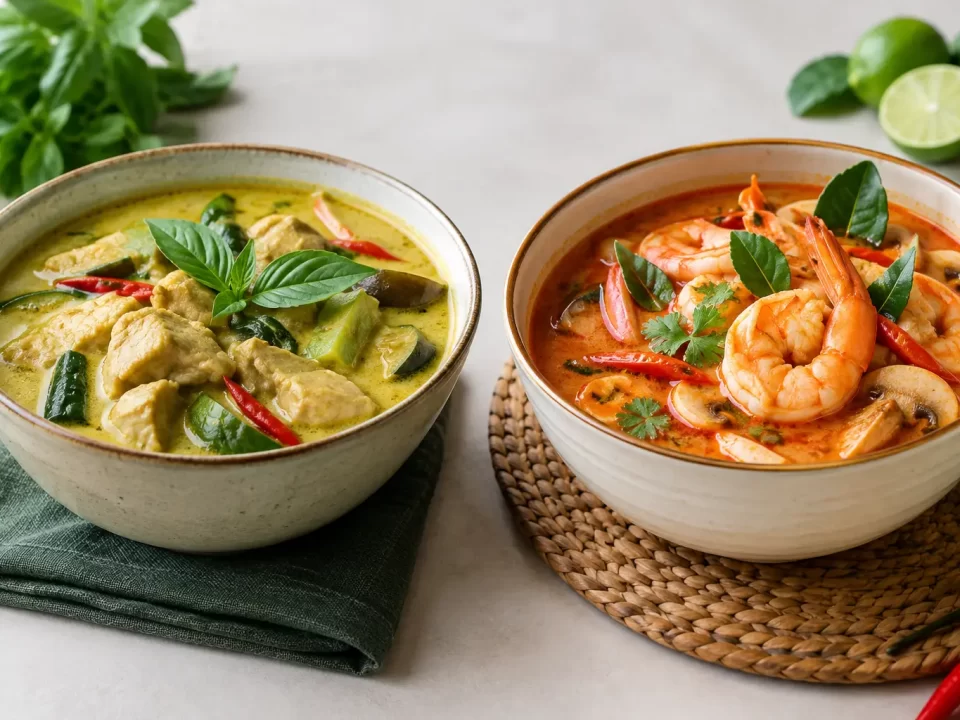
Start with a dependable base such as fried rice or noodles, then add proteins with different flavor profiles. A basil-forward stir-fry brings heat and fragrance, while a richer curry adds depth. A seafood dish can make the spread feel more premium, while vegetables help keep the meal from becoming too heavy. Add a refreshing drink like Thai Milk Tea for social events or celebratory office occasions, where a little extra personality makes the meal more memorable.
Balance also means being thoughtful about spice. Thai food is loved for its kick, but office groups usually include people with different comfort levels. That does not mean everything should be toned down. It means the menu should offer a range. Let some dishes bring the heat while others stay milder and familiar.
This is often where experienced Thai caterers stand out. They know how to keep the food expressive and authentic without making the overall spread difficult for a mixed group.
Think beyond headcount
Ordering by headcount alone can leave you short in one area and overloaded in another. A smarter approach considers the shape of the event.
If your guests are eating after a long presentation, they may arrive hungrier and serve larger portions. If food is one part of a networking event, people may graze more lightly. Mixed groups can also affect the flow. Some teams go straight for rice and protein, while others lean heavily on noodles or soup. Portion planning should reflect timing, guest profile, and whether the meal is the main event or a supporting one.
This is also why communication with your caterer matters. A good provider will ask the right questions instead of just sending a standard package. They should want to know the occasion, service format, expected duration, and whether the audience is internal staff, clients, or invited guests.
Dietary needs should feel considered, not awkward
Corporate events often include a wide mix of dietary needs and preferences. People may avoid certain ingredients, prefer lighter dishes, or simply want non-spicy options. You do not need to design a separate menu for every guest, but you do need enough range that people feel included.
This is where Thai catering can be especially helpful. A broad menu makes it easier to offer a mix of proteins, vegetables, rice, and noodle dishes without making the spread feel limited. Labeling also helps. In a workplace setting, people appreciate knowing what they are choosing, especially when they are moving through a buffet quickly.
The best catering experience is one where guests do not need to ask for special treatment at the table. They can simply find something that suits them and enjoy the meal.
Service style changes the experience
Buffet catering is often the most practical choice for offices because it handles varied appetites well and gives guests flexibility. It works particularly well for larger teams, celebrations, and open-house style events.
Set meals can be useful for more structured meetings where timing matters and each attendee needs a clear portion. They reduce congestion and can feel tidier in conference settings. The trade-off is less flexibility, especially if guest preferences vary a lot.
Tray service or shared platters can create a warmer, more hosted atmosphere for smaller executive groups or client meals. It feels more intentional, but it also needs the right setting. Not every office pantry or meeting room is designed for that style of service.
There is no single best option. It depends on the event, the room setup, and how much movement you want around the food.
What to ask before booking Thai corporate catering
Before you confirm an order, ask practical questions that affect the actual experience. How is the food packed for transport? Which dishes are best for your service window? Can spice levels be adjusted across the menu rather than across every dish? What is included in setup, serving equipment, and timing?
It also helps to ask what the caterer recommends for your specific event type. That answer tells you a lot. A strong catering partner will not push the same menu for every booking. They will guide you toward dishes that suit office teams, travel well, and reflect the tone you want to set.
For businesses in the Klang Valley and surrounding areas, working with an established Thai restaurant brand can make a real difference. A team with busy dine-in operations, recognizable signature dishes, and regular group dining experience is often better prepared to handle the pace and expectations of corporate catering. That is one reason many companies look for caterers that already serve working professionals and large groups consistently, not just occasionally.
Make the meal feel like part of the event
The best office catering does more than feed people. It supports the mood of the day. A client lunch should feel polished. A team celebration should feel lively. A staff appreciation meal should feel generous. Thai food is especially good at bringing that sense of occasion because it is colorful, aromatic, and built around shared enjoyment.
That is why catering choices matter more than they first appear. People remember when the food feels like an afterthought, and they also remember when it adds real warmth to the room. If you want a meal that feels easy to organize but still full of character, a well-planned Thai spread can do that beautifully.
When you are choosing for a team instead of just yourself, think less about ordering the loudest dishes and more about creating a menu people will genuinely enjoy together. That is usually where the best corporate meals begin.