Why Pad Thai Is a Thai Street-Food Favorite
October 24, 2026
Thai Food for Family Dining KL Everyone Enjoys
October 28, 2026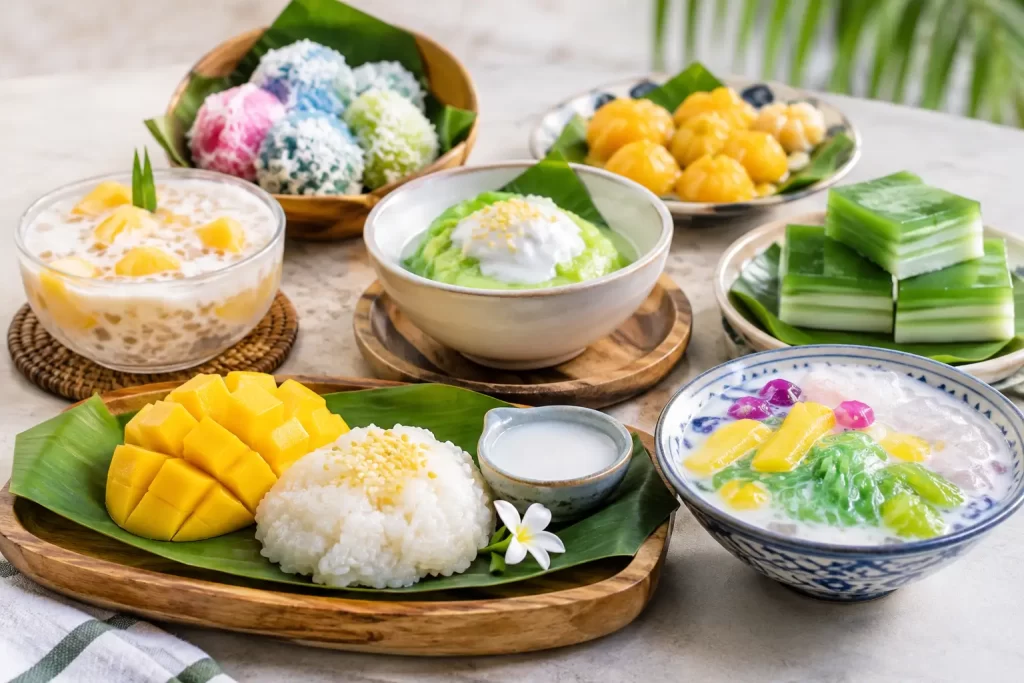
A fiery tom yum, a plate of pad kra pao, and a cold Thai milk tea create a satisfying Thai meal. But the best Thai desserts Malaysia diners look for do something different: they cool the palate, bring playful textures to the table, and give everyone one more reason to linger over conversation.
Thai sweets are not usually about being overwhelmingly sugary. The magic is in contrast – fragrant coconut cream against warm sticky rice, crushed ice against rich toppings, or a crisp fried edge with a soft, custardy center. Whether you are planning a family dinner, a midweek catch-up, or a big group meal, these are the desserts worth saving room for.
What Makes the Best Thai Desserts in Malaysia So Memorable?
Malaysia already understands big flavor, which is why Thai desserts feel so at home here. Both food cultures appreciate coconut, pandan, tropical fruit, glutinous rice, and the balance of sweet, salty, and creamy notes. Thai desserts add their own signature touches, including aromatic jasmine rice, palm sugar, pandan-scented dough, and chilled treats designed for warm weather.
The best choice depends on the meal before it. After a spice-forward dish, mango sticky rice or coconut ice cream can feel especially refreshing. If your table has ordered lighter noodles and grilled dishes, a warm roti dessert may be the richer finish everyone wants. For groups, variety matters more than choosing one “perfect” dessert – sharing lets each person find the flavor and texture they enjoy most.
10 Thai Desserts Worth Ordering
1. Mango Sticky Rice
Mango sticky rice is the dish many diners picture first, and for good reason. Ripe mango brings bright, floral sweetness while glutinous rice provides a gentle chew. A drizzle of coconut cream, often finished with a pinch of salt, gives the dish its defining balance.
This dessert is at its best when mangoes are fragrant and naturally sweet. Because fruit quality changes with the season, the experience can vary slightly, but that is part of its charm. It is a smart order after spicy seafood dishes or anything with plenty of chili.
2. Thai Coconut Ice Cream
Thai coconut ice cream has a clean, cooling richness rather than a heavy dairy-forward taste. It may come with toppings such as roasted peanuts, sweet corn, sticky rice, or palm seeds, turning each spoonful into a mix of creamy, crunchy, and chewy textures.
This is one of the easiest desserts to share, especially after a lively meal with friends. The cool coconut flavor settles the heat from a spicy menu without competing with it.
3. Tub Tim Krob
Often described as red rubies, tub tim krob features crunchy water chestnut pieces coated in a bright red tapioca layer. They are served in sweet coconut milk with crushed ice, creating a dessert that is light, crisp, and incredibly refreshing.
The color catches the eye, but the texture is what makes it memorable. Each bite has a small snap from the water chestnut, followed by silky coconut milk. Choose it when you want something cold but less creamy than ice cream.
4. Thai Banana Roti
Thai banana roti is comfort food with serious street-food appeal. Thin dough is griddled until crisp at the edges, folded around soft banana, and finished with condensed milk, sugar, or chocolate depending on the style.
It is a richer, warmer choice, so it works beautifully for a late dinner or a table that wants a dessert with more bite. Sharing is wise – a few pieces can feel just right after a full meal. The contrast of crackly roti and melting banana is the whole point.
5. Khanom Krok
Khanom krok are small coconut rice pancakes cooked in a special round-pan mold. Their centers are soft and creamy, while their edges take on a delicate golden crust. Some versions include corn, scallion, or taro for an extra layer of flavor.
These little bites are ideal for diners who prefer dessert that is not too sweet. They also make an enjoyable addition to a casual group meal because everyone can reach in, try one, then go back for another.
6. Thai Tapioca Pudding
Thai tapioca pudding brings together translucent tapioca pearls, coconut milk, and ingredients such as sweet corn, taro, or banana. The result is softly chewy, lightly sweet, and soothing after bold savory flavors.
It is a great option for diners who enjoy texture-driven desserts. The pearls are more delicate than boba, and the coconut base is usually fragrant rather than heavy. Served chilled, it is particularly welcome on a warm Malaysian afternoon.
7. Pumpkin in Coconut Milk
Pumpkin simmered in sweet coconut milk is simple, traditional, and deeply comforting. The pumpkin becomes tender and naturally sweet, while the coconut milk adds a rounded, fragrant finish. A hint of salt keeps it from becoming one-dimensional.
This dessert is less about spectacle and more about warmth. It suits diners who enjoy familiar ingredients prepared with a Thai touch, and it pairs well with a meal centered on grilled dishes, stir-fries, and fragrant rice.
8. Khanom Buang
Khanom buang are crisp Thai crepes with a delicate, almost airy shell. Sweet versions may be filled with coconut cream and shredded coconut, creating a lovely combination of brittle crunch and soft filling.
Because they are lighter than a roti or a sticky-rice dessert, Thai crepes are a good pick when you want just a small sweet ending. Their crispness is best enjoyed soon after serving, so they are made for the table rather than for lingering too long.
9. Thai Custard with Sticky Rice
Thai custard, often made with coconut milk and palm sugar, has a gentle sweetness and a soft, dense texture. Served with sticky rice, it becomes a more filling dessert with the familiar coconut-and-rice pairing Thai cuisine does so well.
If mango sticky rice is bright and fruity, this option is more mellow and caramel-like. It is especially satisfying for those who prefer a dessert with a smooth, custardy finish over fresh fruit.
10. Lod Chong
Lod chong is a chilled dessert of short green pandan noodles in sweet coconut milk, often served over ice. The pandan gives it its signature color and a grassy, fragrant aroma that feels instantly cooling.
It is one of the best choices after a spice-filled feast because it is light, icy, and easy to enjoy. The noodles may sound unusual to first-time diners, but their soft texture and pandan fragrance are exactly what make this dessert distinctive.
How to Order Thai Desserts for a Group
For two people, choose one refreshing dessert and one warm dessert if you want contrast. Mango sticky rice with banana roti, for example, gives you fruit, coconut, crisp pastry, and soft filling without repeating the same flavor profile.
For a family or office table, order two or three desserts with different textures. A chilled coconut-based dessert, a sticky-rice dish, and something crisp or griddled will cover more preferences than ordering several versions of the same style. It also keeps dessert feeling social – everyone gets a taste, and no one has to commit to only one favorite.
At SOI 55 Thai Kitchen, ending a shared Thai meal with something sweet fits the spirit of neighborhood dining: bold flavors on the table, good company around it, and enough variety for every diner to find a favorite. Dessert availability can vary by outlet and season, so asking the team what is freshly prepared that day can lead to the most satisfying finish.
The next time the table debates whether there is room for dessert, order one to share. Thai sweets are made for that final round of spoons, stories, and “just one more bite.”