Modern Thai Cuisine for Everyday Cravings
November 23, 2026
Thai Catering for Gatherings Worth Sharing
November 27, 2026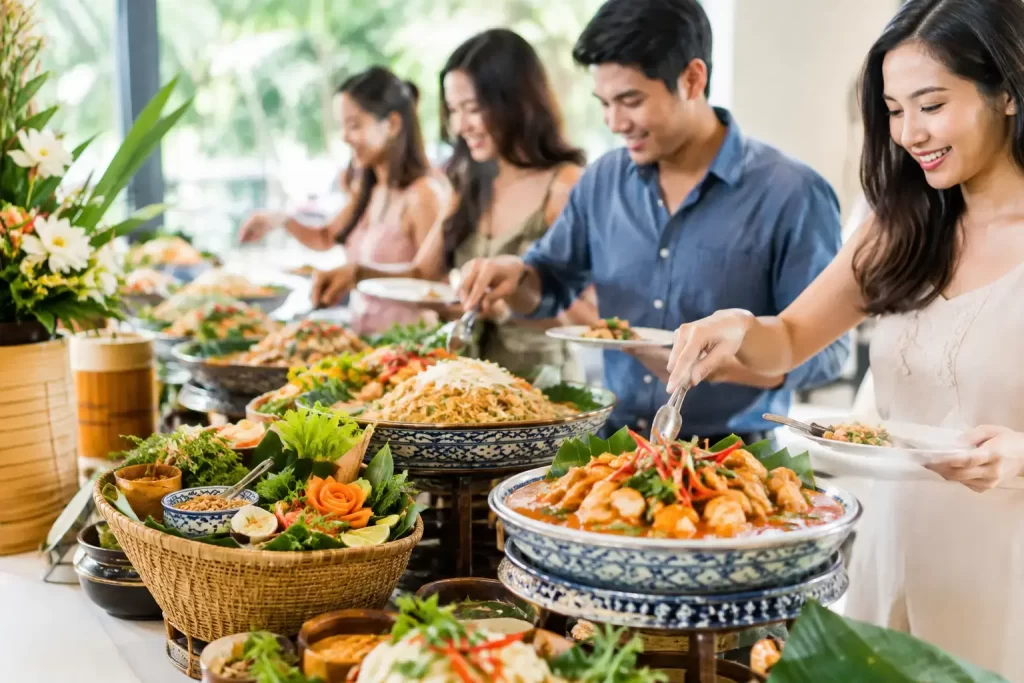
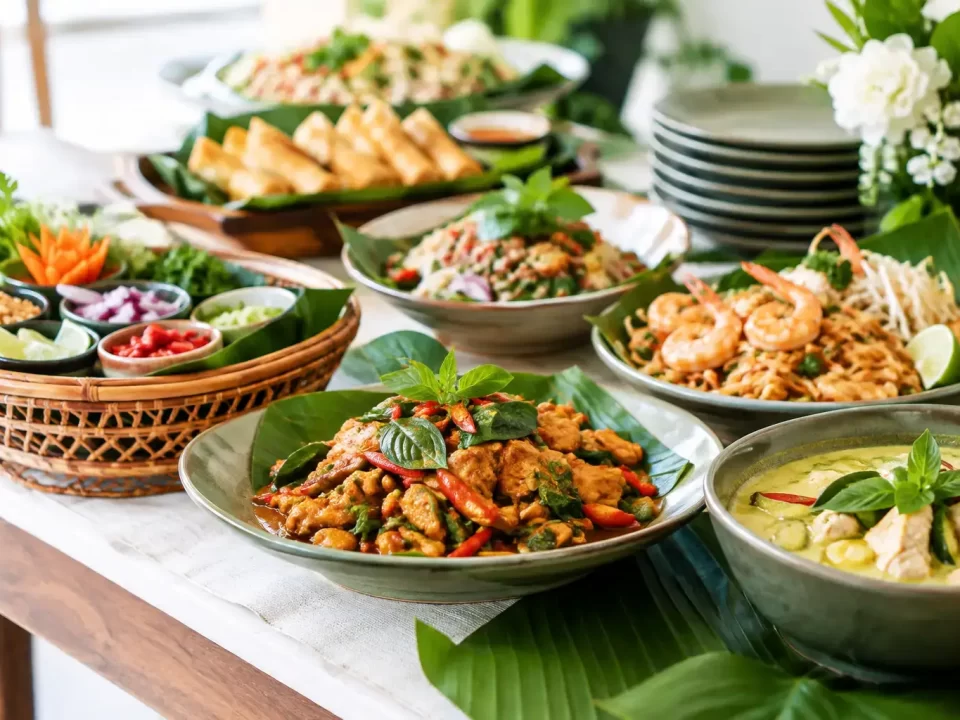
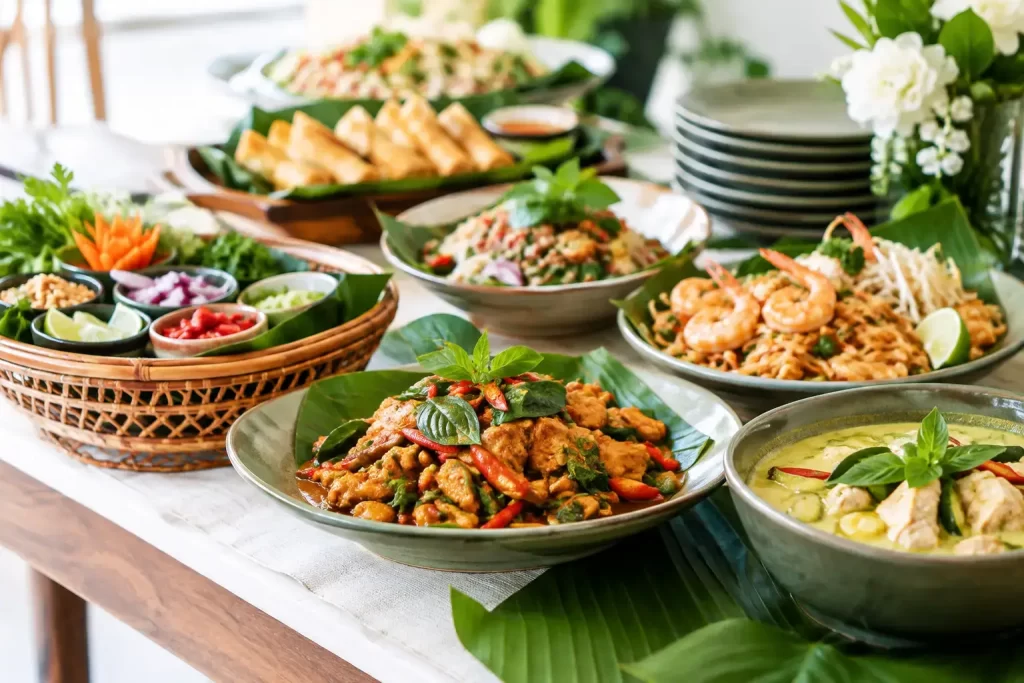
A Thai buffet should feel like a table people want to return to, not a line they rush through. Knowing how to arrange thai buffet dishes starts with one simple idea: balance bright, spicy, creamy, savory, and fresh flavors so every guest can build a plate that suits them. The best spreads look generous, smell incredible, and make group dining easy from the first scoop to the last glass of Thai milk tea.
For an office lunch, family celebration, or casual gathering with friends, plan the buffet around familiar favorites, clear serving flow, and dishes that stay enjoyable throughout the meal. Thai food is made for sharing, but a buffet still needs a little structure behind all that delicious abundance.
Start With a Menu That Feels Complete
A good Thai buffet does not need every dish on the menu. It needs enough range for guests to enjoy different flavors without making the table feel crowded or repetitive. Begin with a satisfying rice or noodle base, then add a soup, a few mains, vegetables, and something refreshing to drink.
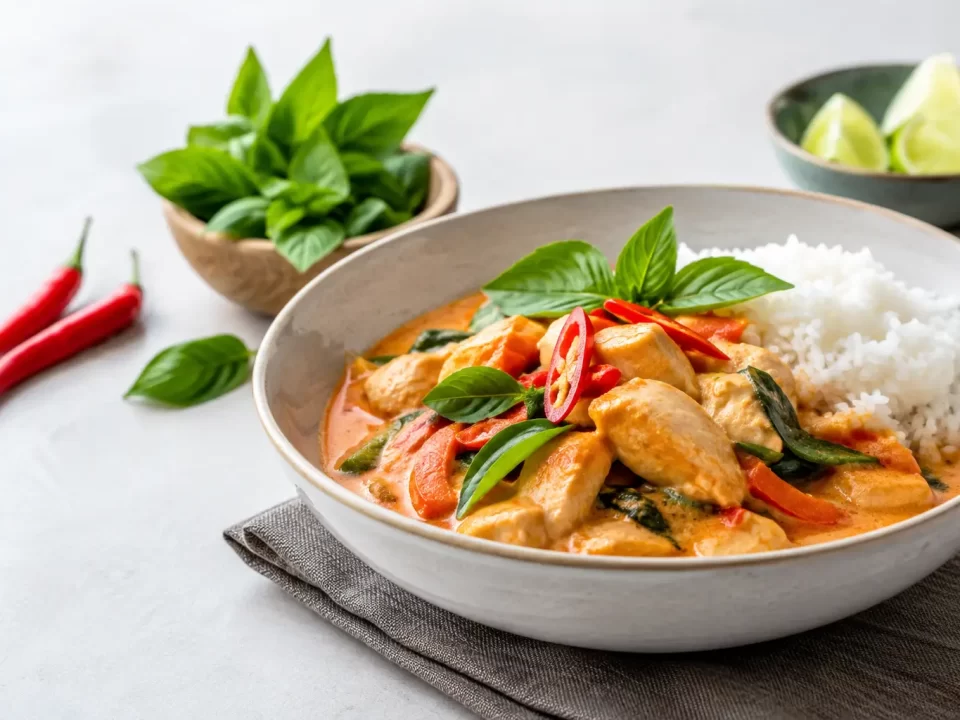
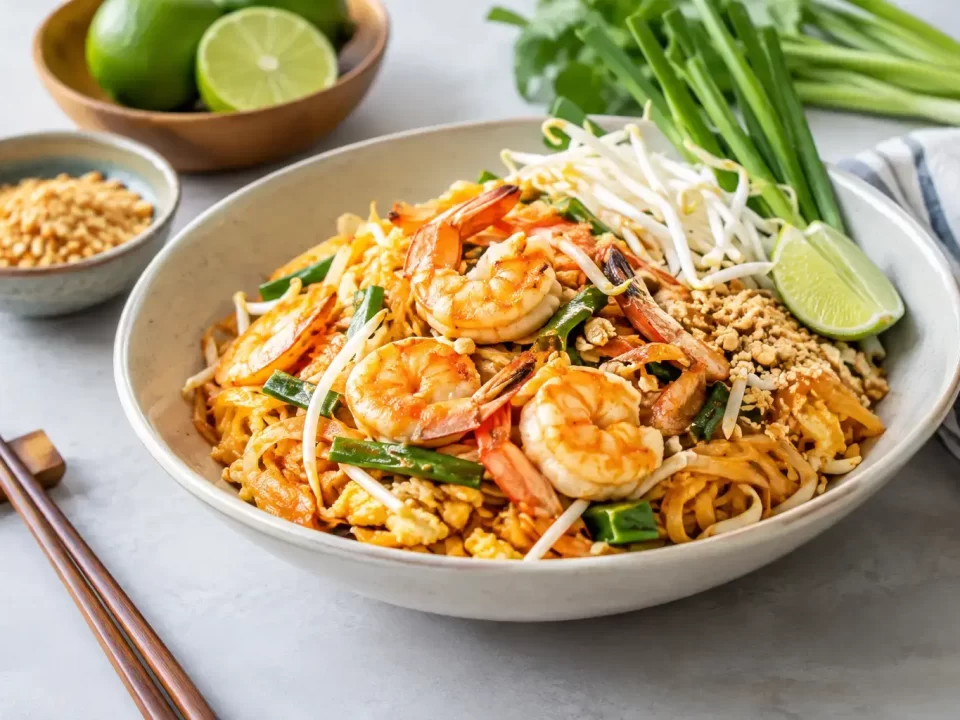
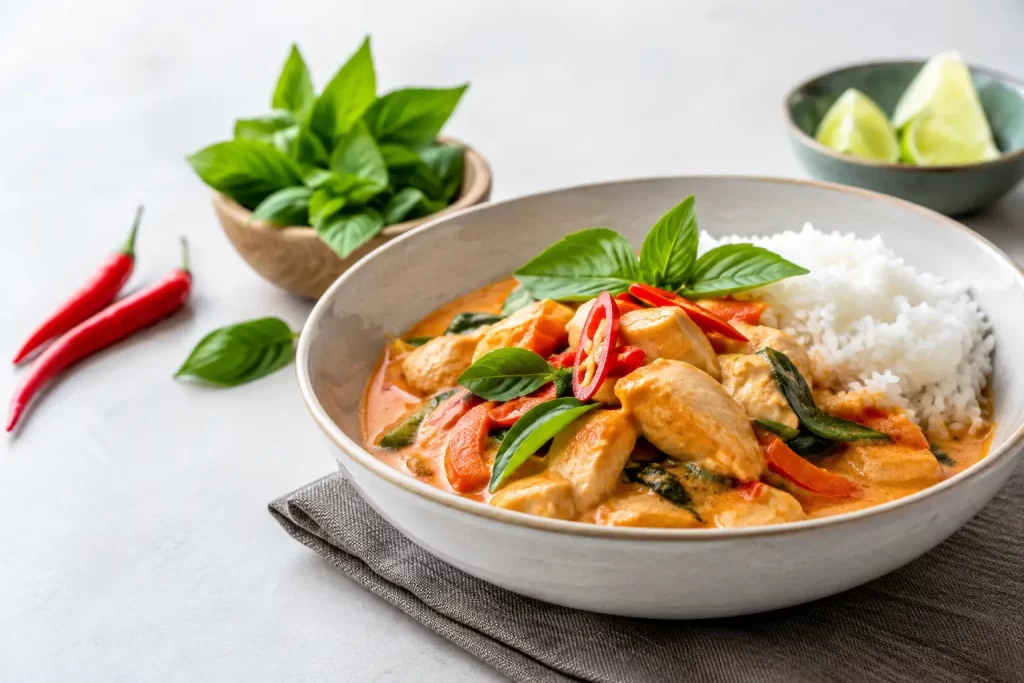
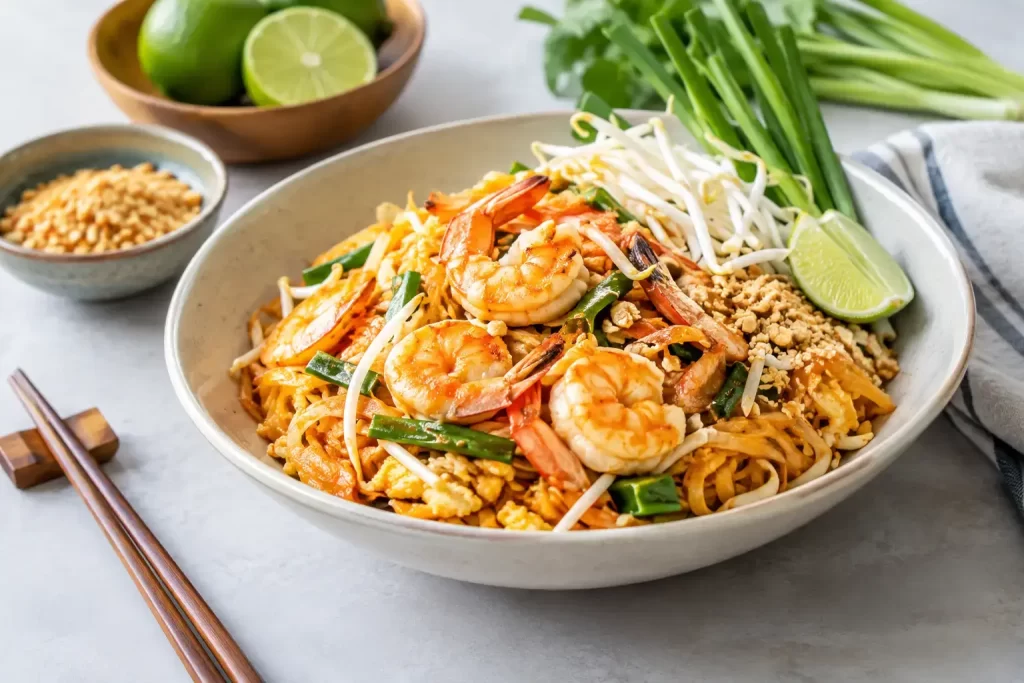
For most gatherings, choose one aromatic soup, such as Tom Yum Seafood, alongside two or three main dishes with distinct personalities. A rich curry can sit beside Pad Kra Pao, while a stir-fried vegetable dish adds color and a lighter bite. Pad Thai is a strong option when you want a familiar, filling noodle dish that both first-time Thai food diners and regular fans will enjoy.
The goal is contrast. If your curry is creamy and fragrant, pair it with something punchy and herb-forward. If a stir-fry brings heat, include a milder dish for guests who prefer gentler flavors. Rice is more than a side here – it gives guests a comfortable foundation for tasting several dishes at once.
When planning for a mixed group, consider the occasion. An office team may appreciate easy-to-serve dishes that work well in a short lunch break. A family gathering can lean into larger shared favorites and a wider range of spice levels. For a celebration, add a few colorful items that make the buffet look as lively as it tastes.
How to Arrange Thai Buffet Dishes in the Right Order
The arrangement should guide guests naturally from plate to drink without creating a traffic jam around one popular tray. Start the line with plates, bowls, napkins, and cutlery. Guests need both hands free once they begin serving, so keep these items together at the very beginning rather than scattering them around the table.
Place rice and noodles next. They are the base of the meal, and guests can portion them before moving on to saucy dishes. Keep serving spoons and tongs in every tray, with handles facing outward so people can serve comfortably without reaching across the food.
After the staples, arrange mains from mild to bold. A practical order might be a vegetable dish first, followed by a savory stir-fry, then a curry, and finally a spicier dish. This helps guests make thoughtful choices before their plates are already full. It also prevents the strongest aromas and flavors from taking over the first impression of the whole buffet.
Soup works best slightly apart from the main line, especially if space allows. A soup station needs bowls, ladles, and room for guests to move carefully. Put condiments near the end, where diners can add chili, herbs, lime, or other finishing touches after choosing their dishes. Drinks and desserts should be in a separate area whenever possible. That small decision keeps the food line moving and gives guests a reason to mingle after serving themselves.
Use Height, Color, and Labels to Make the Table Inviting
A buffet is part meal, part welcome. Guests often decide what to try with their eyes before they notice the aroma. Use different serving heights carefully: elevated platters at the back, warming trays in the center, and smaller garnish bowls or fresh herbs toward the front. This creates depth without blocking anyone’s view of the food.
Thai dishes naturally bring beautiful color to the table. Golden curries, bright herbs, red chilies, crisp greens, and steaming rice can make even a simple spread feel festive. Avoid packing every dish tightly together. A little space between trays makes the table easier to navigate and lets each dish stand out.
Clear labels matter, particularly for guests who may not know every dish by name. Include the name, a short description, and a simple indication of spice level. “Pad Kra Pao – savory Thai basil stir-fry, medium heat” tells a guest far more than a name alone. Labels also reduce hesitation, which is useful when you are serving a crowd on a schedule.
If dishes include ingredients that some guests may avoid, communicate that directly on the label or through the event host. Thoughtful labeling makes the buffet more welcoming and helps everyone enjoy the meal with confidence.
Plan Portions Around the Event, Not Just the Guest Count
The right quantity depends on what kind of meal you are serving. A lunch buffet where guests will return to work needs enough food to satisfy without overwhelming the table. A longer celebration usually calls for more variety, more rice or noodles, and a little extra room for second helpings.
As a general approach, build more volume around rice, noodles, vegetables, and crowd-pleasing mains. Offer smaller quantities of very spicy dishes or intensely flavored specialties unless you know your group loves them. The most popular tray is not always the one with the most dramatic flavor – it is often the dish that feels familiar, comforting, and easy to pair with everything else.
Keep an eye on the pace of the event. Refill smaller trays rather than placing every portion out at once. Fresh-looking food is more appetizing, and regular replenishment keeps the buffet neat. If you are arranging a catered meal, ask the caterer about expected serving duration, warming equipment, and whether dishes will be replenished during the event.
Keep Hot Food Hot and Fresh Elements Fresh
A Thai buffet is at its best when the curry is warm, the stir-fries are fragrant, and the herbs still look lively. Use suitable warming equipment for hot dishes and keep lids nearby to hold heat between servings. Do not overfill trays. Smaller, refreshed batches usually look and taste better than one large tray that sits too long.
Cold drinks, salads, and desserts need their own attention. Keep Thai milk tea chilled and positioned away from the hot-food station. Fresh garnishes such as cucumber, lime, cilantro, and chilies should be replenished in small amounts so they stay crisp and colorful.
Check the buffet regularly. Replace messy utensils, wipe spills promptly, and make sure each dish has its own serving tool. These details are not glamorous, but they are what make guests feel cared for. A well-kept buffet encourages people to try more, return for another serving, and enjoy the occasion without fuss.
Let the Buffet Match the Mood of the Gathering
There is no single perfect Thai buffet layout because every group has a different rhythm. A casual family meal may work beautifully with a compact table and a few generous dishes. A company event benefits from a longer, faster line with duplicate rice stations if the group is large. For a birthday or special get-together, give dessert and drinks their own moment so the meal ends on a fun, relaxed note.
For hosts who would rather spend time with their guests than manage trays and refills, customizable group dining and catering can make a real difference. SOI 55 Thai Kitchen brings bold, delicious Thai flavors to gatherings with a menu that feels familiar, vibrant, and made for sharing.
Set the table with appetite in mind, leave room for guests to move, and let the flavors do the talking. When the arrangement is thoughtful, a Thai buffet becomes more than a meal – it becomes the part of the gathering people keep talking about on the way home.