Thai Dine In Versus Delivery: Which Wins Tonight?
November 19, 2026
Modern Thai Cuisine for Everyday Cravings
November 23, 2026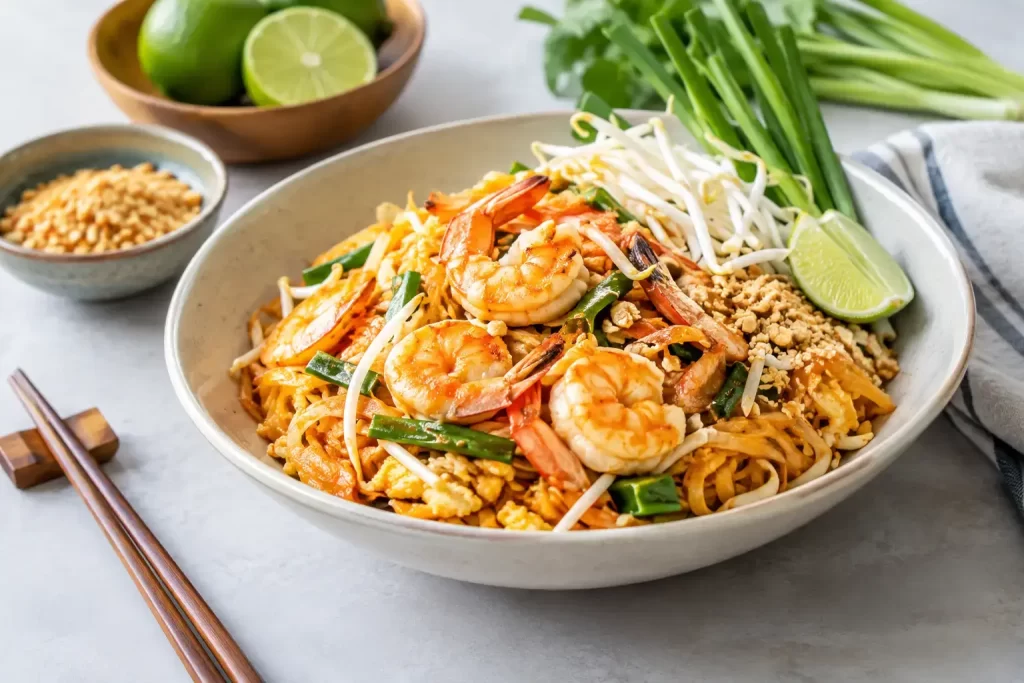
A great plate of Thai noodles does not need much introduction. The aroma arrives first: garlic in a hot wok, bright lime, savory sauce, fresh herbs, and a gentle hit of chili. Then comes the satisfying part – springy noodles that carry every bold, delicious taste. Whether you want a quick weekday lunch, a comforting dinner, or a table full of dishes to share, there is a Thai noodle dish for the moment.
Thai noodle dishes are wonderfully varied. Some are smoky and stir-fried, some arrive in a rich broth, and some are dressed with a tangy sauce that wakes up the appetite. Knowing the difference helps you order with confidence, especially when everyone at the table is craving something different.
What Makes Thai Noodles So Satisfying?
Thai cooking is built around balance. A noodle dish may bring together salty, sweet, sour, spicy, and aromatic notes in a single bite, but it should never feel one-dimensional. Fish sauce or soy-based seasonings add depth, lime gives lift, palm sugar rounds out sharp flavors, and chili brings warmth that can build slowly as you eat.
Texture matters just as much. Rice noodles can be soft and silky or pleasantly chewy depending on their width and how they are cooked. Egg noodles offer a fuller bite, while glass noodles are light, springy, and excellent at soaking up sauce. Add crisp bean sprouts, chopped peanuts, vegetables, or herbs, and the dish becomes more than a bowl of carbs. It is a complete, lively meal.
That range is why Thai noodles work so well for everyday dining. A solo diner can enjoy a fast, filling plate, while couples and groups can order different styles and compare flavors across the table. One person may want bright tamarind and lime; another may be looking for a deeper, more savory wok-charred finish.
Thai Noodles to Know Before You Order
Pad Thai: Tangy, Savory, and Familiar
Pad Thai is often the first Thai noodle dish people recognize, and for good reason. Flat rice noodles are stir-fried with a balanced sauce, then paired with ingredients such as egg, tofu, bean sprouts, chives, and crushed peanuts. A wedge of lime is not just decoration. Squeeze it over the noodles to sharpen the flavor and make each bite feel lighter.
A well-made Pad Thai should be flavorful without becoming overly sweet or wet. The noodles should hold together, the sauce should cling rather than pool, and the peanuts should bring a nutty crunch. It is an easy choice for diners who enjoy a little sweetness alongside tang and savory depth.
Pad See Ew: Comfort From the Wok
If Pad Thai is lively and tangy, Pad See Ew leans into savory comfort. Broad rice noodles are stir-fried over high heat with dark soy sauce, egg, leafy greens, and your choice of protein. The appeal is in the wok aroma and the slightly caramelized edges of the noodles.
This is a particularly good pick when you want a less tangy, more mellow dish. It is also a reliable choice for sharing with diners who prefer gentler heat. Add chili flakes or a little fresh chili at the table if you want more fire, rather than assuming every noodle dish needs to arrive at maximum spice.
Drunken Noodles: Big Flavor, Bold Heat
Drunken noodles, often known as Pad Kee Mao, are made for diners who like their meal with real personality. Wide noodles meet garlic, chili, basil, vegetables, and a savory sauce that is aromatic and deeply satisfying. The basil is key. Its peppery, fragrant character gives the dish a distinct Thai finish.
Heat levels can vary from kitchen to kitchen, so this is a dish where personal preference matters. If you enjoy chili but still want to taste the herbs and sauce, a medium level is often a smart starting point. For people who chase the full chili experience, this is usually the noodle plate that delivers.
Thai Glass Noodles: Light, Springy, and Shareable
Glass noodles have a different kind of appeal. Their translucent strands are delicate-looking but surprisingly satisfying, absorbing the flavors of sauce, garlic, seafood, vegetables, and herbs. They are often served in a clay pot or as part of a shared meal, making them a great addition when the table is already ordering curries, grilled dishes, or a bright salad.
Because glass noodles carry sauce so well, they can taste rich even while feeling lighter than a broad rice noodle dish. They are a good option when you want variety on the table instead of ordering several similar stir-fries.
How to Choose the Right Thai Noodle Dish
Start with the flavor you are craving. Choose Pad Thai when you want tangy, nutty, and balanced. Go for Pad See Ew when savory, smoky wok flavor sounds right. Pick drunken noodles when basil and chili are calling your name. If you want a lighter-textured noodle that works beautifully with shared dishes, glass noodles are an excellent move.
Then think about the occasion. For a fast lunch between meetings, a familiar stir-fried noodle dish is satisfying without requiring much decision-making. For a relaxed dinner with friends, order noodles alongside Tom Yum, a vegetable dish, and a few small plates so the table has contrast. Noodles are filling, but Thai dining is at its best when every spoonful gives you a new flavor to enjoy.
Your heat preference deserves consideration, too. Chili is not simply about intensity. It can bring fruitiness, warmth, and depth, especially when balanced by lime and herbs. If you are unsure, ask for a moderate level and add more heat as you go. That approach lets the dish stay flavorful rather than letting spice take over everything else.
Make Every Bite Better
The condiments on the table are part of the experience, not an afterthought. Lime can brighten a rich stir-fry. Crushed peanuts add texture. Chili flakes offer a dry, direct heat, while chili sauces can bring sweetness or acidity depending on the recipe. Taste the dish first before adding anything. A good Thai noodle plate already has its own balance, and a small adjustment can take it from delicious to exactly right for you.
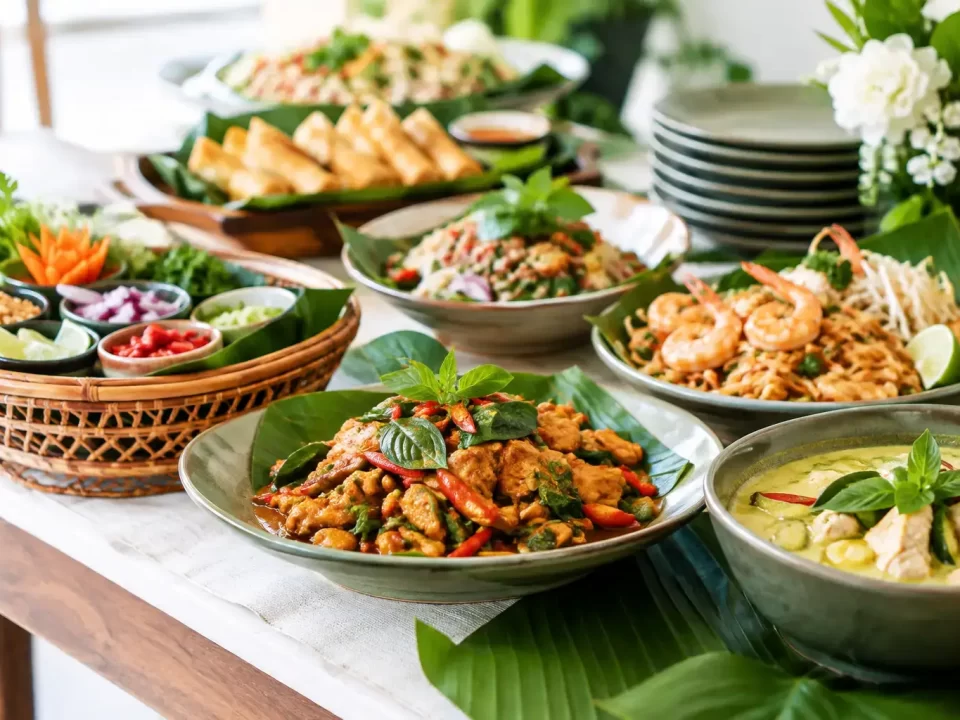
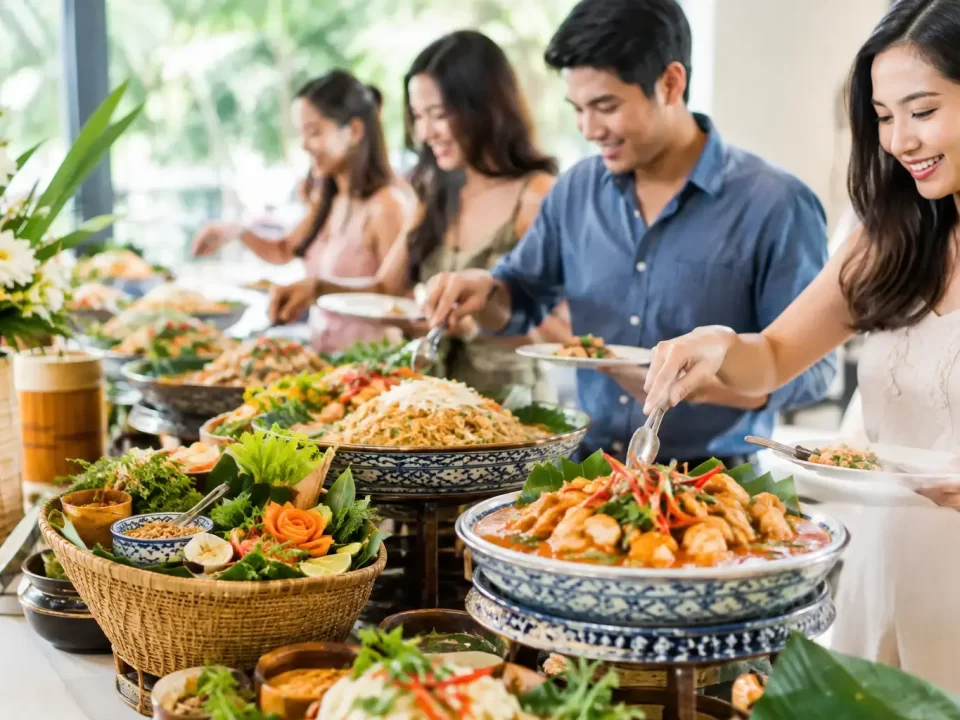
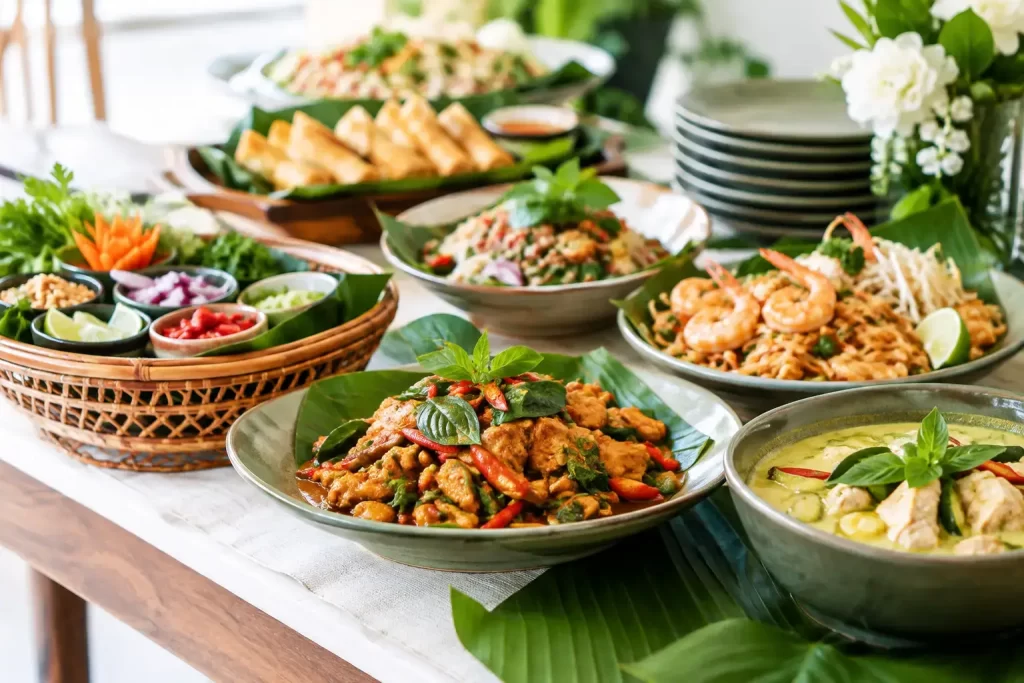
For group dining, it helps to avoid ordering every dish in the same flavor lane. Pair a smoky noodle dish with a soup that has a clear, aromatic broth. Add something crisp or herb-forward to keep the meal fresh. If Thai milk tea is on the table, its creamy sweetness can be a welcome contrast after a few chili-filled bites.
At SOI 55 Thai Kitchen, the best noodle meals are not rushed into a single order. They are built around what the table feels like eating: a comforting plate of Pad Thai after work, a spicy noodle dish for friends who love heat, or several Thai favorites shared over easy conversation.
The next time you are choosing from a Thai menu, follow your appetite rather than playing it safe. Pick the noodle dish that matches your mood, add a squeeze of lime, and let the bold flavors do the rest.