What Is Tom Yum Seafood? A Flavor Guide
June 18, 2026
Best Thai Restaurant Putrajaya Diners Crave
June 22, 2026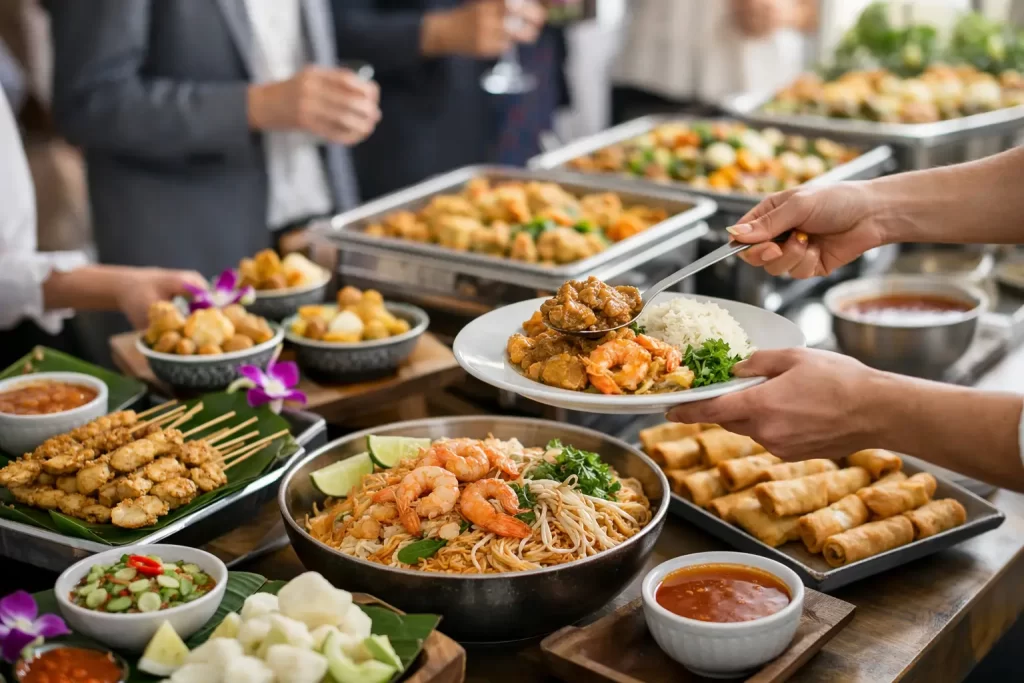
A tray of fragrant Pad Thai and a bubbling pot of Tom Yum can lift the mood of a room before the first speech starts. That is why knowing how to plan Thai catering matters more than people think. Thai food brings energy to the table – bright herbs, savory heat, fresh textures, and familiar favorites that make office lunches, birthdays, weddings, and family gatherings feel lively from the start.
The best part is that Thai catering can work for almost any event style. The challenge is making smart choices early, because a great dine-in meal and a great catered meal are not always planned the same way. Some dishes travel beautifully. Some are better for a fast lunch crowd than a long wedding program. Some guests want bold spice, while others just want comfort and variety.
How to plan Thai catering for the kind of event you are hosting
Start with the event itself, not the menu. A corporate lunch, open house, engagement party, and baby shower all ask for different pacing, portioning, and presentation. If you begin by listing dishes you personally love, you may end up with a spread that is delicious but awkward to serve.
For office events, think speed and convenience. Guests usually want food that is easy to portion, familiar, and satisfying without slowing down the schedule. Noodles, fried rice, curry with rice, and bite-friendly appetizers tend to work better than dishes that require extra assembly or constant reheating.
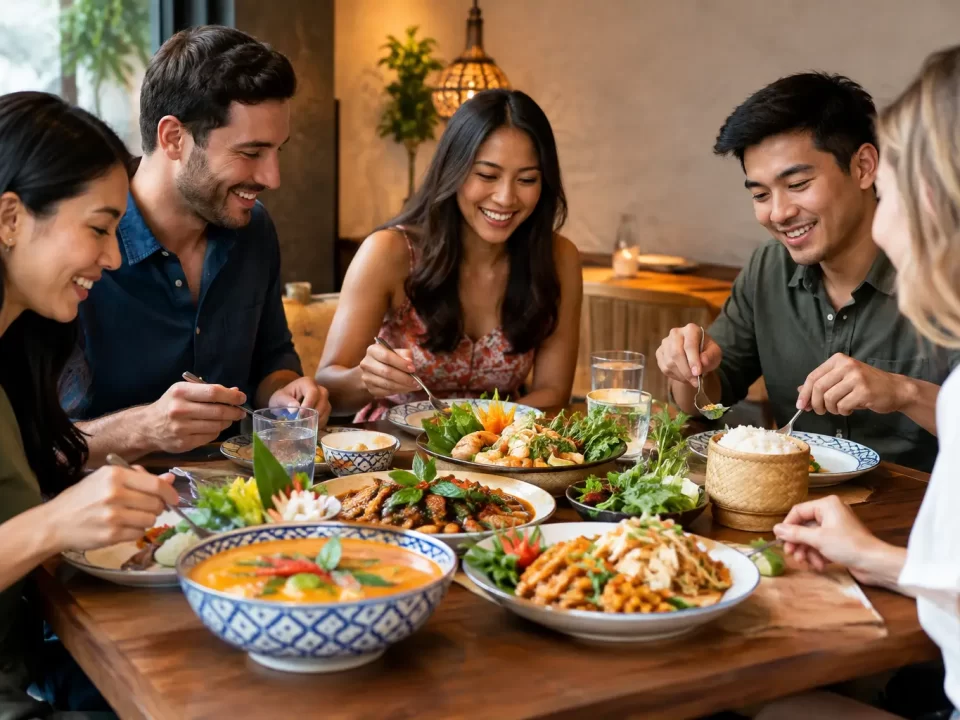
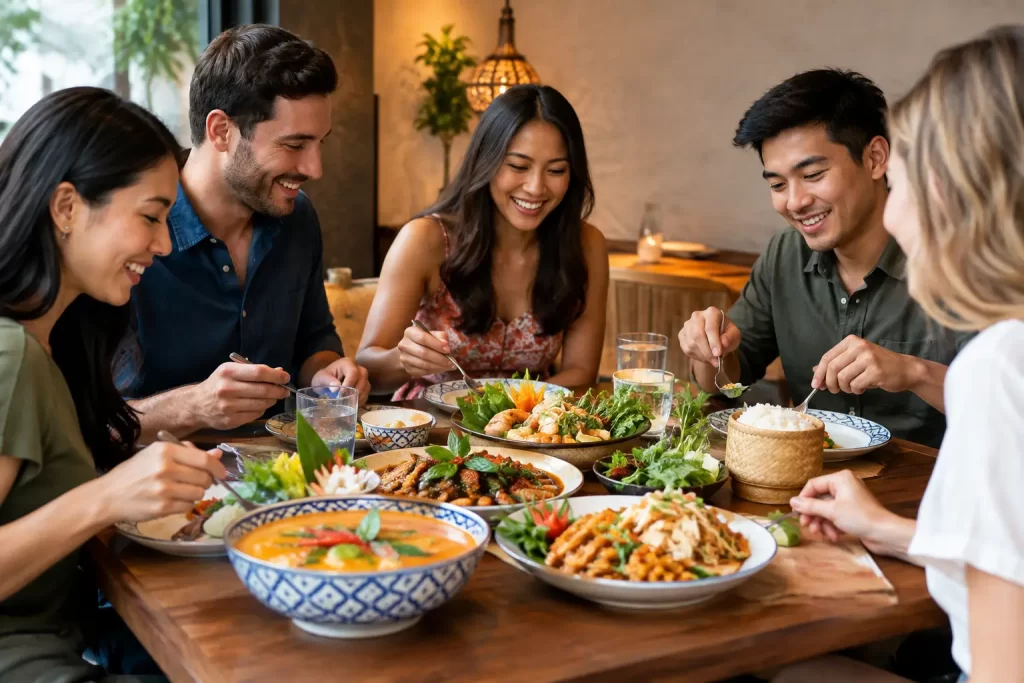
For celebrations at home, you usually have more room to create a generous, social spread. This is where Thai catering really shines. Guests can move between spicy, savory, creamy, and refreshing dishes, and the meal feels festive without becoming too formal.
Weddings and larger functions need another layer of planning. You have to think about serving windows, holding temperatures, and how long dishes stay appealing once they are out. A menu that tastes amazing in the first 15 minutes may not be the best choice if guests will be eating over two hours.
Build a menu around balance, not just favorites
Thai food is exciting because it plays with contrast. Rich curry tastes better next to something lighter. A spicy dish feels more complete when there is a mellow option beside it. If every item is heavy, creamy, or hot, the table can start to feel repetitive.
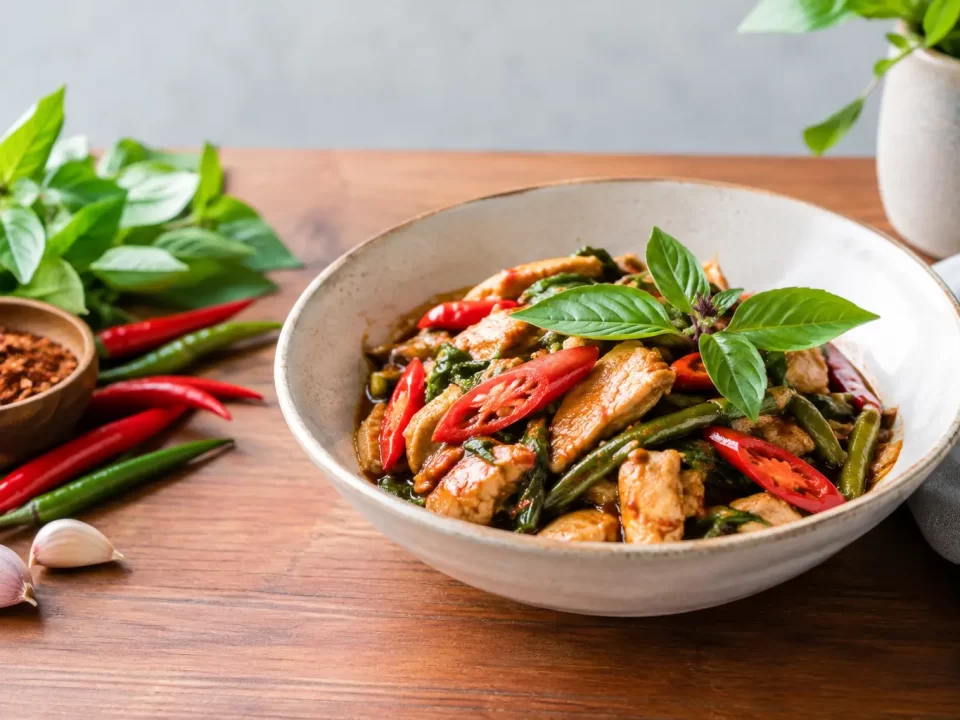
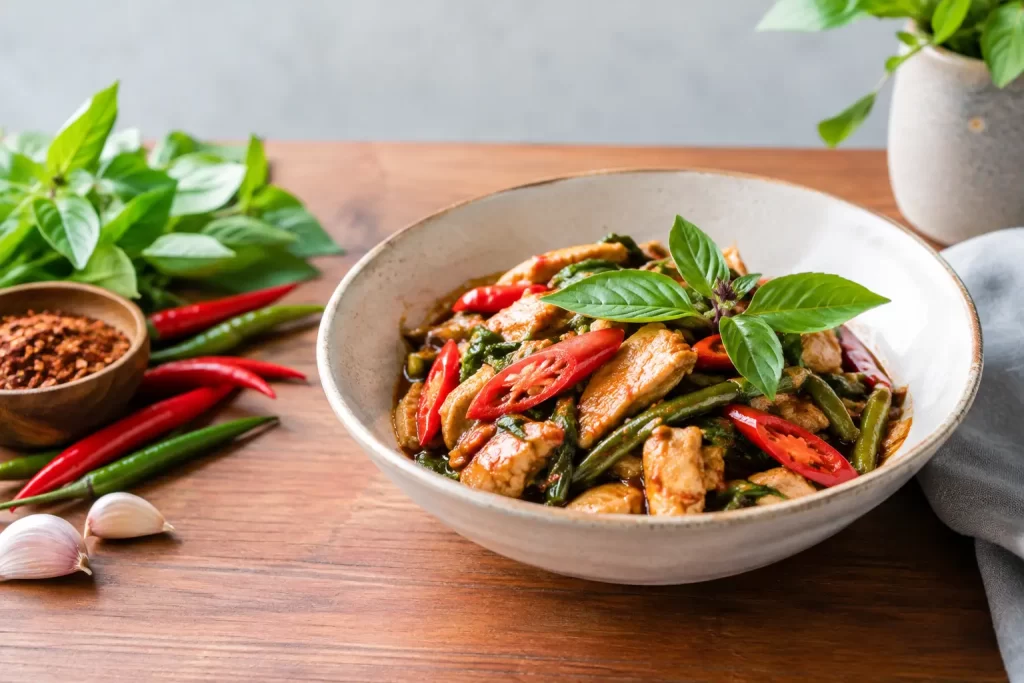
A strong catered Thai menu usually includes a balanced mix of staples. Think of it in layers: one noodle or rice anchor, one curry, one stir-fry, one soup if the setup allows it, and a few sides or snacks that add crunch and variety. Signature dishes like Tom Yum Seafood, Pad Thai, and Pad Kra Pao are popular for a reason – they are recognizable, satisfying, and easy for a wide range of guests to enjoy.
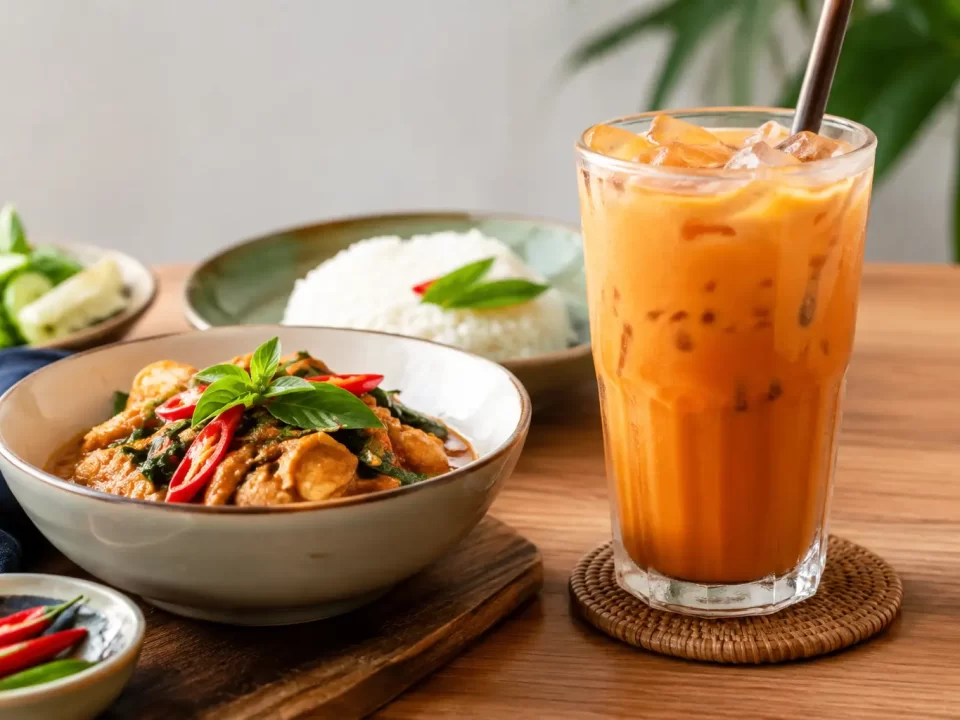
It also helps to mix comfort with boldness. Pad Thai is familiar and approachable. Tom Yum brings that unmistakable Thai kick. Thai Milk Tea adds a sweet, crowd-pleasing finish. When you combine easy wins with more vibrant dishes, the menu feels exciting without becoming risky.
There is one trade-off to watch. If you try to offer too many choices, portions can shrink and the menu can lose focus. For smaller gatherings, fewer well-chosen dishes usually feel more generous than a long lineup of tiny trays.
Choose dishes that travel well
Not every restaurant favorite performs the same way in catering. Crispy items can soften during transport. Delicate herbs can wilt. Dishes with noodles may absorb sauce over time if they sit too long.
That does not mean you should avoid those categories. It just means you should ask what works best for delivery timing and service style. Stir-fries with bold sauces often hold up well. Curries travel beautifully when packed properly. Rice dishes are dependable for larger groups. Soups can be excellent if they are handled with care and served soon after arrival.
A good caterer will guide you here. If a dish is spectacular in the restaurant but less ideal for a two-hour buffet, you want honest advice, not a blind yes.
Get the portions right without overordering
One of the easiest ways to miss the mark is to underestimate how guests eat at group events. With Thai food, people usually want to sample more than one dish. That is part of the fun. So portion planning should account for variety, not just single-plate eating.
Guest profile matters. A working lunch for a hungry office team may need heartier portions than an afternoon celebration with drinks and dessert. A family event with children may lean more heavily on rice and noodles. Evening receptions often involve lighter sampling, especially if there are other food stations.
The safest approach is to share your guest count, event duration, and audience mix clearly with the caterer. Mention whether the meal is the main attraction or one part of a larger program. That context changes how much food you need.
Overordering has a cost, but underordering has a bigger one. Running out of the most popular dish early can make an otherwise well-planned event feel disappointing.
How to plan Thai catering with the right spice level
This is where many hosts hesitate, and fairly so. Thai cuisine is known for bold and delicious tastes, but not every guest has the same tolerance for heat. The goal is not to flatten the menu. It is to create a spread where everyone has something they can enjoy.
A smart approach is to offer a range. Include one or two dishes with clear chili presence, then balance them with milder options that still deliver flavor. Thai food should never feel bland just because it is less spicy. Aromatics, herbs, savory sauces, and citrus notes can still carry the meal beautifully.
If your guest list includes colleagues, extended family, or mixed age groups, moderate spice usually works best as the default. Then, if possible, let guests add more heat at the table. That keeps the meal inclusive without losing character.
For groups that already love Thai cuisine, you can be more adventurous. Just make sure the menu still has a few softer landing spots. Not every plate needs to challenge the room.
Do not forget drinks and finishing touches
Catering decisions often focus so heavily on mains that drinks become an afterthought. That is a mistake, especially with Thai food. A cooling beverage rounds out spicy dishes and helps the meal feel complete.
Thai Milk Tea is a natural favorite because it is nostalgic, refreshing, and easy for guests to enjoy. Depending on the event, you may also want simple bottled drinks or lighter options that complement the food rather than compete with it.
If dessert is part of the plan, keep it practical. A catered event does not always need an elaborate sweets table. Sometimes one dependable, well-loved finish is enough.
Match the service style to the space
How the food is served affects the guest experience just as much as what is on the menu. Buffet-style service suits most Thai catering because it encourages variety and keeps the atmosphere relaxed. Guests can build their plates around what they like, and hosts can manage larger groups more easily.
Individually packed meals make more sense for meetings, trainings, and events with fixed seating or tight timing. They are also useful when you want cleaner distribution and less queueing. The trade-off is that guests get less freedom to sample across dishes.
For home gatherings, shared trays can create a warmer, more social experience. Thai food is built for communal enjoyment, and that spirit comes through when people pass dishes around and talk over second helpings.
Space matters here. If the venue has limited tables, no heating setup, or a narrow serving area, a simpler menu often performs better. A thoughtful spread in the right format always beats an ambitious setup that feels cramped.
Work backward from the event timeline
One practical detail gets overlooked all the time: when the food actually needs to taste its best. If your event starts at 1:00 p.m. but lunch begins after a presentation at 1:45, that affects what should be delivered and when.
Build your catering plan around the real eating window. Confirm delivery timing, setup time, serving duration, and whether food needs to stay warm for an extended period. This is especially important for corporate events and larger functions where schedules can slip.
If you are ordering from a trusted Thai restaurant with strong catering experience, ask for recommendations based on timing, not just taste. A team that understands both food and event flow can save you from preventable problems.
For hosts in busy areas like Kuala Lumpur, Subang Jaya, or Shah Alam, local traffic and building access can also shape your delivery plan. A little timing buffer goes a long way.
The best Thai catering does more than feed a crowd. It sets a mood, sparks conversation, and brings the heart of Thailand to your table in a way that feels generous and memorable. Plan with balance, choose dishes that fit the moment, and your guests will remember the meal long after the event ends.