How to Plan a Corporate Thai Banquet for Teams
October 22, 2026
10 Best Thai Desserts Malaysia Diners Should Try
October 26, 2026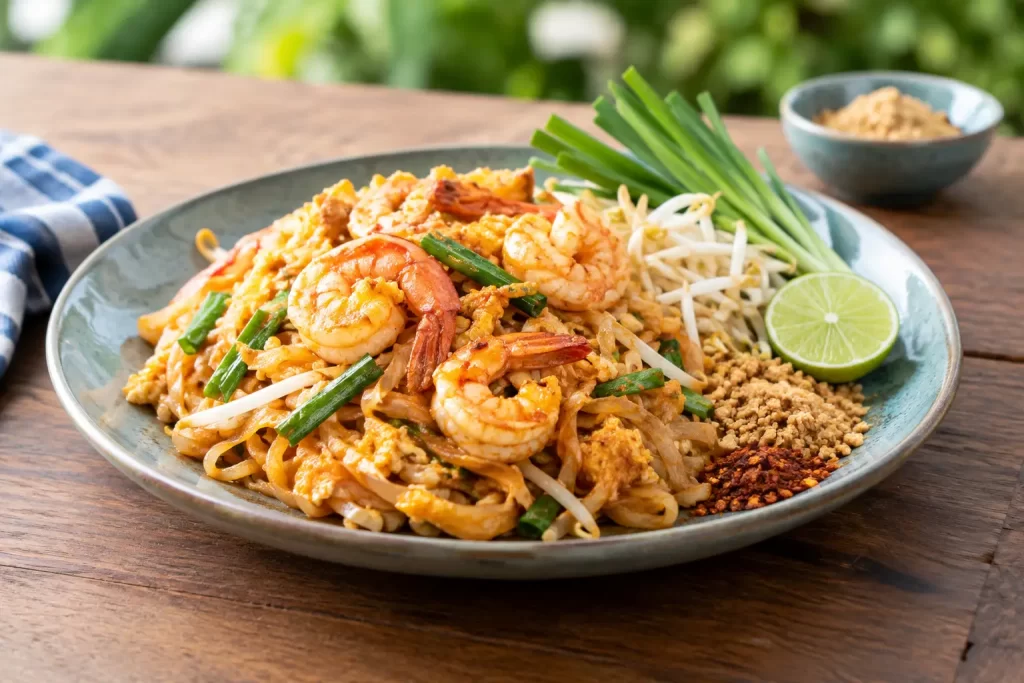
The first forkful of Pad Thai should never taste flat. It should bring a lively mix of tangy tamarind, savory sauce, tender rice noodles, fresh crunch, and just enough heat to make you reach for another bite. That contrast is exactly why this Thai street-food favorite has earned a place on so many Malaysian dining tables, from quick weekday lunches to relaxed dinners with family and friends.
At its best, Pad Thai is comfort food with real character. It is filling without feeling heavy, familiar while still full of bright Thai flavor, and easy to enjoy whether you are dining alone or ordering a spread for the table. The dish may look simple, but creating a memorable plate takes balance, timing, and a good understanding of how every ingredient plays its part.
Pad Thai Is Built on Balance
Pad Thai is often described as stir-fried noodles, but that description misses the point. The flavor is what makes it special. A proper sauce brings sweet, sour, salty, and savory notes together, with tamarind providing the unmistakable tart edge that keeps the dish from becoming overly rich.
The sweetness should round out the sauce rather than take over. Saltiness gives the noodles depth, while chili adds a gentle warmth or a stronger kick depending on your preference. Then come the bright finishing touches: a squeeze of lime, crunchy roasted peanuts, and fresh bean sprouts. Each one wakes up the noodles in a different way.
That balance is also why Pad Thai works so well for everyday dining. It delivers layers of flavor in one plate, without requiring diners to choose between something comforting and something exciting. One bite may be pleasantly tangy, the next a little nuttier or spicier. It keeps the meal interesting from start to finish.
What Makes a Great Plate of Pad Thai
A satisfying Pad Thai begins with rice noodles that are properly prepared. They should be soft enough to absorb the sauce, yet springy enough to hold their shape in the wok. Overcooked noodles can turn clumpy and dull, while noodles that are too firm will not carry the flavors evenly.
Heat matters just as much. Stir-frying over high heat gives the ingredients a quick, fragrant finish and helps the sauce cling to every strand. This is not a dish that benefits from sitting around for too long. Pad Thai is at its most enjoyable when it arrives hot, freshly cooked, and ready to be dressed with lime and peanuts.
The Sauce Sets the Mood
The sauce is where a cook’s judgment shows. Tamarind gives the dish its signature tang, while palm sugar or another sweet element softens the sharper notes. Fish sauce is commonly used for savory depth, and chili can be adjusted to match the diner’s appetite for heat.
There is no single flavor that should dominate. If it is too sweet, the dish loses its freshness. If it is too sour, the noodles can feel harsh. If it is too salty, the other ingredients disappear. The best versions taste rounded and lively, with enough depth to make a simple bowl of noodles feel complete.
Texture Is Part of the Pleasure
Pad Thai is not only about sauce and noodles. Texture gives it the street-food energy people love. Tender noodles meet crisp bean sprouts, while crushed peanuts add a roasted crunch. Chives or other fresh greens bring color and a light onion-like lift.
Lime is more than a garnish. A final squeeze cuts through the savory sauce and lets diners tune the dish to their own taste. Some people enjoy a brighter, tangier finish; others prefer to let the sauce lead. That small act of customizing a plate makes Pad Thai feel personal every time.
Why Pad Thai Fits the Weekday Table
For busy professionals, couples deciding where to eat, or families looking for a crowd-pleasing dinner, Pad Thai offers a reliable answer. It has enough substance to satisfy a real appetite, but its bold sweet-sour profile keeps it from feeling like a routine noodle dish.
It is especially welcome in the middle of the week, when a meal out should feel like a treat without becoming complicated. A plate of freshly stir-fried noodles can turn an ordinary Wednesday into a flavorful break from work, errands, and home cooking. It is comforting, shareable, and recognizable even for diners who are still getting to know Thai cuisine.
The dish also suits different dining moods. Order it as a quick lunch when time is short, enjoy it alongside a chilled Thai milk tea for an easy casual meal, or make it part of a larger table with soup, grilled dishes, and vibrant salads. Pad Thai does not demand all the attention, but it belongs naturally in a generous Thai spread.
Pad Thai for Groups and Shared Meals
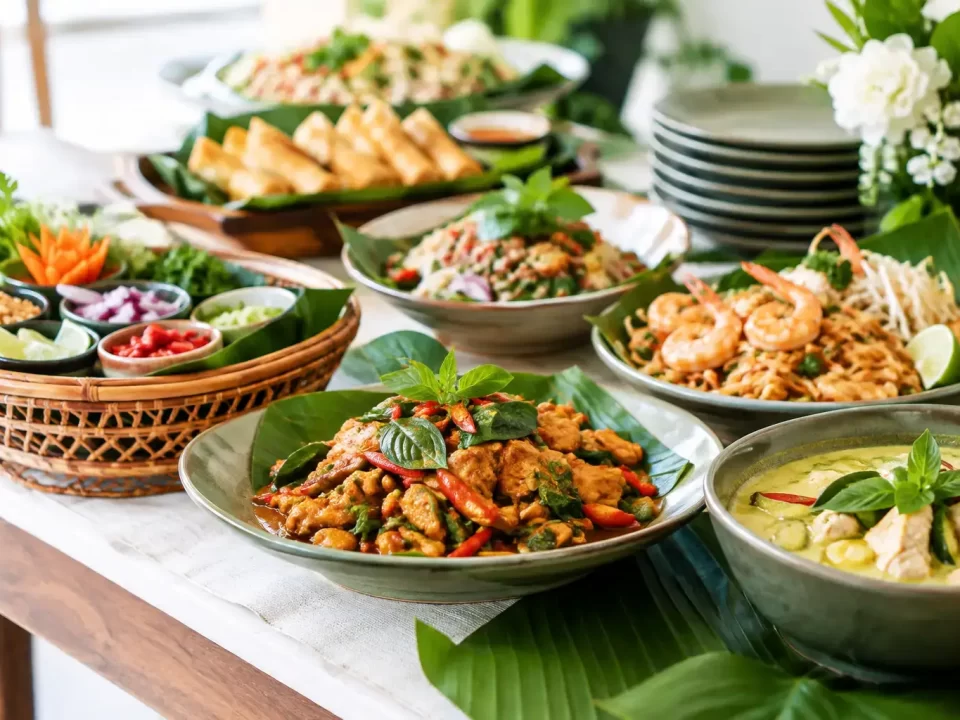
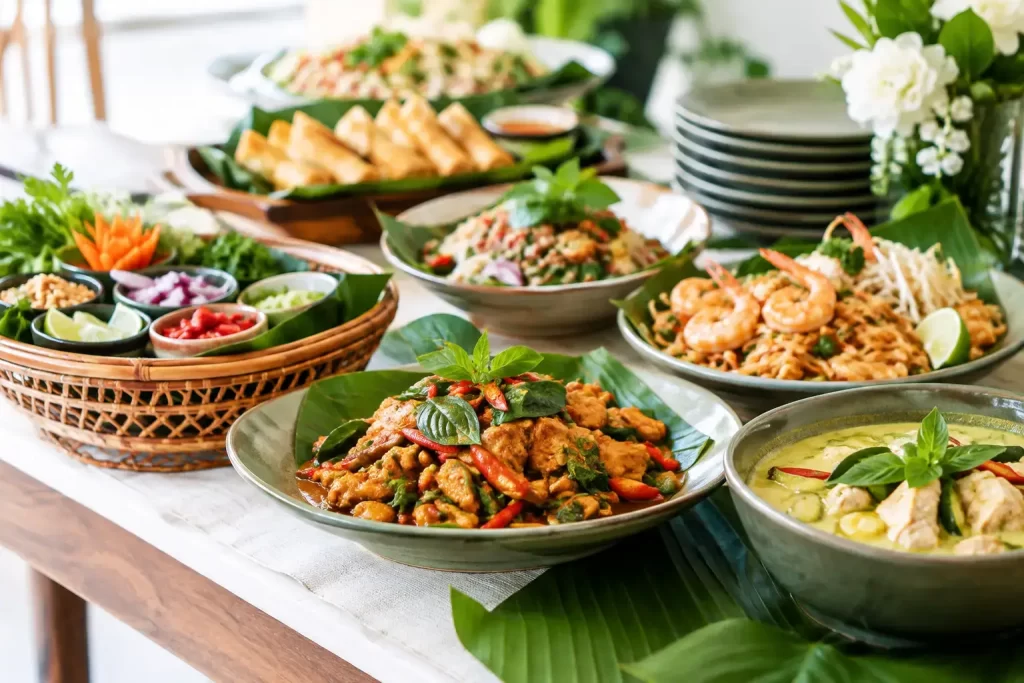
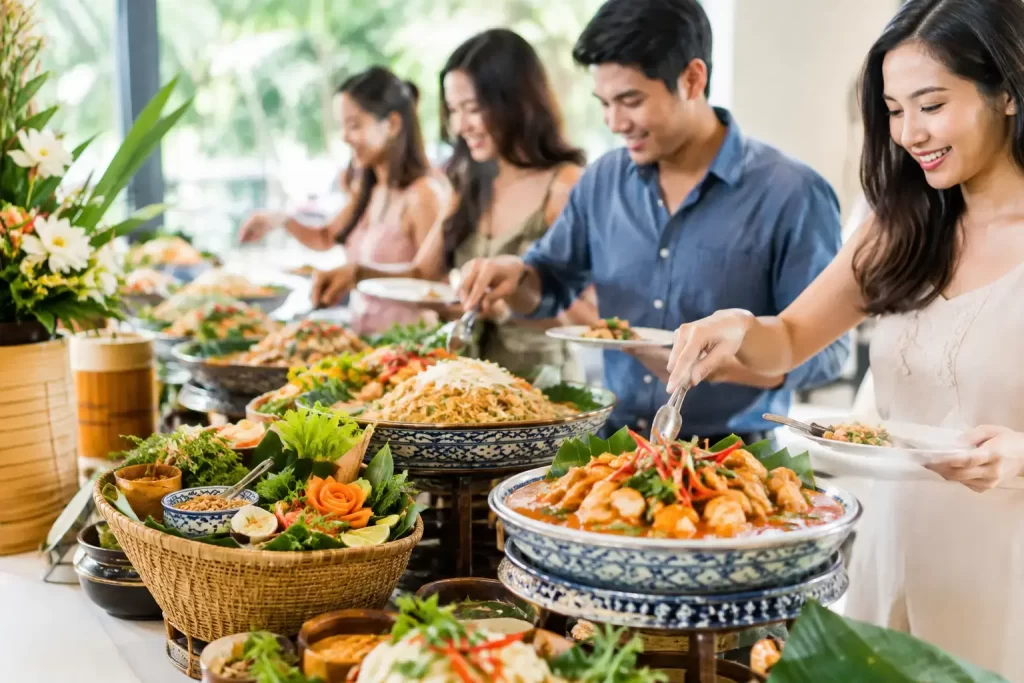
Thai food is made for the center of the table. While Pad Thai is delicious as a meal on its own, it becomes even more enjoyable when paired with dishes that bring contrasting flavors. A bright, spicy soup can add warmth and aroma, while a herb-forward stir-fry offers a punchier savory note. Crispy appetizers add another texture before the noodles arrive.
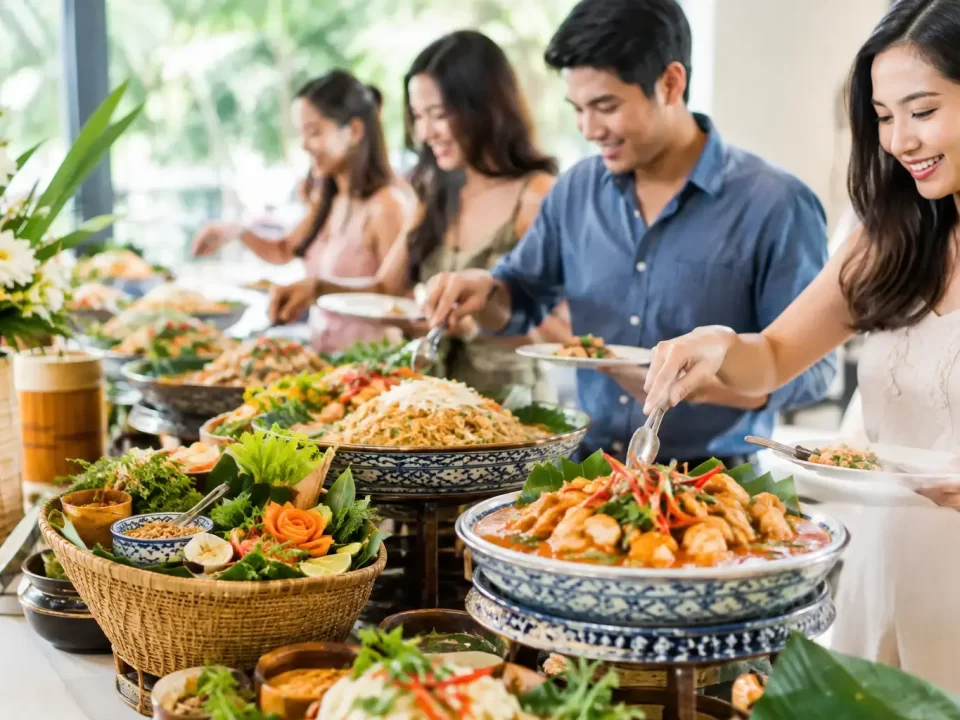
For group dining, the key is variety. Pad Thai provides the familiar, satisfying base, especially for guests who want a dependable noodle choice. Around it, diners can explore bolder Thai dishes at their own pace. This makes it an easy fit for office lunches, birthday meals, family gatherings, and casual catch-ups with friends.
Portion and pace matter, too. When sharing several dishes, order Pad Thai as one flavorful part of the table rather than the only centerpiece. That way, everyone gets a taste of the noodles while leaving room for the spicy, sour, creamy, and aromatic flavors that make Thai dining so much fun.
A Familiar Dish With Room for Personality
Pad Thai is famous around the world, but it should not be treated as a fixed formula. Every kitchen may bring a slightly different hand to the sauce, the wok, and the final garnish. Some plates lean brighter and more tamarind-forward. Others are deeper, nuttier, or more chili-led. The best choice depends on what you enjoy.
That flexibility is part of the dish’s charm. Diners can ask for their preferred protein, add more lime, sprinkle on extra peanuts, or bring up the heat with chili. A good Pad Thai meets you where you are, whether you prefer mild comfort or a sharper Thai-style kick.
At SOI 55 Thai Kitchen, this spirit of approachable Thai dining matters. The goal is not to make Thai food feel distant or formal. It is to serve bold, delicious tastes that fit naturally into the way neighborhoods eat, gather, celebrate, and take a well-deserved break.
Make Your Next Noodle Order Count
When choosing Pad Thai, look for the details: noodles that are freshly stir-fried, sauce with a clear tangy-sweet balance, and garnishes that still have crunch and freshness. A wedge of lime on the side is a good sign that the final flavor is meant to be yours to finish.
Whether it is a quick meal between meetings or one dish among a table full of Thai favorites, Pad Thai proves that everyday dining can still feel full of color, aroma, and excitement. Order it hot, add lime to taste, and let every forkful bring a little more of Thailand to your table.