Soi 55 Thai Kitchen Enters the Malaysia Book of Records for the Most Variety of Pad Kra Pao
May 14, 2026
What Makes an Authentic Thai Food Menu?
May 16, 2026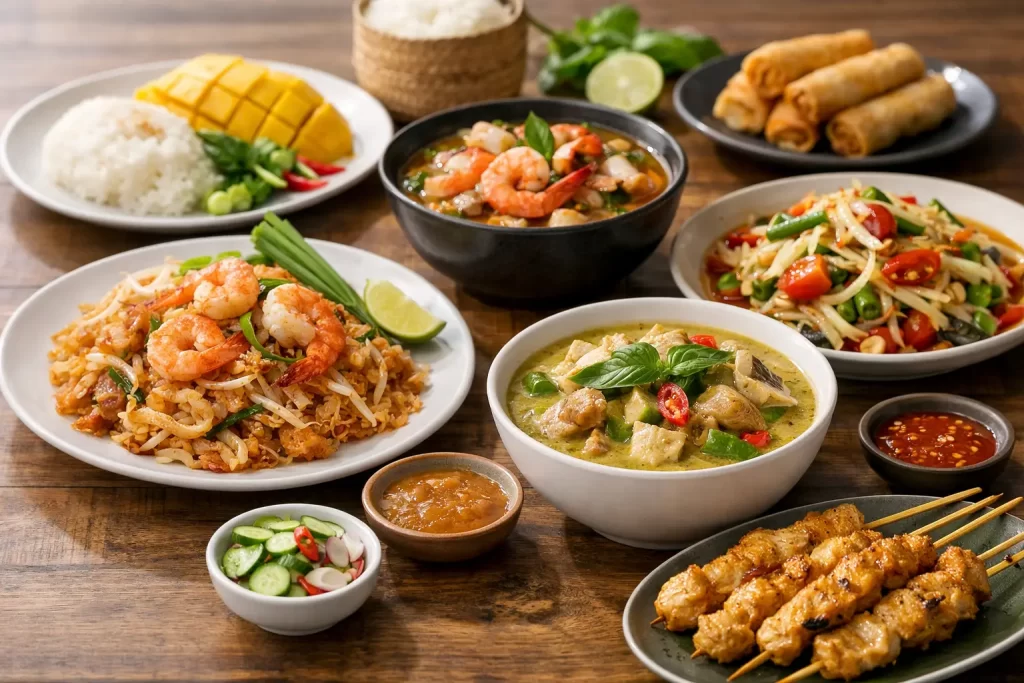
One spoonful of hot Tom Yum, one forkful of smoky Pad Thai, one sip of creamy Thai Milk Tea – and the argument starts to feel settled. If you have ever wondered why Thai food is the best, the answer usually hits before anyone at the table finishes talking. Thai food has a way of waking up your appetite, keeping every bite interesting, and making a meal feel like something worth gathering for.
That appeal is not just about spice, although the spice certainly helps. Thai cuisine stands out because it knows how to do contrast better than almost any other food culture. It can be hot, sour, sweet, salty, herbal, rich, and refreshing in the same meal, sometimes in the same bite. For diners who want food with personality, that balance is hard to beat.
Why Thai food is the best for flavor lovers
A lot of cuisines do one thing especially well. Some are great at comfort, some at heat, some at freshness, and some at richness. Thai food feels different because it refuses to choose just one lane. It gives you bold and delicious tastes that bounce off each other.
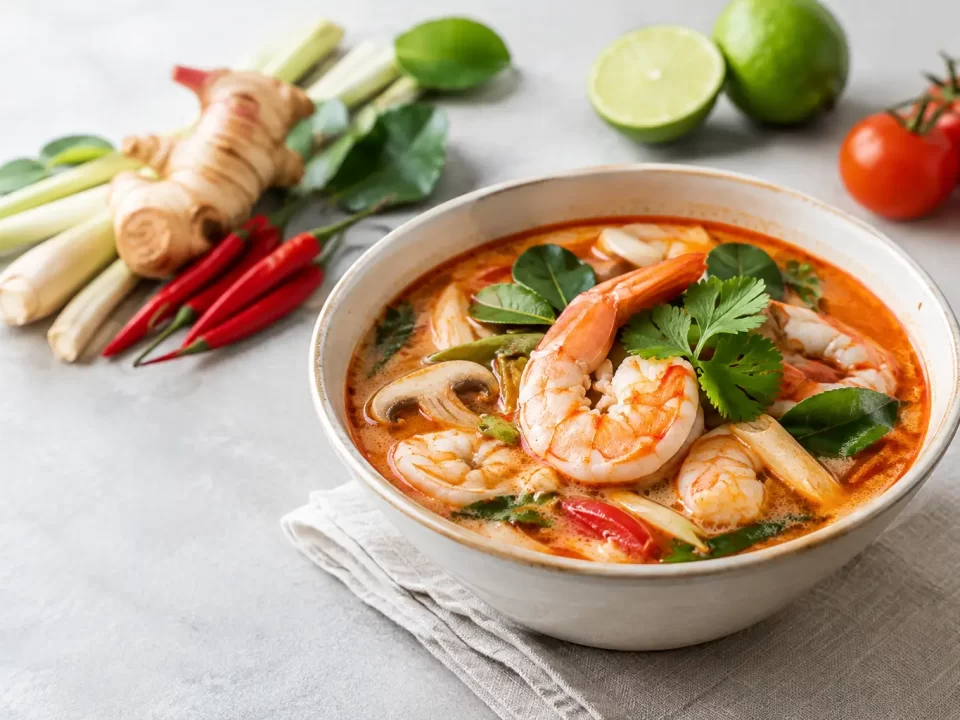
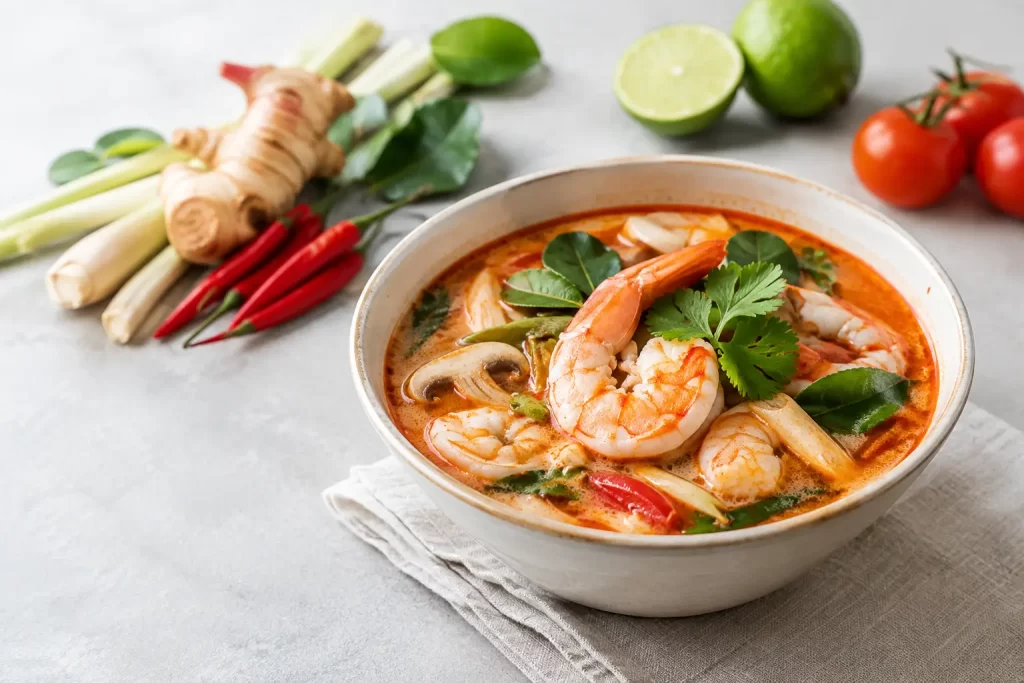
Think about a proper Tom Yum Seafood. The broth is spicy and sour, but it is also fragrant and layered. The herbs do not sit quietly in the background. They announce themselves. Then there is lime cutting through richness, chilies building warmth, and seafood adding sweetness of its own. It is not a flat flavor. It moves.
That movement is a big reason people keep coming back. Thai food rarely gets boring halfway through the meal. The first bite is exciting, but the tenth still has something to say. For diners who are used to meals that become heavier or duller as they go, Thai dishes often feel more alive.
Of course, taste is personal. Some people prefer milder food, while others chase maximum heat. Thai cuisine works for both because the best versions are not only spicy. The real strength is balance. Spice matters, but so do acidity, sweetness, texture, and aroma. That is what makes it memorable rather than just fiery.
It understands the social side of eating
One of the strongest cases for why Thai food is the best has nothing to do with a single dish. It is about the table. Thai food is naturally generous and social. You do not order one big plate and go quiet. You order a mix, pass things around, compare favorites, and keep reaching back for one more bite.
That matters more than people sometimes admit. A great cuisine is not only delicious on paper. It has to work in real life – for family dinners, catch-ups with friends, office lunches, birthday meals, and spontaneous cravings after work. Thai food fits those moments beautifully because it is made for sharing without feeling complicated.
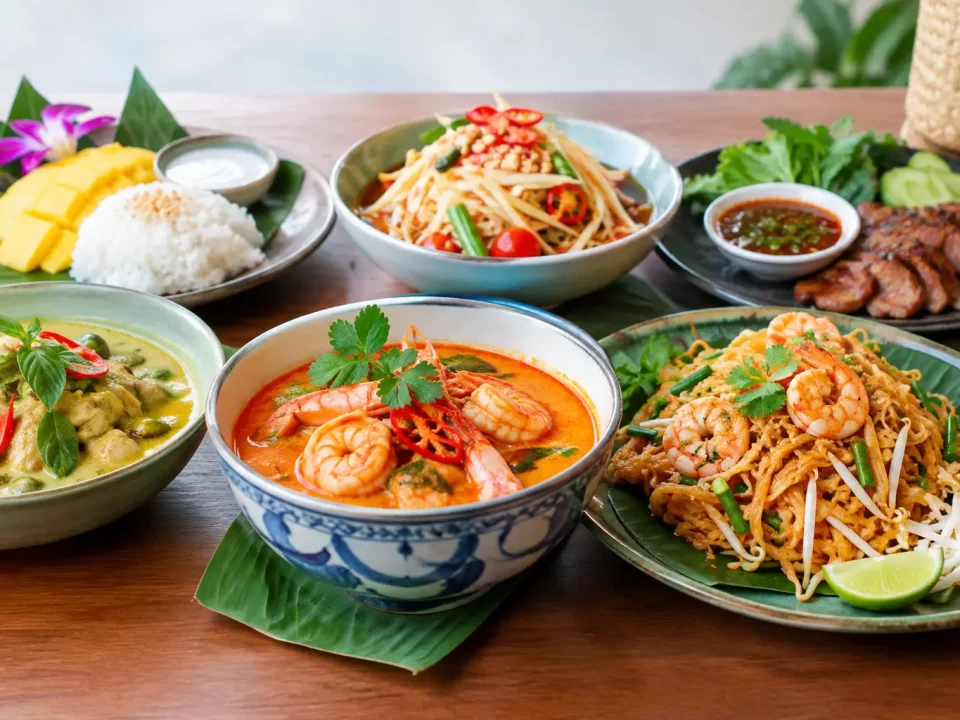
A table with Pad Kra Pao, curry, stir-fried vegetables, seafood, rice, and drinks instantly feels lively. Everyone gets variety. Everyone finds something they like. If one person wants something hearty and another wants something fresher or spicier, the meal still comes together easily.
That flexibility is one reason Thai restaurants stay popular with mixed groups. It is hard to please everybody. Thai food often gets surprisingly close.
The best Thai dishes give comfort without being boring
There is comfort food, and then there is comfort food with energy. Thai cuisine does both. It can be deeply satisfying while still feeling bright and fresh.
Pad Thai is a perfect example. It is familiar enough to be approachable, but it is never plain when done well. You get chew from the noodles, depth from the sauce, freshness from the garnishes, and little hits of sweetness and tang that keep it balanced. It feels easy to love, which is exactly why it has become a signature favorite in so many places.
Then there is Pad Kra Pao, a dish that proves simple food does not have to be safe food. It is savory, aromatic, and full of punch. It gives you that satisfying, almost instant comfort of a rice dish, but with enough basil and chili character to make it exciting.
This is where Thai cuisine really wins people over. It does not ask you to choose between craveable and comforting. It gives you both. On some days, you want food that settles you. On others, you want food that wakes you up. Thai food often manages to do both at once.
Why Thai food is the best when you want variety
Not every cuisine handles range well. Some menus feel repetitive once you understand the basic formulas. Thai food has far more room to surprise you.
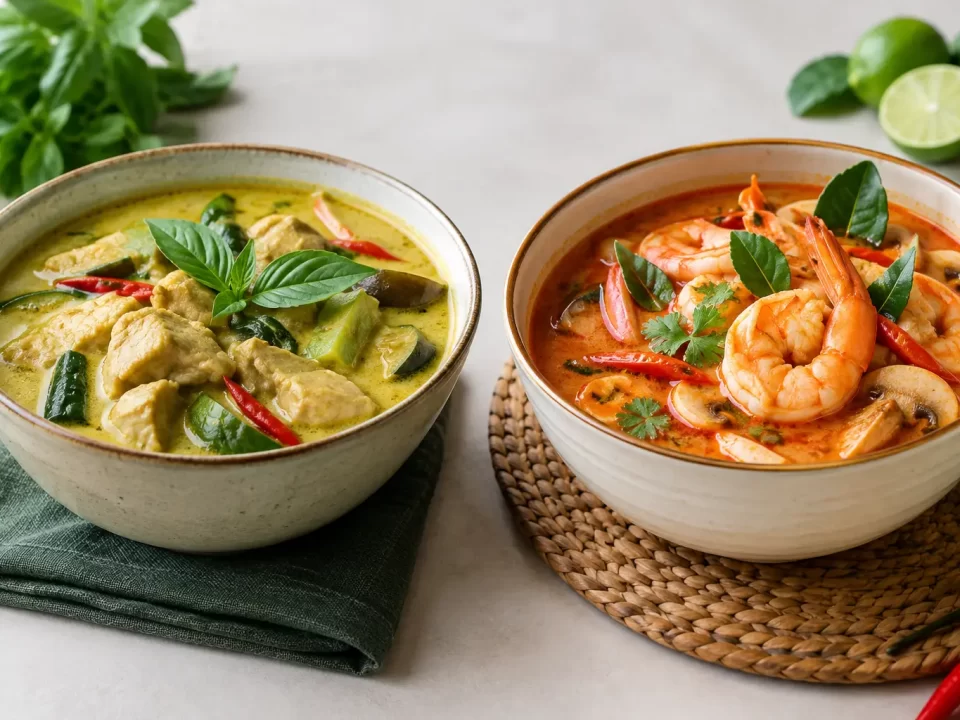
You can go from a sharp, soup-based starter to a rich curry, then to a wok-fried noodle dish, then cool everything down with a sweet drink. Every course feels distinct. Textures change. Aromas shift. Heat rises and falls. That variety creates a meal with momentum.
It is also one reason Thai food works for repeat visits. You can come back often without feeling like you have exhausted the menu. One day you want something soupy and spicy. Another day you want stir-fried comfort. Another day you want grilled flavors, herbal salads, or a dessert drink that takes the edge off the heat.
For regular diners, that matters. A favorite restaurant should not feel like a one-dish stop. Thai cuisine rewards curiosity while still giving plenty of familiar classics to return to.
Authenticity matters, but so does accessibility
People often talk about authenticity as if it is the only thing that counts. It definitely matters. Thai food should taste like it comes from a real culinary tradition, not a watered-down idea of one. The herbs, sauces, and cooking style all play a part in that.
But accessibility matters too. A truly enjoyable Thai dining experience should welcome both longtime fans and people who are still figuring out what they like. The best Thai restaurants understand this. They keep the heart of Thailand on the plate while making the meal easy to enjoy for a wide crowd.
That might mean offering dishes with different intensity levels, or making sure signature items like Tom Yum Seafood and Pad Thai are consistently satisfying every time. It might also mean creating a setting where families, couples, and office teams all feel at home. Great Thai food does not need to be intimidating to be authentic.
That is part of why modern Thai dining has such strong appeal. It brings tradition forward in a way that fits everyday life. When done right, it feels rooted, confident, and inviting all at once.
Thai food respects ingredients instead of hiding them
Another reason people argue so passionately for Thai cuisine is that strong flavor does not mean careless cooking. Thai food can be bold, but the best versions still let ingredients taste like themselves.
Seafood should still taste fresh under the spice. Basil should smell like basil, not just garnish. Lime should brighten a dish rather than disappear into it. Even a sweet drink like Thai Milk Tea should feel rich and aromatic, not just sugary.
That clarity is easy to underestimate. Lots of food can be salty or spicy enough to get attention. Thai food at its best goes further. It layers flavor while preserving identity. You can taste what is in front of you.
When restaurants respect that balance, diners notice. The meal feels more satisfying because it is not relying on one-note intensity. It has detail.
It fits everyday cravings and special occasions
Some foods are wonderful but too heavy for regular meals. Others are fine for casual lunches but do not feel festive enough for a celebration. Thai food sits in a sweet spot. It works on a random Tuesday and still feels exciting for birthdays, gatherings, and group dinners.
That is a huge part of its staying power. A cuisine becomes truly loved when it can show up in different parts of your life. Thai food is just as fitting for a quick lunch as it is for a table full of shared dishes at a celebration. Add catering into the picture, and it makes even more sense. These are dishes people genuinely want to see at events because they bring color, aroma, and crowd-pleasing flavor.
In busy places around Klang Valley, where people want meals that are flavorful, reliable, and easy to enjoy together, Thai food keeps proving its value. That is one reason brands like Soi 55 continue to connect with diners who want modern Thai taste without giving up the heart of the cuisine.
The real answer to why Thai food is the best is simple: it gives more. More contrast, more excitement, more shareable moments, and more reasons to come back hungry. When a meal can be comforting, lively, bold, and welcoming all at once, it earns its place at the center of the table.