What Are the Top 20 Thai Dishes Worth Trying?
October 4, 2026
Thai Food Near Me for Bold Everyday Dining
October 8, 2026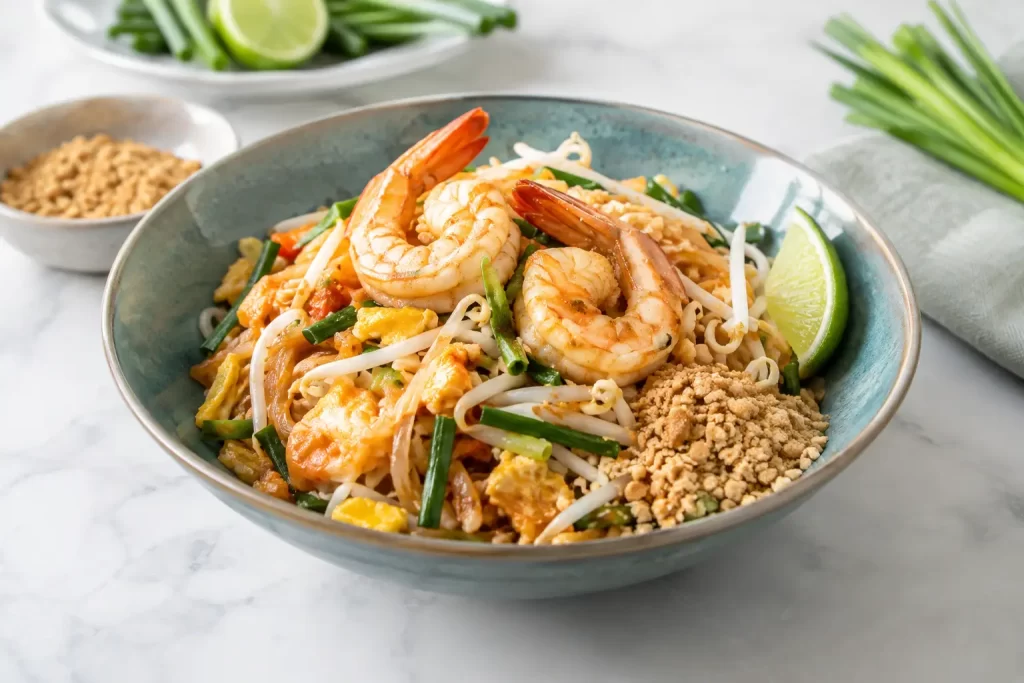
A plate of Pad Thai may be the first answer when someone asks, what is the most popular dish? Around the world, its familiar tangle of rice noodles, sweet-savory sauce, egg, crunchy peanuts, and bright lime has made it a Thai food icon. But ask diners around Malaysia what they order most often, and the answer becomes much more deliciously complicated.
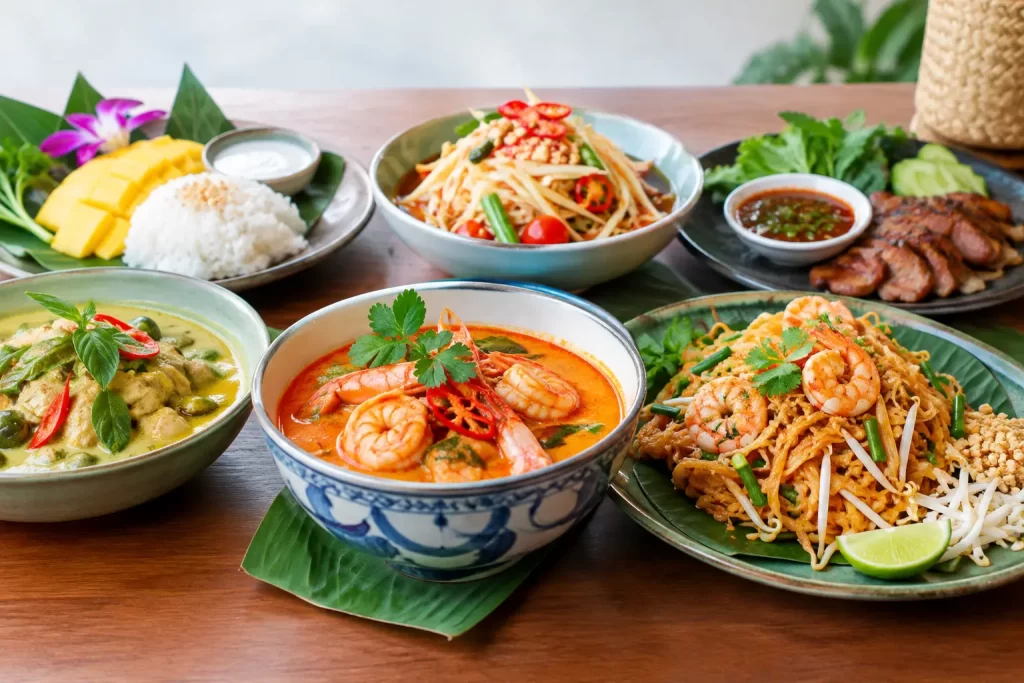
Thai food is not built around one unbeatable dish. It is built around contrast: heat against freshness, sourness against richness, fragrant herbs against a satisfying wok-charred finish. The most popular choice depends on whether you are grabbing a quick Wednesday dinner, sharing a table with family, feeding an office team, or craving a bowl of something hot and punchy after a long day.
What Is the Most Popular Dish in Thai Cuisine?
Globally, Pad Thai is arguably the most recognized Thai dish. It travels well, looks inviting, and offers an easy introduction to the flavors people love about Thai cooking. The noodles are comforting, the sauce balances tamarind-like tang with sweetness and savoriness, and diners can adjust each bite with lime, chili, and crushed peanuts.
Recognition, however, is not always the same as the dish people return to most. For regular Thai diners, Tom Yum and Pad Kra Pao often have a stronger claim. They deliver the direct, aromatic flavor that makes Thai food feel exciting even on an ordinary weeknight.
The honest answer is this: Pad Thai may be the world’s most famous Thai dish, while Tom Yum may be one of the most universally craved. In Malaysia, where diners already know and enjoy bold regional flavors, both are everyday favorites for different moods.
Why Pad Thai Wins So Many First Orders
Pad Thai works because it is approachable without being plain. Rice noodles bring a soft, satisfying texture, while bean sprouts add freshness and peanuts give each forkful a little crunch. The dish is usually less fiery than a curry or a full bowl of Tom Yum, so it suits diners who are exploring Thai cuisine for the first time.
It is also a complete-feeling meal. One plate can be filling enough for a solo lunch, yet easy to share alongside a soup, stir-fried vegetables, or a cool Thai Milk Tea. For couples and friend groups, Pad Thai is often the reliable table order: familiar, generous, and easy for everyone to enjoy.
Still, its popularity comes with a trade-off. A great Pad Thai needs balance, not just sweetness. The noodles should stay springy rather than soft and heavy. The sauce should have depth. Lime, chili, and peanuts should lift the dish instead of hiding it. When those details are right, Pad Thai earns its reputation.
Tom Yum: The Dish That Brings People Back
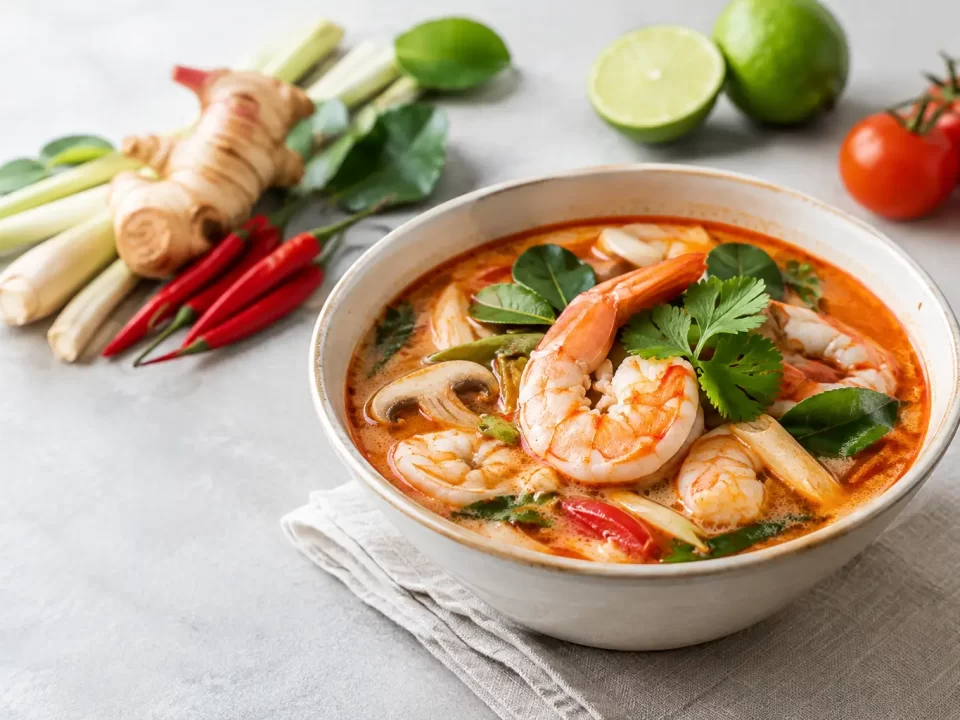
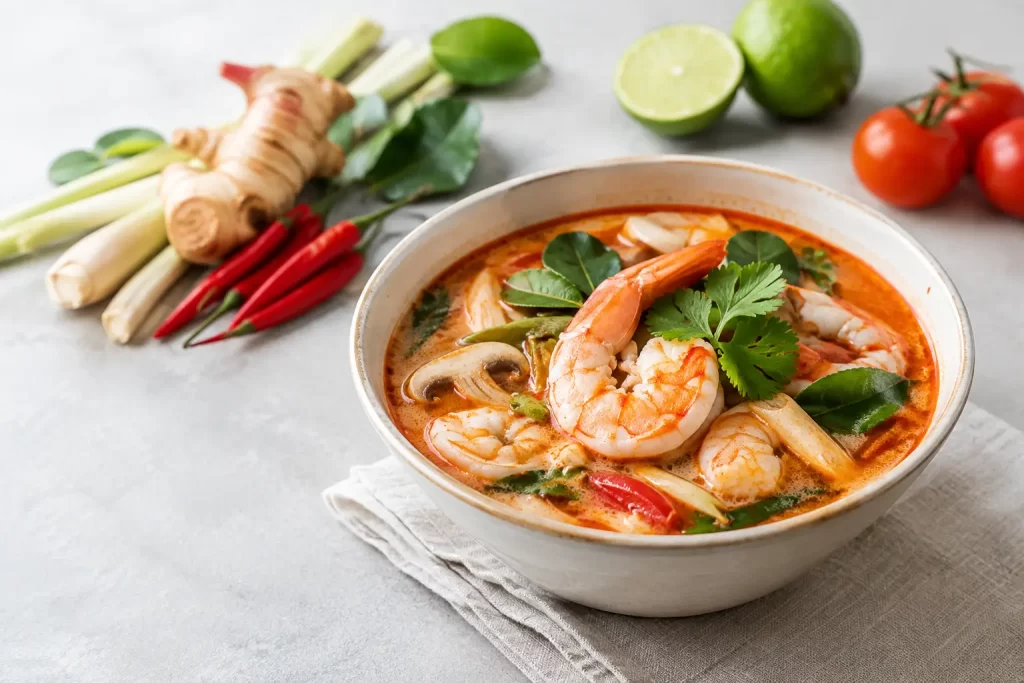
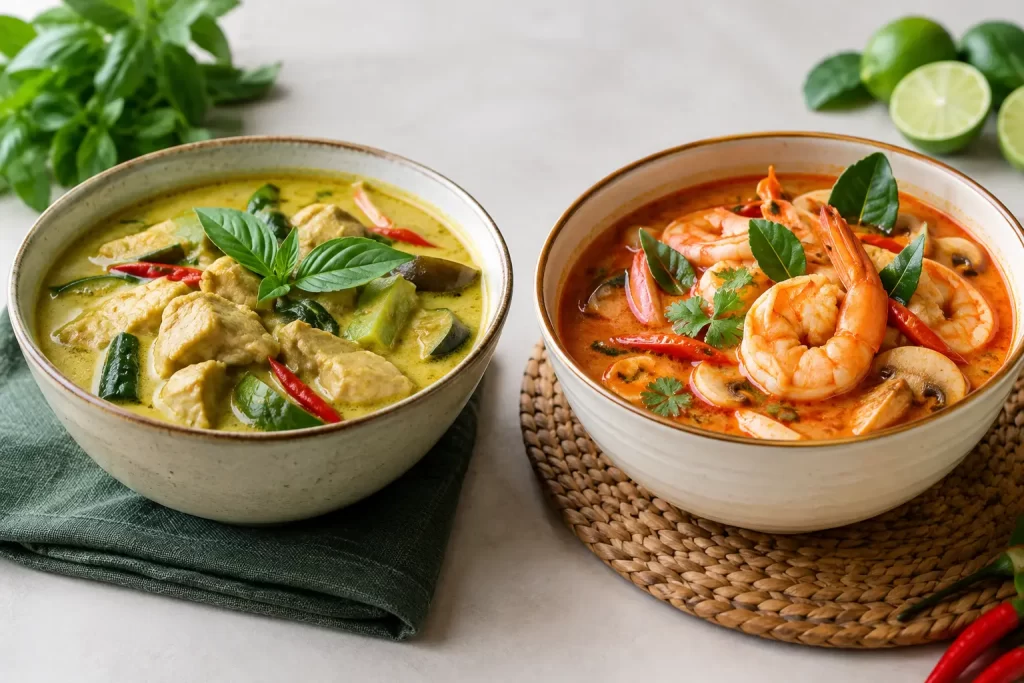
If Pad Thai is the international introduction, Tom Yum is often the flavor memory. A good Tom Yum Seafood arrives fragrant with lemongrass, galangal, kaffir lime leaf, chilies, and lime. It is hot, sour, savory, and unmistakably Thai from the first spoonful.
For Malaysian diners, Tom Yum has a special everyday appeal. It is made for sharing, which makes it a natural choice for family meals, colleague lunches, and catch-ups that stretch beyond one quick order. Put a steaming bowl in the center of the table with rice, a stir-fry, and a few sides, and the meal immediately feels more festive.
There is no single “correct” level of heat for Tom Yum. Some diners want a gentler broth with fragrant citrus notes, while others want the full chili kick. What matters is clarity of flavor. The sourness should feel fresh, the herbs should be lively, and the seafood should complement the broth rather than disappear into it.
The popularity of a shared dish
Popular does not always mean individually plated. Thai cuisine shines when several dishes meet in the middle of the table. Tom Yum is popular because it gives everyone something to reach for between bites of rice, noodles, or stir-fried favorites. It turns dinner into a shared experience rather than a collection of separate meals.
That is also why it is a smart choice for group dining and catering. A well-prepared soup holds attention, adds variety, and gives a larger meal its fragrant center.
Pad Kra Pao Is the Everyday Favorite
For a fast, deeply satisfying meal, Pad Kra Pao deserves far more attention in the popular-dish conversation. This Thai basil stir-fry is built on a simple but powerful combination of minced protein, garlic, chilies, savory seasoning, and fragrant basil. Served with rice and often a crisp-edged fried egg, it is the kind of dish that feels right at lunch, dinner, or whenever the craving hits.
Pad Kra Pao is less about presentation and more about impact. The basil perfume, wok heat, and chili warmth make it comforting but never boring. It is especially appealing to young professionals and anyone looking for a meal that is quick, flavorful, and substantial without feeling overly complicated.
Its trade-off is that it is not as universally mild as Pad Thai. Diners who prefer gentler flavors may want less chili, while spice lovers may ask for more heat. That flexibility is part of its charm. Thai food should meet the diner at the table, not force every palate into the same experience.
The Most Popular Thai Dish Depends on the Occasion
A better question than “Which dish is number one?” might be “What kind of meal do you want right now?” The answer changes with the occasion.
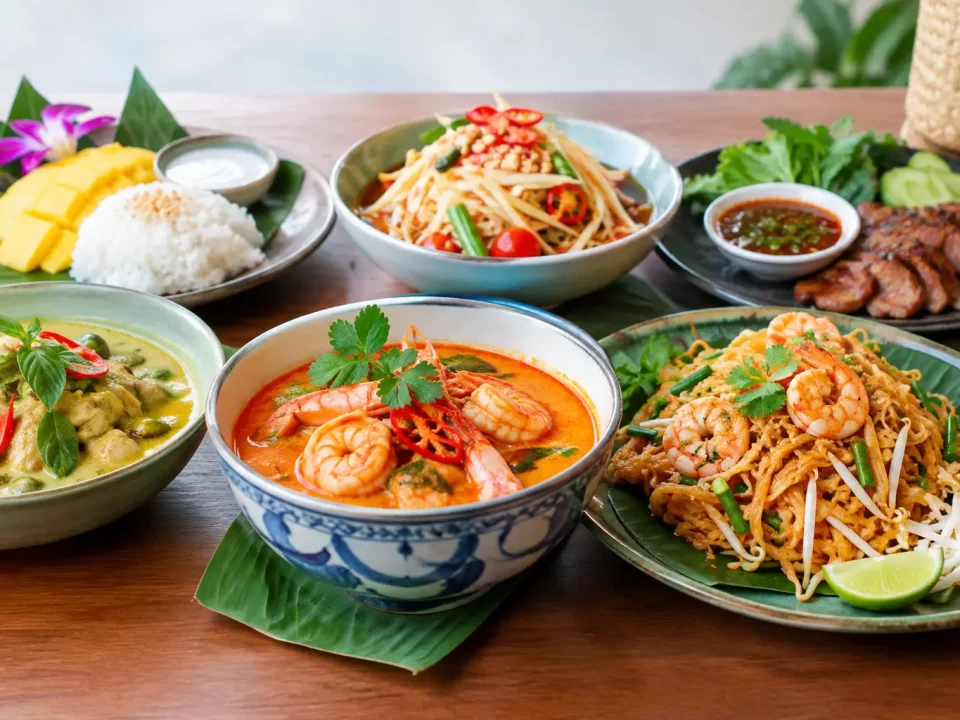
For a first visit, Pad Thai is a confident starting point. For a rainy evening or a group meal, Tom Yum Seafood brings warmth and energy. For a quick, flavorful rice meal, Pad Kra Pao delivers. When the table wants variety, a combination of soup, stir-fry, rice, noodles, and a cold drink is more satisfying than choosing only one star.
This is the beauty of Thai dining: the menu is not a test with one right answer. It is an invitation to build a meal around your appetite and your company. A couple may share Pad Thai and Tom Yum. A family may add several dishes so every generation finds a favorite. An office team may choose a wider spread, where familiar classics sit beside bolder choices.
At SOI 55 Thai Kitchen, that everyday flexibility is part of the experience. Thai flavors are at their best when they are easy to enjoy close to home, whether it is a casual meal with friends, a family dinner, or food arranged for a larger gathering.
How to Order a Thai Meal Everyone Will Enjoy
When a group cannot agree on one dish, do not force a decision. Start with one noodle or rice dish, add a soup such as Tom Yum, and include a stir-fry with vegetables or basil. This gives the table different textures and heat levels while keeping the flavors connected.
A chilled Thai Milk Tea is more than a sweet finish to the meal. Its creamy, aromatic character can soften the edge of a spicy dish and give the table a refreshing reset between bites. It is a small addition that makes a bold Thai meal feel more complete.
If you are ordering for a larger event, think beyond individual favorites. Choose dishes that stay enjoyable across several servings, offer a mix of familiar and adventurous flavors, and make sharing easy. The most popular dish at a gathering is often the one that disappears first, not the one with the biggest name.
So, Which Thai Dish Should You Try First?
Start with Pad Thai if you want the most recognizable answer. Choose Tom Yum if you want Thai flavor in its bright, aromatic, shareable form. Go for Pad Kra Pao when a hot basil stir-fry and rice sound like exactly the right kind of comfort.
The best popular dish is the one that suits your table, your appetite, and the moment. Order with curiosity, leave room for something spicy and something refreshing, and let the flavors do what Thai food does best: make an ordinary meal feel like a reason to gather.