

Thai Catering Review for Events That Feel Memorable
September 6, 2026
Best Thai Catering Menu Ideas for Any Crowd
September 8, 2026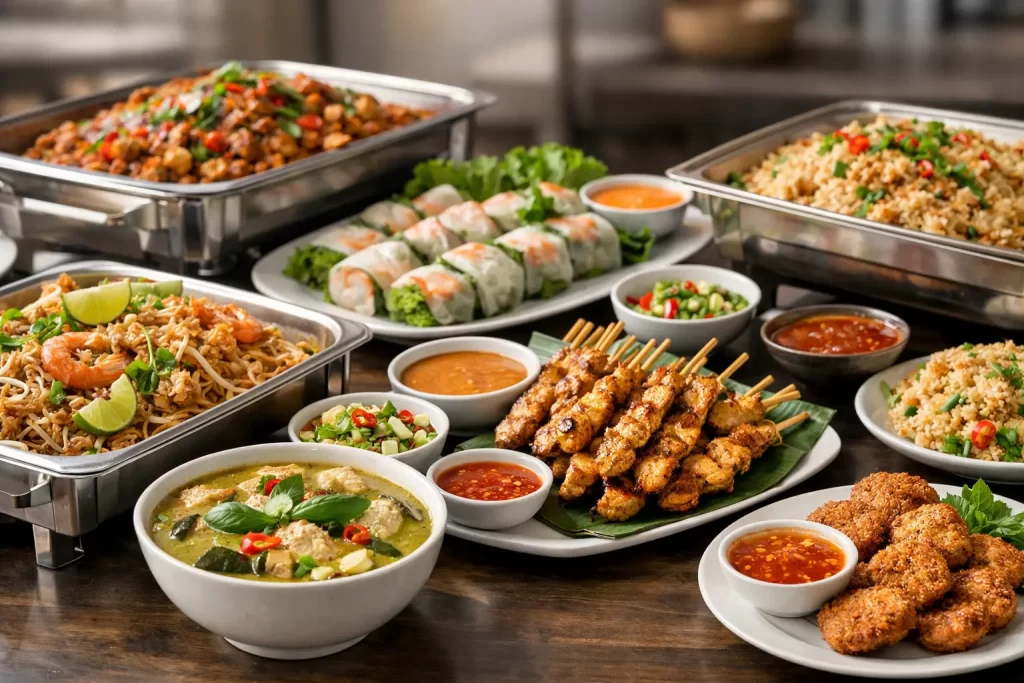
A memorable Thai catering table should do more than fill plates. It should bring people together over bright herbs, sizzling wok flavors, creamy coconut curries, and a little heat that keeps the conversation going. The best Thai catering menu ideas balance familiar favorites with enough variety for every guest to build a meal they genuinely enjoy.
For an office lunch, birthday dinner, wedding celebration, or family gathering, the smartest approach is not ordering one dish in a very large tray. Thai food shines when the table feels generous and shareable: something crisp, something tangy, something rich, a comforting noodle or rice dish, and a refreshing drink to finish.
Start With a Menu Built for Sharing
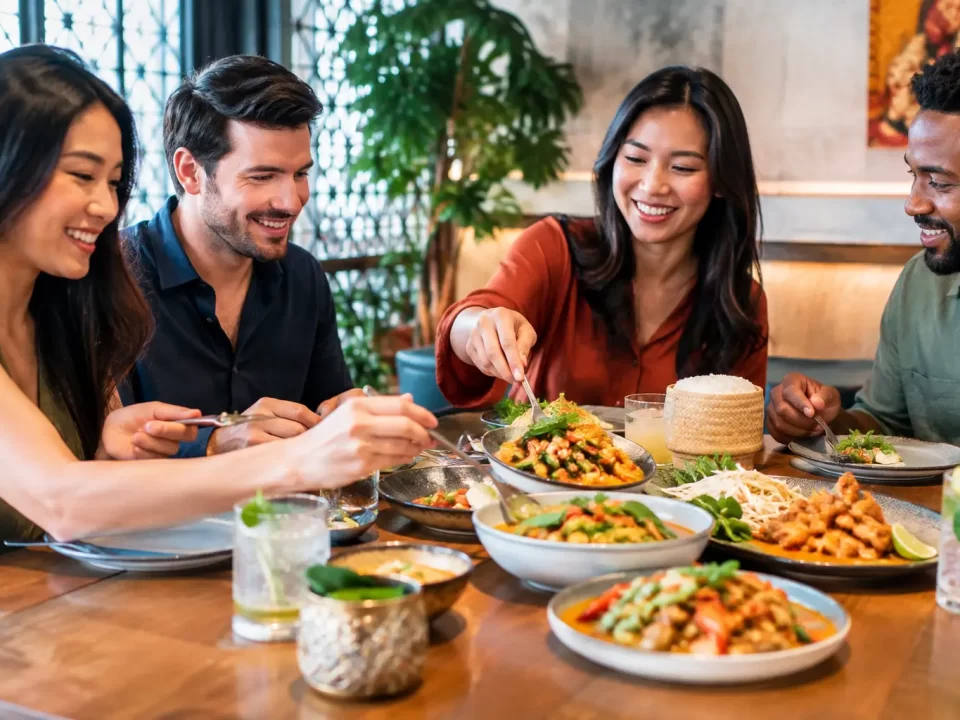
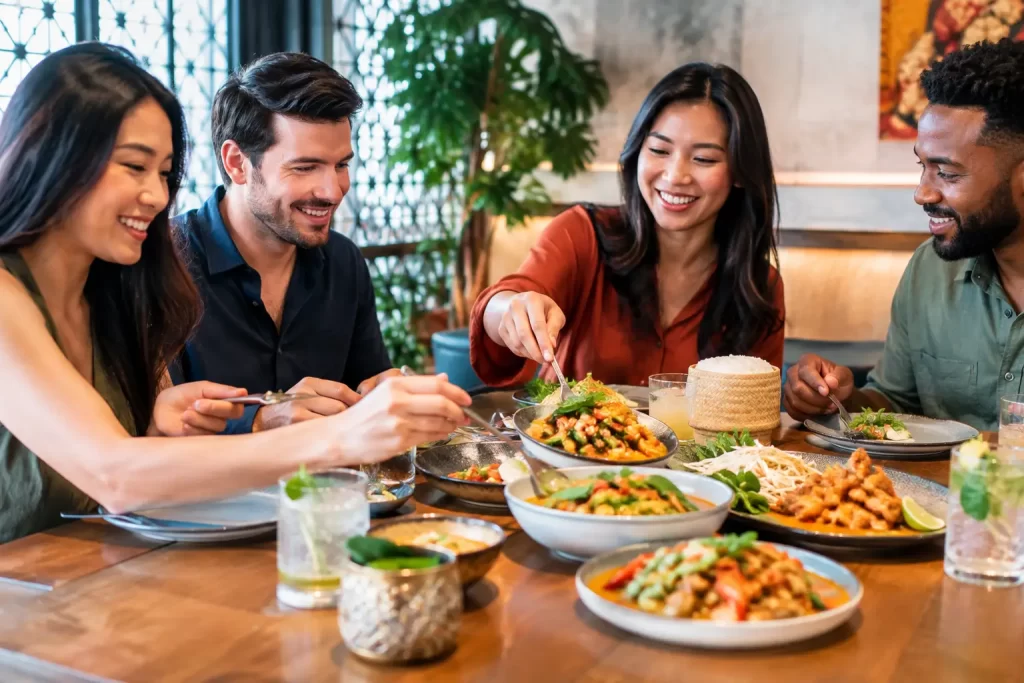
Thai catering works especially well for groups because the cuisine naturally encourages communal dining. A platter of starters gets people reaching across the table. Curries and stir-fries can be spooned over rice. Noodles offer a familiar, satisfying centerpiece. The goal is to give guests choices without creating a menu so broad that flavors compete with each other.
A useful rule is to build around three anchors: a crowd-pleasing noodle or rice dish, two to three shared mains with different flavor profiles, and a selection of starters. Then add drinks and dessert according to the occasion, guest count, and budget.
For a casual lunch, a compact menu with Pad Thai, one curry, one stir-fry, rice, and appetizers may be all you need. For an evening celebration, add another main, a seafood option, dessert, and Thai milk tea. More variety is helpful for a larger group, but only when there is enough of each dish for guests to enjoy a proper portion.
Best Thai Catering Menu Ideas for a Balanced Feast
Begin with crisp, easy-to-share starters
Starters set the tone before the main trays arrive. Choose items that stay enjoyable when served in batches and can be picked up easily while guests mingle. Spring rolls are a dependable choice, bringing a light crunch and a familiar flavor to the table. Thai fish cakes offer a more distinctive option, with aromatic herbs and a savory bite that pairs well with a sweet chili dip.
Chicken satay is another reliable crowd favorite. The char-grilled flavor feels festive, while peanut sauce adds richness and makes the platter feel complete. For gatherings with a more adventurous food-loving crowd, include a bright papaya salad. Its crunch, lime, chilies, and savory dressing provide a sharp contrast to richer curries and fried starters.
When choosing starters, think about timing. Crispy dishes are at their best when served soon after arrival, while salads should be kept separate from delicate garnishes until close to serving. This small detail can make a catered meal taste far more like a restaurant experience.
Make Pad Thai the familiar centerpiece
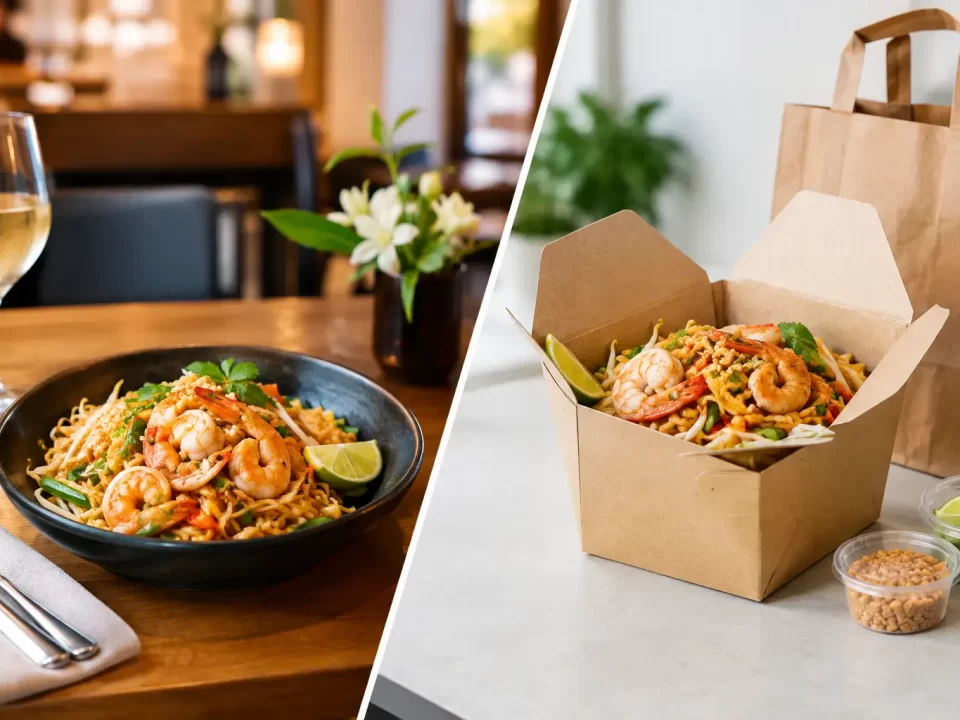
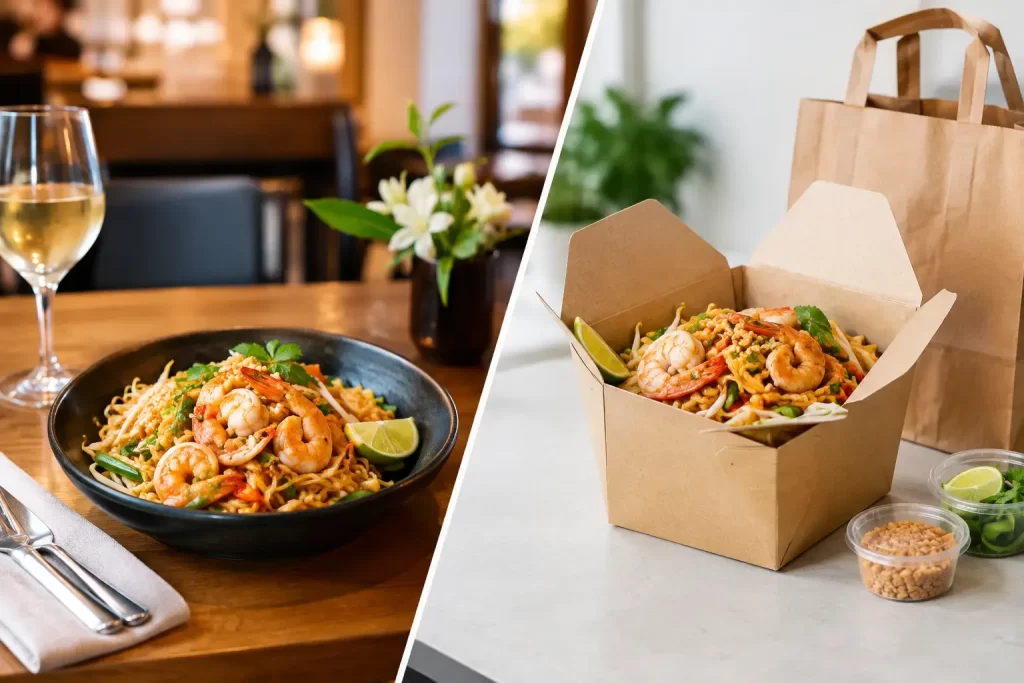
Pad Thai belongs on many Thai catering menus because it is comforting, recognizable, and satisfying across age groups. Stir-fried rice noodles, egg, bean sprouts, chives, and a balanced sweet-tangy sauce make it approachable without being plain. Guests can add crushed peanuts, lime, and chili to suit their own taste.
It is particularly effective for corporate lunches and mixed groups, where not everyone may want a very spicy meal. Pair it with bolder dishes rather than ordering several noodle trays. That way, Pad Thai gives guests a dependable base while the rest of the menu adds excitement.
For a more rice-focused crowd, Thai basil fried rice is a strong alternative. It carries fragrant wok flavor and works beautifully beside curries, grilled proteins, and fresh salads.
Add one rich curry and one bright, spicy main
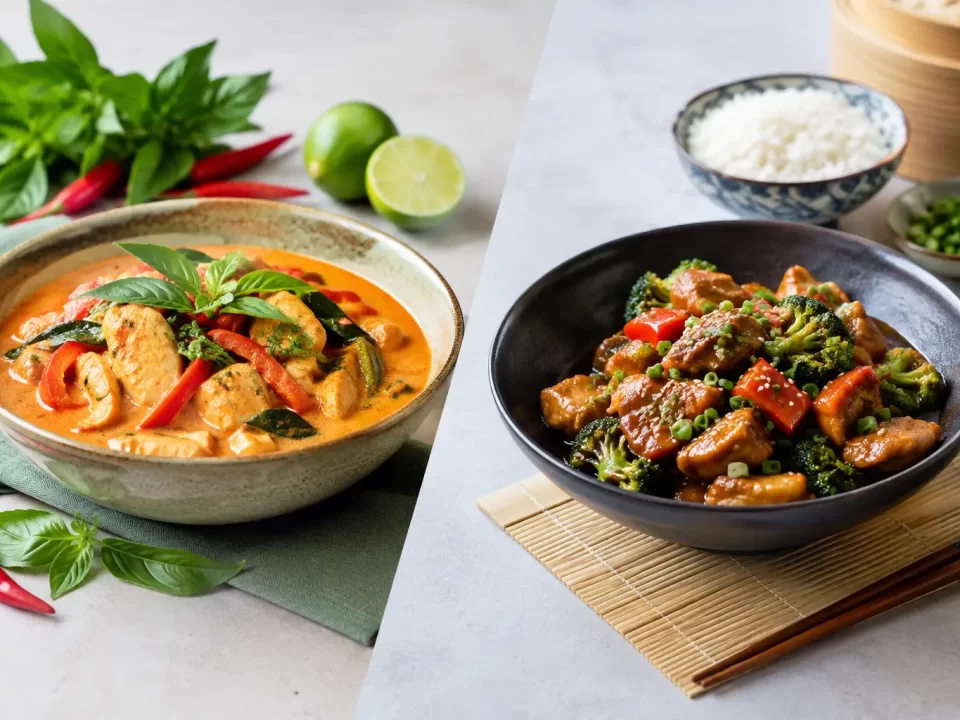
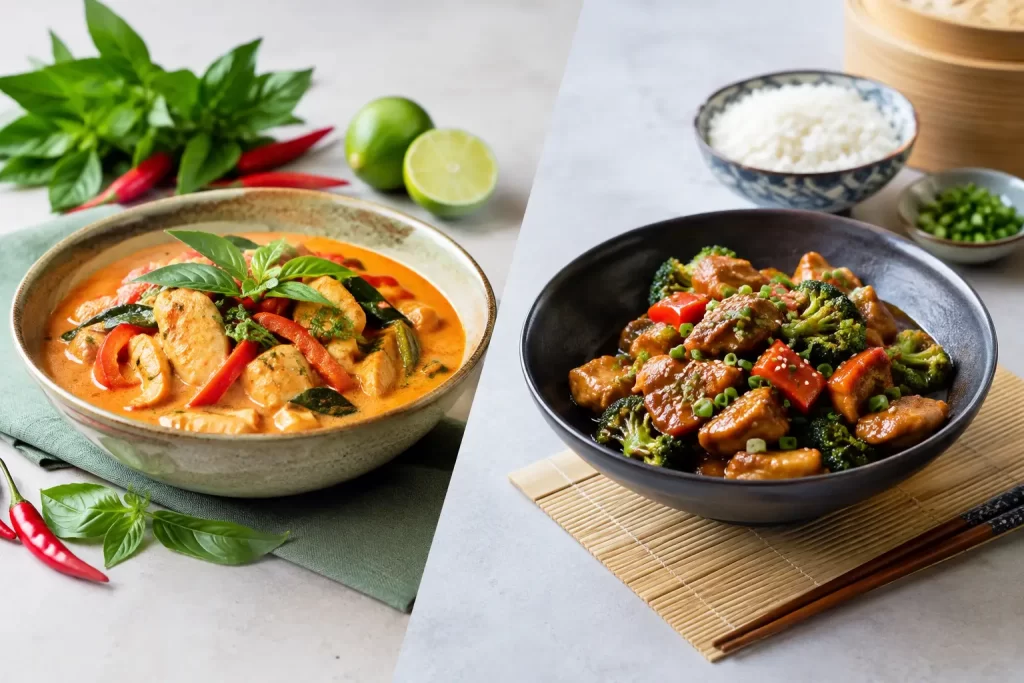
A good catering menu needs contrast. A creamy green curry or red curry brings coconut richness, tender vegetables, and deep spice. Served with steamed jasmine rice, it gives guests a comforting option that feels substantial and celebratory.
Then balance that richness with a lively stir-fry such as Pad Kra Pao. Thai basil, garlic, chilies, and a savory sauce create a bold, aromatic dish that tastes excellent over rice. It has the direct, satisfying character of Thai street-inspired cooking and brings energy to the table.
If your group enjoys seafood, Tom Yum Seafood is a standout shared dish. Its hot-and-sour broth, scented with lemongrass and lime, cuts through the richness of fried items and curries. It is a strong choice for dinner parties and family celebrations, though it is best planned with guest preferences in mind. A broth-based dish may be less convenient for a standing reception than for a seated meal.
Include a mild option without making the menu dull
Not every guest has the same tolerance for chilies, especially at office functions or events with children and older relatives. Offering at least one gentler dish is not a compromise on flavor. It is good hosting.
Cashew chicken, vegetable stir-fry, or a mild yellow curry can give guests a delicious alternative while still fitting naturally into the menu. Keep chili condiments available on the side so heat lovers can add more without leaving other diners behind.
This is also the moment to consider dietary needs. A vegetable-forward dish helps make the spread more inclusive, but ask your caterer how sauces, garnishes, and preparation can be adjusted. Clear planning is better than assumptions, particularly for large events.
Match the Menu to the Occasion
The best menu for a lunchtime meeting is not always the best menu for a wedding reception. At corporate events, choose dishes that are easy to portion, familiar to a broad range of guests, and tidy enough to enjoy between conversations. Pad Thai, basil rice, spring rolls, satay, a curry, and a vegetable dish make a practical combination.
For birthdays and home celebrations, lean into dishes that create a bigger sense of occasion. Add Tom Yum Seafood, grilled skewers, a spicy salad, and extra drinks. Guests tend to linger longer at these events, so a menu with bright, bold flavors keeps the meal interesting from the first plate to the last.
For a more formal gathering, presentation matters as much as selection. Arrange dishes in a sequence that makes sense: starters first, rice and noodles in the center, then mains grouped by flavor style. Labeling spicy dishes and vegetarian-friendly choices is a thoughtful touch that lets guests serve themselves with confidence.
Soi 55 brings this spirit of lively, modern Thai dining to catered occasions with signature favorites that feel both familiar and full of character. The strongest catering orders are built around your guests, not simply the longest possible menu.
Do Not Forget Drinks and a Sweet Finish
Thai milk tea earns its place at casual celebrations, office lunches, and weekend family gatherings. Its creamy sweetness is especially welcome alongside chili-forward dishes, and it gives the meal a recognizable finishing touch. For a lighter option, offer chilled water and citrusy drinks so guests can refresh their palates.
Dessert can be simple. Mango sticky rice is a natural choice when mangoes are in season, combining fragrant sticky rice, ripe fruit, and coconut cream. It feels special without being overly heavy after a generous meal.
The most successful Thai catering menu is one that feels generous from every angle: enough spice for those who want it, enough comfort for those who do not, and enough variety that guests return for a second helping. Choose dishes with contrast, serve them at their best, and let the table do what Thai food does so well – turn a gathering into a shared celebration.

Related posts

Best Thai Catering Menu Ideas for Any Crowd
September 8, 2026
Thai Seafood Dishes Guide for Your Next Thai Meal
September 10, 2026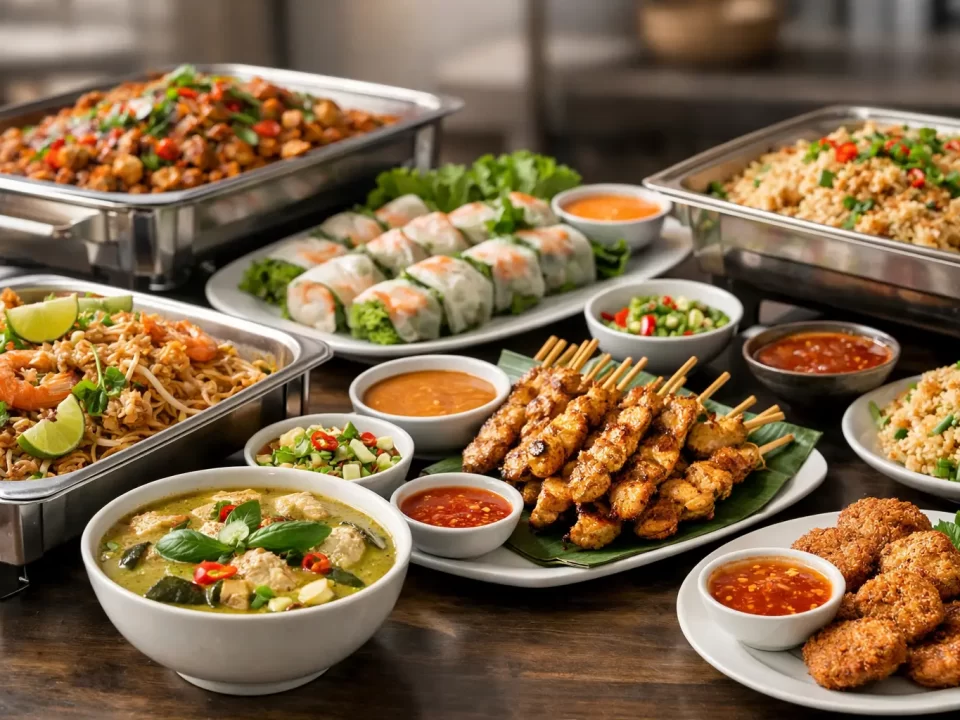
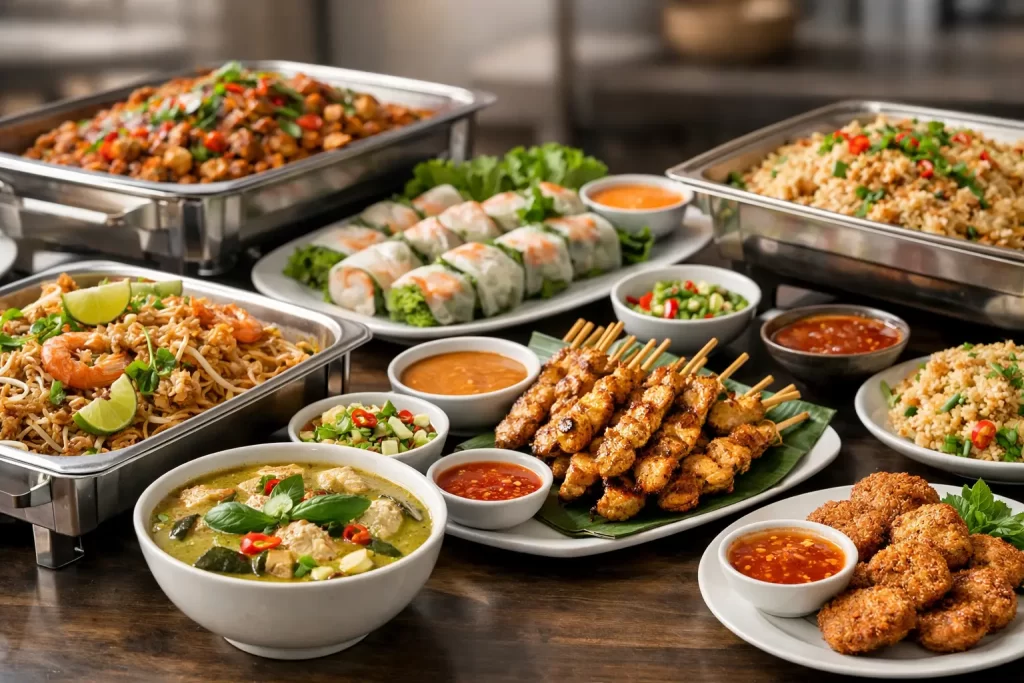
A memorable Thai catering table should do more than fill plates. It should bring people together over bright herbs, sizzling wok flavors, creamy coconut curries, and a little heat that keeps the conversation going. The best Thai catering menu ideas balance familiar favorites with enough variety for every guest to build a meal they genuinely enjoy.
For an office lunch, birthday dinner, wedding celebration, or family gathering, the smartest approach is not ordering one dish in a very large tray. Thai food shines when the table feels generous and shareable: something crisp, something tangy, something rich, a comforting noodle or rice dish, and a refreshing drink to finish.
Start With a Menu Built for Sharing
Thai catering works especially well for groups because the cuisine naturally encourages communal dining. A platter of starters gets people reaching across the table. Curries and stir-fries can be spooned over rice. Noodles offer a familiar, satisfying centerpiece. The goal is to give guests choices without creating a menu so broad that flavors compete with each other.
A useful rule is to build around three anchors: a crowd-pleasing noodle or rice dish, two to three shared mains with different flavor profiles, and a selection of starters. Then add drinks and dessert according to the occasion, guest count, and budget.
For a casual lunch, a compact menu with Pad Thai, one curry, one stir-fry, rice, and appetizers may be all you need. For an evening celebration, add another main, a seafood option, dessert, and Thai milk tea. More variety is helpful for a larger group, but only when there is enough of each dish for guests to enjoy a proper portion.
Best Thai Catering Menu Ideas for a Balanced Feast
Begin with crisp, easy-to-share starters
Starters set the tone before the main trays arrive. Choose items that stay enjoyable when served in batches and can be picked up easily while guests mingle. Spring rolls are a dependable choice, bringing a light crunch and a familiar flavor to the table. Thai fish cakes offer a more distinctive option, with aromatic herbs and a savory bite that pairs well with a sweet chili dip.
Chicken satay is another reliable crowd favorite. The char-grilled flavor feels festive, while peanut sauce adds richness and makes the platter feel complete. For gatherings with a more adventurous food-loving crowd, include a bright papaya salad. Its crunch, lime, chilies, and savory dressing provide a sharp contrast to richer curries and fried starters.
When choosing starters, think about timing. Crispy dishes are at their best when served soon after arrival, while salads should be kept separate from delicate garnishes until close to serving. This small detail can make a catered meal taste far more like a restaurant experience.
Make Pad Thai the familiar centerpiece
Pad Thai belongs on many Thai catering menus because it is comforting, recognizable, and satisfying across age groups. Stir-fried rice noodles, egg, bean sprouts, chives, and a balanced sweet-tangy sauce make it approachable without being plain. Guests can add crushed peanuts, lime, and chili to suit their own taste.
It is particularly effective for corporate lunches and mixed groups, where not everyone may want a very spicy meal. Pair it with bolder dishes rather than ordering several noodle trays. That way, Pad Thai gives guests a dependable base while the rest of the menu adds excitement.
For a more rice-focused crowd, Thai basil fried rice is a strong alternative. It carries fragrant wok flavor and works beautifully beside curries, grilled proteins, and fresh salads.
Add one rich curry and one bright, spicy main
A good catering menu needs contrast. A creamy green curry or red curry brings coconut richness, tender vegetables, and deep spice. Served with steamed jasmine rice, it gives guests a comforting option that feels substantial and celebratory.
Then balance that richness with a lively stir-fry such as Pad Kra Pao. Thai basil, garlic, chilies, and a savory sauce create a bold, aromatic dish that tastes excellent over rice. It has the direct, satisfying character of Thai street-inspired cooking and brings energy to the table.
If your group enjoys seafood, Tom Yum Seafood is a standout shared dish. Its hot-and-sour broth, scented with lemongrass and lime, cuts through the richness of fried items and curries. It is a strong choice for dinner parties and family celebrations, though it is best planned with guest preferences in mind. A broth-based dish may be less convenient for a standing reception than for a seated meal.
Include a mild option without making the menu dull
Not every guest has the same tolerance for chilies, especially at office functions or events with children and older relatives. Offering at least one gentler dish is not a compromise on flavor. It is good hosting.
Cashew chicken, vegetable stir-fry, or a mild yellow curry can give guests a delicious alternative while still fitting naturally into the menu. Keep chili condiments available on the side so heat lovers can add more without leaving other diners behind.
This is also the moment to consider dietary needs. A vegetable-forward dish helps make the spread more inclusive, but ask your caterer how sauces, garnishes, and preparation can be adjusted. Clear planning is better than assumptions, particularly for large events.
Match the Menu to the Occasion
The best menu for a lunchtime meeting is not always the best menu for a wedding reception. At corporate events, choose dishes that are easy to portion, familiar to a broad range of guests, and tidy enough to enjoy between conversations. Pad Thai, basil rice, spring rolls, satay, a curry, and a vegetable dish make a practical combination.
For birthdays and home celebrations, lean into dishes that create a bigger sense of occasion. Add Tom Yum Seafood, grilled skewers, a spicy salad, and extra drinks. Guests tend to linger longer at these events, so a menu with bright, bold flavors keeps the meal interesting from the first plate to the last.
For a more formal gathering, presentation matters as much as selection. Arrange dishes in a sequence that makes sense: starters first, rice and noodles in the center, then mains grouped by flavor style. Labeling spicy dishes and vegetarian-friendly choices is a thoughtful touch that lets guests serve themselves with confidence.
Soi 55 brings this spirit of lively, modern Thai dining to catered occasions with signature favorites that feel both familiar and full of character. The strongest catering orders are built around your guests, not simply the longest possible menu.
Do Not Forget Drinks and a Sweet Finish
Thai milk tea earns its place at casual celebrations, office lunches, and weekend family gatherings. Its creamy sweetness is especially welcome alongside chili-forward dishes, and it gives the meal a recognizable finishing touch. For a lighter option, offer chilled water and citrusy drinks so guests can refresh their palates.
Dessert can be simple. Mango sticky rice is a natural choice when mangoes are in season, combining fragrant sticky rice, ripe fruit, and coconut cream. It feels special without being overly heavy after a generous meal.
The most successful Thai catering menu is one that feels generous from every angle: enough spice for those who want it, enough comfort for those who do not, and enough variety that guests return for a second helping. Choose dishes with contrast, serve them at their best, and let the table do what Thai food does so well – turn a gathering into a shared celebration.