Thai Tea Caffeine: How Much Is in Your Glass?
September 14, 2026
Thai Restaurant Georgetown for Bold Group Dining
September 18, 2026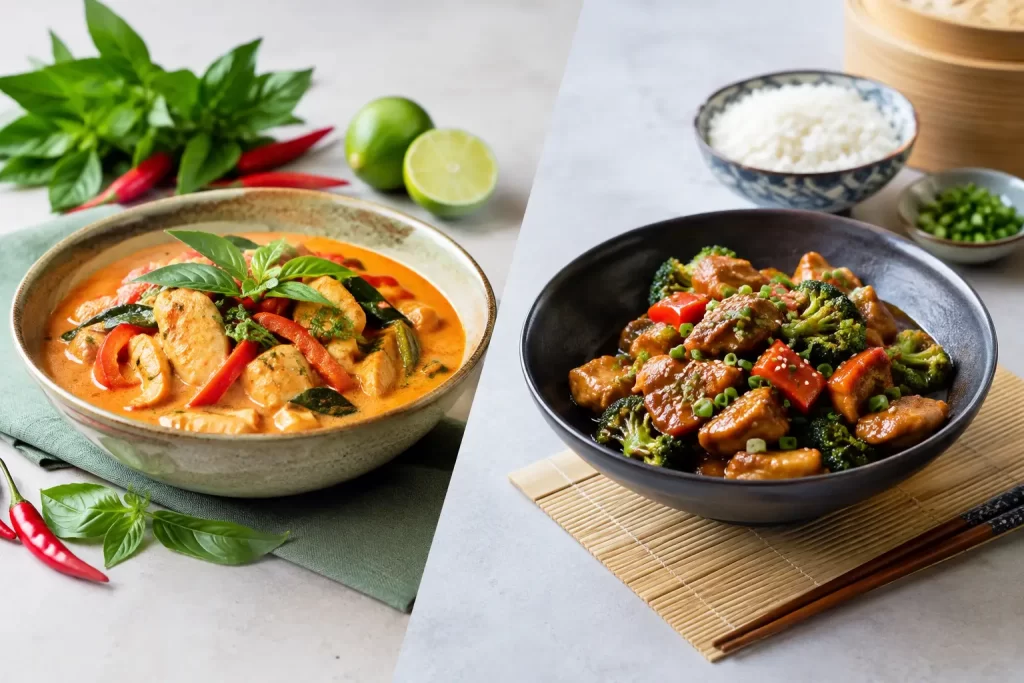
A steaming bowl of Tom Yum can wake up the table with lemongrass, lime, chili, and seafood before the first spoonful is finished. A Chinese-style stir-fry may arrive with a very different kind of appeal: savory sauce, wok-seared ingredients, and comforting depth. Thai food vs Chinese food is not a contest with one winner. They are two broad, deeply regional food cultures with different ideas about balance, aroma, texture, and the role of a shared meal.
For diners choosing where to eat, the most useful question is not which cuisine is better. It is what kind of flavor experience fits the moment: bright and spicy, rich and savory, light and herbaceous, or warm and deeply satisfying.
Thai Food vs Chinese Food: The Flavor Difference
Thai cooking is famous for bringing several big tastes into one dish. Sour, sweet, salty, spicy, and savory elements are often designed to meet in balance. Lime juice may sharpen a broth, fish sauce can add salty depth, palm sugar softens the edges, and fresh chilies bring heat that builds with every bite. Aromatic ingredients such as lemongrass, galangal, kaffir lime leaves, Thai basil, and cilantro make the food smell as lively as it tastes.
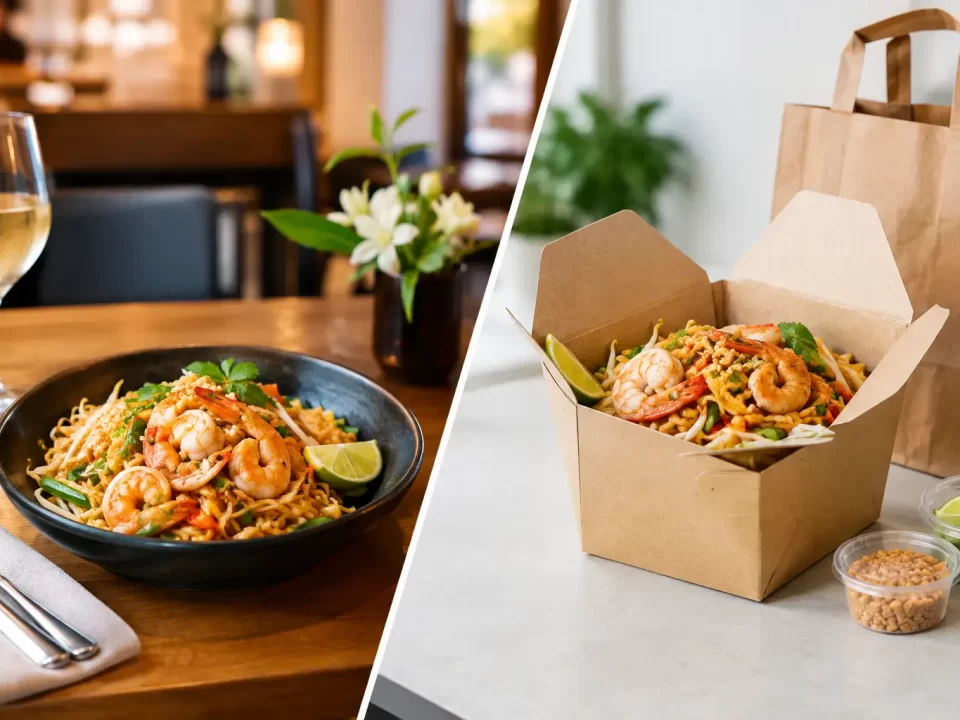
That is why a dish such as Tom Yum feels so immediate. It is not simply hot or sour. It moves between both, supported by fragrant herbs and a full-bodied broth. Pad Thai follows the same principle in a different form, pairing chewy rice noodles with tamarind tang, a touch of sweetness, crunchy toppings, and savory seasoning.
Chinese cuisine is equally varied, but its flavors often lean more toward savory depth, ingredient texture, and carefully built sauces. Soy sauce, fermented bean pastes, black vinegar, sesame oil, ginger, scallions, dried chilies, and aromatic spices can all play important roles. Depending on the region, a dish may be gently seasoned to highlight the main ingredient or intensely layered with spice, fermented flavors, and chili oil.
The contrast is easiest to understand on the palate. Thai dishes often taste bright, fresh, and high-energy. Chinese dishes can feel more rounded, savory, and warming, though there are plenty of fiery regional styles. Neither description tells the whole story, but it explains why one meal may satisfy a craving that the other does not.
One Name, Many Regional Cuisines
Calling either Thai or Chinese food a single cuisine simplifies a huge culinary map. Thailand has distinct cooking traditions from the north, northeast, central plains, and south. Chinese food includes major regional traditions such as Cantonese, Sichuan, Hunan, Fujian, Jiangsu, and many more, each with its own ingredients and cooking logic.
Central Thai cooking is often associated with the balanced profiles many international diners recognize in green curry, Pad Thai, and Tom Yum. Northeastern Thai food, often called Isan cuisine, is known for bold chile, lime, toasted rice, grilled dishes, and punchy salads. Southern Thai food can be particularly intense, bringing together turmeric, seafood, coconut, herbs, and serious heat.
Chinese regional cooking spans an equally wide range. Cantonese food is often prized for fresh ingredients, clean flavors, steaming, and quick stir-frying. Sichuan cuisine is known for its distinctive numbing-spicy sensation from Sichuan peppercorn alongside chilies and aromatic seasonings. Other regions may favor wheat noodles, delicate soups, braised dishes, vinegar-forward flavors, or sweet-savory sauces.
So, if someone says they do not like Thai food because one curry was too spicy, or they do not like Chinese food because one takeout dish felt too sweet, they are usually judging a very small corner of a much larger tradition.
Herbs and Freshness vs. Wok Aroma and Sauce
Fresh herbs are central to the Thai dining experience. They are not just a garnish added at the end. Basil, lime leaves, cilantro, mint, and lemongrass can shape the identity of a dish. A plate of Pad Kra Pao, for example, gets much of its character from aromatic holy basil, which gives the savory stir-fry a peppery, unmistakable lift.
Thai meals also commonly use condiments and fresh additions to let diners adjust a dish to taste. A squeeze of lime, extra chilies, or a little sweetness can change the final balance. This makes Thai food especially enjoyable for people who like to personalize every bite.
Chinese cooking often places more emphasis on technique-driven fragrance and texture. The smoky aroma created by high-heat stir-frying is prized in many dishes, while steaming protects the natural character of delicate ingredients. Braising develops deeper, more concentrated flavor over time. Sauces may coat ingredients lightly or provide the backbone of the dish, depending on the style.
This is a trade-off, not a ranking. When you want crisp herbs, tangy broth, and a fresh burst of flavor, Thai food is often the natural choice. When you are craving a silky steamed dish, a glossy stir-fry, or something deeply braised and savory, Chinese food may be exactly right.
How Meals Are Shared
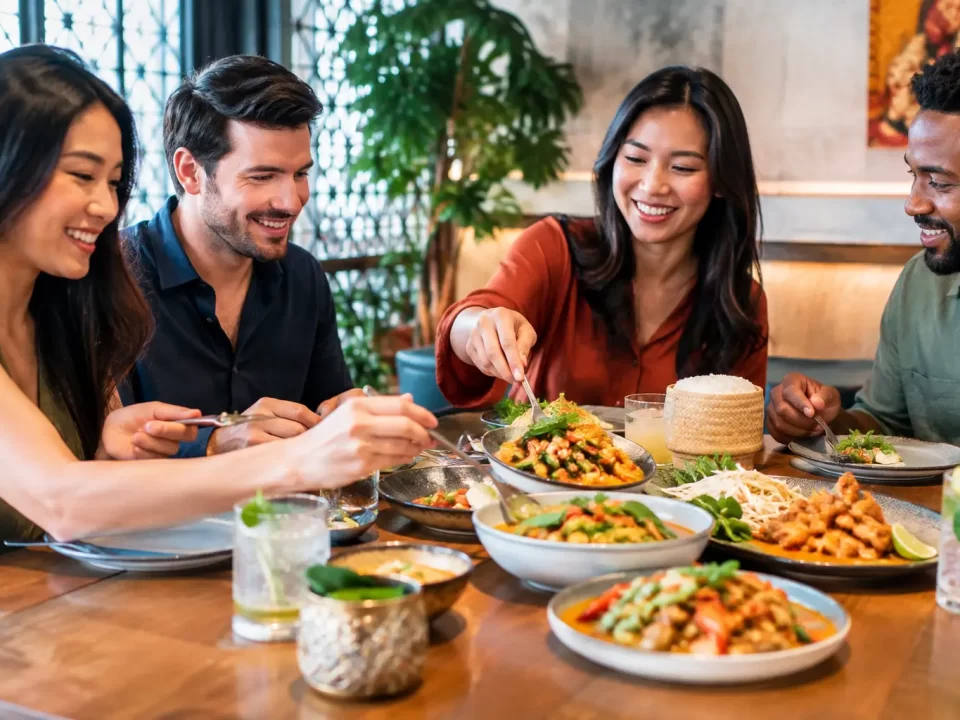
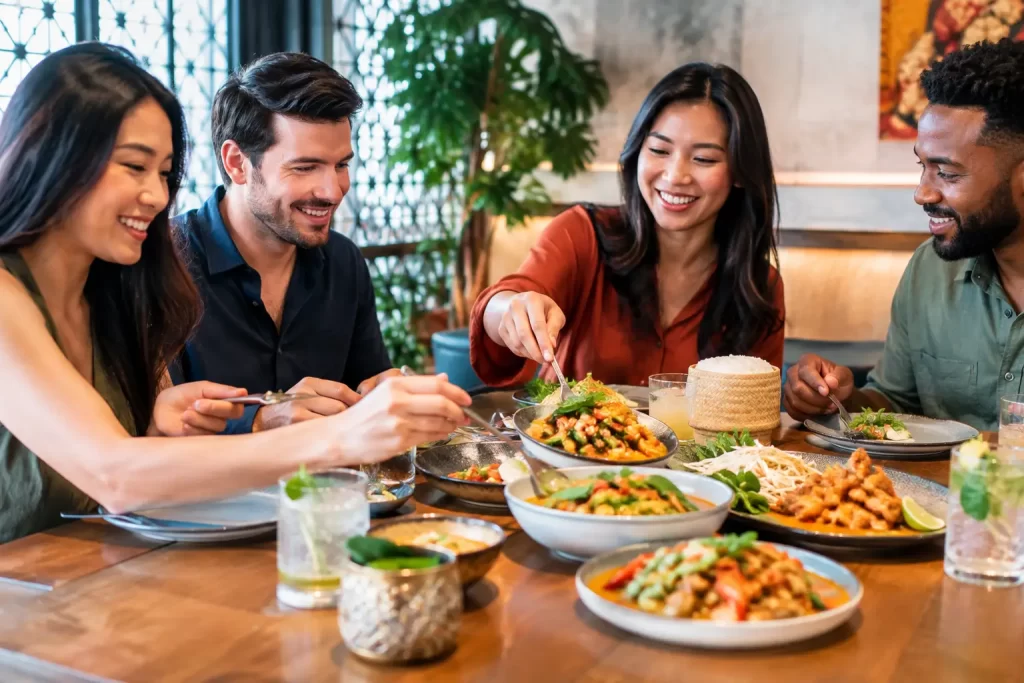
Both cuisines are made for gathering, and that shared-table culture is one reason they feel so at home at family lunches, office dinners, and celebrations. Instead of every person ordering a completely separate entrée, the table can fill with different flavors, vegetables, proteins, soups, noodles, and rice for everyone to enjoy together.
Thai dining often creates a playful spread of contrasting dishes. A spicy salad can sit beside a mellow curry, a sour soup, grilled seafood, and fragrant rice. The goal is variety. A rich bite should be followed by something sharp, herbal, or refreshing.
Chinese meals also center on balance, but the rhythm may come from contrasting techniques and textures: a steamed dish alongside a stir-fry, greens beside a braised specialty, soup before or during the meal, and rice or noodles to bring it all together. For a larger group, both cuisines offer the simple pleasure of passing plates, trying something new, and finding the dish everyone talks about afterward.
Spice Is Not the Only Difference
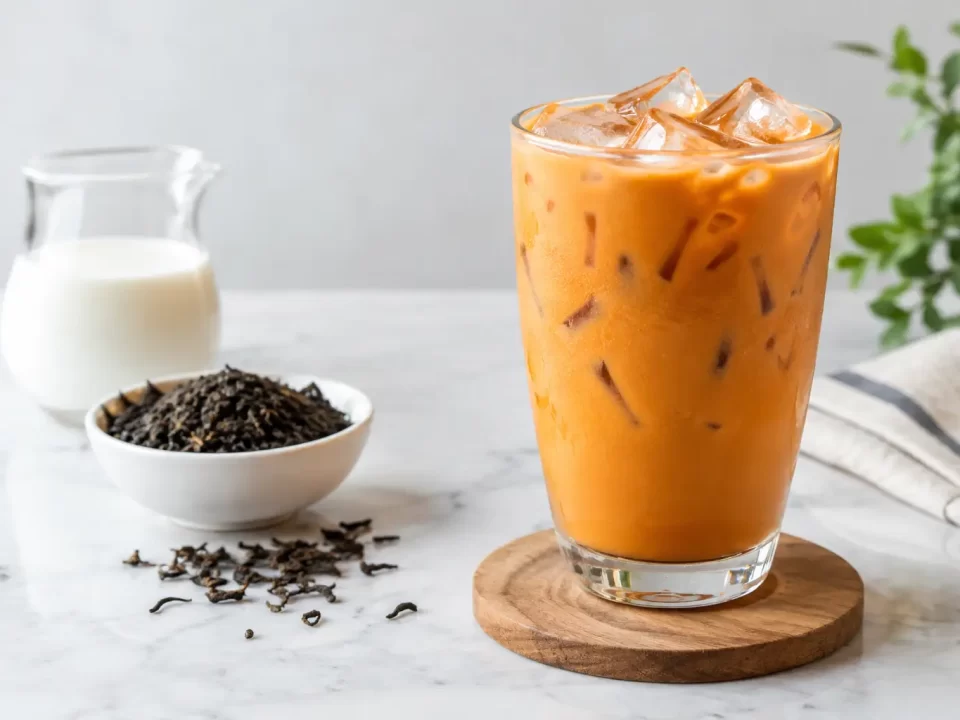
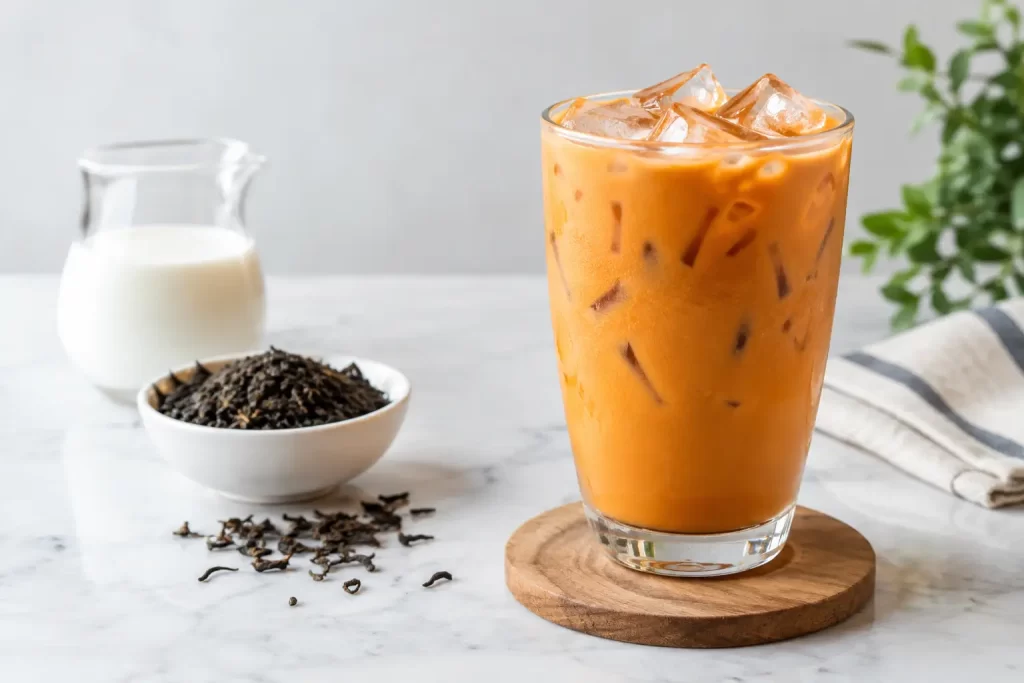
Thai food has a well-earned reputation for heat, but not every Thai dish is intensely spicy. Many dishes can be prepared with a level of heat that suits the table, while still preserving the citrusy, savory, and aromatic character that makes them special. Thai milk tea, for instance, brings a creamy, sweet finish that is especially welcome after a bold meal.
Chinese food also ranges from mild to fiery. Some regions use chilies generously, while others focus more on subtle seasoning, seafood freshness, soy-based savory notes, or gentle sweetness. If spice is your deciding factor, ask about the specific dish and regional style rather than relying on the cuisine label alone.
A better way to choose is to think about the flavors you want to remember after the meal. Want lime, chilies, herbs, coconut, and a little excitement? Choose Thai. Want wok aroma, savory sauces, noodles, dumplings, or slow-cooked comfort? Chinese food may call your name. And when the group cannot agree, the best answer might simply be to plan two meals.
Choosing Thai Food for Your Next Group Meal
Thai food shines when the table wants bold choices without feeling weighed down by one flavor profile. Start with Tom Yum Seafood for its fragrant, sour-spicy character, add Pad Thai for familiar comfort, and include Pad Kra Pao for basil-forward savory heat. The combination gives guests different textures and spice levels while keeping the meal connected by Thai herbs and seasoning.
That flexibility is also what makes Thai food a strong choice for casual catch-ups, family dinners, and catered gatherings. A well-planned Thai spread can offer comforting noodle dishes, rice plates, soups, curries, grilled favorites, and cooling drinks in one colorful meal. At Soi 55, that shared-table energy is part of the experience: modern Thai recipes made for people who want familiar favorites, bold flavor, and an easy reason to stay a little longer.
The most satisfying choice between Thai and Chinese food is the one that matches your craving, your company, and the mood of the table. If tonight calls for fragrant herbs, lively heat, and dishes built to be shared, let Thai food bring that bright, delicious energy to the meal.