How to Host Thai Dinner for Friends at Home
September 30, 2026
What Are the Top 20 Thai Dishes Worth Trying?
October 4, 2026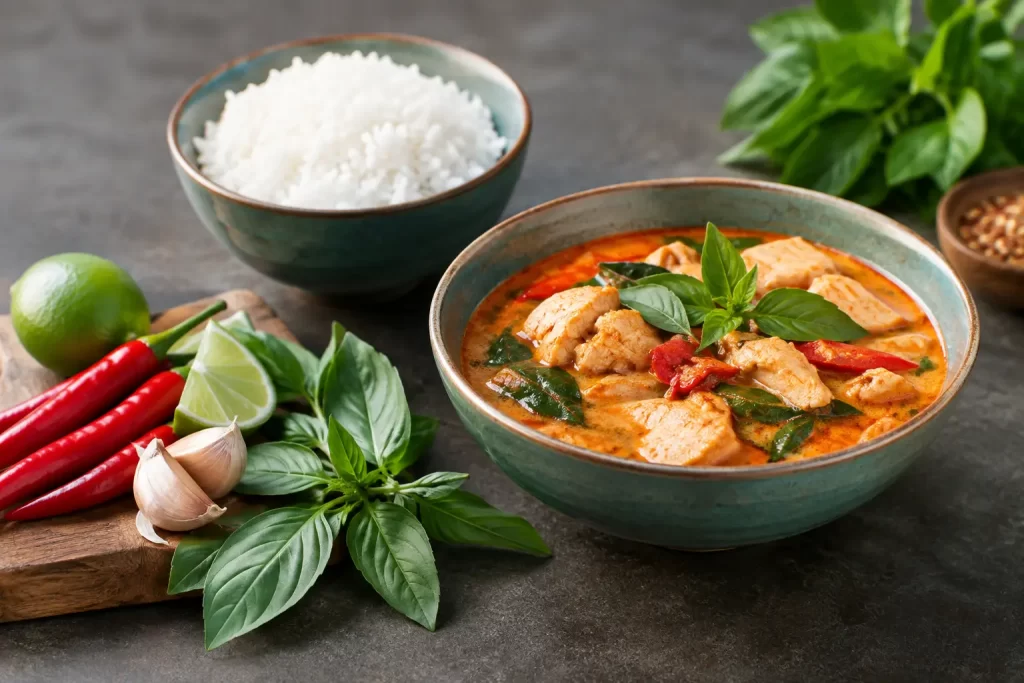
A spoonful of Tom Yum can wake up the whole table before the main dishes arrive. That is the power of the Thai flavor profile: it does not rely on one dominant note. Instead, it brings brightness, savoriness, fragrance, heat, and a touch of sweetness into conversation, so every bite feels lively and complete.
For diners, that balance is why Thai food works just as well for a quick midweek meal as it does for a long catch-up with friends or a family dinner. One person may reach for something fiery, another may want noodles, and someone else may be craving a comforting curry. A well-built Thai menu gives the table room to share, taste, and find its own favorite combination.
The Thai Flavor Profile Is Built on Balance
Thai cooking is often described through four main tastes: sweet, sour, salty, and spicy. In practice, there is also an essential savory depth, plus the fresh aroma of herbs. The goal is not to make every dish equally sweet, sour, or hot. The goal is to make each element feel purposeful.
A bright squeeze of lime can lift a rich broth. Fish sauce can bring salty, savory character without making a dish taste flat. Palm sugar may soften a sharp edge, while fresh chilies provide a heat that arrives quickly or builds gradually. Herbs such as lemongrass, galangal, Thai basil, kaffir lime leaves, and cilantro add their own fragrant personality.
This is why Thai food can feel so exciting even when the ingredients are familiar. Rice, noodles, seafood, chicken, vegetables, and eggs become something more expressive when they are supported by a well-judged sauce, aromatic paste, or broth. The contrast is the point.
Sour: The Spark That Keeps Dishes Fresh
Sourness in Thai food is bright and refreshing rather than heavy. Lime juice is a familiar source, but tamarind also plays a major role, especially in dishes with a deeper, fruitier tang. This tartness cuts through richness and keeps the palate ready for another bite.
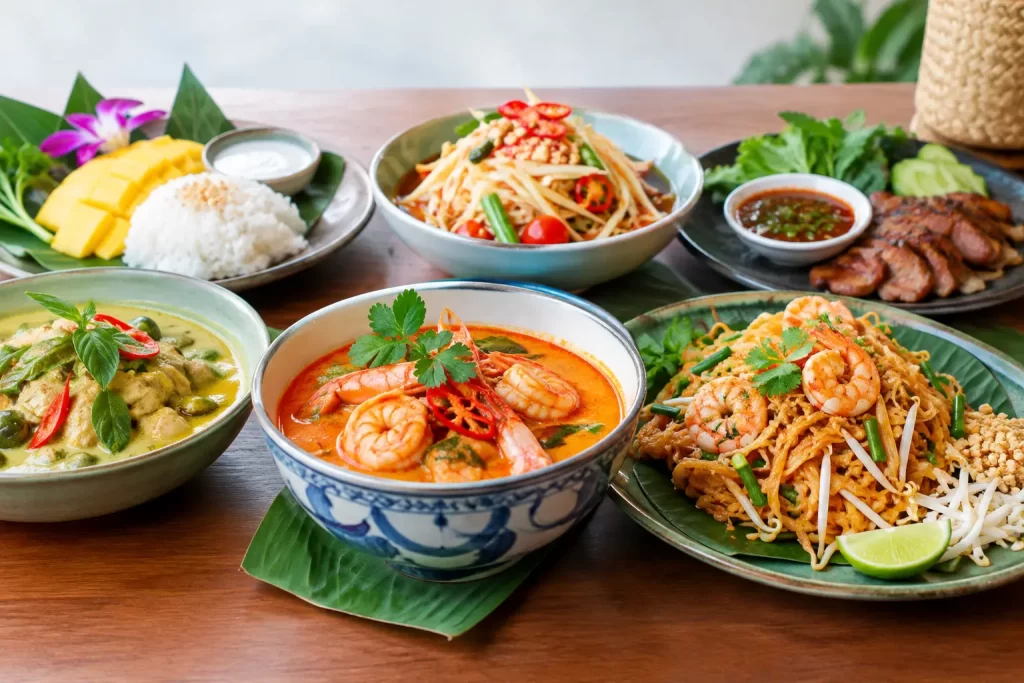
Think about Pad Thai. Its appeal is not simply the noodles or the wok-fired aroma. Tamarind gives the dish a gentle tang, which works with sweetness and savoriness to make the flavors feel rounded. Add crushed peanuts, fresh lime, and chili to taste, and the plate becomes even more personal.
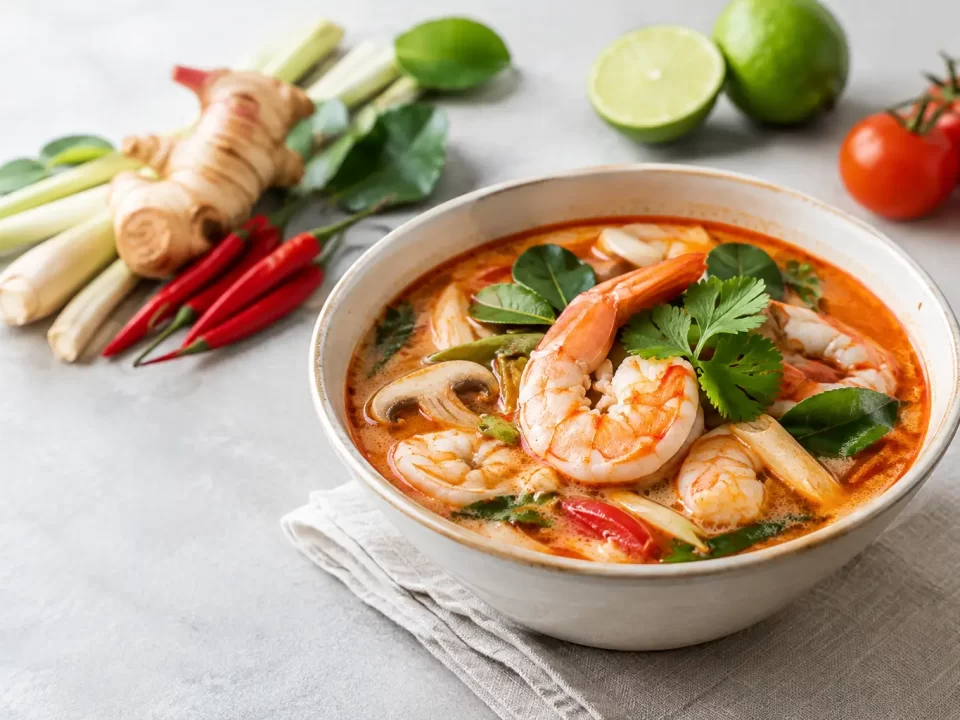
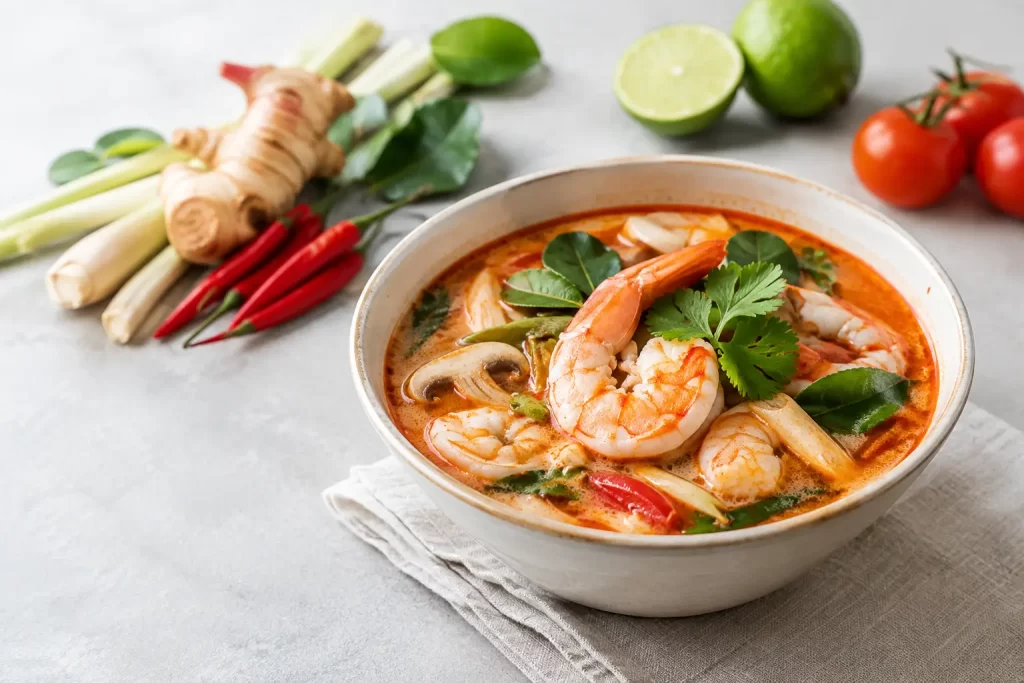
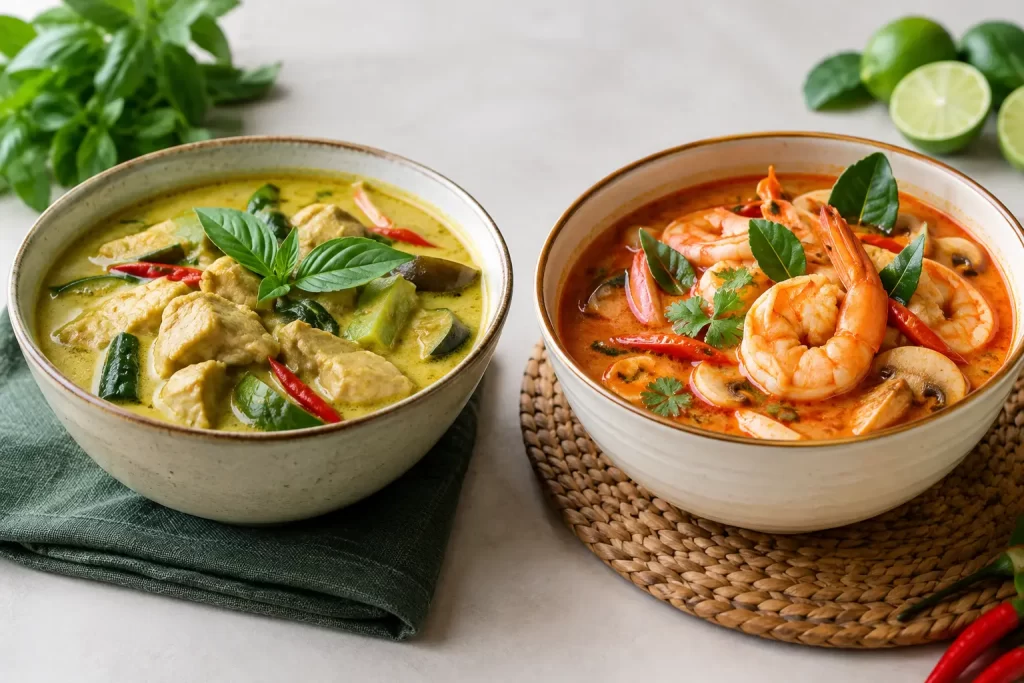
In a soup such as Tom Yum Seafood, sourness gives the broth its unmistakable lift. It keeps the spicy and savory elements from becoming too intense, creating a bowl that feels bold but still refreshing.
Salty and Savory: The Foundation of Depth
Saltiness in Thai cooking often brings more than salt alone. It carries umami, the savory quality that makes a broth fuller, a stir-fry more satisfying, and a sauce linger pleasantly. Fish sauce, soy-based seasonings, fermented ingredients, and dried seafood can all contribute depending on the dish and regional style.
This savory foundation matters because it supports the brighter flavors. Without it, a sour and spicy dish may taste thin. With it, the same dish has body and character. The best versions do not taste aggressively salty. They taste complete.
For Malaysian diners who enjoy rice-based meals, this depth is a big part of the appeal. A fragrant stir-fry like Pad Kra Pao, served with warm rice and a fried egg, feels direct and comforting. The basil, chilies, sauce, and wok heat do the work, while the rice gives every flavorful spoonful a calm, satisfying base.
Sweetness: A Balancing Note, Not the Main Event
Sweetness in Thai food is often misunderstood. It is rarely there just to make a dish sweet. Instead, it rounds out acidity, tempers heat, and makes savory notes feel more generous. Palm sugar can bring a soft caramel-like quality, while coconut milk adds a natural creamy sweetness to curries.
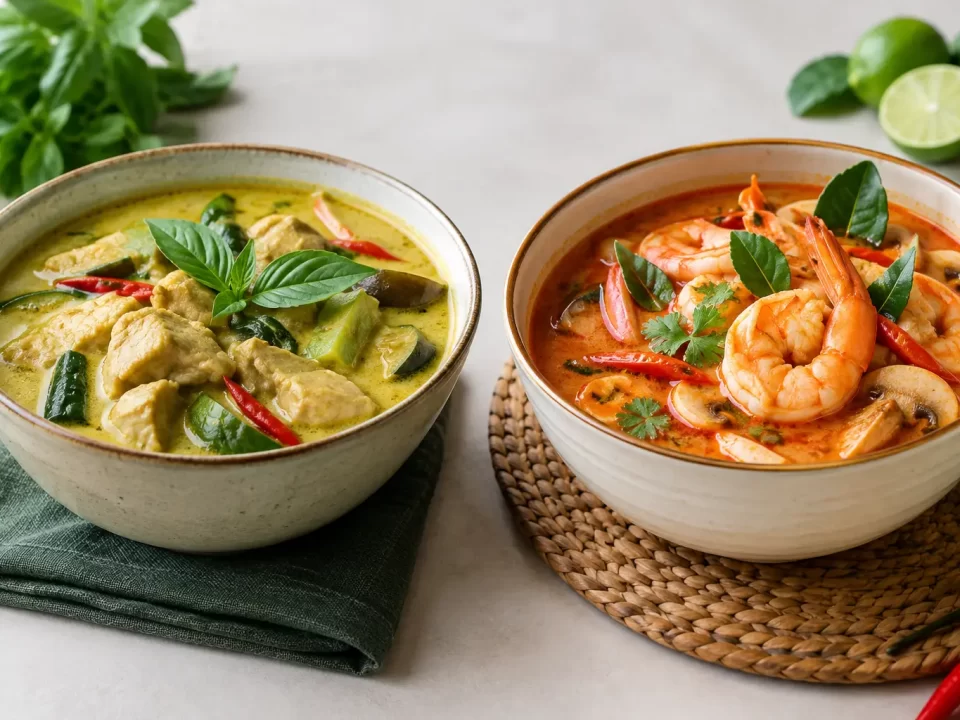
A green curry is a good example. Coconut milk creates richness, but the dish should still have aromatic lift from herbs and spice. If sweetness takes over, the curry loses its energy. If the heat is too forceful, the herbs disappear. Balance is what makes the sauce inviting enough to spoon over rice again and again.
The same idea applies to Thai milk tea. Its creamy, sweet comfort makes it a natural partner for dishes with chili, lime, and bold seasoning. The contrast is part of the enjoyment.
Heat: More Than Just Chili
Heat gets attention, but spicy food is only one part of Thai cuisine. Chilies can be fresh, dried, crushed, fried, or pounded into a curry paste, and each form brings a different kind of warmth. Some chilies hit fast and bright. Others create a slower, deeper burn.
A good Thai dish should not use heat to hide its other flavors. The spice should carry aroma and momentum. In a stir-fry, it may sharpen the basil and savory sauce. In a curry, it may deepen the fragrance of the paste. In a soup, it may play against the sour broth and tender seafood.
Your ideal spice level depends on the dish and your own preference. If you are sharing several plates, choosing a mix of mild, medium, and spicy dishes lets everyone enjoy the meal without one flavor taking over the table.
How Aromatics Create a Thai Flavor Profile You Remember
The aroma of Thai food often arrives before the first bite. Lemongrass smells citrusy and clean. Galangal brings a peppery, pine-like warmth. Thai basil adds a sweet, anise-like fragrance, while kaffir lime leaves offer a bright, unmistakable perfume.
These ingredients make Thai food feel fresh even when the dish is rich or spicy. They also create the difference between a dish that is merely hot and a dish that has real dimension. A curry paste, for example, is not just chili. It is a carefully layered blend of aromatics, spices, roots, and seasonings that develops during cooking.
That fragrance is especially important in dishes made for the center of the table. A sizzling basil stir-fry, a steaming curry, or a fragrant plate of noodles invites people to reach in, ask what they are smelling, and order another dish to share.
Choosing Thai Dishes for Different Cravings
There is no single “best” Thai order because the right meal depends on the occasion. For a light but flavorful lunch, noodle dishes and stir-fries can be satisfying without feeling too heavy. For a rainy evening or a group meal, a hot and sour soup alongside rice and a curry creates more variety.
If your table includes first-time Thai food diners, start with recognizable favorites such as Pad Thai, Thai milk tea, and a mild curry. Then add a bolder dish, perhaps Pad Kra Pao or Tom Yum Seafood, so everyone can experience the contrast that makes Thai food special.
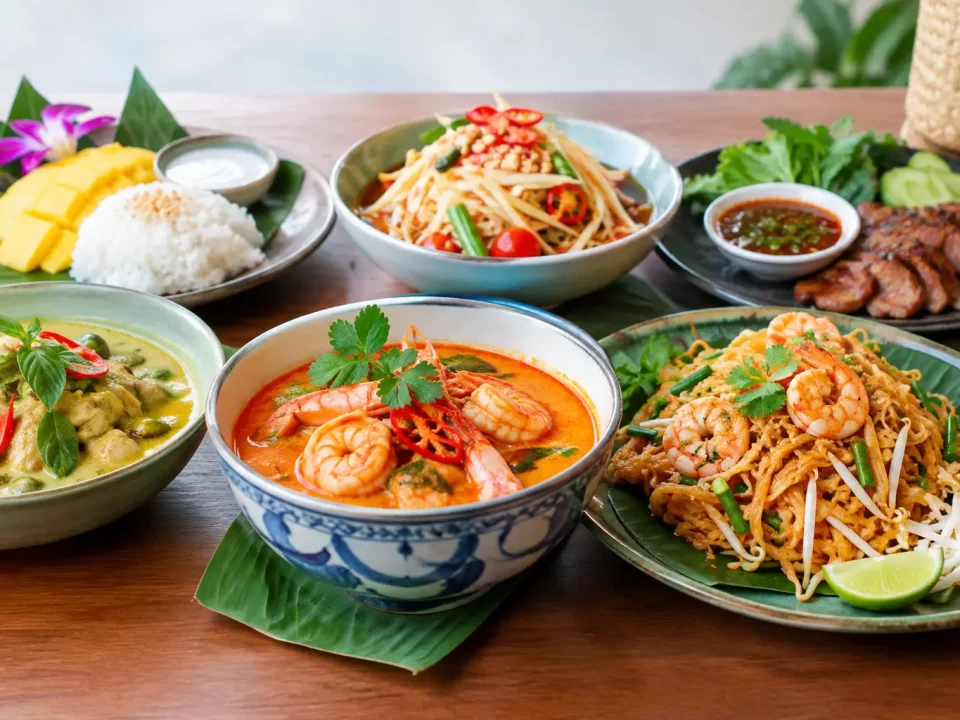
For larger gatherings, variety matters more than ordering several versions of the same flavor. Pair something creamy with something sour, something noodle-based with a rice dish, and a fresh vegetable plate with a richer main. This gives every person a chance to build a balanced bite.
At SOI 55 Thai Kitchen, that shared-table spirit is part of the experience. Thai flavors are made approachable for everyday meals, whether you are meeting colleagues after work, bringing the family together, or planning food for a larger celebration.
The next time you order Thai food, listen to what you are craving: the clean spark of lime, the warmth of chilies, the fragrance of basil, or the comfort of coconut-rich curry. Choose a few dishes that answer different cravings, pass them around, and let the table find its own perfect balance.