Pad Thai vs Fried Rice: Which Thai Favorite Wins?
August 21, 2026
Thai Milk Tea Review: Is It Worth Ordering?
August 25, 2026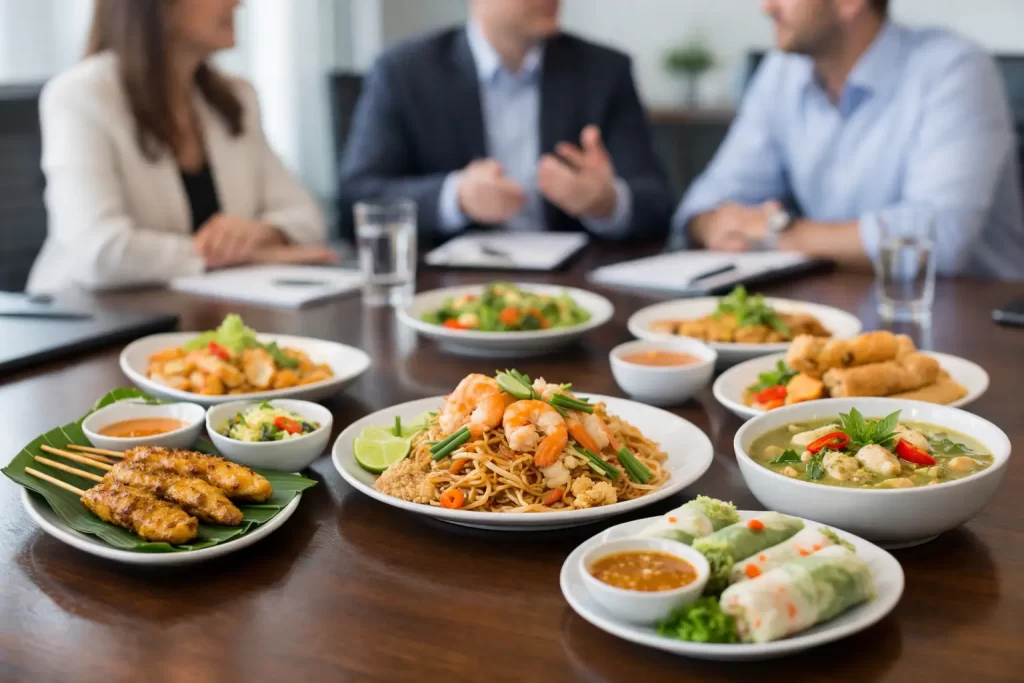
The agenda may bring everyone into the room, but the meal often decides the mood. Thai food for corporate meetings gives office teams something far more memorable than a standard boxed lunch: bright herbs, satisfying rice dishes, shareable plates, and enough variety for different appetites. Done well, it feels generous, organized, and full of the bold, delicious tastes people actually look forward to.
Why Thai Food Fits the Corporate Table
Corporate catering has to do more than feed a crowd. It needs to arrive on time, be easy to serve, look inviting, and suit a room that may include senior leaders, new hires, clients, and visiting partners. Thai cuisine meets that brief naturally because it balances familiar comfort with exciting flavor.
Rice-based meals, noodles, grilled proteins, vegetables, curries, and refreshing drinks create a spread with real choice without making the menu feel scattered. A guest who prefers something mild can enjoy a stir-fry or noodle dish, while those who enjoy heat can reach for a fragrant curry or a punchy chili-based dish. This range helps a group lunch feel thoughtful rather than one-size-fits-all.
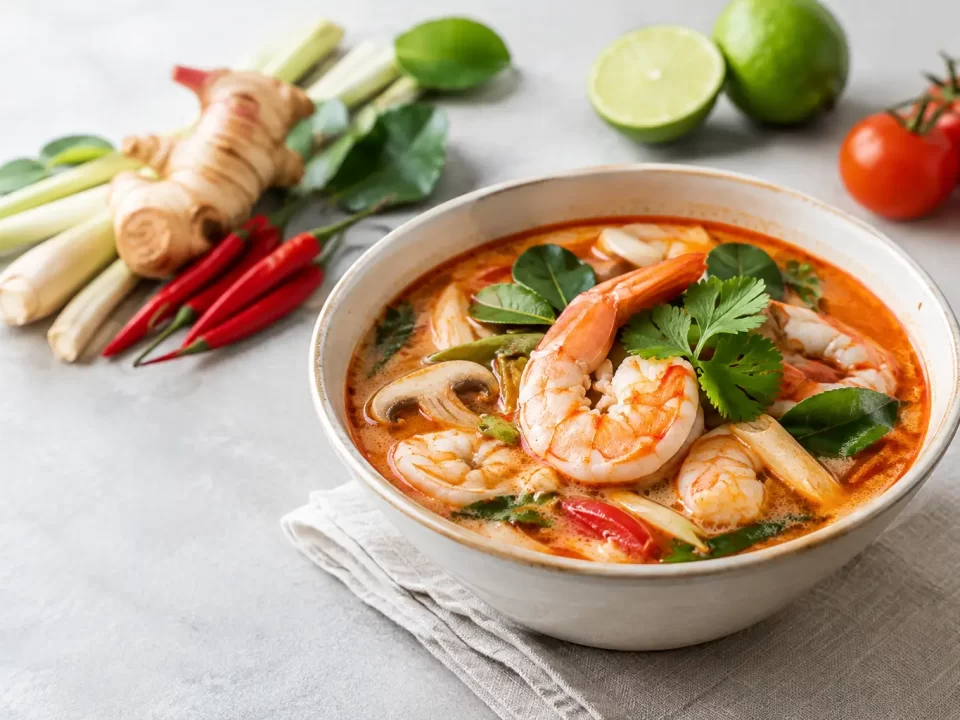
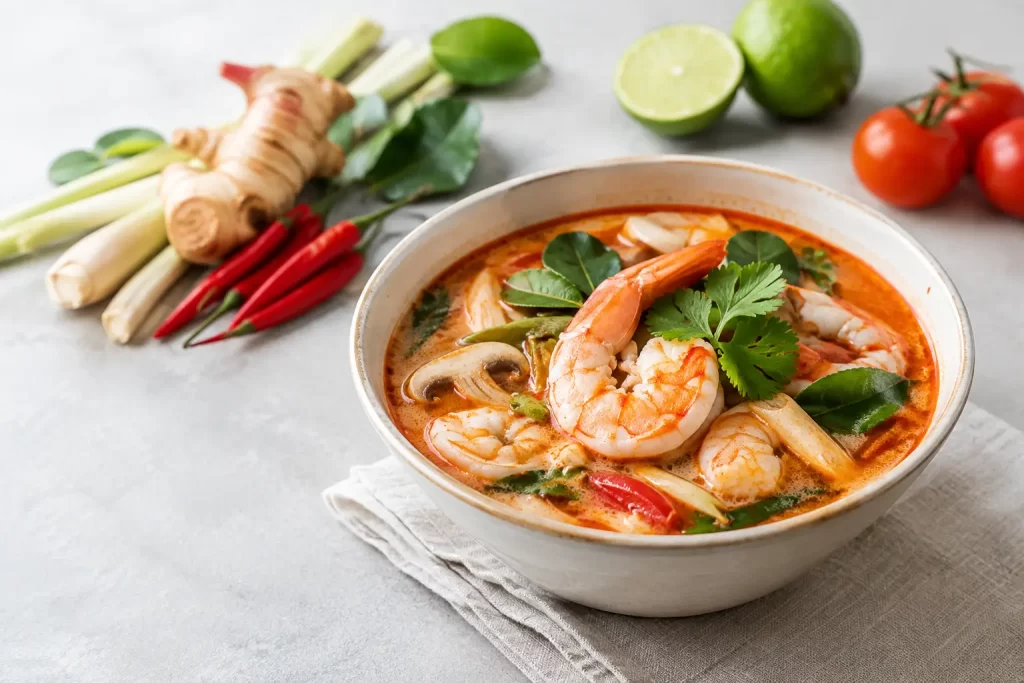
Thai food also encourages the kind of shared dining that strengthens a team gathering. Passing dishes, comparing favorites, and going back for another spoonful of Tom Yum Seafood create easy conversation before the presentation starts or after a long workshop ends. That matters when the goal is connection, not simply calories.
Building Thai Food for Corporate Meetings
The strongest corporate menu is not the one with the most dishes. It is the one that gives every guest a satisfying plate while keeping service practical. Start by thinking about the meeting format, the number of people attending, and whether the food will be served before, during, or after the main session.
Match the menu to the meeting schedule
For a lunchtime training session, choose dishes that are flavorful but comfortable to eat at a table. Pad Thai, fragrant rice, stir-fried vegetables, grilled selections, and a mild curry can provide a filling meal without slowing down the afternoon. If guests will be eating during a presentation, prioritize tidy portions and dishes that do not require constant attention.
For an evening appreciation event or client dinner, the menu can be more expansive. Add signature dishes with richer sauces, seafood, and a balance of spicy, savory, sweet, and sour flavors. A well-planned spread feels celebratory while still staying accessible to guests who may be trying modern Thai cuisine for the first time.
Breakfast meetings and short mid-morning sessions call for a lighter approach. Refreshing beverages, small bites, and uncomplicated sharing dishes are often a better fit than a full banquet. The point is to support the occasion, not overwhelm it.
Give guests a clear balance of choices
A good Thai corporate spread usually needs a dependable centerpiece, vegetable dishes, a starch, and a drink. Pad Kra Pao offers savory satisfaction, while Pad Thai brings familiar noodle comfort. Tom Yum Seafood can add a lively, aromatic contrast, especially for teams that appreciate a little spice.
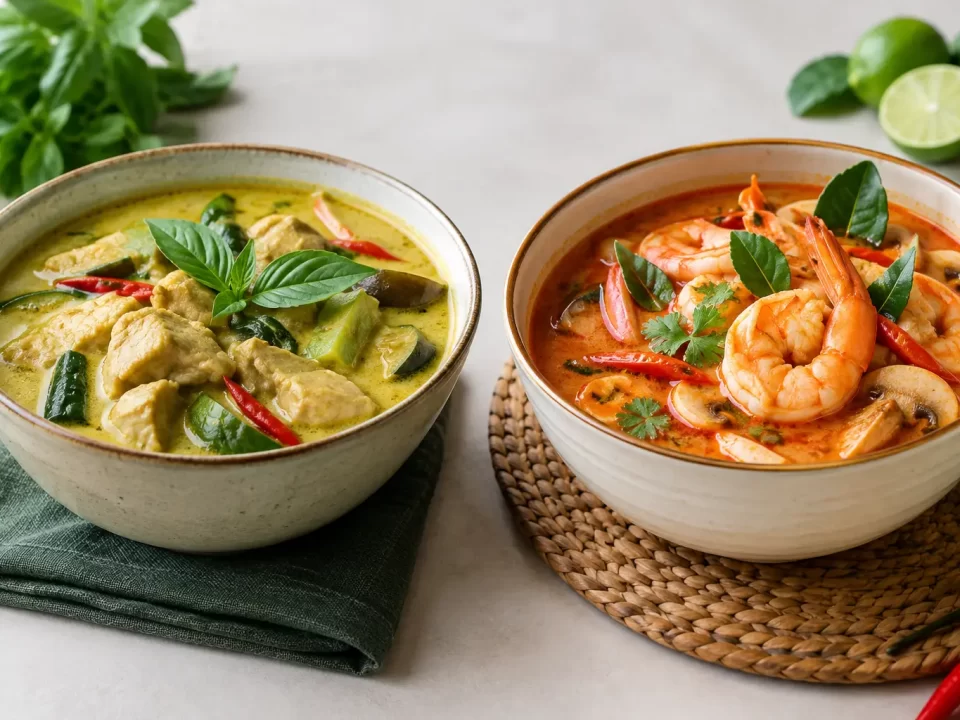
The trade-off is that not every crowd wants the same level of heat. Rather than making every dish mild, choose a balanced menu: include approachable staples alongside one or two dishes with a stronger spicy profile. Ask the caterer whether sauces, chilies, or condiments can be served separately. That simple detail lets guests adjust their plates without compromising the character of the food.
Vegetarian preferences, food allergies, and other dietary requirements should be collected before the order is finalized. Clear dish labels help everyone choose confidently and reduce interruptions once the meal begins. For larger groups, it is also wise to order enough vegetarian-friendly choices that guests do not have to race for the only suitable option.
Do not underestimate drinks and dessert
A corporate meal feels more complete with a drink that fits the menu. Thai Milk Tea is a familiar favorite with its creamy sweetness and distinctive tea flavor, particularly at informal office celebrations or team lunches. For a more formal setting, offer a mix of beverages so guests can choose what suits them.
Dessert can be modest, but it should be intentional. A small sweet finish is especially useful after spicy dishes and gives the team a natural moment to relax before returning to the agenda. It is a simple way to make a catered meal feel like an occasion.
Practical Details That Keep Service Smooth
Great food can still fall flat if it arrives too early, too late, or in portions that do not match the guest count. Confirm the delivery or setup time based on when people will actually be ready to eat, not just when the meeting begins. A room full of attendees delayed by introductions should not be met with food sitting out longer than planned.
Portion planning depends on the event. A working lunch with no other food requires more substantial portions than a late-afternoon meeting with snacks and drinks. If the group includes active staff coming from site visits or a long morning of presentations, plan for heartier appetites. If the meal follows a cocktail-style reception, a lighter selection may be enough.
Ask how the dishes will be packed and served. Family-style trays create a warm, social atmosphere for team meetings and department celebrations. Individually packed meals may work better for large conferences, limited table space, or events with strict timing. Neither format is automatically better. The right choice depends on the room, the schedule, and how much interaction you want the meal to encourage.
Labeling deserves attention, too. Names of dishes, spice guidance, and dietary notes help guests move through the buffet quickly. This is particularly helpful when clients or colleagues are unfamiliar with Thai dishes. A short, appealing label such as “stir-fried basil chicken with rice” is clearer and more welcoming than leaving guests to guess.
A Menu That Feels Generous, Not Complicated
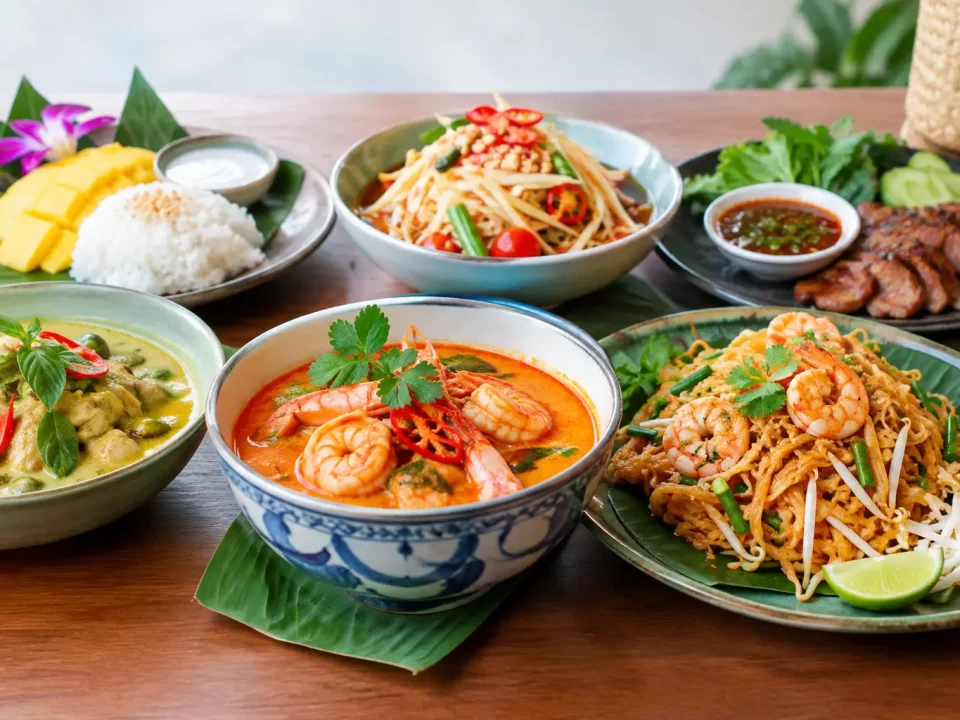
For most office groups, a focused menu of five to seven dishes can feel plentiful when it is chosen with care. Begin with rice or noodles, then add a protein-forward stir-fry, one curry, a vegetable dish, and a signature soup or seafood selection if the format allows. Finish with drinks and a small dessert option.
This approach creates contrast on the table: saucy dishes beside crisp vegetables, savory stir-fries beside fragrant curries, and cooling drinks beside brighter spicy flavors. It also avoids the common catering mistake of ordering several dishes that taste too similar. Variety should come from texture, heat level, and style, not just from adding more trays.
For a client-facing event, choose recognizable favorites first. Pad Thai, Tom Yum Seafood, and Thai Milk Tea are easy conversation starters and represent the vibrant side of Thai dining without feeling unfamiliar. For an internal team that already knows the cuisine well, add more adventurous selections or stronger flavors to make the meal feel special.
Soi 55 brings this kind of modern Thai dining to office gatherings with signature dishes that are made for sharing, from comforting noodles to aromatic soups and bold stir-fries. For companies with teams across busy Malaysian business areas, having an experienced restaurant partner can make menu planning feel far less stressful.
When Thai Catering Makes the Most Sense
Thai catering works especially well for team lunches, workshops, product launches, staff appreciation meals, client presentations, and festive office gatherings. It is also a smart choice when you need a menu that feels more personal than standard corporate fare but remains easy for a mixed group to enjoy.
It may be less suitable for a highly formal, plated event where the program leaves little room for shared service, or for a meeting with very narrow dietary limitations. In those cases, the answer is not necessarily to avoid Thai food, but to simplify the menu, confirm every requirement early, and choose the serving style carefully.
The best corporate meals make people feel considered. Bring flavorful Thai dishes to the table, plan for the people in the room, and let the meal give your meeting a warmer, more memorable finish.