Why Thai Food Is the Best, Really
May 15, 2026
Tom Yum Seafood Near Me That’s Worth It
May 17, 2026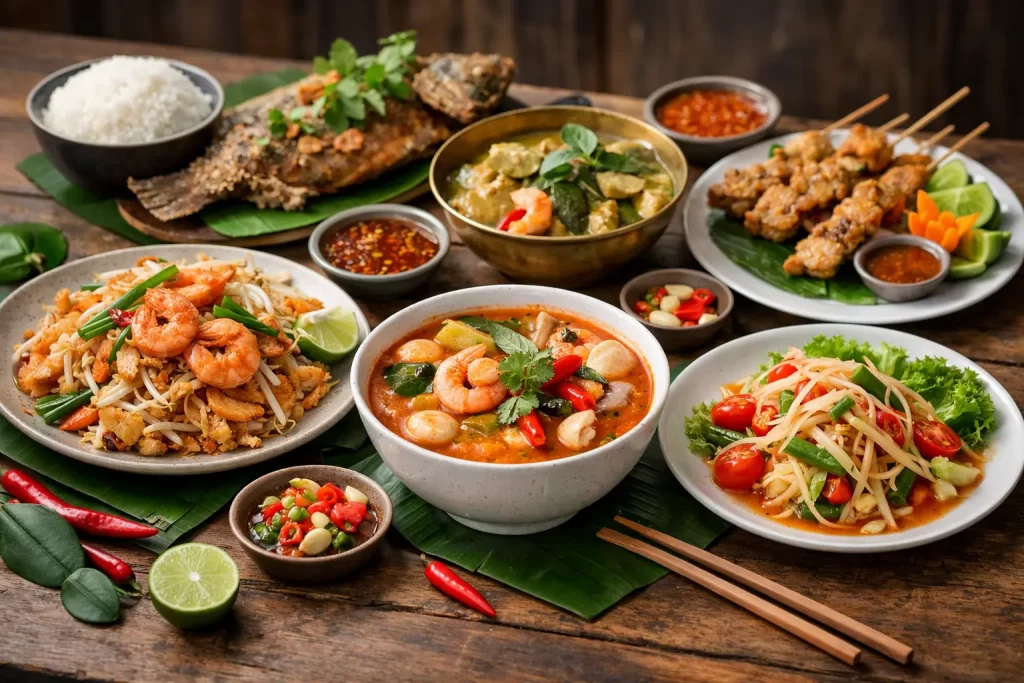
You can spot a forgettable Thai meal before the plates even arrive. The menu feels generic, the spice level is timid, and every dish seems built to play it safe. An authentic thai food menu feels different right away. It promises contrast, confidence, and the kind of bold and delicious taste that makes the whole table lean in as soon as the food lands.
For many diners, authenticity is not about chasing the most obscure dish or proving how adventurous they are. It is about whether the food tastes alive. Thai cuisine works because it balances heat, sourness, sweetness, saltiness, and aroma in a way that feels exciting but still deeply comforting. When a restaurant gets that balance right, even familiar favorites like Pad Thai or Tom Yum feel sharper, fuller, and much more memorable.
What an authentic thai food menu really needs
A strong Thai menu is never one-note. It should not rely only on spicy food, and it should not flatten every dish into the same sweet-savory profile. Authenticity shows up in variety. You should see soups that wake up the palate, stir-fries with punchy wok aroma, rice dishes that feel satisfying rather than heavy, and drinks or desserts that cool things down after the heat.
That range matters because Thai food is built for shared dining. One person orders something rich and savory, another goes for something bright and spicy, and the table becomes more enjoyable because the dishes play off each other. A good menu understands that dynamic. It offers enough contrast for couples, families, friend groups, and office teams to build a meal that feels social instead of repetitive.
It also helps when the menu respects classics. Modern presentation and a comfortable dine-in setting can absolutely work, but the core flavors still need to feel rooted in real Thai cooking. If Tom Yum tastes flat, if basil stir-fry lacks fragrance, or if the noodles are just sweet without depth, the menu may look Thai without really delivering the experience people came for.
Signature dishes that belong on an authentic Thai food menu
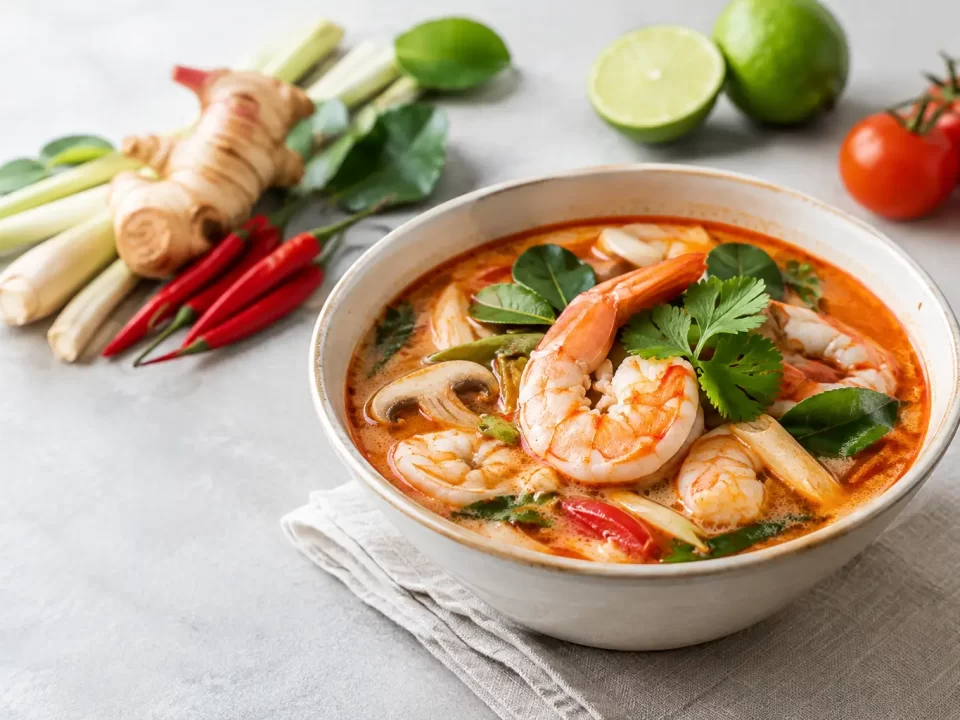
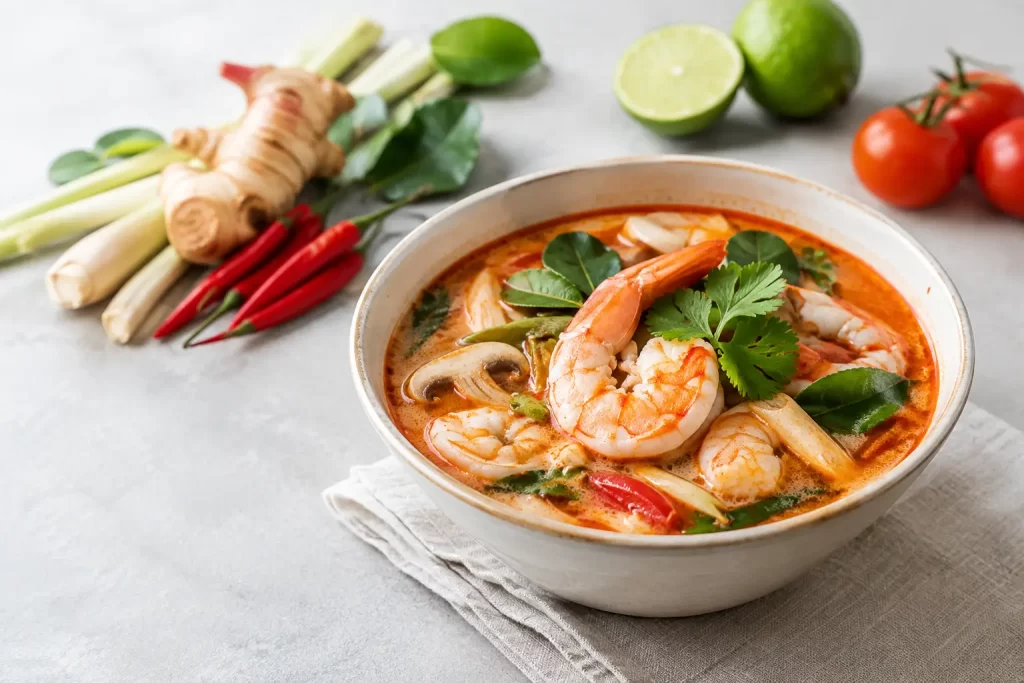
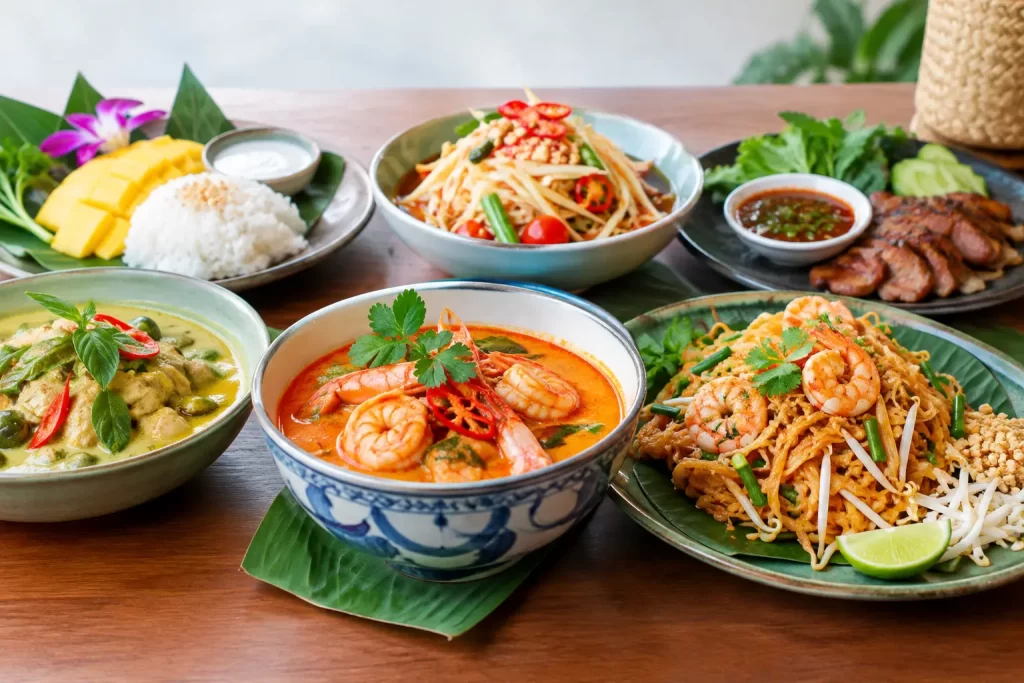
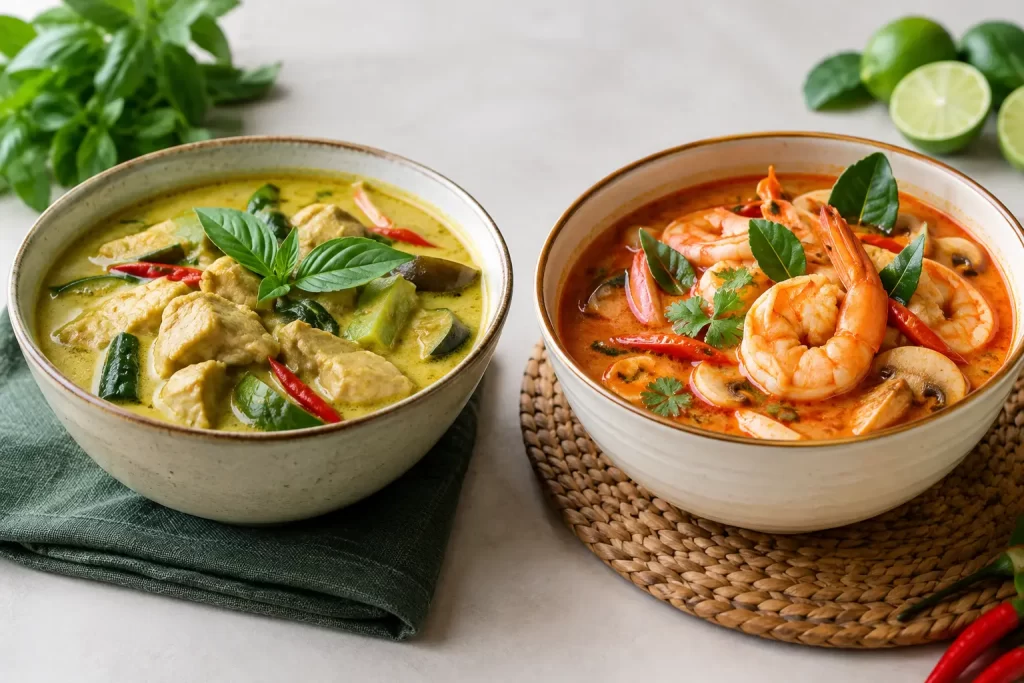
Some dishes have earned their place because they introduce Thai flavor so clearly and so well. Tom Yum Seafood is one of them. It should be aromatic, sour, spicy, and layered rather than simply hot. A proper bowl wakes you up. You get the citrusy lift, the savory body of the broth, and that unmistakable heat that keeps drawing you back for another spoonful.
Pad Thai is another essential, but it is often the most misunderstood. A great version is not supposed to be overly sticky or candy-sweet. It should have balance, with chew from the noodles, savory depth, a little tang, and enough texture to keep each bite interesting. Done well, it is familiar for first-time diners and still satisfying for people who order Thai food often.
Pad Kra Pao deserves just as much attention. This dish shows how Thai cooking can be direct and powerful without being complicated. Holy basil, chilies, and savory seasoning come together fast, but the result is intensely fragrant and deeply satisfying. It is the kind of dish that tells you a lot about a kitchen because there is nowhere to hide.
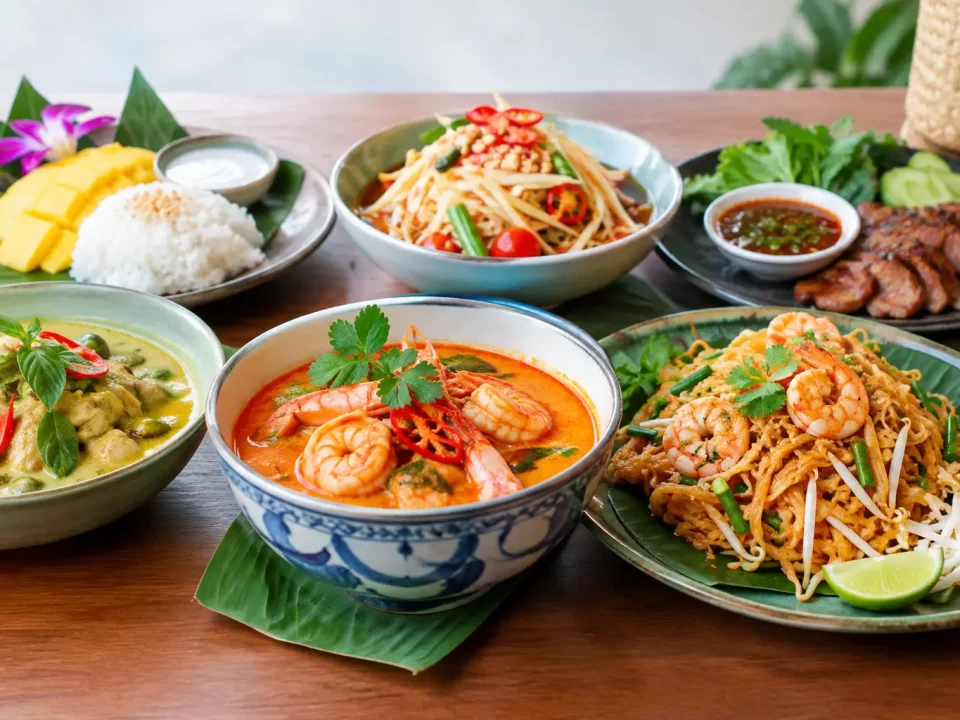
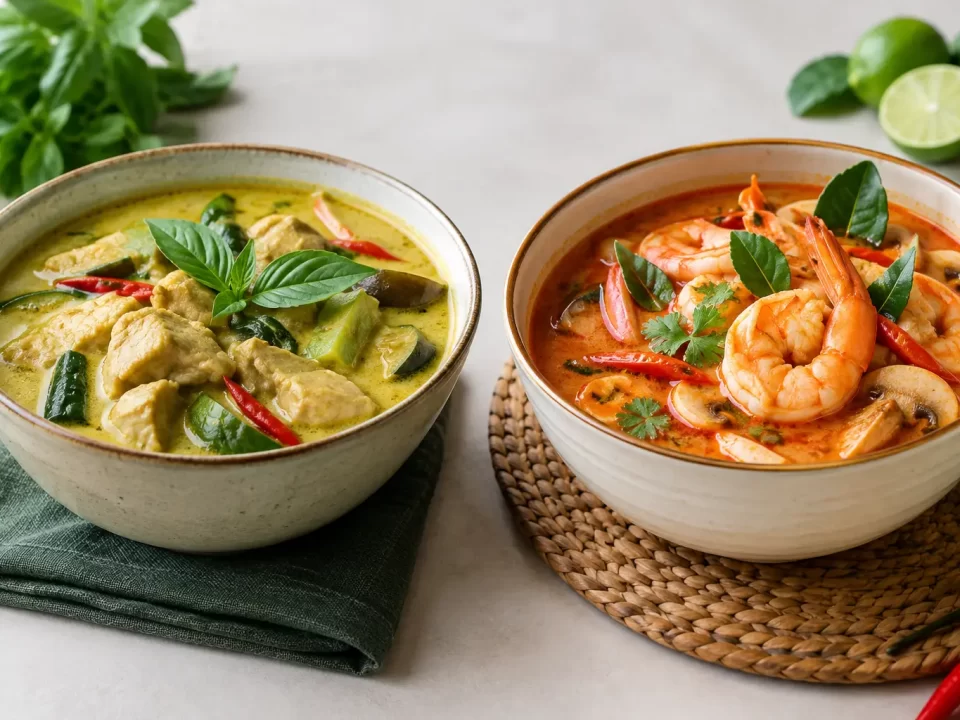
Then there are the supporting dishes that make the meal feel complete. Green curry, fried rice, grilled items, omelets, fresh vegetables, and crisp appetizers all have a role. Not every menu needs to be huge. In fact, a tighter menu can be better if the kitchen executes it well. What matters is having enough variety to represent the breadth of Thai dining rather than reducing it to two noodle options and one soup.
The flavor balance diners should expect
If there is one thing that separates authentic Thai food from a watered-down version, it is balance. Thai cooking is bold, but bold does not mean chaotic. The best dishes hit more than one note at once.
Take a spicy stir-fry. The heat should be there, but it should not erase the aromatics. A soup can be sour and spicy while still tasting savory and rounded. Even sweeter dishes should have enough salt, acid, or char to keep them from feeling flat. That interplay is what makes Thai food so craveable.
This is also where authenticity can depend on the audience. In a restaurant serving a broad Malaysian crowd, spice levels may need a little flexibility. That is not automatically a compromise. It becomes a problem only when every dish is toned down so much that the menu loses its Thai identity. A smart restaurant keeps the flavor structure intact while letting diners choose how far they want to push the heat.
Why authenticity is not the same as being intimidating
Some diners hear the word authentic and assume it means unfamiliar ingredients, extreme spice, or a menu that feels hard to navigate. That is not the only way authenticity works. A welcoming Thai restaurant can be approachable and still stay true to its roots.
In fact, that balance is often what makes a modern Thai dining experience so appealing. You want the heart of Thailand on the plate, but you also want a setting that works for lunch breaks, family dinners, casual catch-ups, and celebrations. You want dishes you recognize, prepared with enough care and confidence that they taste like more than generic takeout.
This is why popular staples matter. When classics are done properly, they become the bridge between comfort and credibility. A diner does not need to be an expert to appreciate a well-made Tom Yum or a fragrant basil stir-fry. The food does the talking.
How to read an authentic thai food menu before you order
A menu can tell you a lot if you know what to look for. First, check whether the classics are present and treated like signature dishes rather than afterthoughts. If a restaurant highlights staples such as Tom Yum Seafood, Pad Thai, and Pad Kra Pao, that is usually a good sign, especially when those dishes reflect different cooking styles and flavor profiles.
Next, look for balance across categories. There should be a mix of soups, noodles, rice dishes, stir-fries, and drinks. Thai Milk Tea, for example, may seem simple, but it plays an important role. It cools the palate, adds a sweet creamy contrast, and rounds out a meal built around spice and aromatics.
Then pay attention to whether the menu feels built for sharing. Thai food shines when the table has contrast. If everything reads as heavy, fried, or sweet, the experience may feel one-dimensional. If the menu offers fresh, spicy, savory, soupy, and comforting options, it is more likely to deliver the full experience.
Why the dining setting matters too
An authentic menu is only part of the experience. Thai food is social by nature, and the atmosphere should support that. Generous portions, dishes that arrive ready to share, and a lively, comfortable setting all help bring the cuisine to life. For urban diners, that matters just as much as flavor. The meal has to work for a quick weekday dinner, a relaxed weekend gathering, or a larger group celebration.
That is where a restaurant with a strong menu and accessible locations has a real advantage. Diners want authenticity, but they also want convenience and consistency. A place like Soi 55 works because it brings modern Thai flavor into an easy, enjoyable dining experience without stripping away the bold character people expect from the cuisine.
The same logic applies to catering and group dining. Thai food travels well when the menu is built thoughtfully. Crowd-pleasers such as noodle dishes, stir-fries, soups, and refreshing drinks can satisfy different preferences while still feeling cohesive. For office lunches, family events, or celebrations, an authentic Thai menu offers variety without losing its identity.
The best menus leave room for both comfort and surprise
A great Thai meal should give you at least one thing you came for and one thing you did not know you needed. Maybe you arrived planning to order Pad Thai and ended up talking about the Tom Yum long after dinner. Maybe the basil stir-fry became the dish everyone kept stealing from the center of the table. That is the mark of a menu with real character.
Authenticity is not about making diners work for their meal. It is about giving them food with backbone, flavor with contrast, and a dining experience that feels generous from the first sip to the last bite. When a restaurant gets that right, the menu stops being a list of dishes and starts becoming the reason people come back with more friends next time.
The next time you scan a Thai menu, look past the familiar names and ask a better question: does this menu sound bold, balanced, and genuinely Thai? If the answer is yes, you are probably about to have a very good meal.