Thai Dining Guide Malaysia for Everyday Meals
October 18, 2026
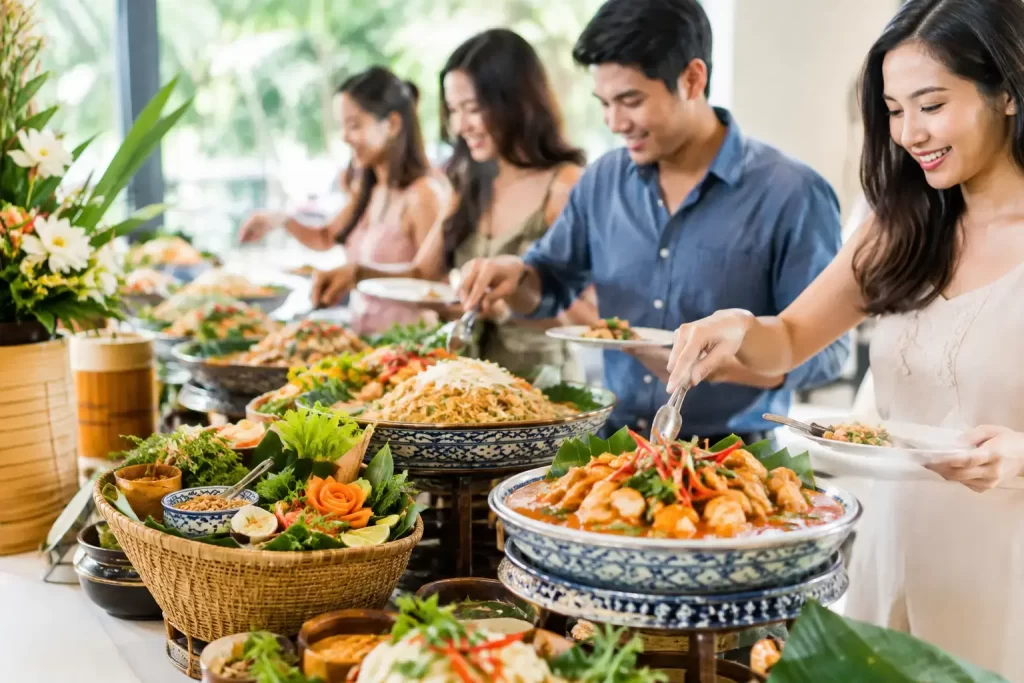
How to Plan a Corporate Thai Banquet for Teams
October 22, 2026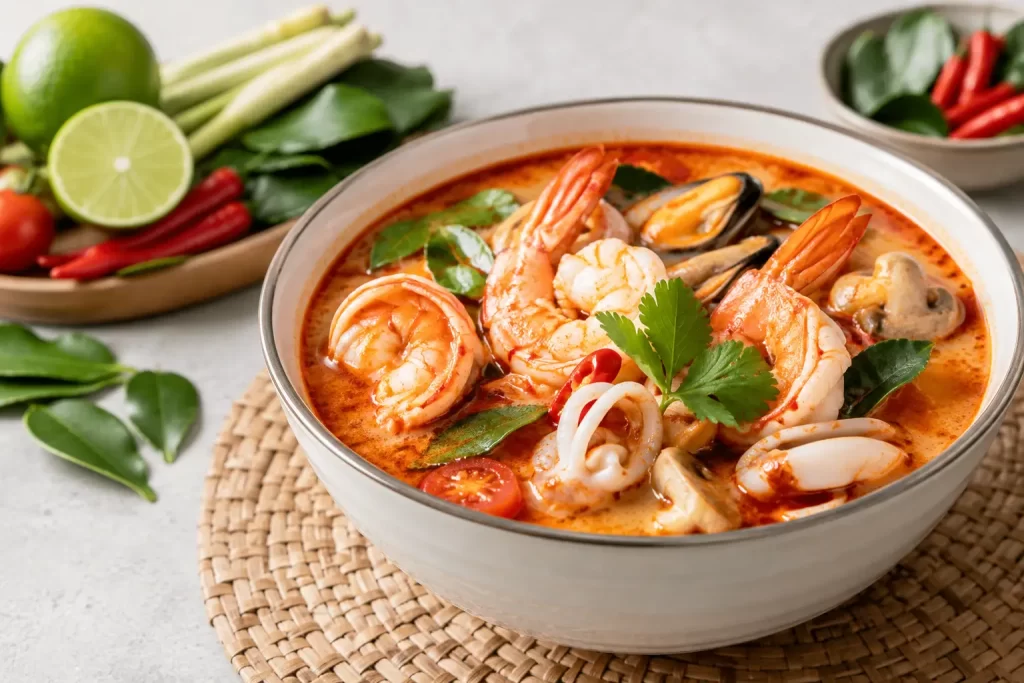
A great bowl of tom yum seafood announces itself before the first spoonful. You catch the clean lift of lemongrass, the citrusy spark of lime, and a warm chili aroma that makes the table lean in. This tom yum seafood guide malaysia diners can use is for anyone who wants more than a soup that is simply hot or sour. The best bowls are lively, deeply fragrant, generous with seafood, and made for sharing alongside a proper Thai spread.
For a midweek lunch, a family dinner, or a catch-up with friends, tom yum seafood has earned its place as a favorite Malaysian Thai restaurant order. It is comforting without being heavy, exciting without needing a special occasion, and flexible enough to suit a table full of different appetites.
What Makes Tom Yum Seafood So Good?
Tom yum is built on contrast. Its signature taste comes from a careful balance of sour lime, savory broth, aromatic herbs, chili heat, and a subtle touch of sweetness. Seafood brings another layer: natural sweetness from prawns, tender fish, squid, and shellfish, depending on the restaurant’s selection.
That balance is the whole point. A broth with too much lime can feel sharp rather than refreshing. Too much chili can hide the fragrance of the herbs. A broth that leans too sweet loses the bright, appetite-opening character that makes tom yum so satisfying. When it is done well, each spoonful lands differently: tangy at first, aromatic in the middle, then warmly spicy at the finish.
The key ingredients do serious work. Lemongrass gives the broth its fresh, citrus-like backbone. Galangal adds a peppery, earthy fragrance that is distinct from ginger. Kaffir lime leaves bring their unmistakable perfume, while chilies add depth as well as heat. Mushrooms, tomatoes, and onions can round out the bowl with texture and sweetness.
Clear or Creamy: Which Tom Yum Should You Order?
Malaysia’s Thai dining scene offers two familiar styles. Clear tom yum is bright, clean, and herb-forward. It is a strong choice when you want the natural flavor of the seafood and aromatics to come through clearly, especially on a warm day or alongside richer stir-fries.
Creamy tom yum has a fuller body and a deeper orange-red color. It carries the same sour-spicy personality, but with a rounder, more comforting texture. This style can be especially appealing for a group meal because it pairs beautifully with steamed rice and gives everyone something generous to ladle onto their plate.
Neither is automatically better. Choose clear tom yum when you want a sharper, lighter broth; choose creamy when the table is craving something more indulgent and mellow around the edges. If you are ordering for a mixed group, ask about the spice level before the bowl arrives. A well-made tom yum should be bold, but it should still let the seafood and herbs speak.
A Tom Yum Seafood Guide Malaysia Tables Can Actually Use
The easiest way to judge a bowl is to pay attention before you taste it. The aroma should feel fresh and inviting, not flat. You should be able to notice citrus, herbs, and chili rather than only one dominant scent. The broth should look appealingly active, with herbs and ingredients that signal it has been cooked with intention.
Then look at the seafood. It should be cooked just enough to stay tender. Prawns should be springy, squid should not be rubbery, and fish should break apart softly rather than turn dry. In a shared bowl, the seafood should feel like part of the experience, not a few pieces lost in a large amount of broth.
Finally, taste the broth with a little rice. This is where balance becomes obvious. Rice softens the spice and carries the flavor, making it easier to enjoy the soup over a longer meal. If the tom yum remains fragrant, tangy, and satisfying after a few bites with rice, it has real depth.
How Spicy Should It Be?
The right heat level depends on the table, not on anyone’s pride. Thai food is about flavor first, and chili should support the dish rather than turn dinner into a challenge. If you enjoy a steady kick, a medium-hot bowl usually lets the lime, lemongrass, and seafood remain clear. If your group includes children or diners who prefer gentler flavors, start milder and enjoy more chili on the side if it is available.
For regular Thai food fans, a bolder level can be brilliant with a clear tom yum. The spice cuts through the broth and keeps every spoonful energetic. But creamy tom yum may feel hotter than expected because its fuller texture encourages bigger spoonfuls. It depends on the recipe and the rest of your order, so balance matters more than bravado.
Build a Better Thai Meal Around Your Soup
Tom yum seafood is often the dish that brings the table together, but it shines brightest when it has the right company. A plate of steamed rice is essential for soaking up the broth and giving the meal a comforting foundation. From there, add dishes with different textures and flavor profiles rather than ordering several items that all compete for attention.
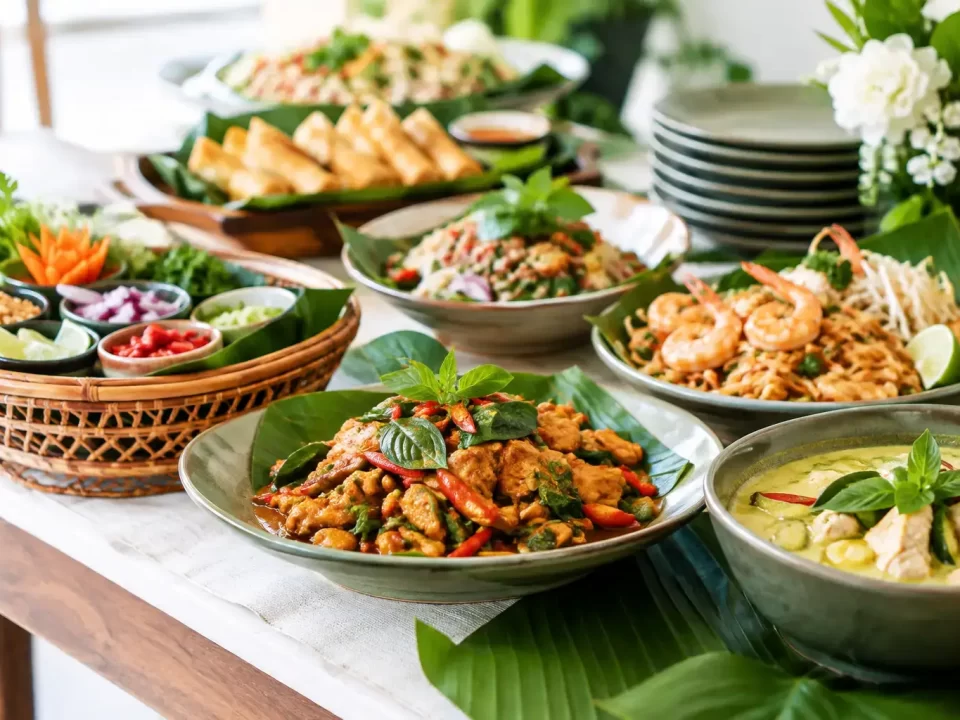
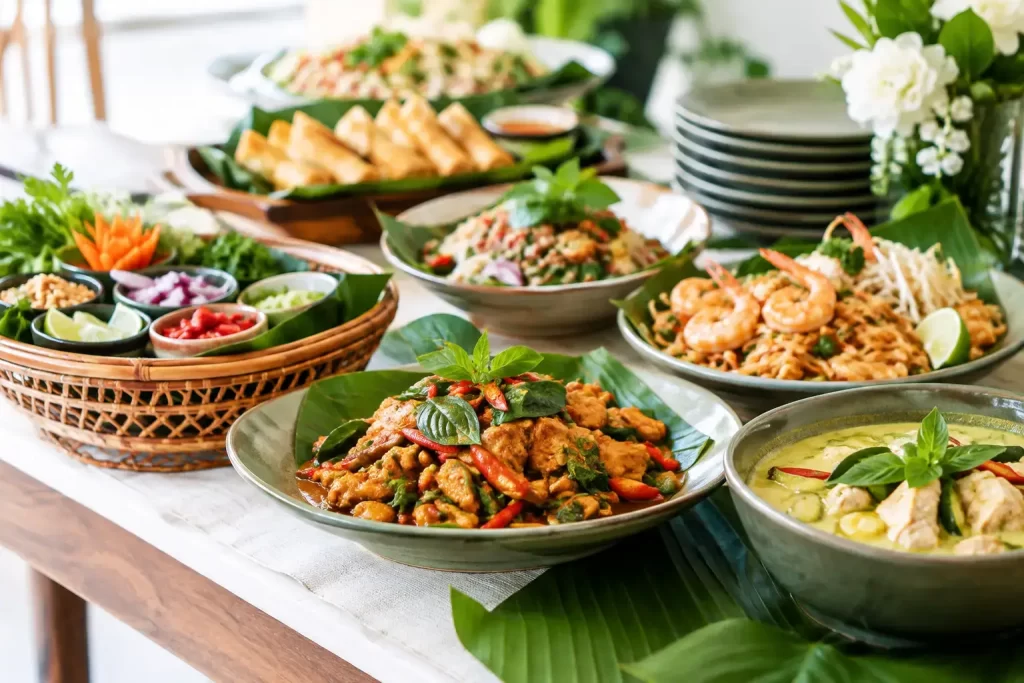
A savory basil stir-fry brings a punchy, aromatic contrast. Pad Thai adds soft noodles, roasted notes, and a touch of sweetness. A crisp vegetable dish can lighten the meal, while a Thai omelet adds a familiar, shareable comfort. The goal is not to make every dish spicy. Give your table moments of heat, freshness, crunch, and richness.
For drinks, Thai milk tea is a crowd-pleasing answer to a spicy spread. Its creamy sweetness offers a welcome cool-down between spoonfuls. If you prefer something brighter, choose a citrusy or herbal drink that will not fight the lime and chili in the soup.
Ordering for Two, Four, or an Office Team
For two people, a tom yum seafood bowl plus rice and two complementary dishes creates a complete meal without overordering. Let the soup be the flavor anchor, then choose one noodle or stir-fry dish and one vegetable or lighter side.
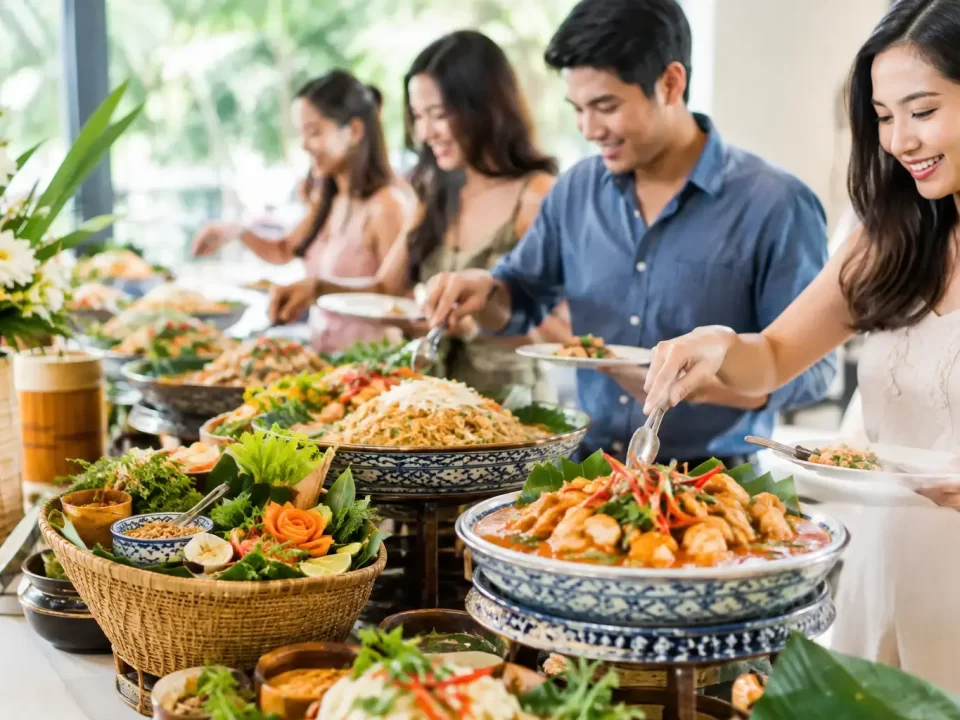
For four or more, tom yum becomes even more enjoyable because everyone can share the broth while trying a wider spread. Add dishes that appeal to different preferences: something noodle-based, something basil-forward, something crisp, and plenty of rice. This approach works especially well for office lunches and casual group dinners, where diners want familiar favorites but still enjoy passing dishes around.
When planning a larger gathering, think about service as well as the menu. Shared Thai dishes keep the table social, but hot soup needs to arrive at the right moment and in the right quantity. A restaurant experienced with group dining can help organize portions and create a menu that feels abundant without becoming repetitive.
Why Freshness and Consistency Matter
Tom yum looks simple on a menu, but it asks a lot from the kitchen. The broth needs time and attention. The herbs must be fragrant, the seafood must be handled carefully, and the balance of sour, spicy, savory, and sweet has to remain consistent from bowl to bowl.
That consistency matters when Thai food is part of your everyday dining routine. You want the same bold, delicious taste whether you are meeting friends after work, bringing family out for dinner, or grabbing a comforting meal in the middle of the week. At SOI 55 Thai Kitchen, the spirit is straightforward: bring the heart of Thailand to the neighborhood table with flavors that feel vibrant, approachable, and worth returning for.
Make Your Next Bowl Count
The best tom yum seafood does not need to shout with extreme heat or a heavy-handed sourness. It earns another spoonful through fragrance, balance, tender seafood, and a broth that makes steamed rice disappear quickly. Order it for the table, pair it with a few contrasting Thai favorites, and let the conversation linger as long as the last aromatic spoonful.