Thai Food for Family Dining KL Everyone Enjoys
October 28, 2026
How to Customize Event Catering for Thai Flavor
November 1, 2026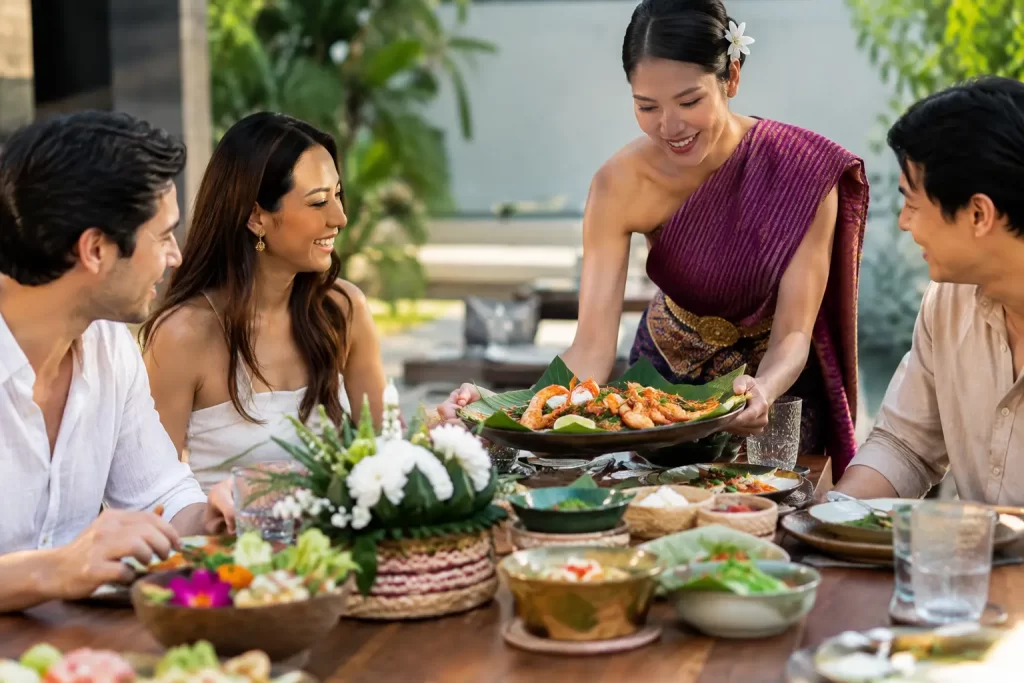
A birthday dinner can lose its energy when guests are waiting on separate orders. A team lunch can feel forgettable when the food gives people nothing to talk about. The right Thai private event setup changes that: bright flavors arrive at the center of the table, guests share freely, and the host gets to enjoy the occasion too. This Thai private event guide is for anyone planning a celebration, office gathering, family meal, or casual get-together with food that feels generous, familiar, and full of character.
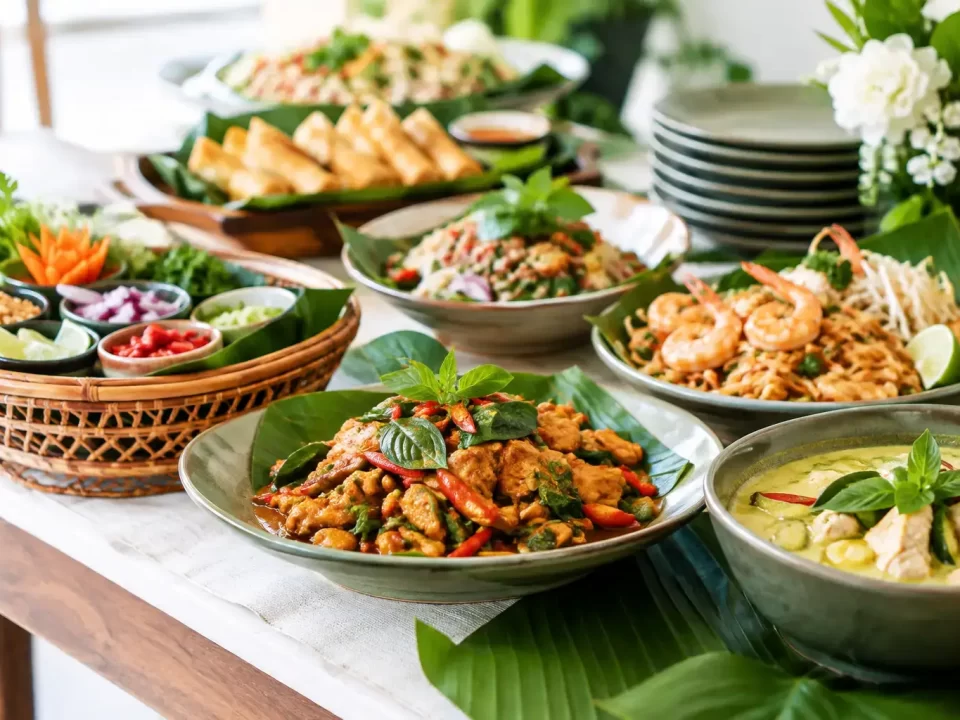
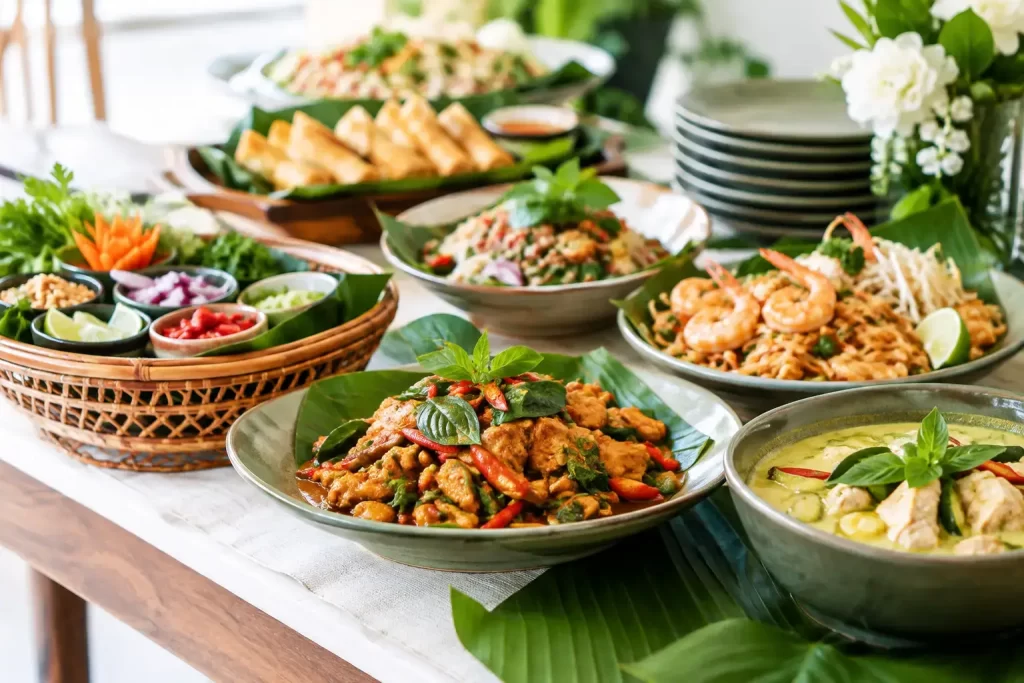
Thai food suits private events because it has range. One table can enjoy the comforting heat of Tom Yum Seafood, the savory satisfaction of Pad Thai, fragrant Pad Kra Pao, crisp starters, refreshing drinks, and dishes made for passing around. It is lively food for lively company.
Start With the Occasion, Not Just the Headcount
Before choosing dishes, decide what you want the gathering to feel like. A birthday lunch with close family calls for a relaxed, sharing-style meal. An office dinner may need smoother pacing, a clear budget per guest, and enough variety for different preferences. A client appreciation event may benefit from a more polished layout and menu choices that feel memorable without being unfamiliar.
The guest count matters, but it is not the only factor. Think about the age range, whether guests know one another, how long they have to dine, and whether food is the main event or part of a larger program. A group arriving after work may appreciate quick starters and easy-to-share mains. A weekend family celebration can take a slower pace, with more dishes at the center of the table.
It also helps to confirm whether you need a private dining area, several tables grouped together, delivery catering, or food prepared for a venue of your choice. The best arrangement depends on the occasion. A restaurant setting reduces hosting work, while catering gives you more control over the location and schedule.
Build a Menu That Gives Everyone a Favorite
A strong Thai event menu should not be a long list of individual meals. It should create a rhythm: something crisp to begin, a soup or salad with brightness and heat, satisfying mains, vegetables for balance, and a drink or dessert that keeps the table feeling festive.
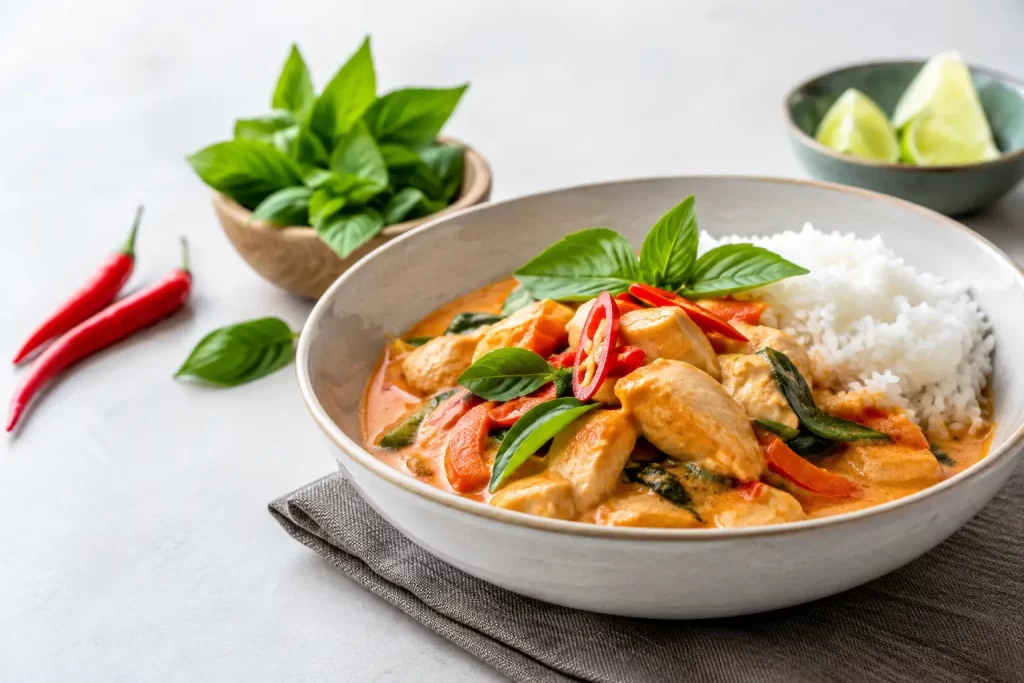
Start with dishes guests recognize. Pad Thai is an easy crowd-pleaser, while Pad Kra Pao brings a deeper, aromatic savory note. Tom Yum Seafood offers the punchy sour-and-spicy flavor many guests expect from Thai cuisine. These familiar favorites make a menu approachable, especially for mixed groups with different comfort levels around spice.
Then add contrast. If the menu includes rich stir-fries, include a refreshing salad or a lighter vegetable dish. If your group loves heat, balance it with gentler options and rice for sharing. For a lunch event, a focused selection often works better than too many heavy dishes. For dinner celebrations, you can add more starters, seafood, and drinks to encourage guests to linger.
When planning for a larger group, aim for variety across flavors and textures rather than ordering several similar dishes. A table with tangy, savory, spicy, crisp, and creamy elements feels more complete than one built entirely around heat. Thai food is at its best when every spoonful brings a different note to the meal.
Ask About Dietary Needs Early
Private event planning gets easier when dietary requirements are collected before the menu is finalized. Ask guests about allergies, vegetarian preferences, spice tolerance, and any ingredients they need to avoid. Do not leave this until the day of the event, especially for corporate groups where the organizer may not know every guest personally.
Give the restaurant or caterer a realistic number of guests and clear dietary information. This allows the kitchen to recommend suitable dishes and reduce last-minute changes. For groups with varied needs, choose several naturally flexible dishes rather than trying to customize every plate.
Choose Sharing Style for the Best Atmosphere
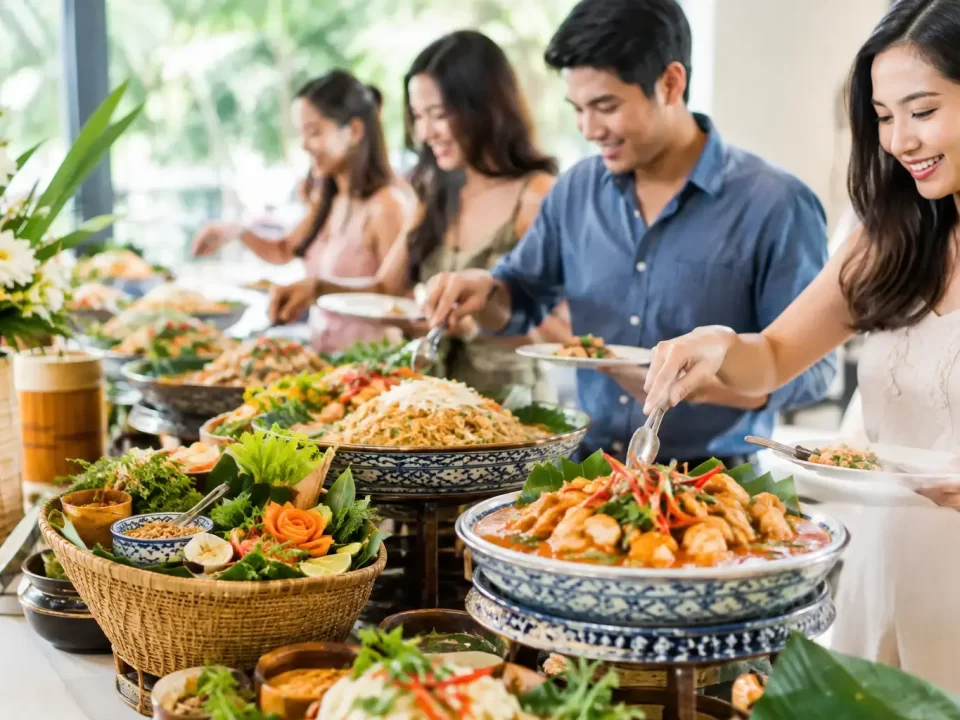
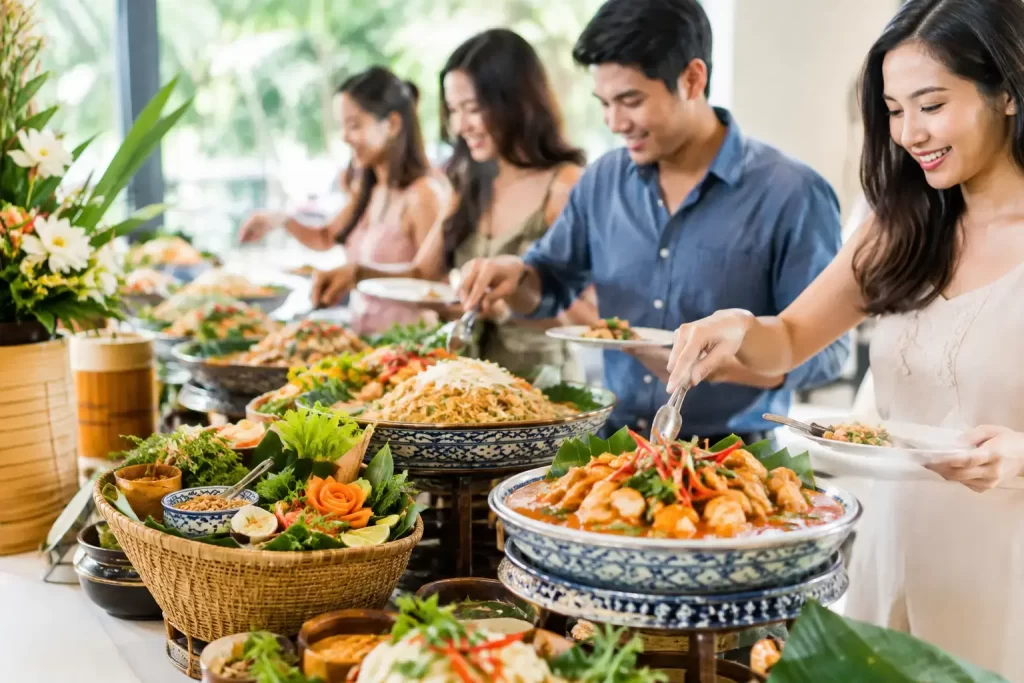
Thai dining is naturally social. Shared dishes encourage conversation because guests reach, recommend, and compare favorites across the table. That is why family-style service works particularly well for reunions, team dinners, engagement celebrations, and friend-group gatherings.
For a more formal corporate event, you may prefer a set menu. This keeps spending predictable, shortens ordering time, and helps food arrive in a coordinated flow. Set menus are also useful when a group has a fixed dining window, such as a working lunch or a meeting followed by dinner.
There is no single right choice. Sharing-style dining creates a warmer, more spontaneous experience, while individual or set-menu formats provide greater structure. If your guest list includes both senior leaders and younger team members, a shared table can make the room feel less formal without losing professionalism.
Plan Portions for Real Appetites
The most common event-planning mistake is treating food as a side detail. For a meal-centered gathering, generous portions matter. Guests remember whether the table looked abundant and whether there was enough for everyone to enjoy a second helping of the dishes they loved.
Lunch groups may need a more measured menu, particularly if guests are returning to work. Dinner groups, celebrations, and weekend events often benefit from a broader selection. Consider the time of day, the presence of children, and whether drinks or desserts are part of the plan. A group that has traveled across town for a celebration will likely stay longer and eat more than a team arriving for a quick weekday lunch.
A practical approach is to build the menu around core mains and rice, then add starters, soup, vegetables, and drinks based on the occasion. If you are uncertain, ask for recommendations based on your final guest count. Experienced event teams can help you avoid both a sparse table and unnecessary over-ordering.
Details That Make Hosting Easier
Good food carries the event, but small details make it feel well organized. Confirm the booking time, arrival window, seating setup, and whether you need space for a cake, presentation, decorations, or speeches. If it is an office function, decide who will be the point person for the group and share that contact with the venue.
For catering, clarify the delivery time, serving setup, utensils, and whether you need help coordinating food around your program. Food should arrive when guests are ready to eat, not while everyone is still finding parking or listening to opening remarks.
At a restaurant, let the team know if the occasion has a particular milestone. A birthday, farewell, or family celebration may only need a few thoughtful touches, but communicating the plan ahead of time gives the service team a better chance to support the flow of the evening.
Why Thai Food Works for Work and Family Events
Thai cuisine brings a useful balance to group dining: it feels exciting enough for a special occasion but familiar enough for a regular Wednesday dinner with colleagues. It can be colorful, comforting, spicy, tangy, and deeply savory without asking guests to be overly adventurous.
For companies, that means a meal people are genuinely happy to attend. For families, it means different generations can find something satisfying at the same table. For hosts, it means the menu has personality before the first toast is made.
At SOI 55 Thai Kitchen, private and corporate gatherings can be shaped around the size, setting, and appetite of your group, whether you are planning a neighborhood celebration or a workday meal. With locations across Klang Valley and beyond, the goal is simple: bring the heart of Thailand to a table where everyone feels welcome.
The best private event is not the one with the longest menu or the most complicated schedule. It is the one where guests leave talking about the Tom Yum, reaching for one last bite of Pad Thai, and already asking when the group is getting together again.