What Makes Thai Food Unique?
May 14, 2026Soi 55 Thai Kitchen Enters the Malaysia Book of Records for the Most Variety of Pad Kra Pao
May 14, 2026
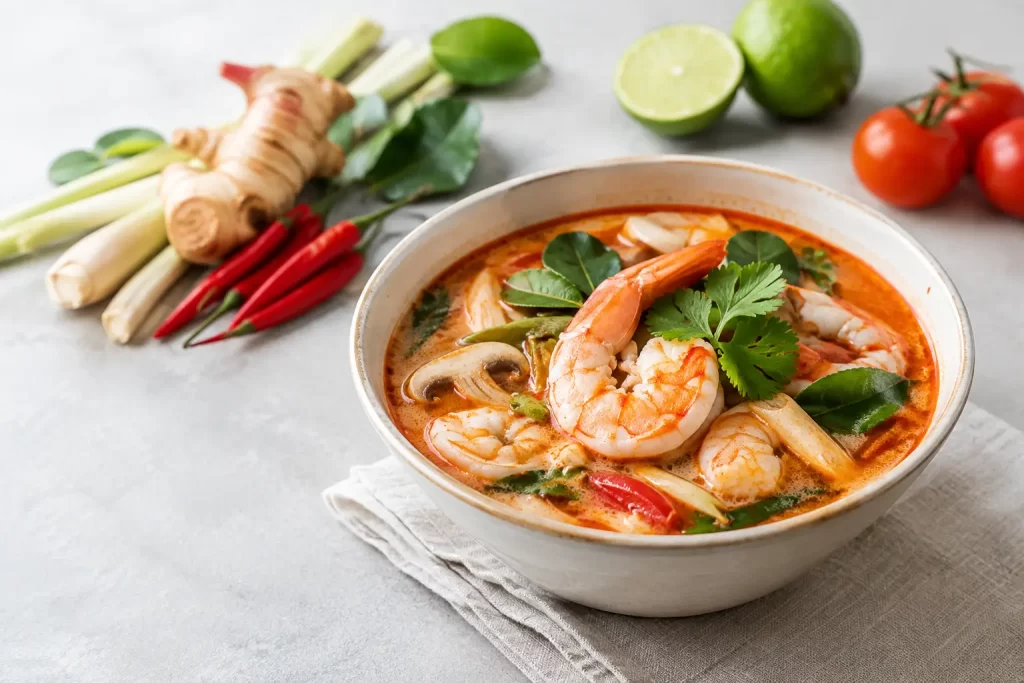
One bite of a properly made tom yum should wake up your whole table. You get heat first, then citrus, then savory depth, then that unmistakable herbal lift that keeps you going back for another spoonful. That is the standard people are chasing when they look for authentic thai food malaysia diners can enjoy without boarding a flight to Bangkok.
The challenge, of course, is that authenticity is not as simple as making everything extra spicy or throwing lemongrass into every broth. Real Thai food is about balance. It is bright but grounded, bold but precise, and comforting even when the chilies hit hard. In Malaysia, where diners already know good food and have plenty of choices, Thai meals only stand out when they taste true to the dish and still feel satisfying for the local dining crowd.
What authentic Thai food in Malaysia really means
Authenticity gets used so often that it can start to sound like a slogan. In practice, it usually comes down to a few things diners can taste right away. The first is balance. Thai cooking is built on the relationship between spicy, sour, sweet, salty, and savory elements. If one note overpowers everything else, the dish starts to feel flat, even if the ingredients are technically correct.
The second is respect for the dish itself. Pad Thai should not just be any fried noodle with peanuts on top. Pad Kra Pao should carry the fragrant punch of holy basil style seasoning, not just generic soy-heavy stir-fry flavors. Thai milk tea should taste creamy, aromatic, and unmistakably Thai, not like regular iced tea with extra sugar.
Then there is the less obvious part – consistency. A restaurant may get one dish right, but authentic Thai food in Malaysia becomes memorable when the whole meal feels connected. The soup has depth, the wok dishes have proper heat and aroma, the sauces are layered, and the drinks and sides support the experience instead of feeling like afterthoughts.
Why Malaysian diners care about authentic thai food malaysia options
Malaysia is one of the toughest places to fake flavor. People here know what good food tastes like, and they are not shy about comparing one meal to the next. That is why Thai restaurants that earn repeat visits usually do more than serve recognizable names. They deliver dishes with enough character to feel exciting, but enough familiarity to be comforting for lunch, dinner, or a group gathering.
There is also a practical side. Diners want a place where they can order tom yum for one person who wants soup, pad Thai for someone who wants noodles, a spicy stir-fry for the person who always asks for extra kick, and a round of Thai milk tea for the whole table. Authenticity matters, but so does having a menu that works for real life – office lunches, family dinners, catch-ups with friends, and celebrations that need food everyone actually wants to eat.
That is where modern Thai restaurants have an advantage when they do it well. They can keep the heart of Thai cuisine intact while making the experience more accessible, more comfortable, and easier to enjoy regularly.
The flavors that define authentic Thai food in Malaysia
If you want to judge whether a Thai meal feels authentic, start with the dishes most people think they already know.
Tom Yum should be sharp, rich, and alive
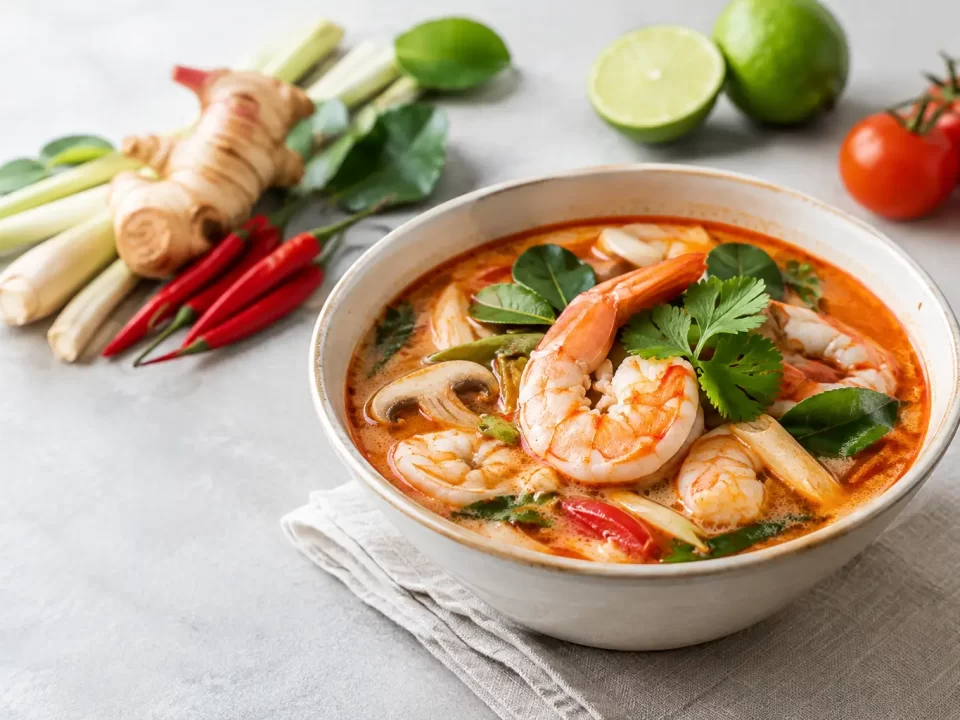
A good tom yum is never one-note. It needs body from the stock, brightness from lime, fragrance from lemongrass and galangal, and enough chili heat to make the broth feel energetic rather than dull. Seafood versions, especially, should taste fresh and lively, with the broth carrying the flavor instead of burying it.
When tom yum is done right, it becomes the dish that sets the pace for the whole meal. It tells diners whether the kitchen understands restraint as much as intensity.
Pad Thai should taste balanced, not sugary
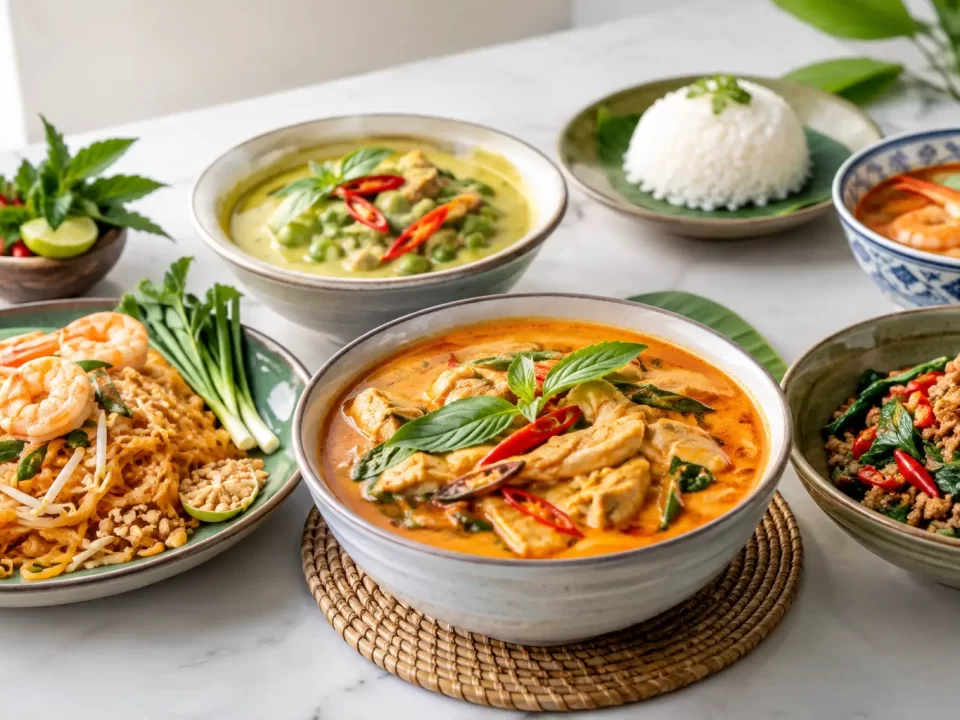
Pad Thai is one of the easiest dishes to oversimplify. Many versions lean too sweet, too oily, or too soft. The authentic version keeps the noodles springy, the sauce balanced, and the toppings purposeful. You want tamarind tang, a touch of sweetness, savory depth, and a finish that still feels light enough to keep eating.
That balance matters even more in Malaysia, where diners expect noodle dishes to have texture and character. A forgettable pad Thai gets noticed quickly.
Pad Kra Pao should bring real wok aroma
Pad Kra Pao is the kind of dish that looks simple until you taste a great one. The appeal is in the fragrant basil note, the spicy savory sauce, and the smoky edge from proper wok cooking. It should feel fast, hot, and satisfying – the kind of meal that works just as well for a solo lunch as it does as part of a shared table.
Thai Milk Tea should not feel like an extra
Drinks matter in Thai dining more than people sometimes admit. Thai milk tea has a distinct flavor profile – creamy, tea-forward, sweet but not cloying, and rich enough to stand up to spicy food. It is part of the experience, especially for diners who want a cooling contrast alongside heat-heavy dishes.
Authenticity is not the same as being inaccessible
Some people treat authenticity like it only counts if the experience feels intimidating or overly niche. That is not how great restaurant dining works. A meal can be true to Thai flavors and still be comfortable for families, office teams, date nights, and casual weekday dinners.
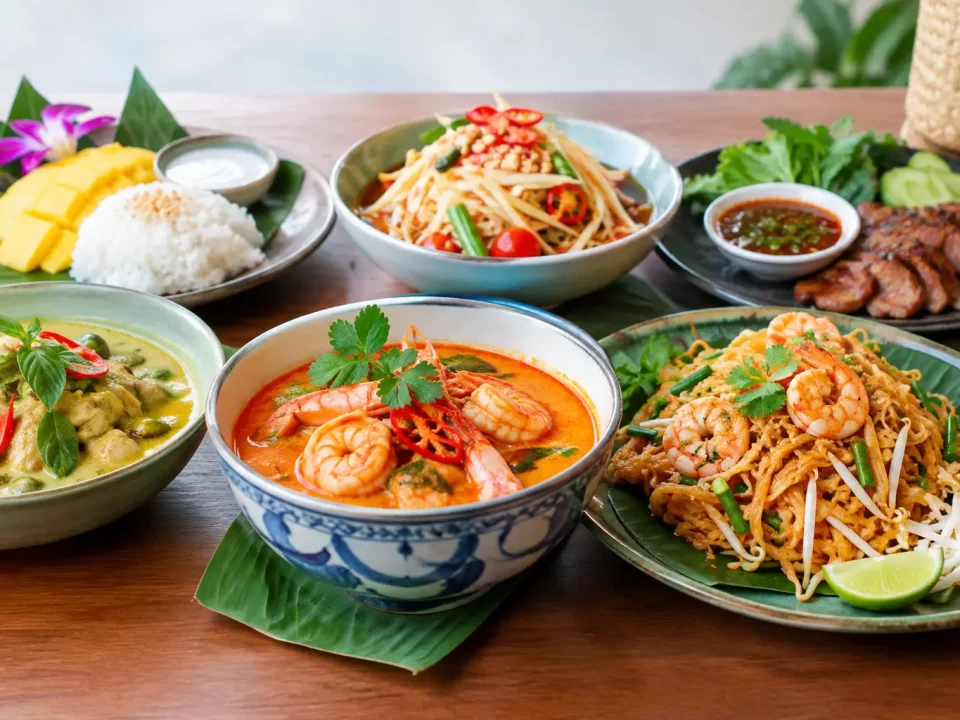
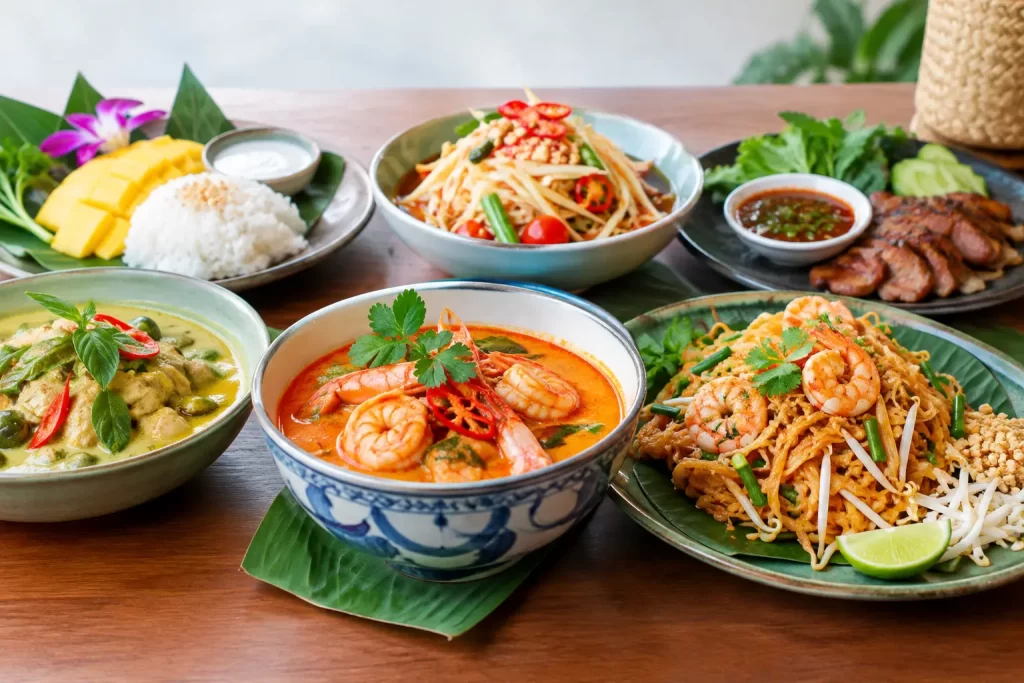
In fact, that accessibility is one reason Thai food works so well in the Klang Valley. It is built for sharing, full of recognizable ingredients, and broad enough to satisfy different preferences at the same table. One person can go for seafood soup, another for wok-fried rice, another for noodles, and someone else can anchor the meal with grilled or stir-fried dishes. When the cooking is honest, the variety feels like a strength rather than a compromise.
That is also why multi-location brands can play an important role. When a restaurant group keeps its flavors consistent across branches, diners do not have to choose between convenience and quality. They can enjoy the same bold and delicious tastes whether they are meeting in Kepong, heading out in Subang Jaya, gathering in Shah Alam, or planning dinner in Kuala Lumpur. For busy diners, that kind of dependability matters.
What to look for when choosing authentic thai food malaysia restaurants
The menu should give you clues, but the real test is whether the restaurant understands the personality of Thai cuisine. Look for dishes that are vivid, not watered down. Look for a kitchen that is comfortable with herbs, spice, and acidity instead of smoothing every edge out. And look for a place that does more than one signature dish well.
Atmosphere matters too. Thai food is naturally social. It shines when the setting feels lively and welcoming, not stiff. A good Thai restaurant should work for quick weekday meals and bigger tables where everyone is stealing bites from each other.
Service also shapes the experience. If you are ordering for a group, a restaurant that can guide you toward a balanced spread is often a better sign than one that simply pushes the most familiar items. The best places know how to build a meal – soup, stir-fry, noodles, rice, drinks, and enough variety in texture and spice to keep the table happy.
For events, the same logic applies. Authentic Thai food can be a strong catering choice because it travels well when the menu is selected carefully and offers broad appeal across guests. The key is choosing dishes with enough identity to feel special, while still being approachable for mixed groups.
Bringing the heart of Thailand to your table
The reason authentic Thai food keeps earning loyal fans in Malaysia is simple. When it is done right, it feels exciting and comforting at the same time. You get the drama of spice, the freshness of herbs, the richness of sauces, and the kind of variety that turns a meal into a real gathering.
That is the sweet spot many diners want – food with roots, flavor with confidence, and an experience that fits everyday life. A brand like Soi 55 speaks directly to that appetite by serving modern Thai cuisine with strong signature dishes, a welcoming dine-in atmosphere, and the convenience of multiple locations across the Klang Valley. It is not about making Thai food feel distant or exclusive. It is about bringing the heart of Thailand to your table in a way that feels vibrant, satisfying, and easy to come back to.
If you are deciding where to eat next, trust the dishes that make you pause after the first bite. Real Thai food always leaves that impression – bright, bold, and impossible to ignore.