9 Best Spicy Thai Noodle Dishes Worth Trying
September 4, 2026
Best Thai Catering Menu Ideas for Any Crowd
September 8, 2026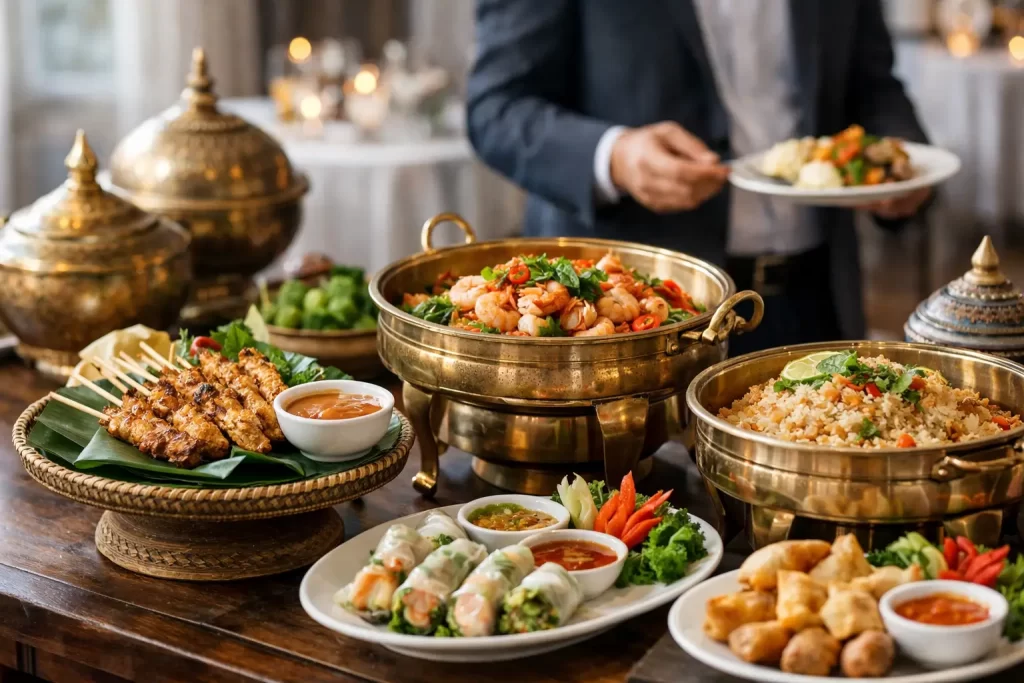
A useful Thai catering review is not just a verdict on whether the food tastes good. At an event, Thai food has a bigger job to do: it needs to arrive hot, satisfy different appetites, look inviting on the table, and give guests something to talk about long after the last Thai Milk Tea is poured. For celebrations, office lunches, and family gatherings, those details matter as much as the first spoonful of Tom Yum.
What Makes Thai Catering Worth Reviewing?
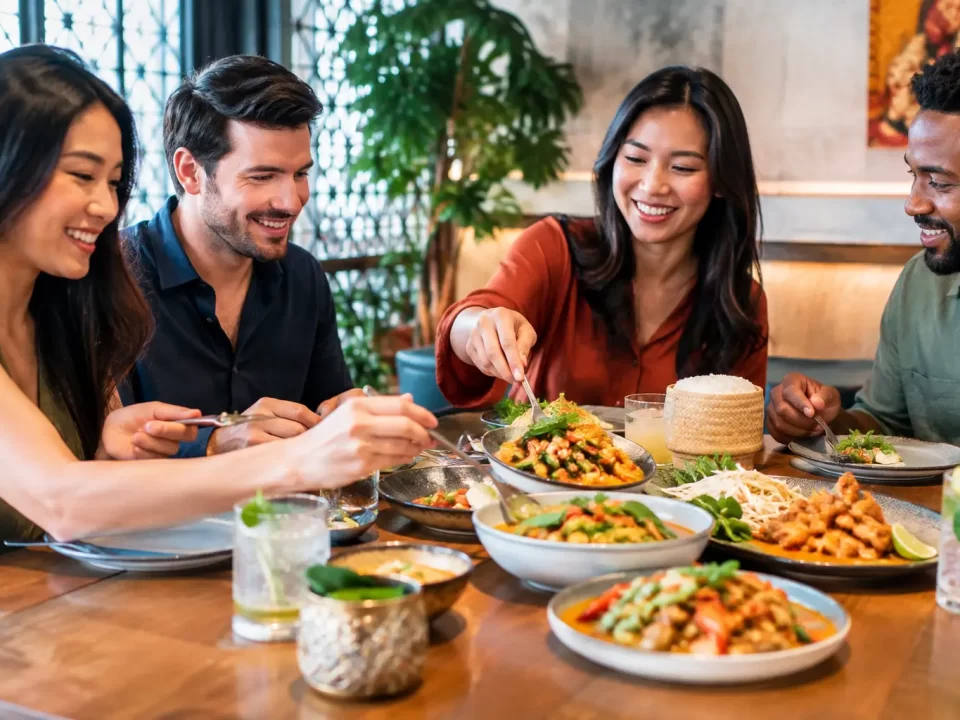
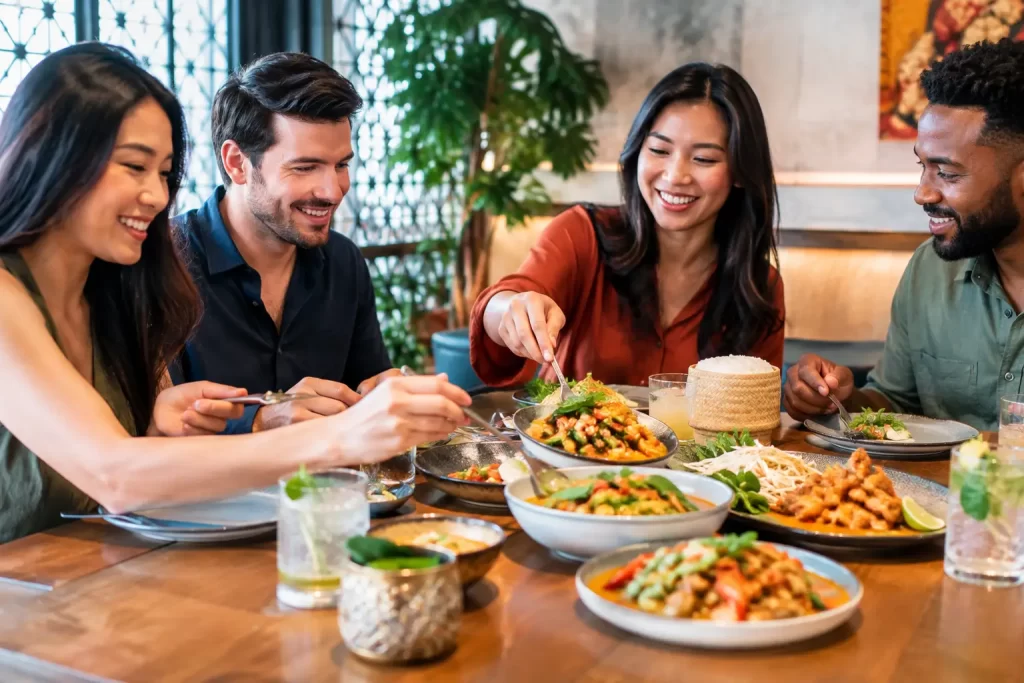
Thai food is naturally made for sharing. A fragrant curry placed at the center of the table, stir-fried noodles ready for a second serving, crisp appetizers, and bright salads create the kind of spread that brings people back for another taste. But catering changes the equation. A dish that shines fresh from a restaurant kitchen must still hold its flavor, texture, and appeal when prepared for a room full of guests.
That is why a thoughtful review should consider the complete experience. Heat and spice are part of Thai cuisine’s personality, but great catering also depends on menu balance, practical portions, timing, dietary awareness, and a setup that feels generous rather than rushed.
The strongest Thai catering menus do not put every bold dish on the same volume. They build contrast. A punchy Tom Yum Seafood can sit beautifully beside comforting Pad Thai, aromatic rice, lighter vegetables, and a cool, sweet drink. Guests should be able to choose their own pace, whether they are chasing chili heat or enjoying the milder, familiar flavors on the table.
Thai Catering Review: Flavor Must Travel Well
The first test is simple: does the food still taste alive when it reaches the guests? Thai cuisine is built on a lively balance of hot, sour, sweet, salty, and fragrant notes. If one element fades, the whole dish can feel flat. A curry may lose its aroma if it is held too long, while fried items can soften when packed without enough care.
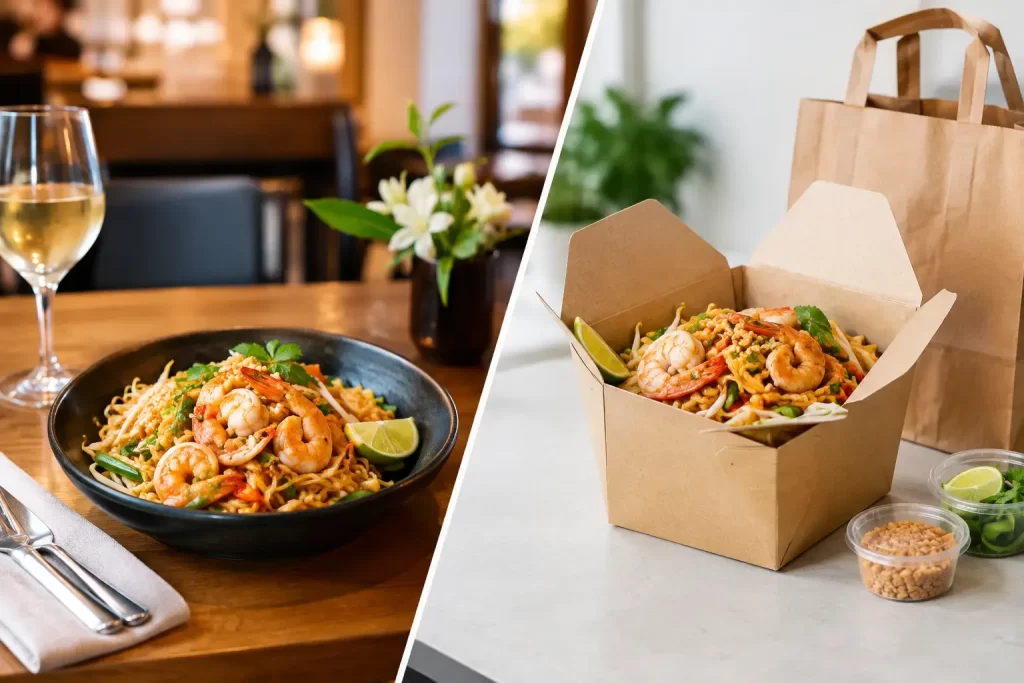
For this reason, menu selection matters more than choosing only the most popular restaurant dishes. Saucy dishes, curries, stir-fries, and noodle dishes often travel well when prepared and packed correctly. They stay moist, remain easy to serve, and keep their flavor across the event. Crispy starters can still be a crowd favorite, but they need smart timing and packaging to preserve their crunch.
Tom Yum is a good example of a dish that shows a caterer’s confidence. Its aroma should be bright and unmistakably Thai, with a satisfying warmth rather than a one-note blast of heat. A good batch tastes layered, with seafood and herbs complementing the broth. For a mixed group, offering a gentler option alongside it is not a compromise. It is good hosting.
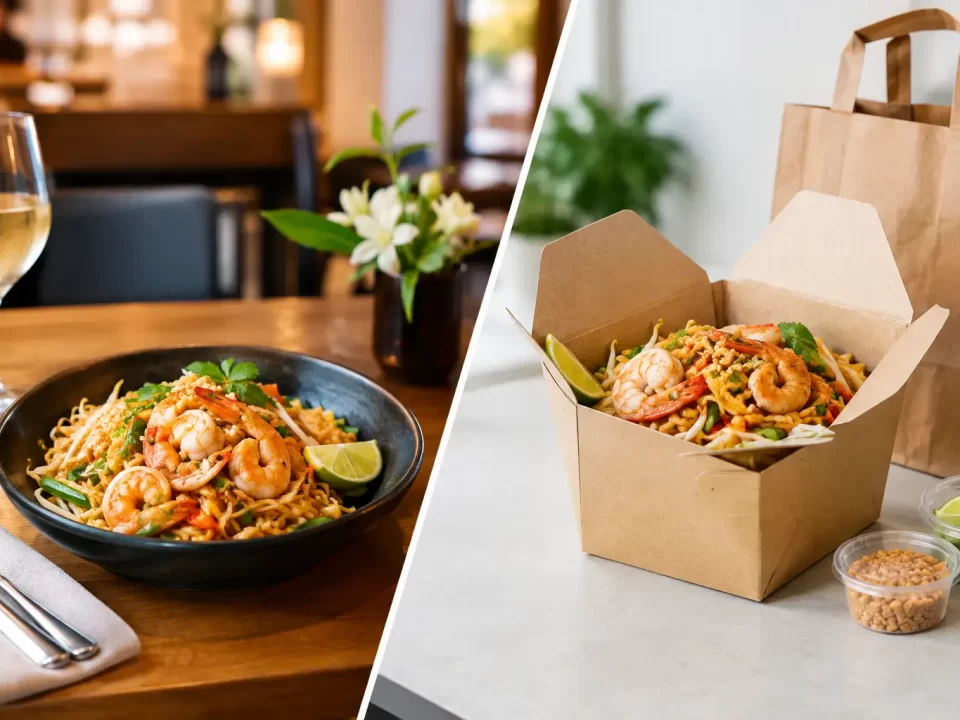
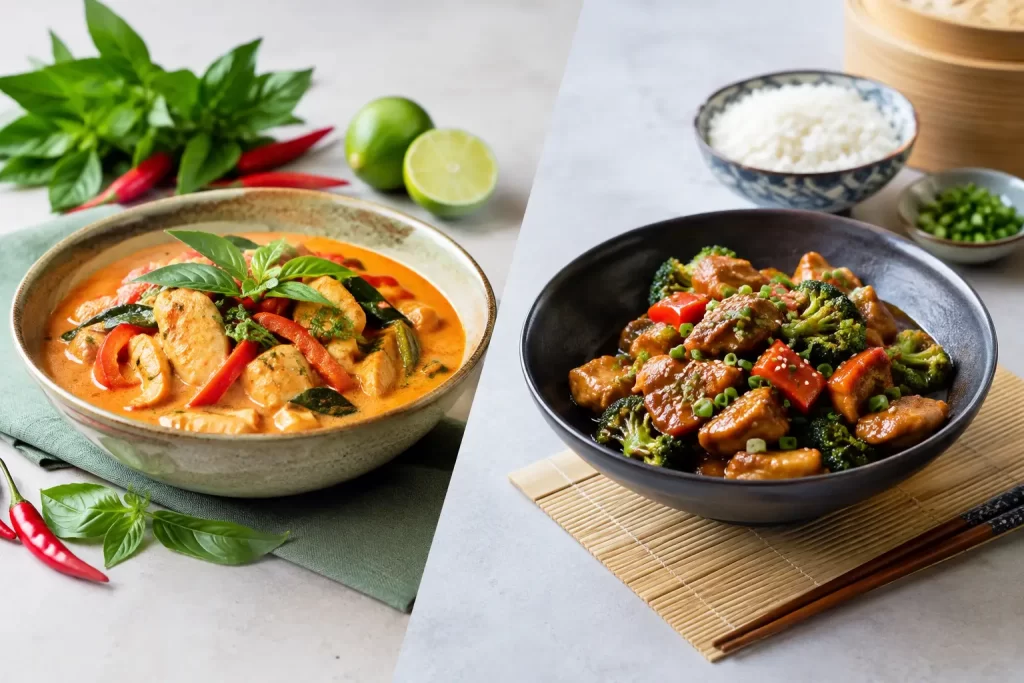
Pad Kra Pao also deserves attention. Its savory basil-forward character makes it a satisfying choice for lunch events, especially when served with rice. Yet spice levels should be discussed before the order is finalized. What feels pleasantly fiery for a close group of Thai food fans may be challenging for a large office team with varied preferences.
The Best Menus Give Guests Real Choice
An event menu should feel abundant without becoming repetitive. A reliable starting point is one signature soup or appetizer, two to three main dishes with different flavor profiles, a noodle or rice centerpiece, vegetables, and drinks or dessert. The final mix depends on the occasion.
A casual birthday gathering can lean into crowd-pleasers such as Pad Thai, fried snacks, and Thai Milk Tea. A corporate lunch may call for dishes that are easier to serve quickly and eat neatly at a desk or meeting table. For a family celebration, sharing-style mains create warmth and encourage conversation.
Ask how the caterer handles spice customization, vegetarian-friendly choices, and dishes for younger guests. These questions are not fussy details. They show whether the meal has been planned around the people attending, rather than simply scaled up from a standard order.
Portions, Presentation, and Pace Matter
Generous portions are one of the clearest signs of thoughtful catering. No host wants to see the favorite dish disappear before half the room has eaten. At the same time, over-ordering can leave trays untouched and create unnecessary waste. The right amount depends on guest count, event duration, whether alcohol is served, and how many other foods are available.
For a lunch where catering is the main meal, guests usually expect enough variety to build a full plate. For an afternoon gathering, smaller portions may work better, especially if the menu includes snacks, desserts, or other vendors. A caterer should be able to guide this decision based on the event instead of offering a one-size-fits-all package.
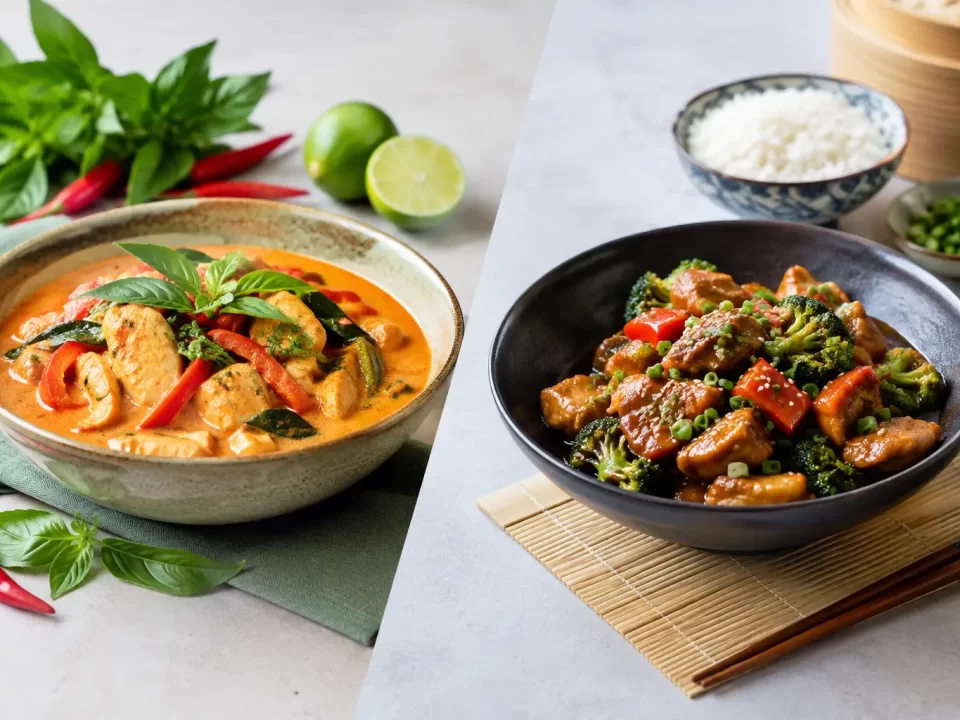
Presentation has a quiet but powerful effect. Thai food is colorful by nature: deep red curries, fresh green herbs, golden noodles, bright vegetables, and iced drinks bring energy to a buffet table. Food does not need elaborate decoration to make an impression. It needs clean serving equipment, clear labels, sensible spacing, and a setup that lets guests move without crowding.
Temperature is equally important. Hot dishes should be genuinely hot, cold drinks should stay refreshing, and sauces should not be left to separate or dry out. At a large gathering, these basics often shape the guest experience more than any dramatic centerpiece.
Service Is Part of the Meal
A Thai catering review should always look beyond the trays. Clear communication before the event can save the host from last-minute surprises. A good caterer confirms the date, delivery window, serving requirements, location access, menu details, and any special requests early enough for everyone to feel prepared.
For self-serve events, the question is whether the food arrives organized and ready to enjoy. For larger functions, staffed service may be worth considering. It can help manage refills, keep the buffet tidy, and allow the host to spend time with guests instead of worrying about serving spoons and empty drink containers.
There is a trade-off, of course. A compact drop-off setup is often the practical choice for a small office lunch or home celebration. Full-service catering suits weddings, formal events, and larger parties where timing and presentation are more complex. The right option is the one that fits the gathering, not necessarily the largest package.
Questions to Ask Before You Place the Order
Before choosing Thai catering, get specific about the event. How many guests are expected? Is the meal lunch, dinner, or a lighter refreshment break? Will there be children, guests who prefer mild food, or dietary requirements to consider? Is there a place to set up and keep food warm?
It also helps to ask which dishes the caterer recommends for your group size. The answer should reflect experience, not just an attempt to sell more items. A confident caterer understands that a menu for 15 close friends is different from a menu for 150 employees.
If you are ordering in Klang Valley or surrounding areas, an established multi-location brand can make planning easier. Soi 55 brings modern Thai favorites such as Tom Yum Seafood, Pad Thai, Pad Kra Pao, and Thai Milk Tea to group occasions with the bold, recognizable flavors guests expect from a festive Thai meal.
The Verdict Guests Will Give
The best catering feedback is often heard in small moments: a guest going back for more noodles, a colleague asking what was in the curry, a family member taking home the name of a dish they want to order again. Those reactions come from food that feels flavorful, generous, and made for the occasion.
Choose Thai catering that treats your event like more than a delivery address. When the flavors are balanced, the portions are planned well, and the service is dependable, the table becomes a reason for people to gather a little longer.