Tom Yum vs Clear Soup – What Should You Order?
August 29, 2026
Thai Seafood: 7 Dishes Worth Ordering
September 2, 2026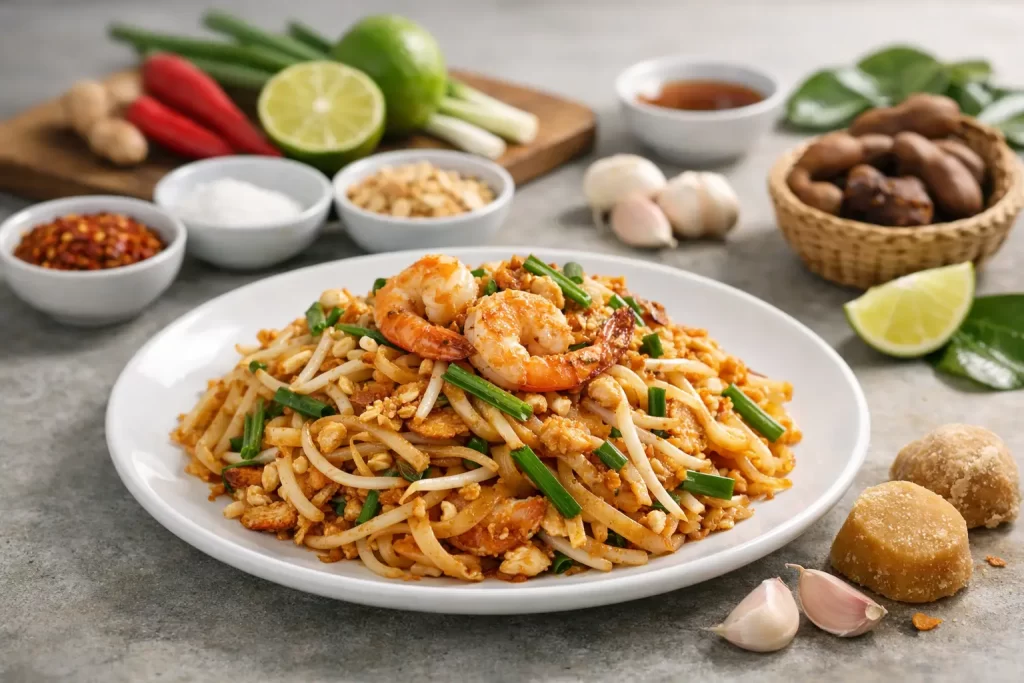
A great plate of Pad Thai announces itself before the first bite. You catch the scent of wok-seared noodles, toasted peanuts, lime, and that unmistakable savory-sweet sauce. Pad Thai flavor is not supposed to be one loud note. Its appeal comes from contrast: tangy enough to wake up your palate, savory enough to feel satisfying, and gently sweet enough to bring every ingredient together.
That balance is why this Thai noodle favorite feels equally at home as a quick lunch, a casual dinner with friends, or part of a generous table of shareable dishes. It is familiar, comforting, and full of character – but the best versions still have enough brightness and heat to keep you reaching for another bite.
The Four Notes Behind Pad Thai Flavor
Pad Thai is often described as sweet and sour, but that does not tell the whole story. The dish works because several flavors arrive together without competing for attention. When one element is too strong, the noodles can taste flat, sticky, overly sharp, or simply too heavy.
The first note is savory depth. This comes from the sauce and the high-heat cooking process, which gives the noodles a lightly smoky, caramelized edge. Savory flavor grounds the dish and makes it feel like a proper meal rather than a sweet noodle snack.
Next comes sourness, usually delivered by tamarind and finished with fresh lime. Tamarind has a distinctive fruitiness that is more rounded than plain citrus. It gives Pad Thai its recognizable tang, cutting through the richness of oil, egg, noodles, and any added protein. A squeeze of lime at the table can make the entire plate taste brighter in seconds.
Sweetness is there to soften the tang and add body to the sauce. It should support the other ingredients rather than coat everything in a sugary glaze. In a well-balanced Pad Thai, sweetness is noticeable but never the only thing you remember.
Finally, there is saltiness. This element keeps the sauce lively and gives structure to the sweet-sour profile. It is the reason a good Pad Thai feels layered instead of tasting like a simple tamarind noodle dish. The exact balance can vary by kitchen, region, and personal preference, which is part of the fun.
Why Tamarind Makes Such a Difference
If there is one ingredient that gives Pad Thai its signature personality, it is tamarind. Its dark, tangy pulp brings a fruity acidity that feels deep rather than aggressively sour. Lime can add freshness, but tamarind provides the foundation.
Without enough tamarind, the sauce may lean too sweet or too salty. With too much, it can overwhelm the noodles and make every bite taste harsh. The right amount creates a gentle pull between sweet, sour, and savory flavors – the kind that makes you pause after a bite, then immediately want another.
This is also why Pad Thai can taste different from restaurant to restaurant. Some versions are brighter and more tang-forward. Others lean richer, sweeter, or more savory. There is room for variation, but tamarind is often what keeps the dish recognizably Pad Thai.
The Wok Matters as Much as the Sauce
Sauce alone does not create memorable noodles. Pad Thai needs fast, hot cooking so the ingredients stay distinct while the flavors come together. The noodles should be tender but not mushy, coated in sauce but not swimming in it.
A hot wok gives the dish a light char and toasted aroma that cannot be added afterward. Egg becomes soft and savory, bean sprouts retain a little snap, and the sauce clings to the noodles instead of disappearing into them. This contrast in texture is a major part of the flavor experience.
That is also why freshly cooked Pad Thai is best enjoyed right away. As it sits, the noodles continue to absorb sauce and can lose their springy bite. The dish may still be satisfying, but the fresh-off-the-wok balance is hard to beat.
Texture Is Part of the Taste
When people talk about Pad Thai flavor, they often focus only on the sauce. Yet the toppings and mix-ins do just as much work. Crushed peanuts add roasted nuttiness and a welcome crunch. Bean sprouts bring freshness. Chives or green onion offer a mild, aromatic lift, while lime gives diners control over the final level of acidity.
These details prevent the dish from becoming one-note. Soft noodles, tender egg, crisp vegetables, crunchy peanuts, and a bright squeeze of citrus all create movement in each mouthful. That is why it is worth mixing the toppings through the noodles instead of leaving them untouched at the side of the plate.
Chili is another personal choice. A little heat can sharpen the sweet and sour notes, especially if you prefer a bolder Thai-style finish. Start modestly if you are unsure, then add more gradually. The goal is not to hide the Pad Thai flavor behind spice. It is to give the existing flavors more energy.
How to Order Pad Thai to Suit Your Mood
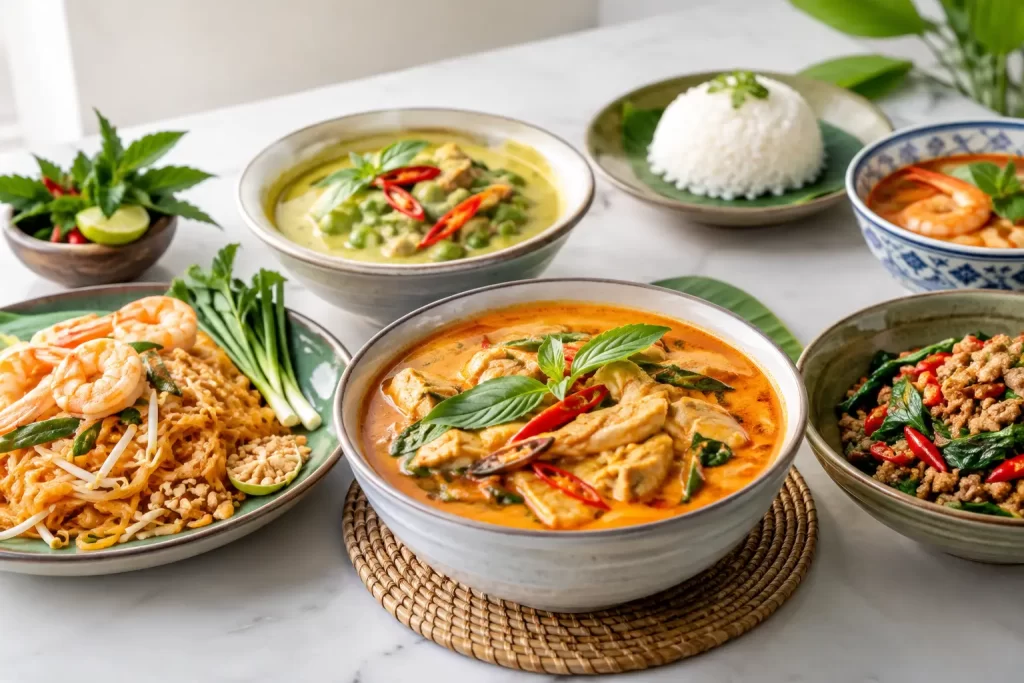
Pad Thai is flexible enough for different appetites, but it helps to think about what you want from the meal. If you are after comfort, choose a classic preparation and let the noodles take center stage. If you want something brighter, use the lime generously and add a touch of chili. If you are sharing a table, Pad Thai pairs especially well with a hot, spicy soup or a crisp salad because those dishes bring different temperatures and textures.
Protein changes the experience too. Seafood can add a clean, briny sweetness, while chicken offers a familiar, hearty option. A vegetable-forward plate can feel lighter and lets the tamarind, peanut, and wok aromas stand out. There is no single best choice – it depends on whether you want the meal to feel rich, fresh, or especially filling.
For group dining, one Pad Thai dish can be a welcome bridge between guests with different spice preferences. It has enough Thai character to feel exciting, yet its balanced sauce and satisfying noodles are approachable for almost everyone at the table. That makes it a smart addition to family meals, office lunches, and relaxed dinners with friends.
The Difference Between Sweet Noodles and Great Pad Thai
A common disappointment with Pad Thai is a version that tastes mostly sweet. Sweetness has a role, but it should never erase the tamarind tang, savory sauce, toasted peanuts, and fresh lime. Great Pad Thai has a clear balance from the first forkful, then changes slightly as you mix in the garnishes.
Another sign of quality is restraint. The noodles should not be drenched, and the ingredients should not disappear into a thick sauce. You should be able to taste the separate parts of the dish while still feeling that they belong together. That is the satisfying tension at the heart of Thai cooking: bold flavor, carefully balanced.
At Soi 55, Pad Thai belongs on a table built for sharing, where every dish brings its own personality and the conversation lasts longer than the meal. Order it fresh, squeeze the lime, scatter the peanuts through the noodles, and adjust the chili until the flavors taste right for you. The best Pad Thai is not just something you eat quickly – it is a bright, savory reason to slow down and enjoy the table around you.