Thai Restaurant Shah Alam for Bold Thai Meals
June 4, 2026
Best Thai Restaurant Cyberjaya Diners Crave
June 8, 2026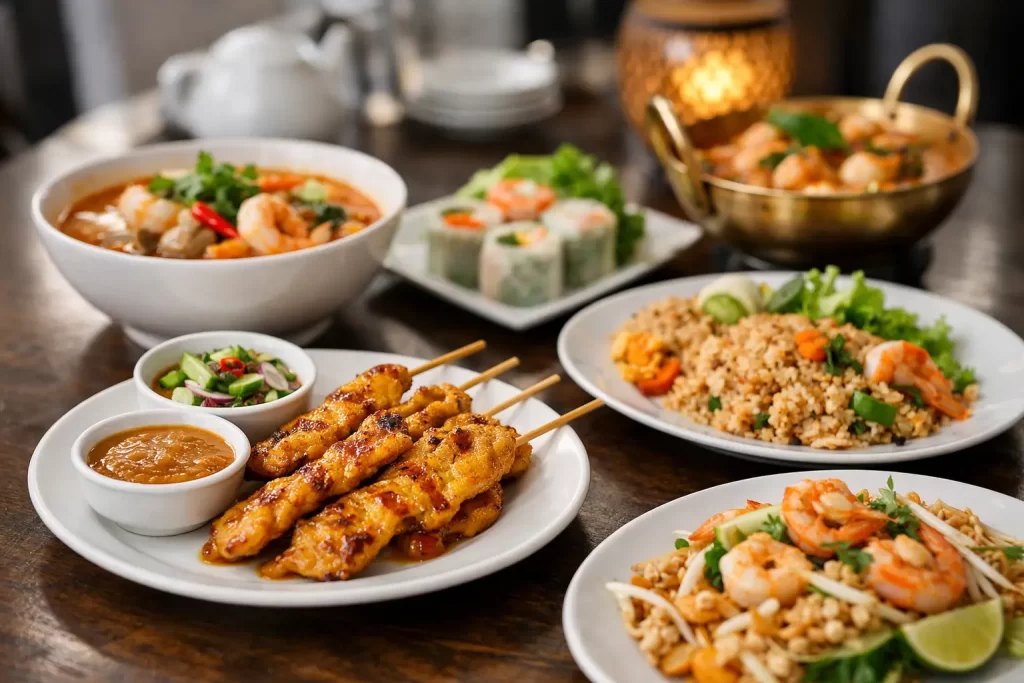
You sit down at a Thai restaurant, open the menu, and suddenly everything sounds good. Tom Yum, curries, noodles, stir-fries, grilled dishes, milk tea – it is a great problem to have, but still a problem if you are trying to choose quickly. If you have ever wondered what to order at thai restaurant menus without second-guessing yourself, the best move is to build a meal around contrast: something spicy, something comforting, something savory, and something refreshing.
Thai food is at its best when the table feels lively. A great order is rarely just one plate. It is a mix of hot soup, fragrant rice, noodles with a little sweetness, stir-fried favorites with punchy basil or chilies, and drinks that cool everything down. Whether you are dining with family, meeting friends after work, or planning a casual group meal, knowing how to balance those flavors makes the whole experience better.
What to order at thai restaurant menus if you are new
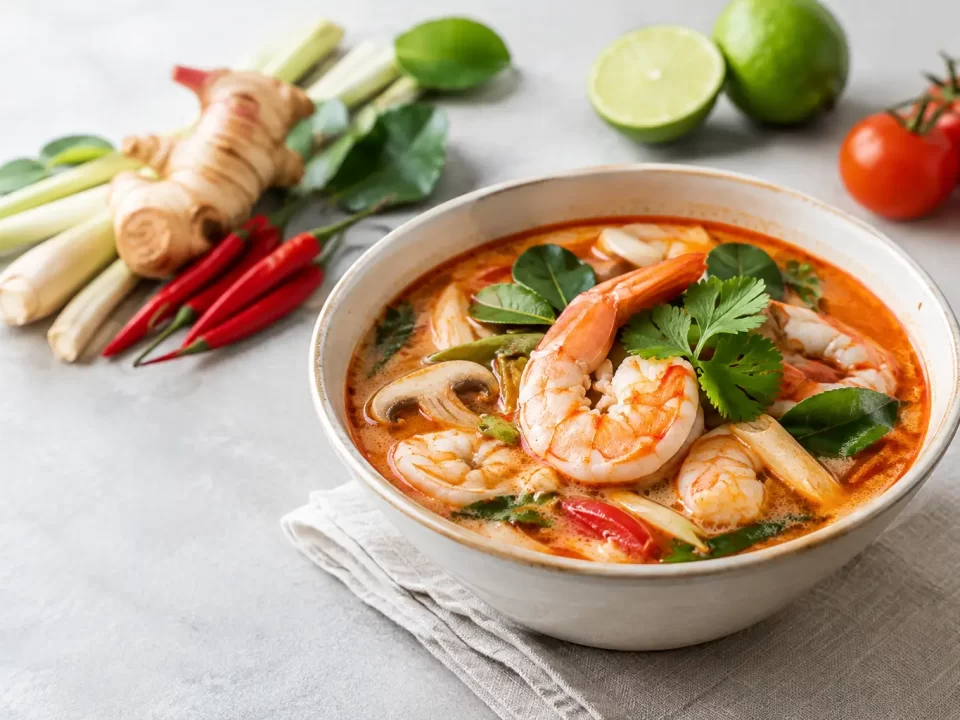
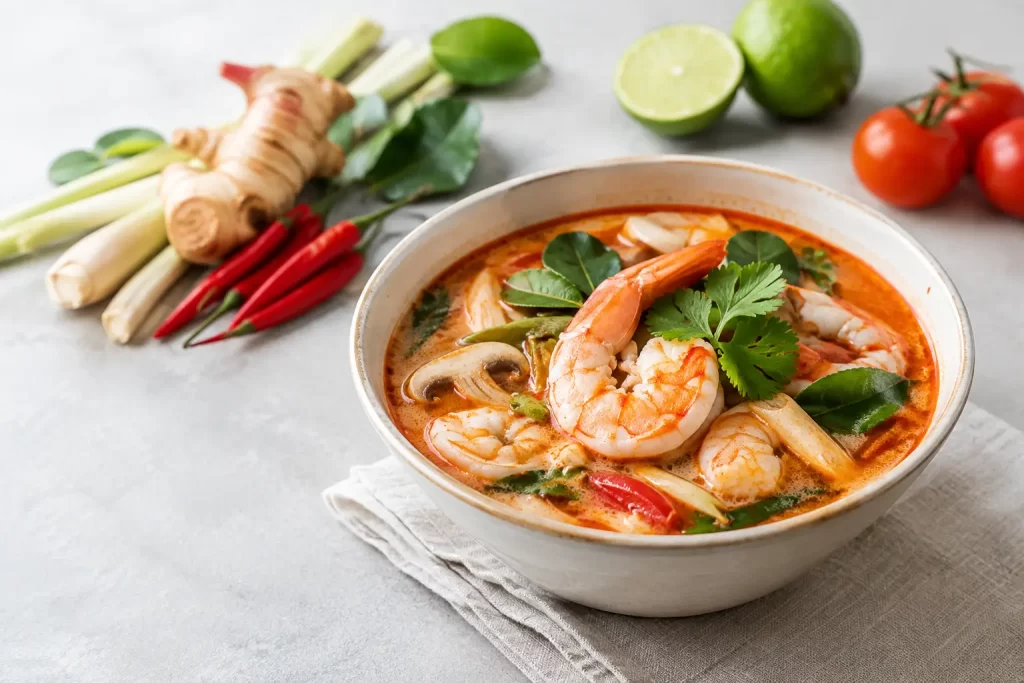
If this is your first real Thai meal, start with the dishes that give you the clearest picture of the cuisine. Tom Yum Seafood is an easy first pick because it brings together the flavors people love most in Thai food – tangy, spicy, aromatic, and deeply comforting. It wakes up your appetite fast and sets the tone for the rest of the table.
After that, Pad Thai is the safest crowd-pleaser for good reason. It is familiar enough for almost anyone to enjoy, but when done well, it still carries that unmistakable Thai balance of sweet, savory, and slightly tangy flavor. It is a smart order if you want noodles without going too spicy.
For rice lovers, Pad Kra Pao deserves a place near the top. It is bold, fragrant, and satisfying, usually built around stir-fried meat, holy basil notes, and heat that feels direct rather than heavy. If you like dishes with a little edge, this is where Thai food starts showing its personality.
Then add Thai Milk Tea. It is not just a drink order. It is part of the rhythm of the meal. Between spicy bites and rich sauces, that creamy sweetness gives the table a reset button.
The best Thai dishes to order based on your mood
Some days you want comfort. Other days you want fire. Thai food works beautifully for both, which is why the right order often depends less on the menu and more on what you are craving.
If you want comfort, noodles and fried rice are hard to beat. Pad Thai, pineapple fried rice, or a milder stir-fried noodle dish gives you something filling and easy to share. These are the dishes that suit mixed groups too, especially when not everyone wants high spice.
If you want something bold and warming, go for Tom Yum and a spicy stir-fry. The soup brings brightness and heat, while a basil-forward dish like Pad Kra Pao adds depth and richness. This combination feels energetic and full of character.
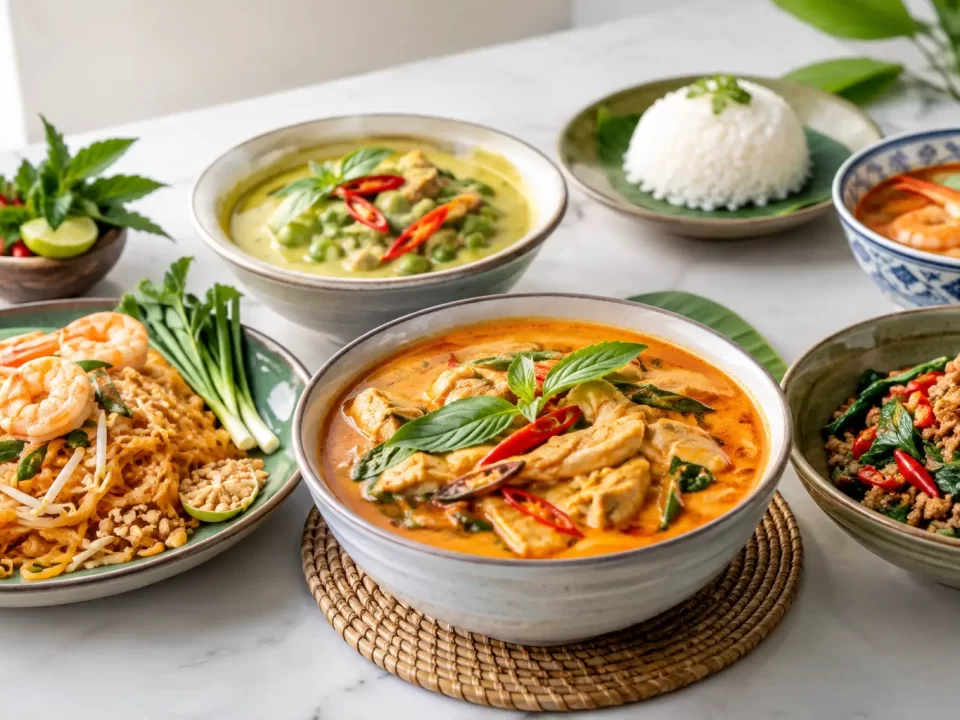
If you want a more rounded, slower meal, order a curry with rice. Thai curries can be creamy, fragrant, and layered without always being aggressively hot. Green curry tends to feel sharper and more herbal, while red curry usually lands richer and deeper. It depends on your spice tolerance, but either one can anchor the table if you want something generous and satisfying.
How to build a great Thai meal for the table
The easiest answer to what to order at thai restaurant spots is this: do not order all the same kind of dish. Thai food shines when each plate brings something different.
A good table usually starts with one soup. Tom Yum is the obvious favorite because it is vibrant and appetite-opening. If your group loves spice, it can carry that role perfectly. If not, you might choose a gentler soup and let the stir-fries bring the punch.
From there, order one noodle and one rice dish. This keeps the meal from feeling repetitive. Pad Thai covers the noodle side well, while jasmine rice or fried rice gives curries and stir-fries room to work.
Then choose one stir-fry and one richer main. A basil stir-fry, garlic dish, or chili-based plate adds intensity. A curry or seafood dish adds body. Together, they create that back-and-forth feeling that makes Thai dining so enjoyable.
Finish with drinks that cool the palate. Thai Milk Tea is an easy favorite, especially if your meal leans spicy. If the table includes kids or diners who prefer milder flavors, having a sweet drink or a less spicy dish in the mix keeps everyone happy.
Signature dishes worth ordering more than once
Some dishes are not just popular. They are the ones people come back for because they satisfy on almost every occasion.
Tom Yum Seafood is one of them. It works as a shared starter, but it also shapes the mood of the whole meal. The broth has that unmistakable sharpness from herbs and citrusy notes, followed by spice that lingers just enough. If you like food with brightness and energy, it is an easy repeat order.
Pad Thai earns its reputation because it is dependable in the best way. It suits lunch, dinner, solo meals, and group tables. It is also the dish that often wins over people who think Thai food may be too intense for them. Good Pad Thai is balanced, not one-note.
Pad Kra Pao is the dish to order when you want something bolder and more savory. It is less about comfort and more about punch. The aroma hits first, then the spice follows. For many diners, this becomes the dish they crave once they move past the basics.
Thai Milk Tea belongs in this group too. It is one of those simple pleasures that rounds out the experience. If your table is full of spicy soups and stir-fries, it feels almost necessary.
At places like Soi 55, these signature dishes stand out because they bring the heart of Thailand to your table in a way that feels exciting but approachable. That balance matters, especially for diners who want authentic flavor without feeling like they need a guide just to order lunch.
What to order if you do not eat very spicy food
A lot of people love Thai food but hesitate because they assume everything is fiery. It is not. Thai cuisine has plenty of dishes where the appeal comes from fragrance, sweetness, texture, or savory richness rather than pure heat.
Pad Thai is the obvious starting point. Fried rice dishes are another safe choice, especially if you want something familiar. Grilled items can also be a smart move because they often bring smoky flavor without overwhelming spice.
Curries are a little more nuanced. Some look creamy and mild but still carry a slow heat. If you are unsure, it helps to start with a milder curry or ask for a gentler spice level. The same goes for soups. Tom Yum is beloved, but if you are spice-sensitive, it may be better shared rather than ordered as your main event.
The good news is that a well-rounded Thai restaurant menu gives you room to adjust. You do not need to order the hottest dish to enjoy the cuisine properly.
What to order for a group dinner
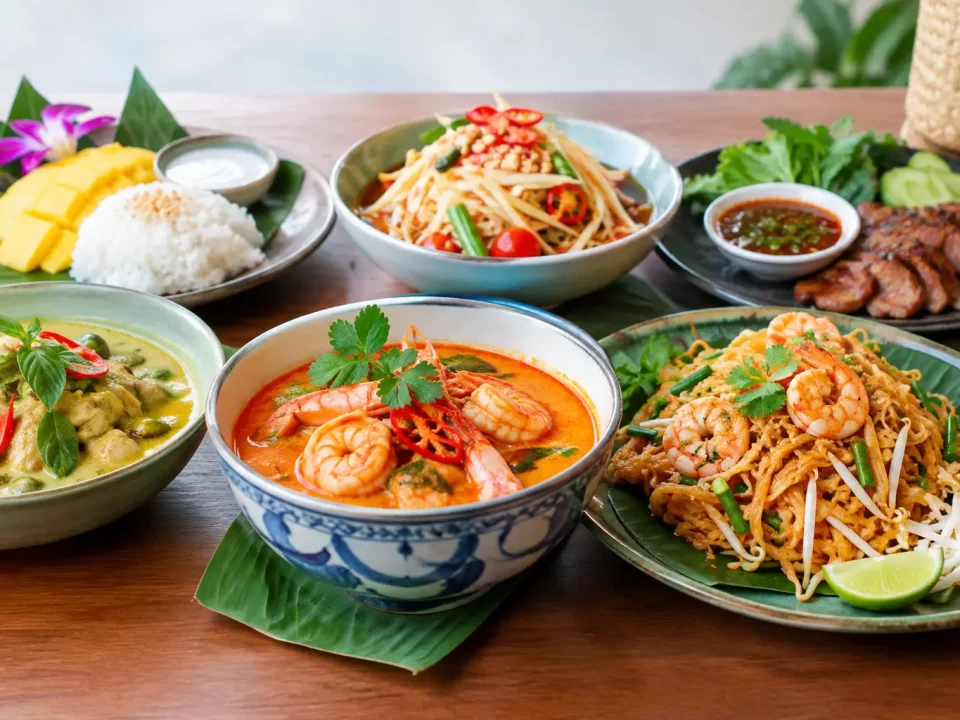
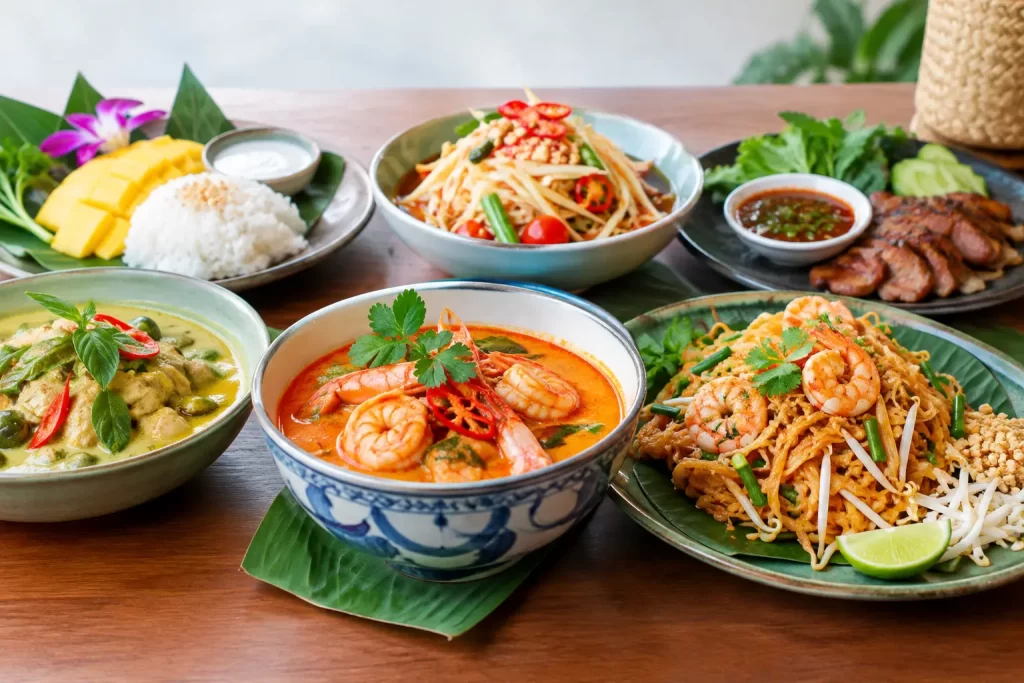
Group dining is where Thai food really comes alive. Instead of everyone ordering separately, the better move is to think in categories. One soup, one noodle, one curry, one stir-fry, one vegetable dish if available, rice for the table, and drinks. That spread creates variety without overordering.
For office dinners, family celebrations, or casual gatherings, start with dishes that are widely loved. Tom Yum, Pad Thai, and a basil stir-fry are usually safe bets. Then add one more adventurous plate if your group enjoys strong flavors. This way the meal feels exciting without becoming risky.
It also helps to think about pacing. Soup and shareable mains keep conversation flowing better than everyone waiting on separate individual plates. That is one reason Thai food suits celebrations and catered events so naturally – the food is built for shared enjoyment.
When the menu feels overwhelming, do not chase the longest list of dishes. Order for balance, order for sharing, and let the flavors play off each other. A bright Tom Yum, a satisfying Pad Thai, a punchy Pad Kra Pao, and a cold Thai Milk Tea already put you in very good hands. If you start there, your next Thai meal will feel less like guesswork and more like knowing exactly what you came for.