Best Thai Restaurant Cyberjaya Diners Crave
June 8, 2026
Office Lunch Catering Malaysia That Teams Enjoy
June 12, 2026
Friday at 7:30 p.m. is when good Thai restaurants shift from relaxed to packed. The tables fill fast, the kitchen gets lively, and if you are meeting friends, family, or coworkers, a last-minute walk-in can turn dinner into a waiting game. That is exactly why knowing how to book thai dinner reservations matters. A little planning helps you get the table you want, at the time you want, with the kind of dining experience you were actually looking forward to.
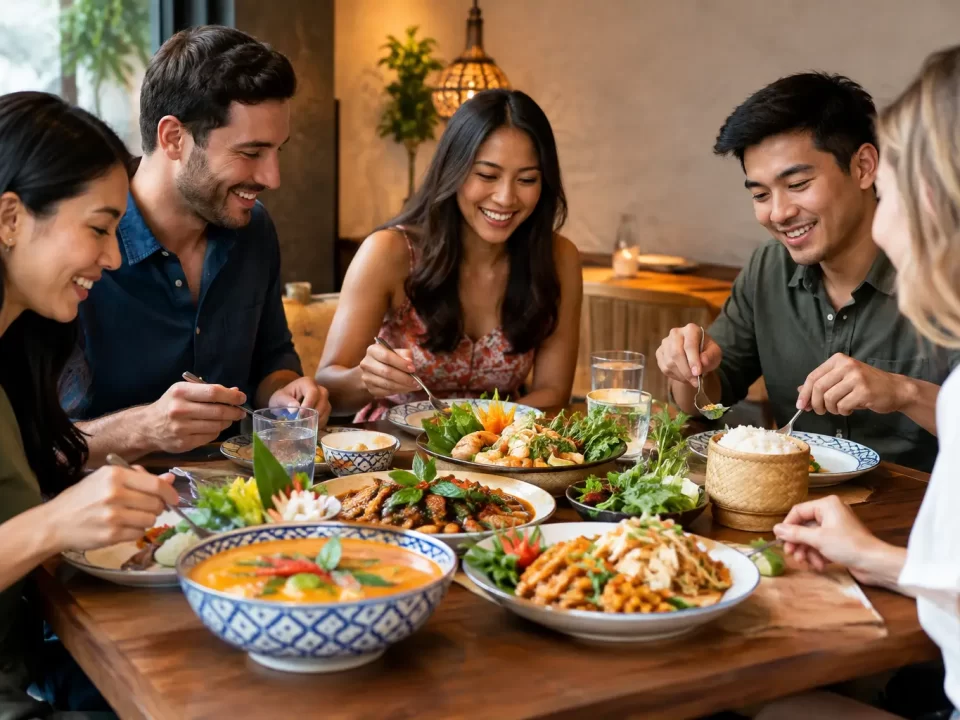
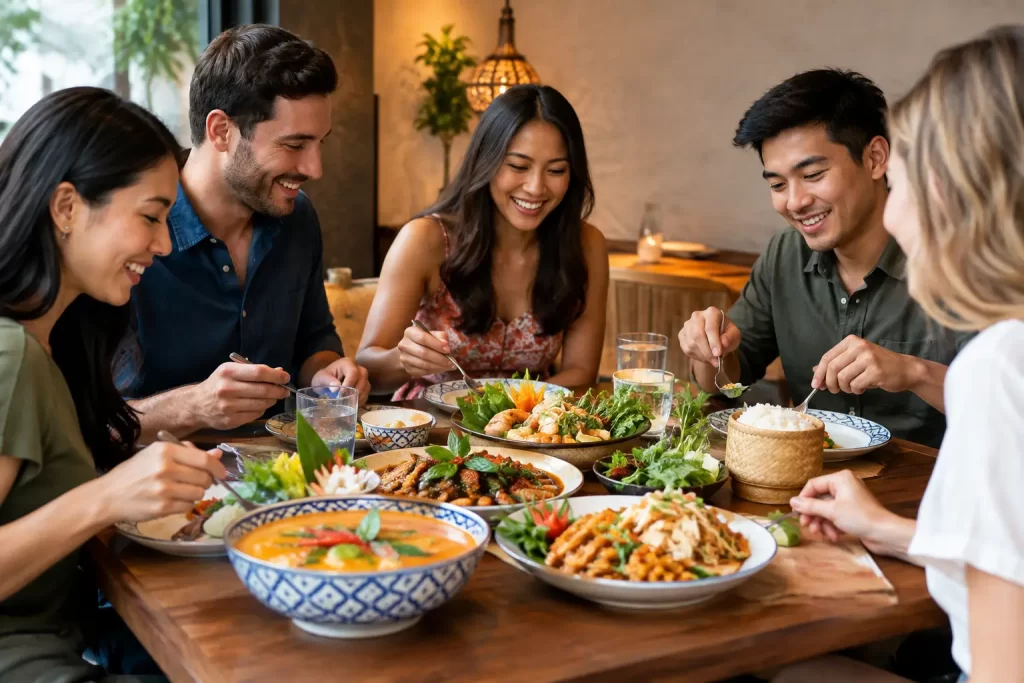
Thai food is built for sharing, conversation, and ordering one more dish than you planned. That changes how you should reserve. Booking a table for two is different from organizing a birthday dinner for ten, and both are different again from setting up a casual team meal after work. The best reservation is not just about getting a seat. It is about matching the restaurant, the timing, and the group to the kind of night you want.
How to Book Thai Dinner Reservations Without the Rush
The first thing to decide is not the restaurant. It is the type of dinner. If this is a quick weekday meal, flexibility is on your side. If it is a Friday night catch-up, a family celebration, or a group dinner where everyone wants signature dishes and a comfortable table, book earlier than you think you need to.
For most Thai dinner reservations, two to three days ahead is usually enough for small groups on regular weekdays. For weekends, public holidays, or dinner hours between 7:00 and 8:30 p.m., earlier is better. If you are planning for a larger group, giving the restaurant more notice is simply practical. Group seating often requires combining tables, spacing the service properly, and making sure the flow of dishes works for everyone.
This is where people often get it wrong. They assume a reservation is only about availability. It is also about preparation. A restaurant can serve you better when it knows what is coming.
Choose the Right Time, Not Just Any Time
There is a big difference between booking the most popular time and booking the best time for your group. If you want a lively dinner with full energy, peak dinner hours can be part of the fun. If you want easier conversation, faster service, and a more relaxed pace, going slightly earlier or later often makes more sense.
Couples might prefer a quieter window before the main dinner rush. Families with kids often do better with an earlier table, especially if younger diners get hungry on schedule and not when traffic allows. Office groups may naturally land in the busiest hour, which means booking ahead matters even more.
Thai dining also tends to be generous and social. You are not always in and out in 45 minutes. People order appetizers, soups, stir-fries, rice dishes, drinks, and then decide to add dessert or another round of beverages. If your group likes to linger, choose a time that gives everyone room to enjoy the meal instead of feeling squeezed between seatings.
What to Prepare Before You Reserve
If you want the booking process to go smoothly, have the details ready before you contact the restaurant. The basics are simple: date, time, number of guests, and a contact number. But the useful details are what make the reservation actually work well.
Know your final or near-final headcount. Saying eight and arriving with twelve can throw off the seating plan. If the number may change, say so upfront. Restaurants can often accommodate flexibility better when they know it may happen.
Think about the makeup of your group too. Are there elderly diners who may prefer easier seating access? Young children who need more space? Colleagues meeting for a semi-formal dinner? A birthday group that wants a comfortable shared table instead of being split up? These details shape the experience more than people realize.
If someone in the group has dietary restrictions or strong spice preferences, mention that early. Thai cuisine is famous for bold and delicious tastes, but not every diner handles heat the same way. A good restaurant can guide the meal better when it understands what your table needs.
How to Book Thai Dinner Reservations for Groups
Group reservations need a little more care because Thai food shines when everyone shares. That is the good news. The challenge is that group dining can become chaotic fast if nobody plans the basics.
Start with a realistic number. Not the number from the group chat before people begin dropping out, but the number likely to arrive. If your group is large, ask whether the restaurant can seat everyone at one table or nearby tables. For some gatherings, one long table creates the right feel. For others, a cluster of tables works better because dishes can circulate more easily and conversations stay manageable.
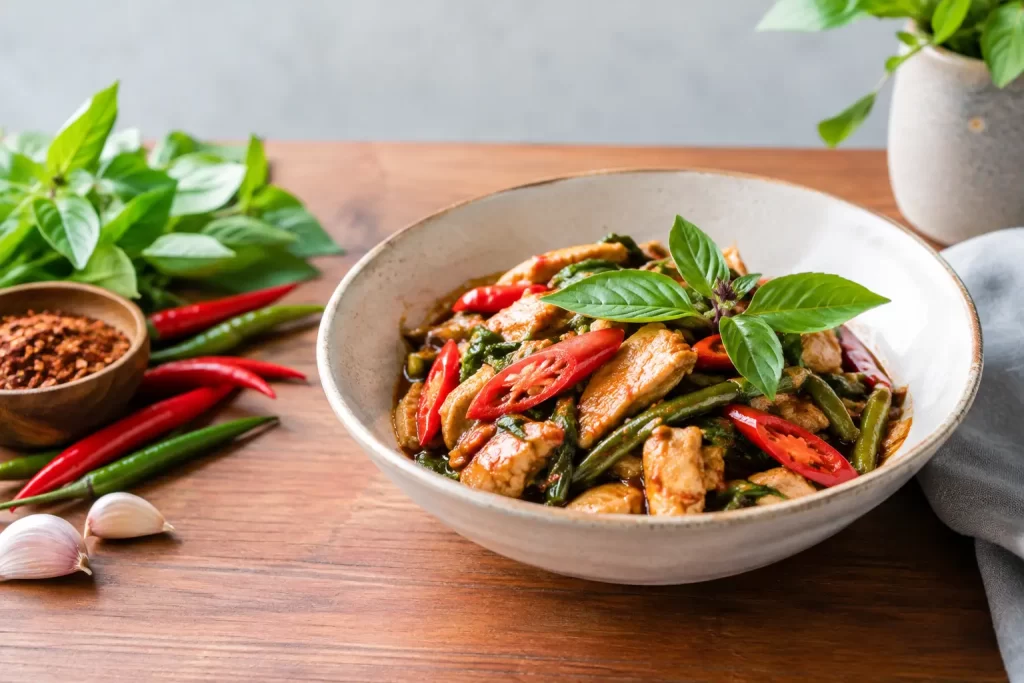
It also helps to consider ordering style ahead of time. Large Thai dinners usually go better when the group is ready to share a mix of dishes rather than having everyone decide separately at the last minute. Signature plates like Tom Yum Seafood, Pad Thai, and Pad Kra Pao are easy crowd-pleasers because they bring familiar, satisfying flavors to the table. If the dinner is for a work group or celebration, some restaurants may also be better equipped to guide large-party ordering so the meal arrives in a smooth rhythm.
That does not mean every group needs a fixed menu. It means the more organized the table is, the more enjoyable the dinner tends to be.
Special Requests Matter, but Keep Them Clear
There is nothing wrong with asking for something specific. In fact, if it will affect your comfort, you should mention it. Maybe you want indoor seating with more space for a stroller. Maybe you are planning a casual celebration. Maybe your group prefers a quieter corner if available.
The key phrase is if available. The best reservation requests are clear, polite, and realistic. A restaurant will usually try to help, but requests are easier to honor when they are made early and framed as preferences rather than demands.
This applies especially to celebrations. If dinner is for a birthday, anniversary, or office occasion, say so when booking. That context helps the team prepare and may influence the table setup or pacing of service. It also gives you a better sense of what the restaurant can and cannot do, which avoids awkward assumptions later.
Picking the Right Restaurant for the Occasion
Learning how to book thai dinner reservations is also about choosing the right place in the first place. Convenience matters. If the restaurant is close to where your group lives, works, or plans to meet, the booking is more likely to hold because people actually arrive on time.
For diners around busy areas in Klang Valley and nearby neighborhoods, choosing a restaurant with multiple outlets can make dinner planning much easier. A familiar Thai restaurant near Subang Jaya may suit an after-work meal, while a location closer to Kepong or Shah Alam may be a better fit for family gatherings depending on where everyone is coming from. The meal may be the main event, but convenience is often what gets the whole group to commit.
You should also match the restaurant to the dining mood. Some Thai restaurants are better for fast casual meals. Others are built for a fuller dine-in experience where groups can settle in over shared dishes and drinks. If you want a fun, enjoyable dining experience with recognizable favorites and a lively atmosphere, choose a place designed for that, not just the nearest option with an empty table.
Common Reservation Mistakes to Avoid
The biggest mistake is waiting too long and then expecting prime dinner time to still be open. The second is booking without enough details and hoping to sort it out at the door. Both create unnecessary stress.
Another common issue is failing to update the restaurant. If your group size changes, your timing shifts, or you are running late, let them know. That small step is helpful for the team and better for your table. Restaurants can work with changes more easily when they are communicated early.
There is also the problem of overbooking. Some people reserve multiple places and decide later. It may feel convenient, but it creates avoidable gaps in service planning and can make it harder for other diners to book genuine slots. If you confirm a table, treat it like a real commitment.
The Best Reservation Is the One That Sets the Meal Up Well
A good Thai dinner starts before the first dish hits the table. It starts when the booking reflects what the night is supposed to be – easy, flavorful, and worth showing up for. If you know your group size, choose your timing carefully, communicate special requests clearly, and book before the rush, you give yourself a much better chance of enjoying the meal instead of managing avoidable problems.
At a restaurant like Soi 55, where modern Thai cooking, shared favorites, and lively dine-in energy come together, reservations are not just a formality. They are part of bringing the heart of Thailand to your table with less waiting and more enjoying. Plan the table well, and dinner can get straight to the good part.