Signature Thai Dishes Explained, One Plate at a Time
July 28, 2026
How to Pick Thai Lunch Sets That Hit the Spot
August 5, 2026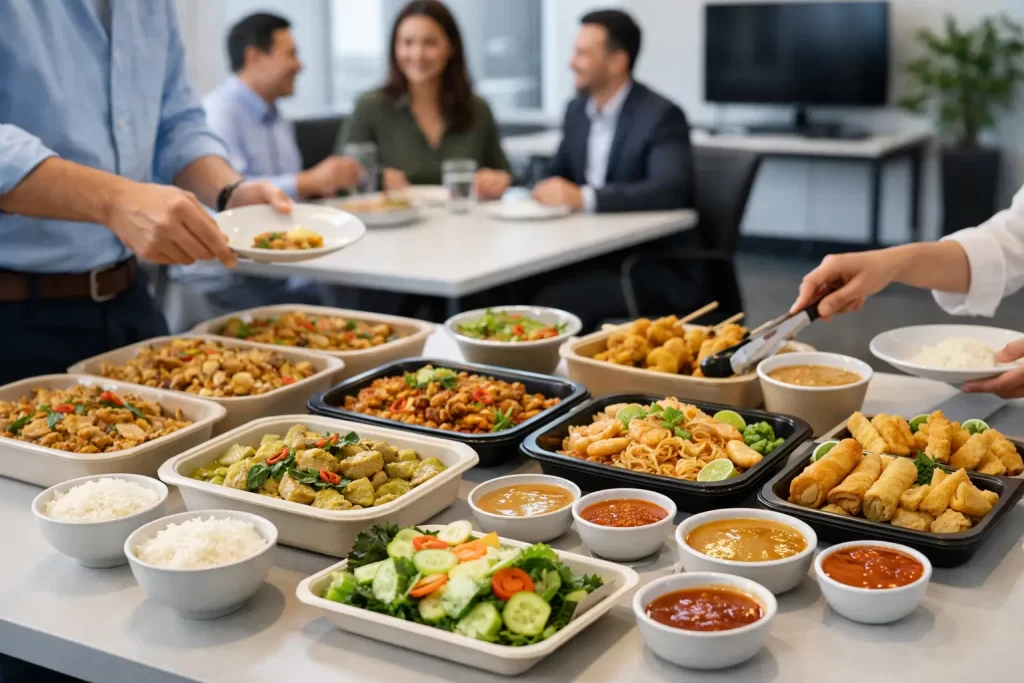
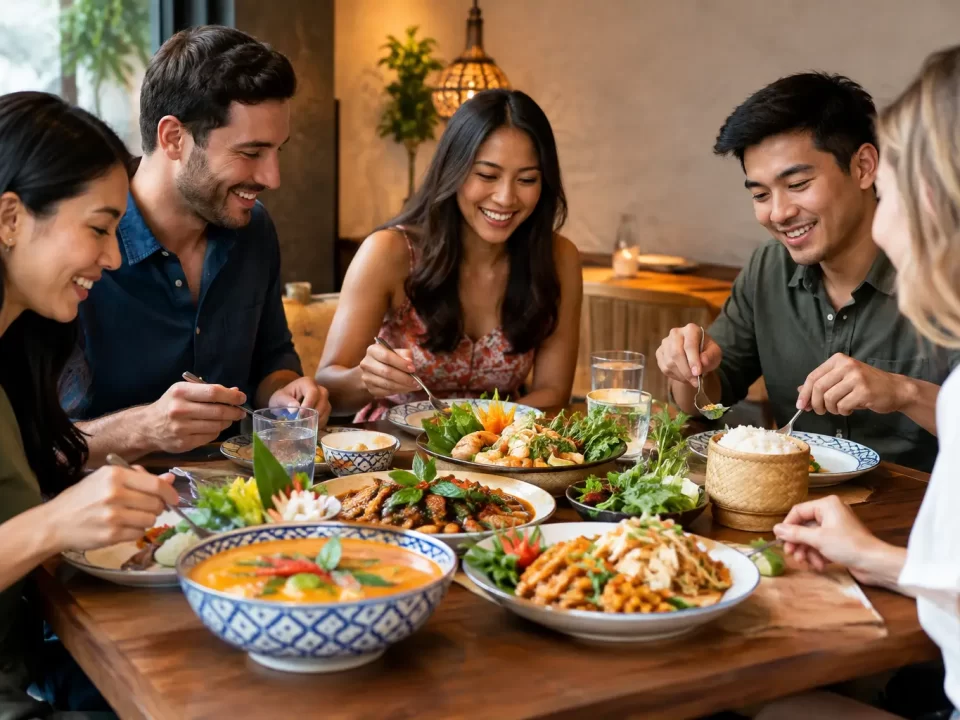
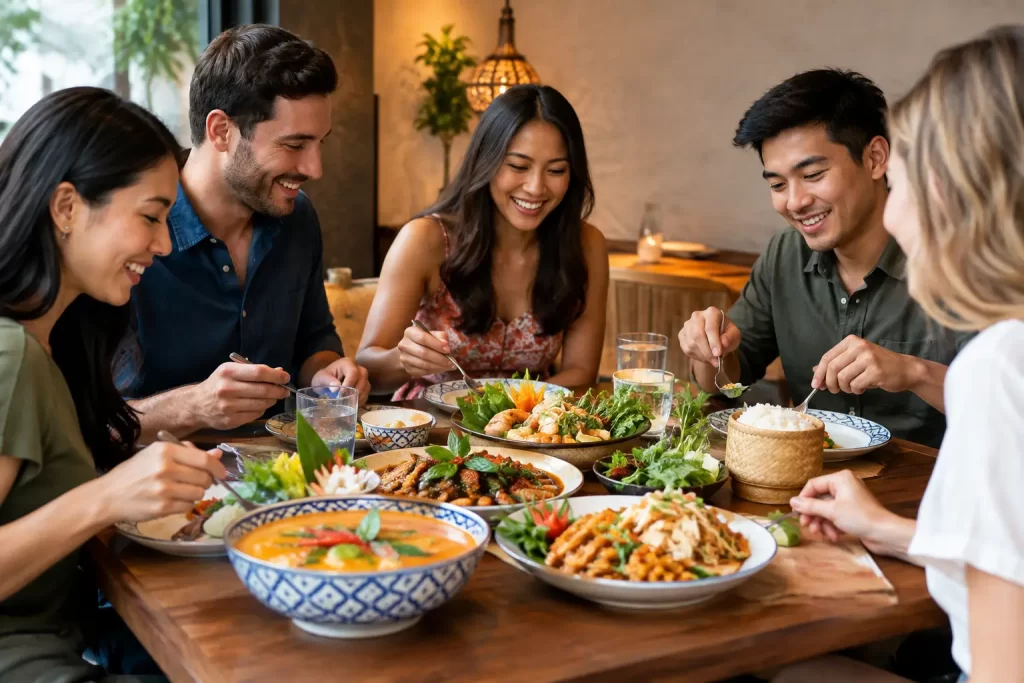
At 12:15, the office meeting room should smell like lime, basil, and sizzling wok flavor – not like another forgettable boxed lunch. This office Thai catering example shows how to build a team meal that feels generous, easy to serve, and exciting enough to get people away from their desks.
Thai food works especially well for office gatherings because it gives everyone something familiar to reach for. A bright Tom Yum, satisfying noodles, fragrant rice, and chilled Thai milk tea create a full spread without turning lunch into a formal sit-down event. The key is choosing a menu with variety, planning realistic portions, and making sure the food arrives ready for a busy team.
An Office Thai Catering Example for 35 People
Picture a 35-person product team celebrating the end of a major project. The group includes colleagues who enjoy serious spice, people who prefer milder flavors, vegetarian guests, and a few team members joining remotely before stopping by for lunch. They have a one-hour break, a conference room with limited table space, and no time for complicated plating.
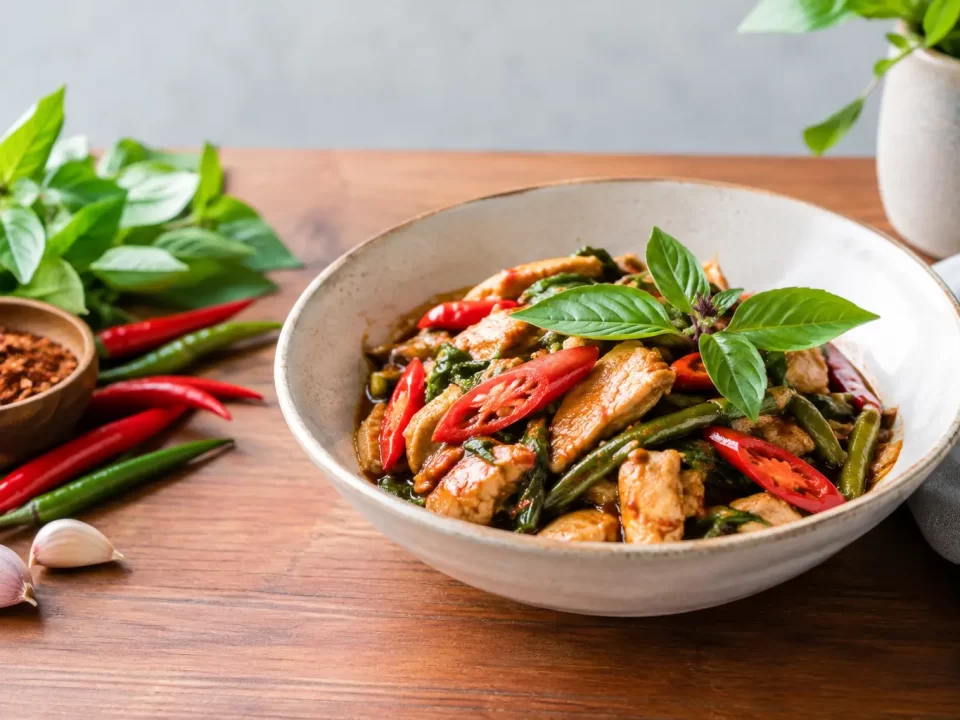
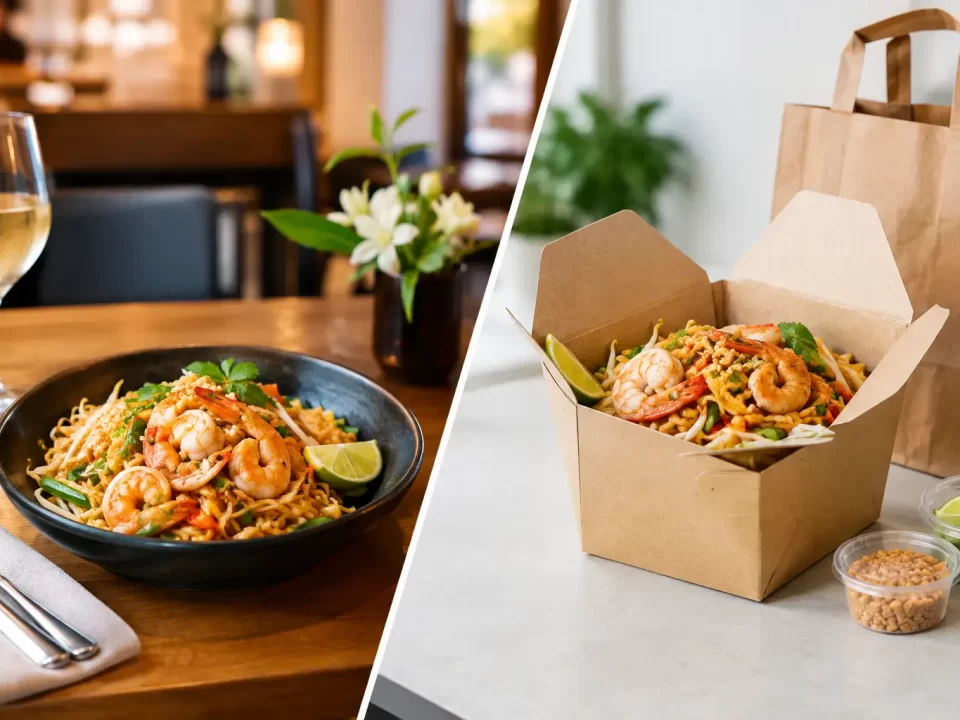
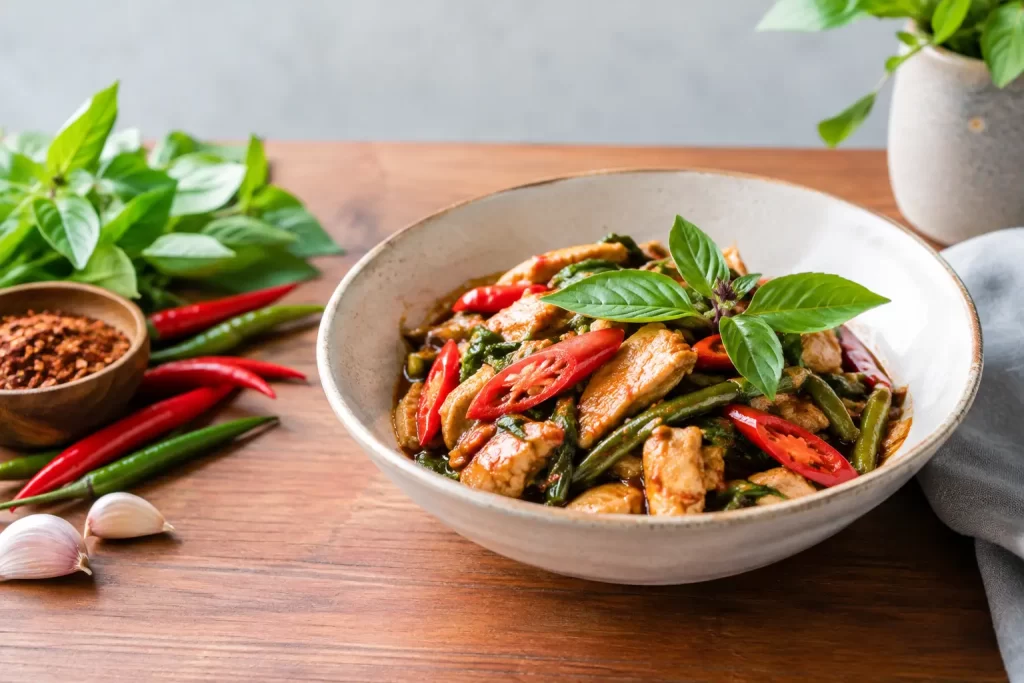
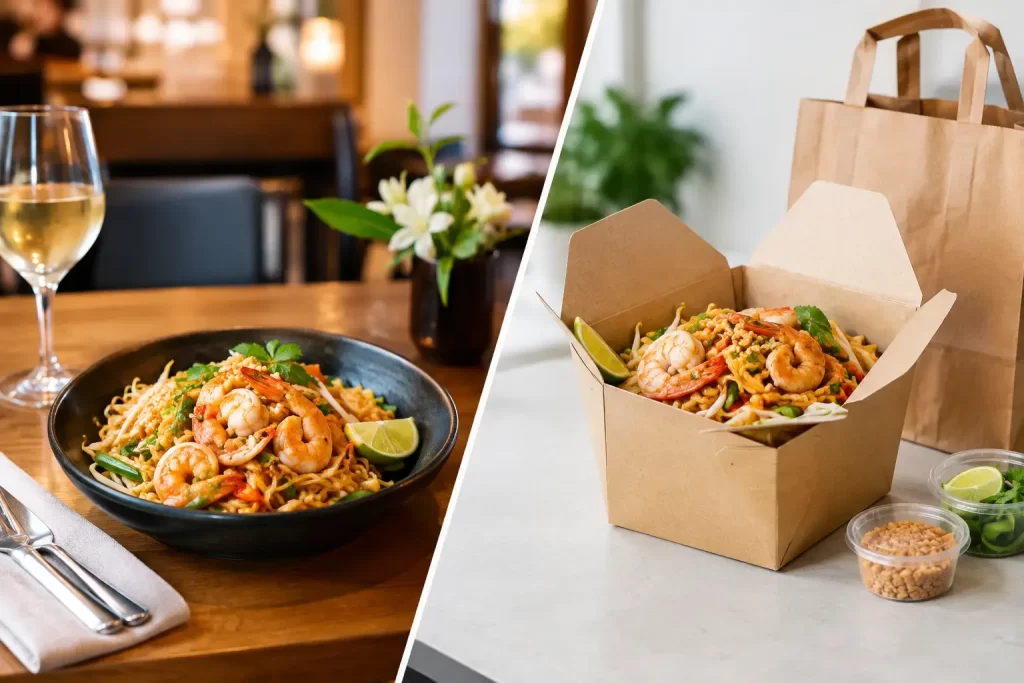
A strong catering order starts with dishes that complement one another rather than repeating the same flavor or texture. For this group, the menu can center on a shared feast: Tom Yum Seafood for its bright, spicy-sour character; Pad Thai for familiar, crowd-friendly noodles; Pad Kra Pao with aromatic basil; a vegetable stir-fry for freshness; jasmine rice; and Thai milk tea to finish.
This is not a menu that asks every person to love every dish. It gives the table choices. Someone who wants a comforting lunch can build a plate of Pad Thai and rice. Someone looking for bold Thai heat can reach for Tom Yum and Pad Kra Pao. The vegetable dish rounds out the meal and makes the spread feel complete rather than heavy.
A practical menu balance
For an office lunch, think in terms of anchors, sides, and refreshments. The anchors are the dishes people will naturally serve themselves first, such as noodles, rice, and a flavorful main. The sides add contrast through vegetables, soup, or a lighter dish. Drinks matter more than many organizers expect, especially when the menu includes spicy selections.
For 35 guests, a sensible order could include enough Pad Thai for about 18 to 20 servings, Pad Kra Pao for 15 to 18 servings, Tom Yum Seafood for 12 to 15 bowl-sized portions, a generous vegetable dish for 12 to 15 servings, and jasmine rice for the full group. Add Thai milk tea for around two-thirds of the room, plus plain water and ice for everyone.
Those numbers are a starting point, not a fixed rule. If the team is young, active, and known for hearty lunches, increase the rice and noodle quantities. If the event happens at 3 p.m. after a full catered breakfast, reduce the order slightly. A team lunch should leave people satisfied, not scrambling for the last spoonful of rice.
Why This Office Thai Catering Example Works
The best catered lunch has a little rhythm to it. Noodles offer a familiar base, rice supports saucy and aromatic dishes, soup brings a different temperature and flavor, and drinks cool the palate. That variety helps Thai catering feel festive even when the event is held between presentations and calendar reminders.
It also makes serving faster. Rather than assigning individual meals or asking employees to choose in advance, set up shared trays with clear dish labels. People can build their own plates according to appetite and spice preference. For a 35-person group, this is usually more efficient than handing out 35 separate packages.
There is a trade-off. Individual boxes may be better for a training session where guests are seated in different rooms, or for an event with very limited serving space. Shared catering is better when the purpose is connection. It encourages people from different departments to gather around the table, talk about the food, and take a real pause together.
Plan for spice without losing the flavor
Thai cuisine is known for bold, delicious tastes, and an office order should not flatten those flavors just to play it safe. At the same time, catering for a mixed group calls for a little care. Ask for one or two dishes to be prepared at a mild or medium level where possible, while keeping a signature spicy dish on the menu for guests who enjoy heat.
Tom Yum is a good example. Its appeal is not only its spiciness but also the balance of fragrant herbs, tangy broth, and savory seafood. Serving it alongside noodles, rice, and a vegetable option gives every guest an easy way to shape a meal that suits them.
If dietary needs are part of the group, collect them before placing the order. A simple message in the event invitation can ask attendees to note vegetarian needs, allergies, and spice concerns. This gives the caterer time to recommend suitable dishes and helps avoid last-minute uncertainty at the buffet table.
The Setup Matters as Much as the Menu
Great food can still feel disorganized if the setup is crowded. For a 35-person office lunch, use one long table or two smaller stations. Put plates, napkins, and utensils at the beginning, followed by rice and noodles, then mains, vegetables, soup, and drinks at the end. This keeps guests moving in one direction instead of reaching across each other.
Label each dish in plain language. Include a short note such as “spicy,” “vegetarian,” or “contains seafood” when relevant. The labels do not need to be elaborate, but they make guests feel considered and reduce repeated questions during the lunch rush.
Keep soups and drinks slightly apart from the main serving line if possible. Tom Yum needs a stable spot where people can ladle carefully, while Thai milk tea is easier to grab after guests have filled their plates. Small choices like this prevent the table from becoming a traffic jam.
Timing deserves equal attention. Request delivery early enough to check the order, set up the table, and contact the caterer if anything needs attention. For a lunch beginning at noon, having the food arrive around 11:30 gives the organizer a comfortable buffer. Food should be served while hot dishes are still at their best, so avoid scheduling delivery hours before the event.
Make the Lunch Feel Like a Team Occasion
An office lunch does not need balloons or a long speech to feel special. A menu with recognizable Thai favorites already brings energy to the room. The organizer can add a simple card at the table with the occasion – a project launch, quarterly win, new-hire welcome, or client visit – so the meal feels intentional.
For larger meetings, reserve a few minutes before serving for a quick thank-you or announcement. Keep it brief. The food should remain the centerpiece, and people will remember being treated to a satisfying meal more than a lengthy presentation.
This approach also works beyond headquarters. Teams in Cyberjaya, Subang Jaya, Shah Alam, or Kuala Lumpur can use the same structure for an office celebration, workshop, or casual client lunch. The guest count may change, but the formula remains useful: one familiar noodle dish, one rice-based favorite, a bright soup, a vegetable option, plenty of rice, and cold drinks.
For teams looking to bring the heart of Thailand to the table, Soi 55 can help turn that plan into a lively spread built around modern Thai favorites. The goal is not to make lunch complicated. It is to give colleagues a reason to gather, share bold flavors, and return to work feeling properly looked after.
The next time a calendar invite calls for “team lunch,” treat it as more than a meal break. A well-planned Thai spread can turn one ordinary hour into the part of the workday people actually talk about afterward.