Thai Dine-In vs Takeaway: What Fits Tonight?
September 20, 2026
Group Dinner Booking Guide for Thai Food Fans
September 24, 2026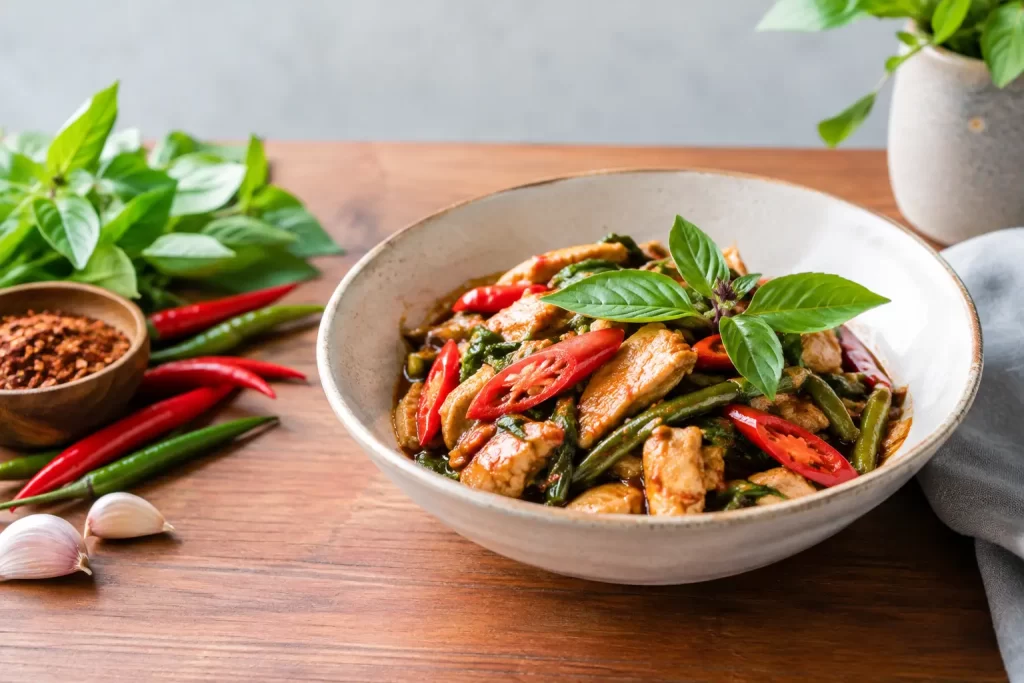
A bowl of Tom Yum arrives fragrant with lemongrass, lime, chili, and herbs. The first spoonful should wake up your appetite, not overwhelm it. That is where Thai spice control matters: it helps you choose a level of heat that lets every bright, savory, aromatic note come through.
Thai food is not meant to be one-note hot. Chili is only one part of a much bigger flavor picture, alongside sourness, sweetness, saltiness, richness, and fresh herbs. Whether you are planning a quick midweek dinner, ordering for the office, or sharing a table with family, knowing how to communicate your spice preference makes the meal far more enjoyable.
What Thai Spice Control Really Means
Thai spice control is not a universal scale. One restaurant’s medium may feel gentle to a regular Thai food fan and fiery to someone who usually avoids chili. It can also change from dish to dish. A dry stir-fry often carries heat more directly than a coconut-based curry, while a spicy soup can become more intense as the chilies steep in the broth.
The useful question is not simply, “How spicy can I handle?” Instead, ask yourself how much chili you want in relation to the rest of the dish. Do you want a gentle warmth with clear flavors? A lively kick that builds as you eat? Or the full, exciting heat that puts chili at the center of the experience?
At a good Thai table, spice is adjustable because diners are different. A couple sharing dinner may have completely different comfort levels. Families may need a mild dish for younger eaters alongside a bolder plate for the chili lovers. There is no prize for ordering the hottest option. The best order is the one you will happily finish.
How to Order Thai Spice Control Clearly
The easiest approach is to use plain language rather than trying to guess a number. Say “mild, please, with just a little chili” if you are cautious. Choose “medium, with a noticeable kick” if you enjoy heat but still want to taste the herbs and sauce. If you regularly eat spicy Malaysian dishes and want real chili presence, ask for “spicy” and let the team know you are comfortable with heat.
If you are unsure, mild to medium is often the sensible starting point. You can always add more heat at the table, but once chilies are cooked into a curry or stir-fry, the intensity cannot be taken away. This is especially helpful when trying an unfamiliar dish for the first time.
For group meals, order a range rather than making every plate the same level. Keep one or two dishes mild, choose a medium dish that most people can enjoy, then add a spicy favorite for the heat seekers. The table feels more generous, and everyone gets to eat comfortably.
Ask About the Dish, Not Just the Heat
Some menu names offer clues, but preparation matters more than labels. Tom Yum is naturally bright and chili-forward, yet its sour, herbal broth keeps it refreshing. Pad Kra Pao typically brings a more direct, savory heat from chilies and fragrant basil. A rich curry may seem less sharp at first because coconut softens the edges, even when there is plenty of chili underneath.
A quick question can prevent disappointment: “Is this dish naturally spicy, or can the chili be adjusted?” It is a practical question, not a fussy one. Restaurant teams want the food to suit your table, particularly when you are ordering several dishes to share.
Which Thai Dishes Work Best at Each Heat Level?
Mild: Big Flavor, Little Burn
Mild does not mean bland. It means the dish is prepared to highlight its savory sauces, aromatic herbs, noodles, vegetables, and protein without a strong chili hit. Pad Thai is an easy choice for diners who want balanced sweetness, tang, and roasted notes from the wok. Thai milk tea also offers a cool, creamy break between bites, especially when the table includes spicier dishes.
Mild is often ideal for a weekday meal when you want something comforting and satisfying without pushing your limits. It is also a smart base for a mixed-age family table. You can enjoy a full Thai spread while letting each person add heat according to their taste.
Medium: The Everyday Sweet Spot
For many diners, medium is where Thai flavors feel most complete. There is enough chili to create warmth and a gentle build, but not so much that it masks the citrus, basil, galangal, garlic, or coconut. A medium Tom Yum Seafood can be especially satisfying here: tangy broth, tender seafood, and a lingering chili warmth that invites another spoonful.
Medium also works beautifully for shared dining because it gives the table a bit of excitement without excluding anyone who is less experienced with spicy food. If your group includes both regular Thai food lovers and first-timers, this is often the most dependable choice.
Spicy: For Diners Who Want Chili Up Front
A spicy order should still taste balanced. The goal is not to turn every bite into a challenge. It is to give chili a clear, confident role while preserving the dish’s character. Pad Kra Pao at a spicy level, for example, should remain fragrant with basil and savory sauce, not become only hot.
Spicy meals are best enjoyed with supporting dishes. Steamed rice helps carry saucy curries and stir-fries, while a milder noodle dish or refreshing drink gives your palate a pause. When the table is sharing, pairing bold heat with gentler options creates a more relaxed meal for everyone.
The Smart Way to Build Heat at the Table
Table condiments are useful, but they work differently from chilies cooked into the dish. Adding chili flakes or fresh chili gives a sharper, more immediate heat. Chili sauce can bring sweetness, tang, or garlic notes as well as spice. A squeeze of lime can brighten a rich or spicy bite, while a spoonful of rice can soften the overall intensity.
Try a small adjustment first, taste, then decide whether you want more. This is particularly useful with soups and noodle dishes, where the flavor changes quickly once condiments are stirred through. Build the heat gradually so you stay in control of the meal.
If a dish is hotter than expected, do not rush to drink only water. Water may spread the sensation without doing much to calm it. Rice, a creamy drink, or a few bites of a milder dish can be more helpful. Most of all, slow down. Thai food is made for sharing, chatting, and taking in layer after layer of flavor.
Why Spice Preferences Change From Meal to Meal
Your preferred heat level can depend on more than your tolerance. A humid afternoon may make a very spicy curry feel stronger than it would at dinner. A quick lunch between meetings may call for medium heat, while a leisurely weekend meal gives you more time to enjoy a bold, spicy spread. Even hunger changes the experience: chili tends to feel sharper on an empty stomach.
The dishes around your main order matter too. If you are ordering a spicy basil stir-fry, balance it with rice and a milder side. If Tom Yum is the star, consider whether the rest of the table needs another chili-heavy dish. Great Thai dining is about contrast – hot and cool, rich and bright, spicy and soothing.
At Soi 55 Thai Kitchen, the joy is in bringing those bold and delicious tastes to an everyday table, whether it is a quick dinner near home or a long catch-up with friends. Tell the team what you enjoy, order with your group in mind, and let your appetite lead the way.
The next time you order Thai food, choose heat that leaves you reaching for another bite – not reaching for relief.