Best Thai Restaurant Putrajaya Diners Crave
June 22, 2026
Thai Set Lunch Malaysia Diners Keep Reordering
June 26, 2026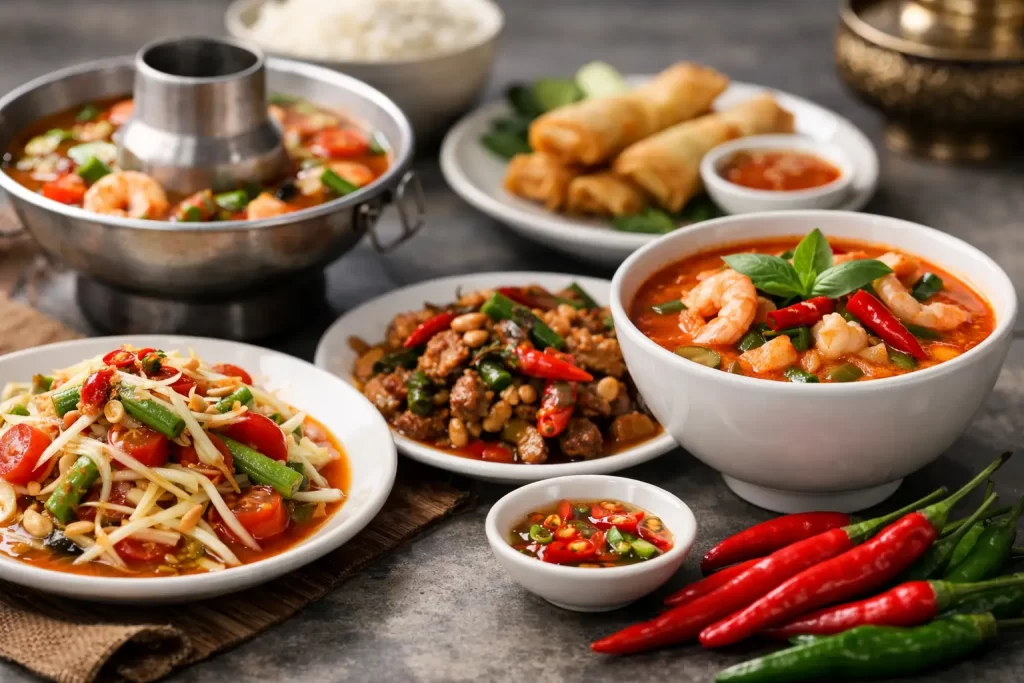
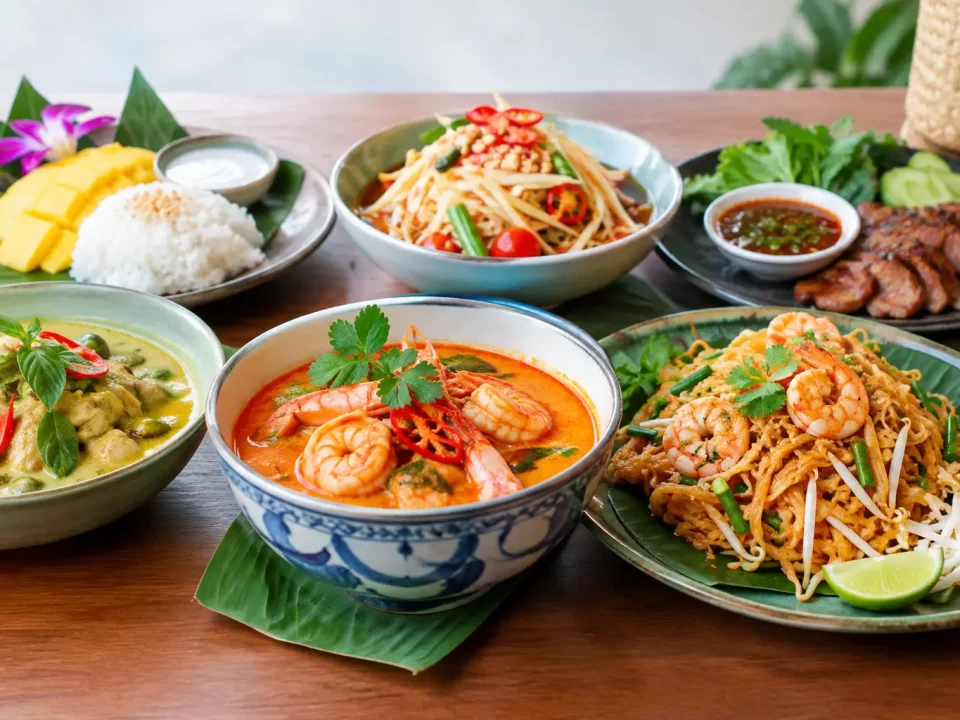
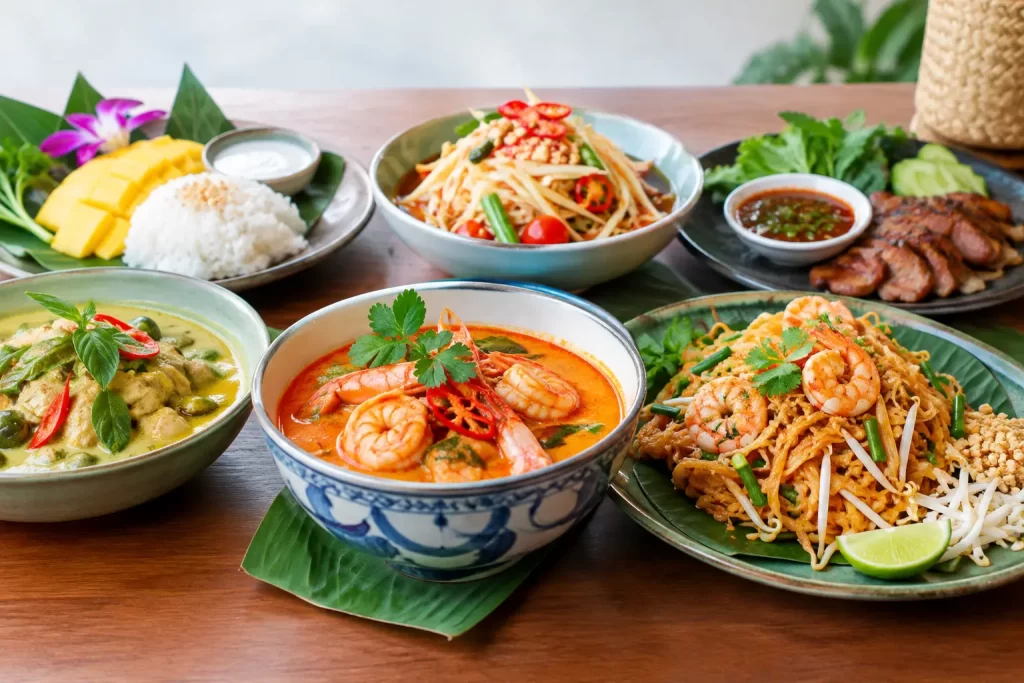
You spot a steaming bowl of tom yum, a plate of pad Thai, and a fragrant basil stir-fry on the table, and the question comes fast: is thai food very spicy? The short answer is sometimes, but not always. Thai food is famous for bold flavor, and heat is part of that story, but spice is only one piece of what makes the cuisine so satisfying.
That is what surprises many first-time diners. Thai food is built around balance. A dish might be spicy, but it is also likely to be bright, savory, aromatic, a little sweet, or pleasantly sour. The best Thai meals do not chase heat for its own sake. They bring different flavors together so every bite feels lively and complete.
Is Thai food very spicy by default?
Not every Thai dish is intensely hot by default, and that is one of the biggest myths around the cuisine. Some dishes are known for a stronger chili kick, while others are naturally milder and focus more on sweetness, tang, herbs, or savory depth. If you have only tried a fiery tom yum before, it is easy to assume every item on the menu will hit the same way. In reality, Thai food covers a wide range.
A good way to think about it is this: Thai cuisine is flavor-forward first, spicy second. Chilies matter, but so do lime, garlic, fish sauce, basil, lemongrass, galangal, coconut milk, tamarind, and fresh vegetables. That balance is why one spicy dish can feel sharp and punchy, while another feels creamy and rounded even with visible chilies.
The heat level also depends on the restaurant, the recipe style, and who the food is being cooked for. Some kitchens lean closer to traditional street-style intensity. Others adjust heat so a wider group of diners can enjoy the meal. For families, office lunches, or casual dinners out, that flexibility makes Thai food much more approachable than many people expect.
Why Thai food has a reputation for heat
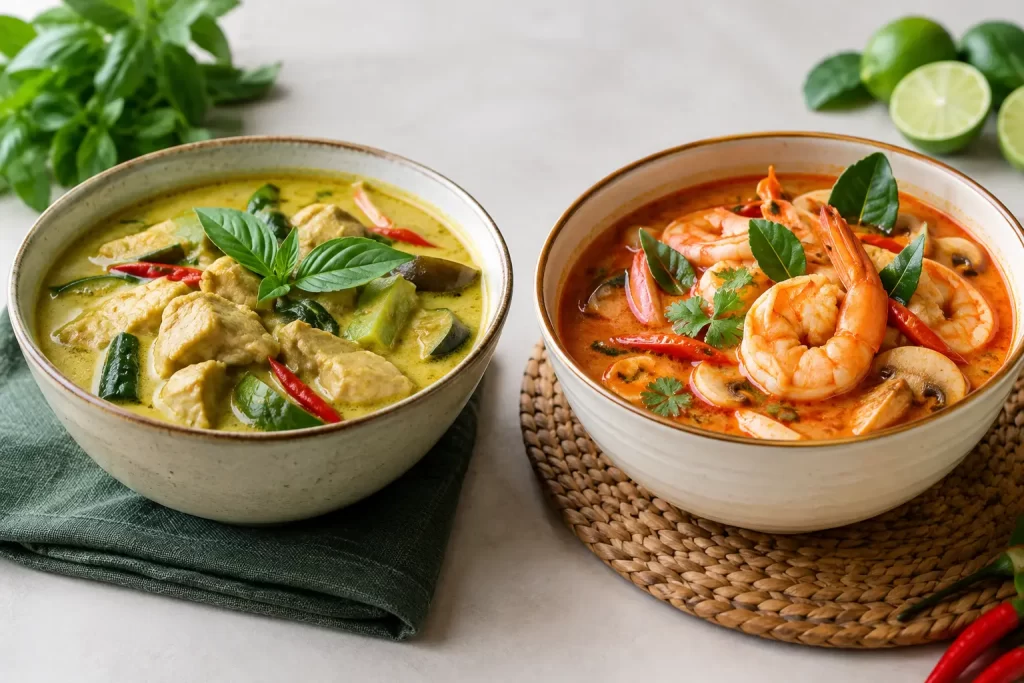
Thai food earned its spicy reputation honestly. Many beloved dishes do use fresh or dried chilies, and when prepared in a more traditional style, the heat can be assertive. Tom yum, green curry, red curry, and pad kra pao are some of the best-known examples where spice often plays a visible role.
But the reputation can also be bigger than the reality. People tend to remember the hottest dish they had, not the milder noodle plate or the sweet drink that came with it. That creates the idea that Thai food is always intense, when really it depends on what you order and how it is prepared.
There is also a difference between spicy and flavorful. Thai cooking is deeply aromatic. Herbs and seasonings create a strong first impression, even when the chili level is moderate. Someone unfamiliar with Thai flavors may read that intensity as heat, when the dish is actually more fragrant or tangy than truly spicy.
Which Thai dishes are usually milder?
If you enjoy bold flavors but do not want a dish that makes you reach for water after every bite, there are plenty of comfortable entry points. Pad Thai is one of the easiest examples. It is usually sweet-savory, slightly tangy, and satisfying without being aggressively spicy. If chili is served on the side, you control how much heat goes in.
Thai fried rice is another good option for a gentler start. It tends to be familiar, filling, and easy to pair with other dishes at the table. Coconut-based dishes can also feel softer on the palate because the richness helps mellow the spice.
Even among soups and stir-fries, there is room to choose carefully. A basil stir-fry may have heat, but it often lands differently from a sour soup packed with chilies. The best move is not avoiding Thai food altogether. It is choosing the style of dish that matches your comfort level.
Which dishes tend to be hotter?
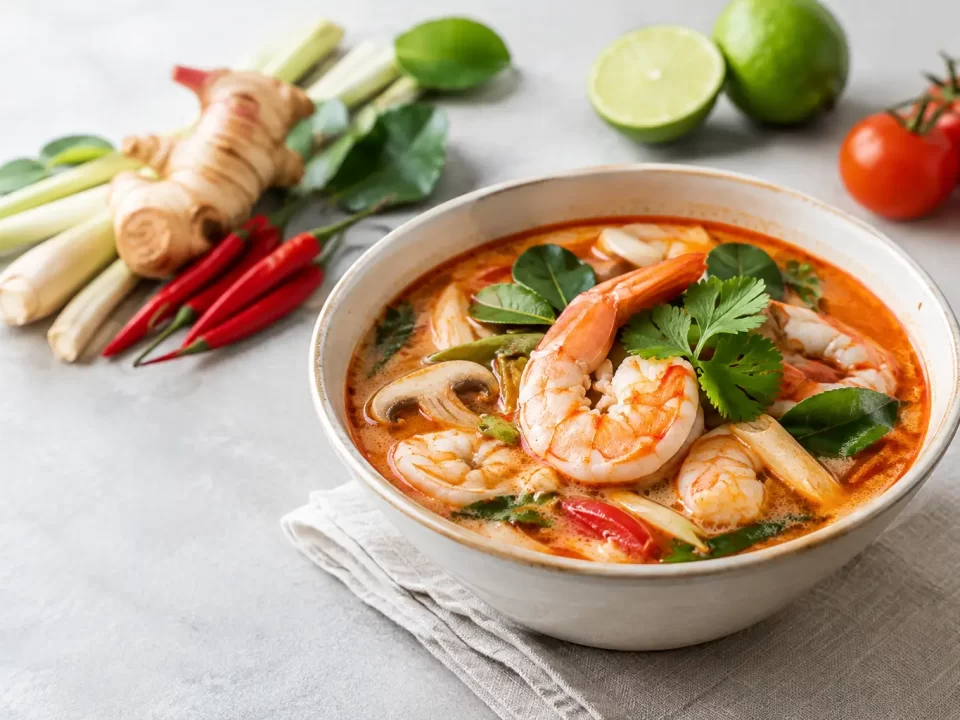
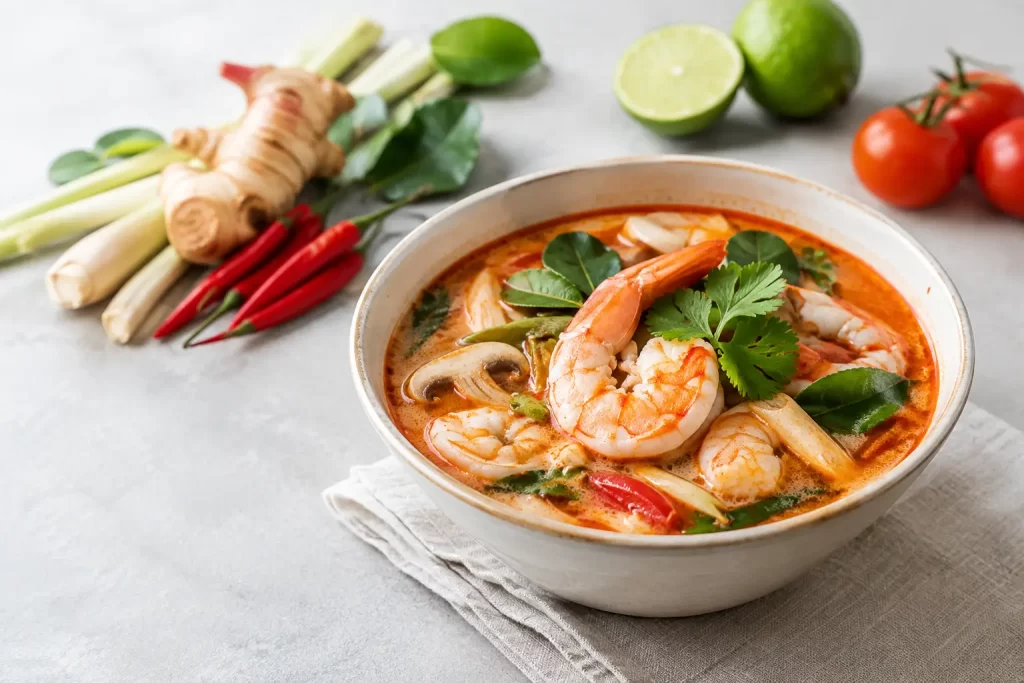
When people ask if thai food is very spicy, they are often thinking of dishes that are meant to carry a stronger chili punch. Tom yum is high on that list. It is hot, sour, and aromatic, with a bright intensity that can feel quite sharp if you are sensitive to spice.
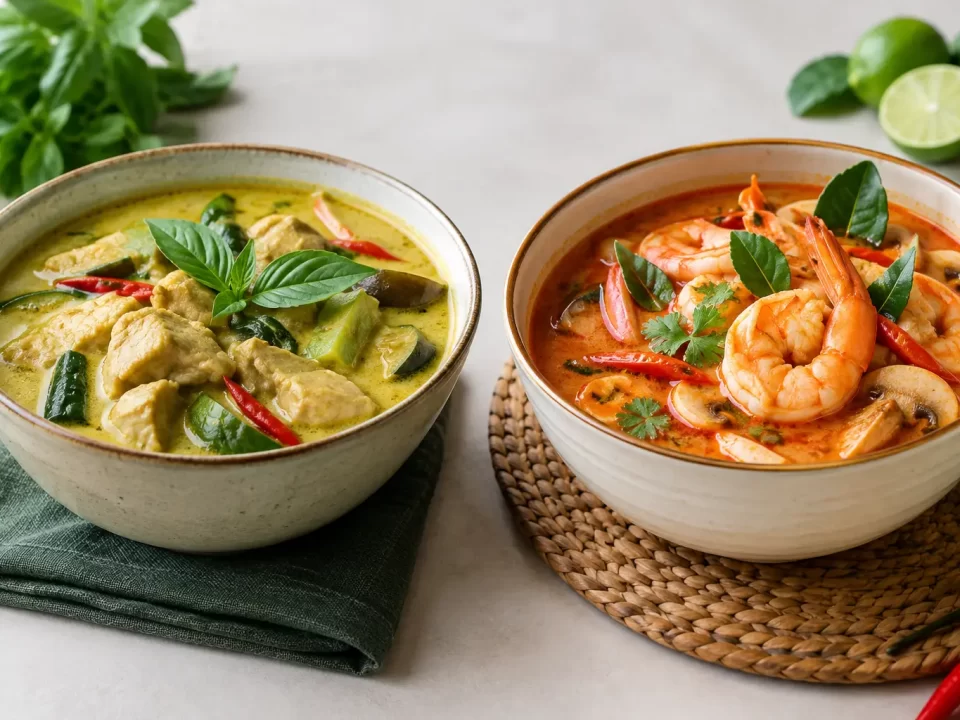
Curries can also vary more than people expect. A curry that looks creamy may still deliver serious heat underneath, especially if the chili paste is prominent. Pad kra pao, with its holy basil, garlic, and chili-driven flavor, is another dish that often comes with a confident kick.
That does not mean these dishes are only for spice experts. It simply means they are better approached with some awareness. If you want to enjoy the signature flavors without going all in on heat, ask for a milder version or pair the dish with rice and a cooling drink.
What affects the spice level the most?
The number of chilies matters, of course, but that is only part of it. Fresh bird’s eye chilies can create a sharper, faster heat than a milder chili used for color or background flavor. Chili pastes can deepen the warmth of a dish without making it taste brutally hot. The cooking method matters too. Stir-fried dishes often feel more direct, while coconut-based curries can spread the heat more gently.
Serving style also changes the experience. A spicy dish eaten on its own may feel intense, but the same dish shared with jasmine rice, an omelet, or a milder noodle plate can feel balanced and enjoyable. This is one reason Thai food works so well for group dining. You do not need every plate to hit the same level of spice.
The final factor is personal tolerance. One person’s pleasant warmth is another person’s challenge. If you already enjoy chili-forward cuisines, many Thai dishes will feel exciting rather than overwhelming. If you are more cautious, a restaurant that understands balance and customization makes all the difference.
How to order Thai food if you do not love spicy meals
The easiest approach is to be direct. Ask what is mild, what is medium, and what usually comes with a stronger kick. A good Thai restaurant should be able to guide you toward dishes that fit your preferences without sacrificing flavor.
It also helps to order across the menu instead of choosing only one type of dish. Pair a spicier soup or stir-fry with a milder noodle dish, rice, and a sweet drink. Thai milk tea, for example, is not just popular because it tastes great. It also offers a creamy, refreshing contrast to bolder dishes.
If you are dining with friends or family, mix your order. That way, everyone gets something they are comfortable with, and the table feels generous and varied. This is often the best way to enjoy Thai food in a lively, social setting.
Thai food is bold, not one-note
The biggest mistake is reducing Thai food to heat alone. Yes, spice can be thrilling. It can wake up the palate and make a dish unforgettable. But Thai cuisine has range. It can be smoky, citrusy, herbal, rich, sweet, crisp, or deeply savory, often all within the same meal.
That range is exactly why modern Thai dining continues to win over so many people, from quick weekday lunch crowds to big family tables and group celebrations. At restaurants like Soi 55, the appeal is not just that the food can be spicy. It is that every dish aims for bold and delicious taste, whether you want a fiery tom yum or a more relaxed plate of pad Thai.
So, is thai food very spicy? It can be, but it does not have to be. The better question is what kind of Thai flavors you are in the mood for today. Start with a dish that matches your comfort level, stay open to contrast, and let your palate build from there. Thai food tends to reward curiosity, one flavorful bite at a time.