How to Order Tom Yum for a Better Thai Meal
July 24, 2026
Signature Thai Dishes Explained, One Plate at a Time
July 28, 2026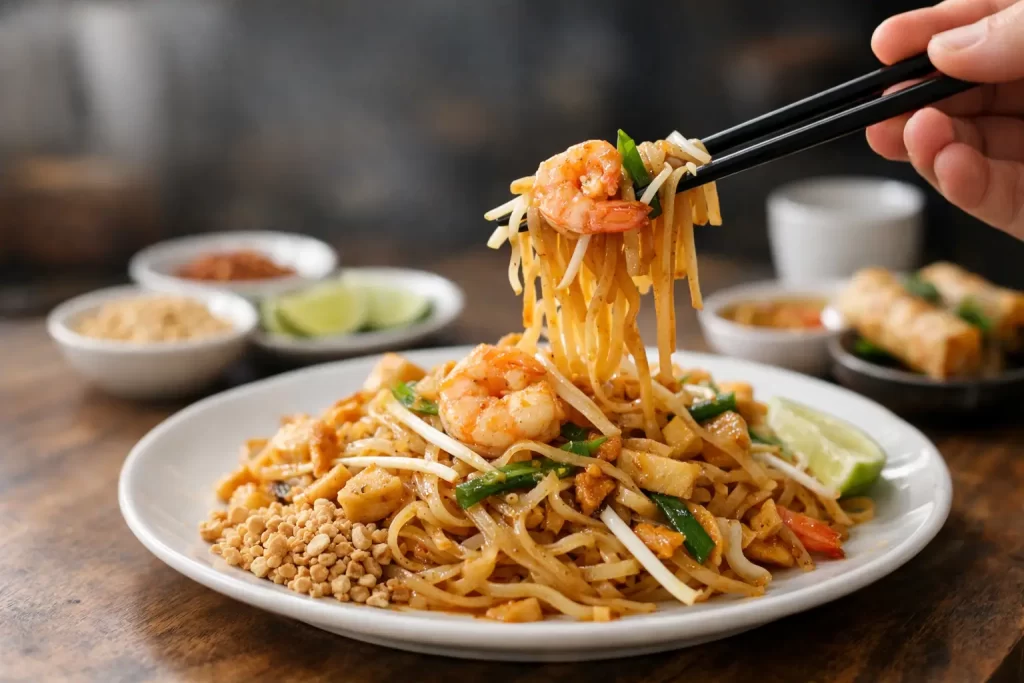
A memorable plate of Pad Thai announces itself before the first bite. There is the warm scent of wok-charred noodles, the bright lift of lime, the savory pull of sauce, and that final shower of crushed peanuts waiting to bring crunch. This pad thai review looks at what separates a merely filling noodle dish from one that feels balanced, vibrant, and worthy of ordering again.
Pad Thai is familiar to many diners, but it is not a dish that should be taken for granted. Its appeal comes from contrast: soft rice noodles against crisp bean sprouts, tangy tamarind against a gentle sweetness, and rich savory flavor sharpened by fresh citrus. When these elements meet in the right proportions, the dish is comforting enough for a weekday meal and exciting enough to share across a table full of Thai favorites.
What a Pad Thai Review Should Judge
A proper Pad Thai review starts with the noodles. They should be tender and glossy, with enough body to hold the sauce without becoming heavy or clumped together. Overcooked noodles lose their spring and soak up too much moisture. Undercooked noodles can feel stiff and disconnected from the rest of the plate. The sweet spot is a pleasant chew that keeps every forkful lively.
Then comes the sauce, the heart of the dish. Good Pad Thai does not taste flatly sweet, nor should it lean so hard into sourness that every other ingredient disappears. It needs a layered balance of sweet, tangy, salty, and savory flavors. Tamarind should add depth rather than dominate, while lime gives diners the option to brighten the dish even further at the table.
The wok matters too. Stir-frying over high heat gives the noodles a light smokiness and helps the ingredients taste integrated instead of simply mixed together. You may not see flames from the dining room, but you can taste the difference in noodles that arrive fragrant, warm, and full of character.
Texture Is Not a Side Detail
Pad Thai can look simple, which is exactly why texture has such an important job. Soft noodles alone would make for a one-note meal. Bean sprouts provide a cool, crisp snap. Chives add a fresh onion-like bite. Crushed peanuts bring nuttiness and a satisfying crunch. A wedge of lime cuts through the richer notes and gives the diner control over the final flavor.
These additions should support the noodles, not bury them. Too many peanuts can make the plate dry, while too much lime added too early can overpower the tamarind-based sauce. The best approach is to taste first, then adjust. Add a little lime, mix it through, and let the dish reveal what it needs.
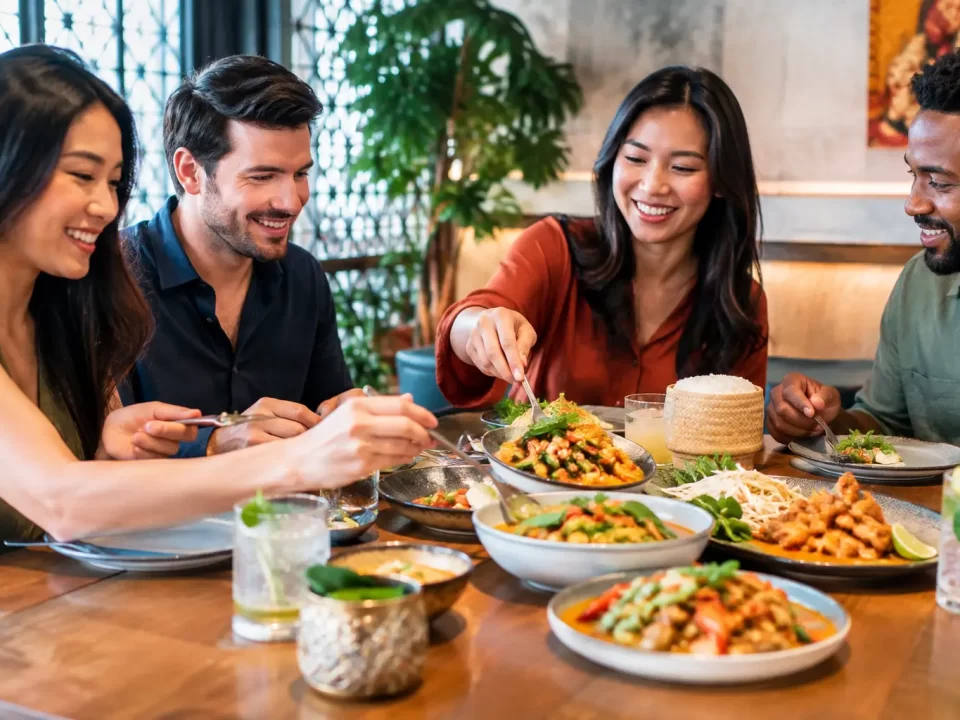
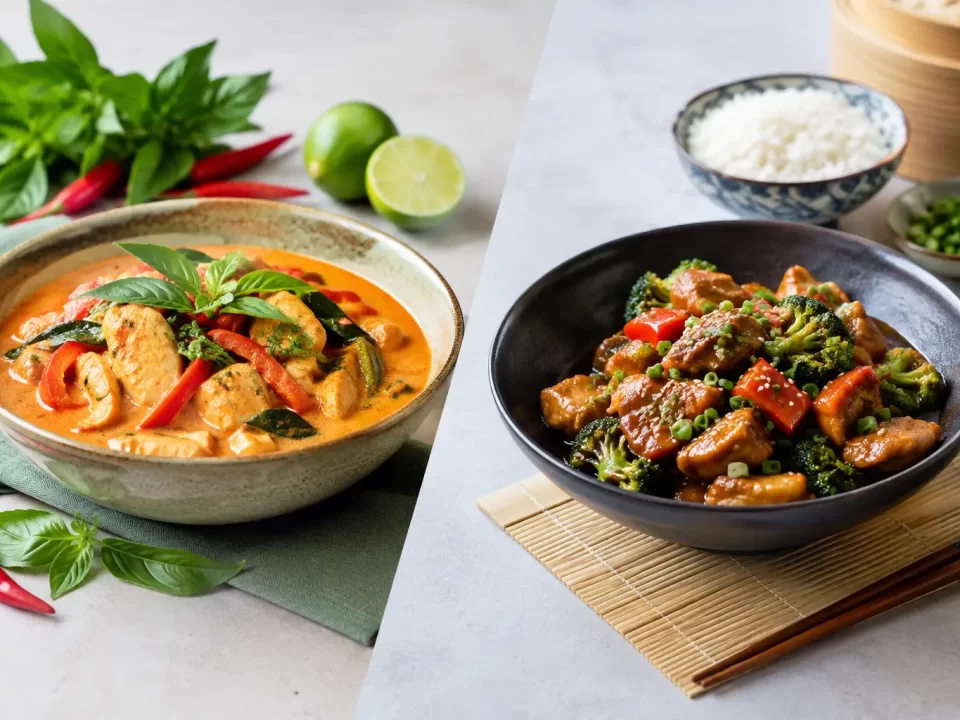
There is also a practical reason Pad Thai remains a favorite for groups. It offers something familiar without being bland, making it an easy choice when one person wants a mild, comforting meal while another prefers the full heat and punch of Thai flavors elsewhere on the table. It works especially well alongside a bright, spicy soup or a fragrant basil-forward stir-fry, because its tangy noodle profile gives the meal a different rhythm.
The Protein Should Feel Part of the Dish
Whether Pad Thai is served with chicken, seafood, tofu, or another protein choice, the protein should not feel like an afterthought placed on top at the end. It needs to be properly cooked, well-seasoned, and distributed through the noodles so that each serving feels complete.
Tofu should offer a gentle contrast to the sauce rather than disappear into it. Chicken should remain tender. Seafood should be fresh and cooked with care, since its natural sweetness can pair beautifully with tamarind and lime. The best choice depends on appetite and preference, but the standard stays the same: every ingredient should contribute to the overall balance.
How to Tell if the Flavor Is Truly Balanced
The first forkful often tells the story. If the immediate flavor is only sugar, the dish may be pleasant for a few bites but tiring by the end. If it is only salty, the freshness of the sprouts and lime will not be enough to rescue it. If it is overly oily, the noodles can feel weighed down rather than wok-fired.
A well-made Pad Thai changes gently as you eat it. One bite may highlight tamarind, the next may bring more peanut and chive, and another may carry the brightness of lime. That movement is what makes the dish feel generous instead of repetitive.
Spice is also a personal decision. Traditional Thai dining welcomes adjustment, and diners should feel comfortable tailoring their plate. If you enjoy heat, a little chili can add a sharper edge to the sweetness and tang. If you prefer a milder meal, Pad Thai is still satisfying without extra spice because its flavor is built on balance, not heat alone.
Why Pad Thai Is a Reliable Thai Restaurant Test
Ordering Pad Thai is not about choosing the safest item on the menu. It is a useful test of a kitchen’s attention to detail. The dish requires timing, heat control, ingredient quality, and restraint. A kitchen that can keep the noodles springy, the sauce balanced, and the toppings fresh is showing real respect for a classic.
It also reveals whether a restaurant understands the pleasure of sharing Thai food. Pad Thai is satisfying on its own, but it becomes even more enjoyable as part of a table spread. Pair it with a spicy and aromatic Tom Yum Seafood, a punchy Pad Kra Pao, and a cool Thai Milk Tea, and every dish brings a different sensation: heat, herbs, tang, sweetness, and comfort.
At Soi 55, that is the spirit behind modern Thai dining: recognizable favorites prepared with bold, delicious taste and served in a setting made for everyday lunches, family dinners, and lively catch-ups with friends. A classic should still feel exciting when it reaches the table.
Dine-In Versus Takeout: A Fair Trade-Off
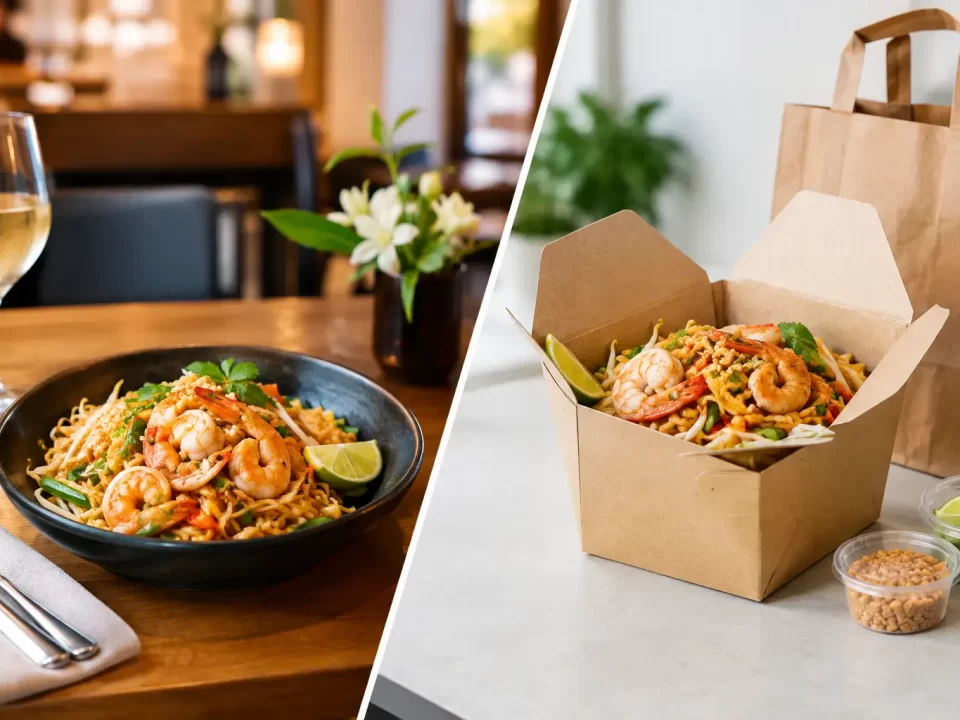
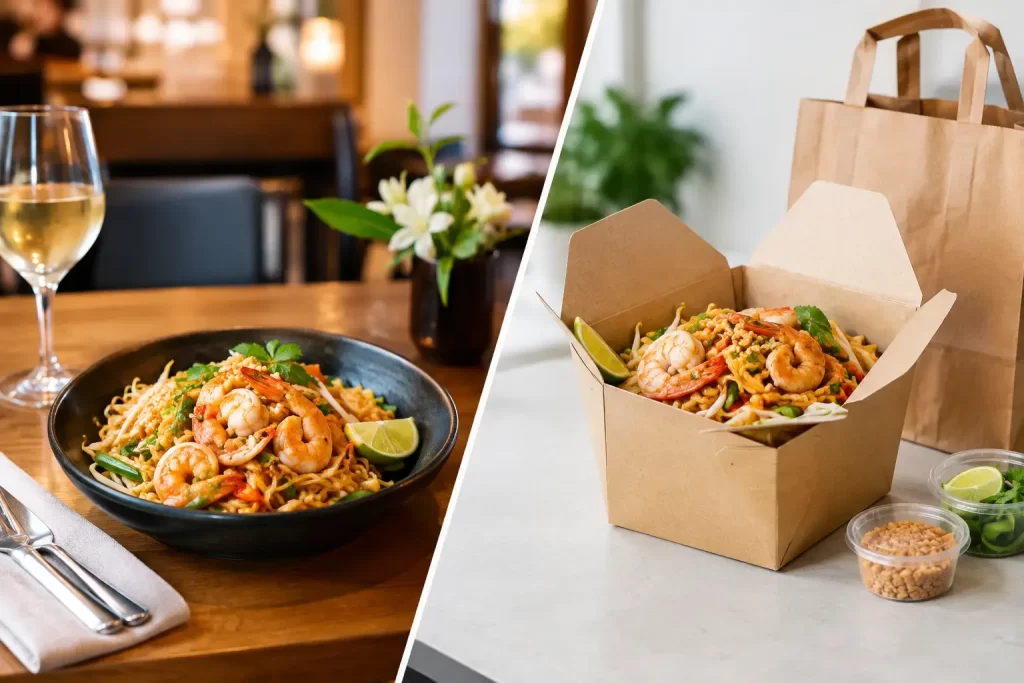
Pad Thai is at its peak when served fresh from the wok. The noodles are warm, the sprouts retain their crunch, and the fragrance is strongest. For that reason, dining in is the ideal experience when possible.
Takeout can still be a good option, especially for busy office days or relaxed meals at home, but timing matters. Eat it soon after it arrives, and add the lime just before eating. If the noodles have settled during the journey, a quick toss can help redistribute the sauce and toppings.
This is not a weakness unique to Pad Thai. It is simply the nature of a dish built around contrast. Freshness is part of the recipe, and the closer it is enjoyed to the wok, the more clearly those details come through.
The Verdict on a Great Plate of Pad Thai
The best Pad Thai does not need to be overly complicated to make an impression. It needs well-cooked noodles, a sauce with real sweet-tangy depth, fresh crunch, a touch of nuttiness, and enough confidence to let every flavor be noticed. It should leave you satisfied, not overwhelmed.
Next time a plate arrives at your table, pause before reaching for extra sauce or chili. Taste the noodles as they are, squeeze in a little lime if needed, and notice how the crunch, fragrance, and tang come together. That small moment is where a familiar Thai favorite turns into a meal worth remembering.