How to Pick Thai Dishes for Every Appetite
August 7, 2026
Thai Catering Versus Buffet Catering for Events
August 11, 2026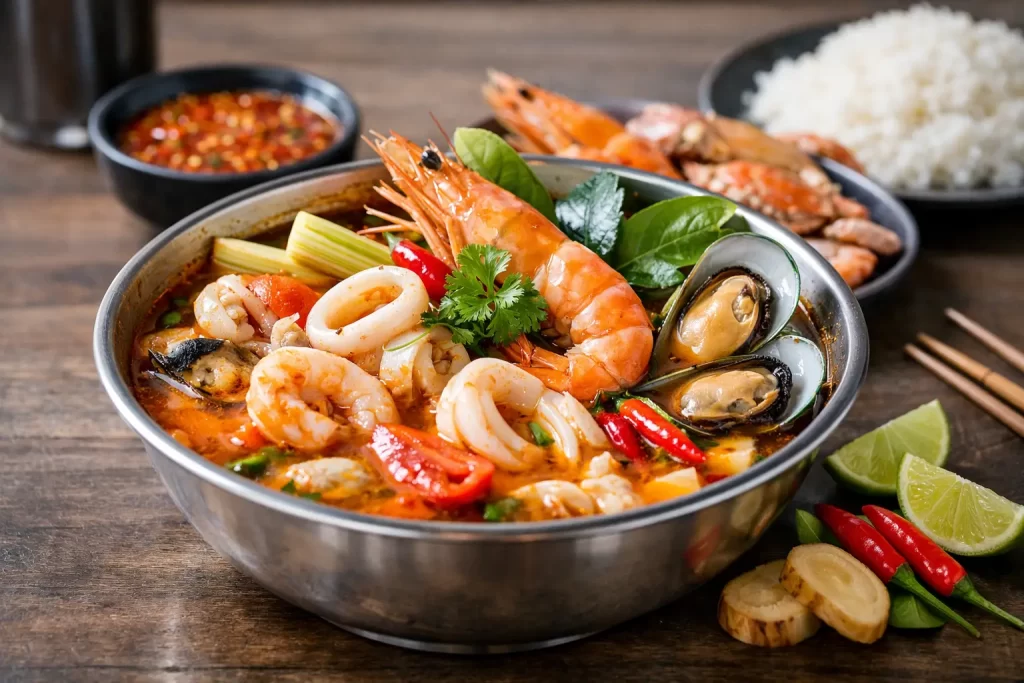
A useful tom yum seafood review Malaysia diners can trust starts before the first spoonful. The aroma should arrive first – bright lemongrass, citrusy kaffir lime leaf, fresh herbs, and a savory warmth that promises more than plain spicy soup. Then comes the real test: does the broth have enough depth to make you reach for another spoon, even after the seafood is gone?
Tom yum is one of Thai cuisine’s most recognizable dishes, but it is also one of the easiest to get almost right. A bowl may be fiery but flat, sour but harsh, or packed with seafood that has lost its sweetness in an overcooked broth. A memorable version brings all those elements together with confidence. It should feel lively, comforting, and bold from the first sip to the last.
What Makes Tom Yum Seafood Worth Ordering
At its heart, tom yum is about balance. The broth carries heat from chilies, tartness from lime, fragrance from Thai herbs, and an unmistakable savory character. None of these flavors should take over completely. When the chili dominates, the soup becomes a challenge rather than a pleasure. When the sourness is too sharp, the seafood disappears behind it. When the broth is overly sweet, it loses the exciting, clean edge that makes tom yum so craveable.
Seafood gives the dish an extra layer of natural sweetness and texture. Prawns, squid, fish, mussels, or other fresh catches can each bring something different to the bowl. The key is timing. Prawns should stay tender and juicy, squid should have a gentle bite rather than a rubbery chew, and fish should be delicate enough to flake without falling apart in the broth.
For diners who love big flavors, tom yum seafood is rarely a side dish. It can easily become the center of the table, especially when shared with steamed rice, a stir-fried vegetable dish, and something crisp or grilled. It is the kind of soup that makes a group meal feel more generous because every person can take a spoonful and find a slightly different combination of herbs, broth, and seafood.
Tom Yum Seafood Review Malaysia: The Broth Test
The broth is where every tom yum seafood review in Malaysia should begin. Fresh ingredients matter, but technique matters just as much. A good broth has a clear progression: herbal fragrance first, then savory richness, then a tangy lift and measured heat. It should taste layered, not confused.
Look for the signature Thai aromatics. Lemongrass provides a clean, citrus-like perfume. Galangal contributes a peppery, earthy note that is different from ordinary ginger. Kaffir lime leaves offer a fragrant finish, while chilies bring warmth that builds gradually. Lime juice should brighten the broth rather than make it taste aggressively acidic.
There are also different styles to consider. A clear tom yum feels lighter, sharper, and especially refreshing on a warm afternoon. A creamy version, often enriched with chili paste and evaporated milk, has a fuller body and a gentler, rounder spice profile. Neither is automatically better. It depends on the mood and what else is on the table.
If you are sharing grilled dishes or crisp appetizers, a clear tom yum can cut through richer flavors beautifully. If you are settling in for a satisfying lunch or dinner with rice, a creamy bowl may feel more comforting. The best choice is not about following a rule. It is about choosing the experience you want from the meal.
Heat Should Be Bold, Not Blunt
Malaysian diners are no strangers to spice, so a mild tom yum can feel disappointing. Still, real heat is not the same as simply adding more chilies. Good spice should open up the other flavors in the broth. You may feel the warmth on your tongue, but you should still notice the citrus, herbs, and seafood.
This is also why spice preference matters. If you enjoy a serious kick, ask for the heat that suits you. If you are dining with children, colleagues, or friends with different tolerance levels, choose a more moderate broth and add extra chilies at the table if available. Tom yum is meant to be enjoyed together, not endured alone.
Seafood Quality Shows in Every Bite
A fragrant broth cannot fully rescue seafood that is not handled well. Freshness is immediately noticeable in the sweetness of a prawn, the clean taste of fish, and the tender spring of squid. The pieces should be generous enough to make the dish feel complete, rather than scattered through the soup as an afterthought.
Variety can make the bowl more exciting, but it should not become a pile of ingredients with no focus. A well-composed tom yum lets each type of seafood contribute while the broth remains the star. The seafood brings richness and texture; the soup provides the energy.
The Difference Between Authentic and Overcomplicated
Authentic Thai flavor does not mean every bowl must taste identical. Recipes can vary by region, chef, and house style. What matters is whether the dish respects the character of tom yum: aromatic herbs, bright acidity, savory depth, and a lively chili presence.
Sometimes restaurants mistake complexity for authenticity. Too many additions can make the broth muddy. Heavy creaminess can cover the herbs. Excess sugar can make a traditionally bright soup feel like a generic sweet-and-spicy sauce. The strongest bowls are often the ones that let a few essential flavors speak clearly.
That is the appeal of a modern Thai restaurant done well. The setting may be polished and convenient for everyday diners, families, or office groups, but the food should still carry the direct, energetic taste people associate with Thailand’s street-food culture. At Soi 55, that spirit is reflected in dishes designed for sharing, with familiar Thai favorites that bring bold and delicious tastes to the table.
How to Order Tom Yum for a Better Meal
Tom yum seafood becomes even more enjoyable when you order around it thoughtfully. Steamed rice is the obvious partner, and for good reason. It softens the intensity of the broth while giving you a way to enjoy every last spoonful. A fresh vegetable dish can add crunch and balance, while a noodle or stir-fried rice dish turns the table into a full Thai feast.
For drinks, a cold Thai milk tea can be a satisfying contrast to spice, especially for diners who enjoy a creamy, sweet finish between bites. If you prefer something lighter, iced tea or water with a squeeze of lime keeps the palate clear and lets the herbs in the soup shine.
Group dining changes the experience, too. When several people share tom yum alongside other dishes, the soup becomes a bright anchor among richer flavors. It brings energy to grilled items, rounds out a plate of noodles, and gives everyone at the table a reason to pause, scoop, and smile.
What a Great Bowl Leaves You With
The most convincing tom yum seafood does not rely on shock value. It does not need to be painfully spicy, overly creamy, or loaded with ingredients to make an impression. It needs a broth with character, seafood cooked with care, and a balance that makes each spoonful taste vivid and complete.
When those details come together, tom yum is more than a popular menu choice. It is the dish that turns an ordinary meal into a shared moment – one fragrant bowl in the middle of the table, plenty of rice nearby, and just enough heat to keep the conversation going.