How to Pick Thai Lunch Sets That Hit the Spot
August 5, 2026
Tom Yum Seafood Review Malaysia for Real Flavor
August 9, 2026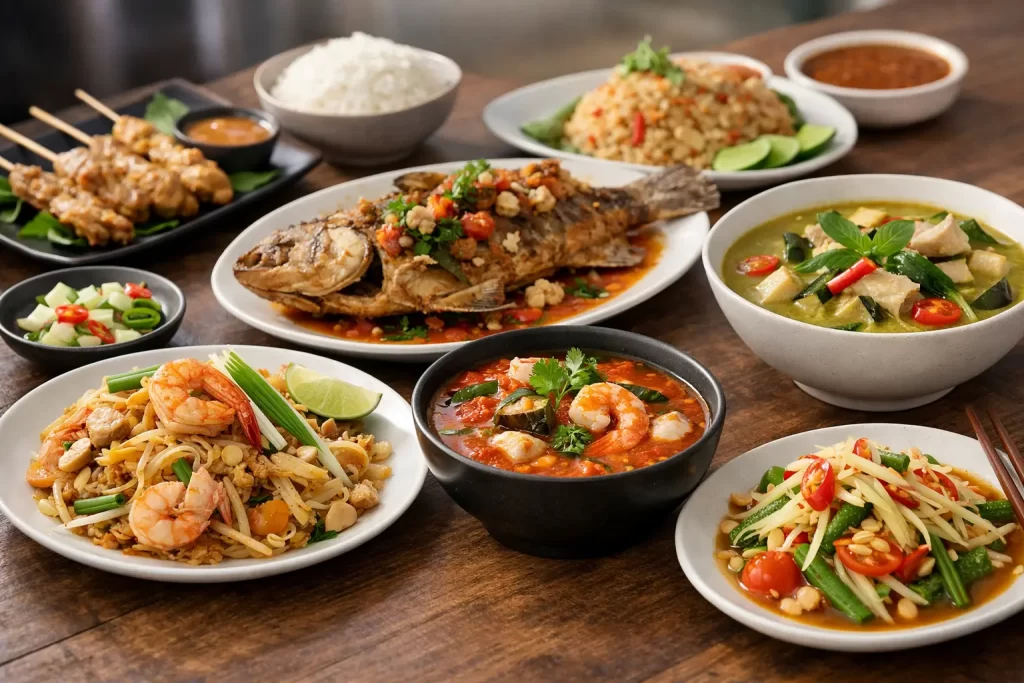
A great Thai meal should not feel like everyone ordered the same thing in different forms. It should move between hot and cool, rich and sharp, crunchy and tender. That is the real secret of how to pick Thai dishes: build contrast around the table, then leave room for the flavors each person genuinely enjoys.
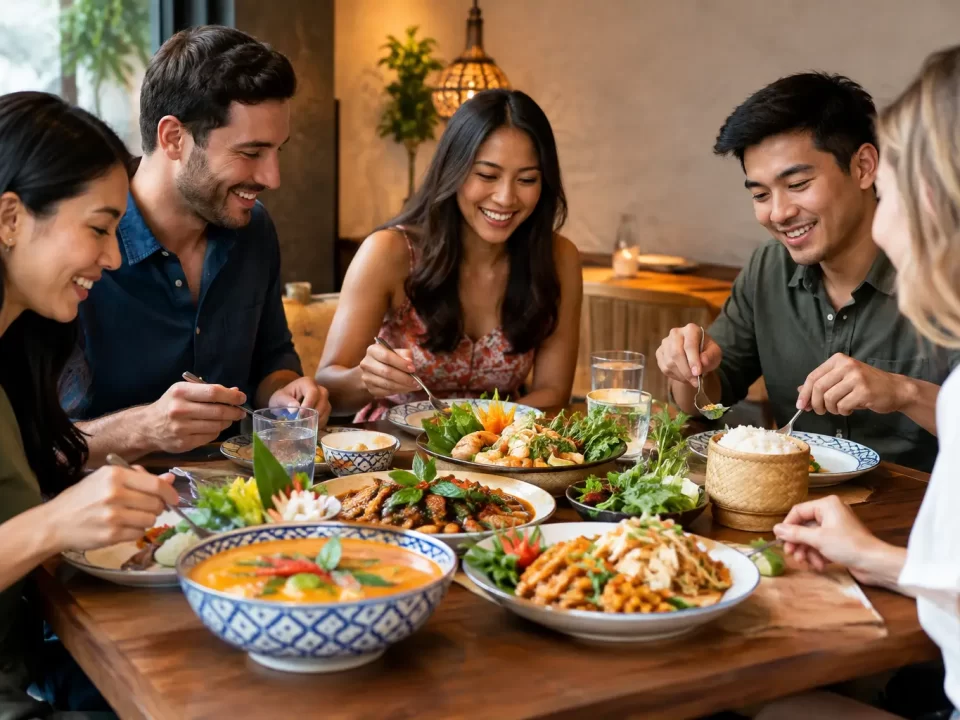
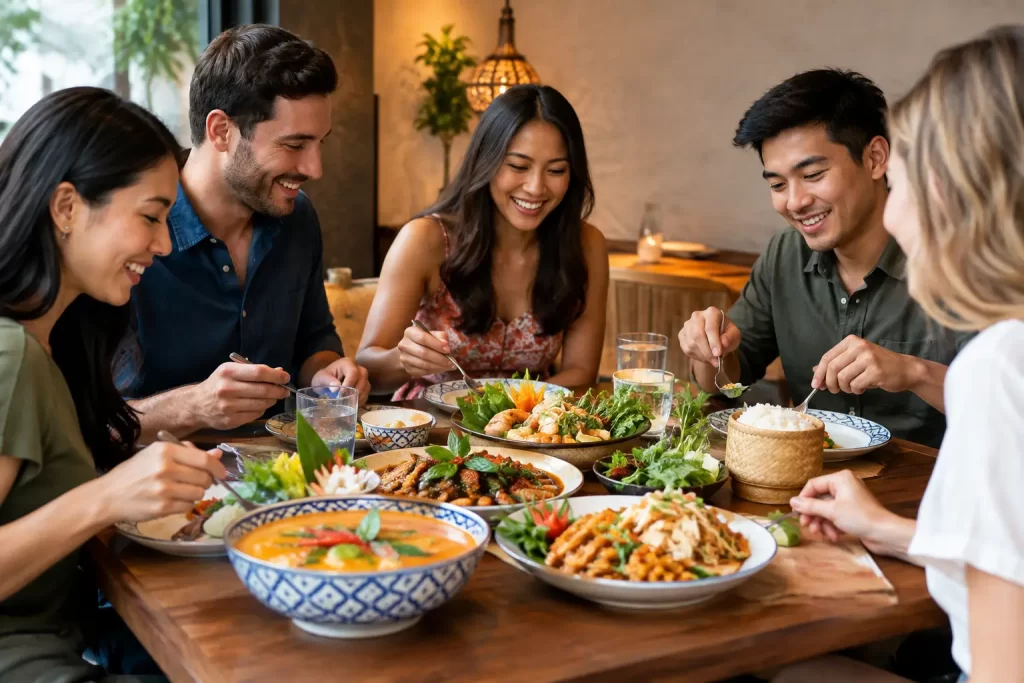
Thai food is generous by nature. A fragrant soup can wake up the palate, a savory stir-fry can anchor the meal, a bright salad can cut through richness, and a cold Thai milk tea can bring everything back into balance. Whether you are ordering for a quick lunch, a family dinner, or a lively group gathering, a few smart choices turn a good meal into one people keep talking about.
Start With the Flavor You Want Most
Before choosing individual dishes, decide what kind of meal you are craving. Thai cuisine brings together spicy, sour, sweet, salty, herbal, and creamy notes, often in the same dish. The best order does not need every flavor at maximum volume. It needs a satisfying rhythm.
If you want something warming and lively, begin with a soup such as Tom Yum Seafood. Its aromatic broth, citrusy tang, herbs, and gentle heat make it an exciting first dish, especially when shared. For a meal that feels more comforting and familiar, noodle dishes and rice-based favorites offer fuller, savory flavors without making the table feel too intense from the first bite.
Think about the occasion, too. A weekday lunch may call for one complete plate and a refreshing drink. A dinner with friends is better suited to several shareable dishes, so everyone can enjoy different flavors together. When ordering for a mixed group, choose a few crowd-pleasers first, then add one dish with more heat or a bolder profile for the adventurous diners.
How to Pick Thai Dishes by Spice Level
Spice is part of the fun, but it should never become a test of courage. Thai heat can build quickly, particularly in dishes featuring fresh chilies, chili pastes, or spicy herbs. The right level depends on your personal comfort, what else is on the table, and how many people are sharing.
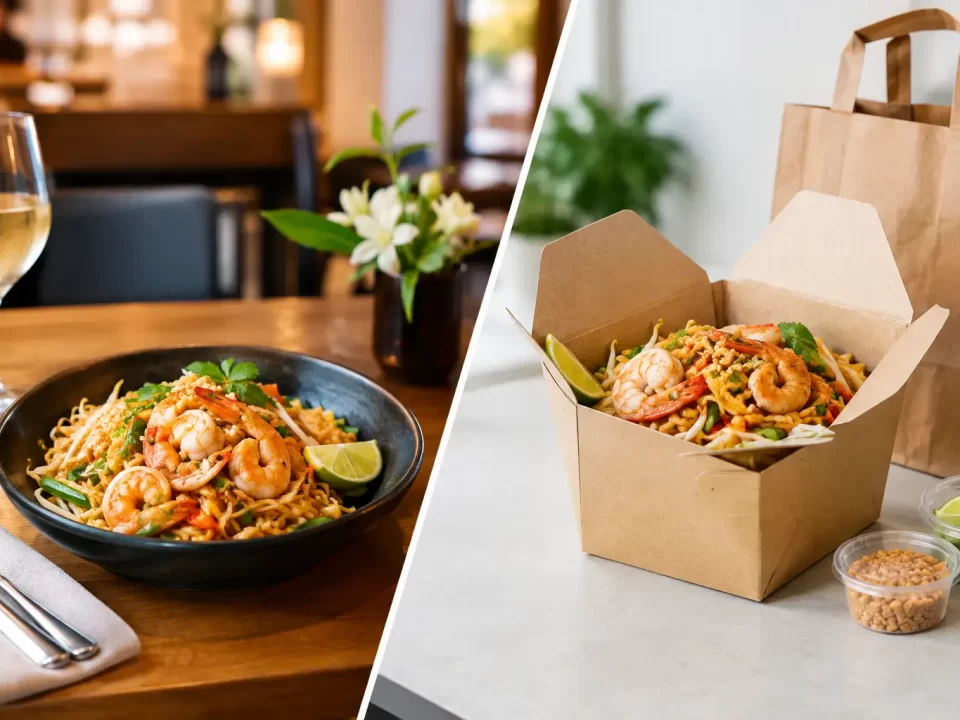
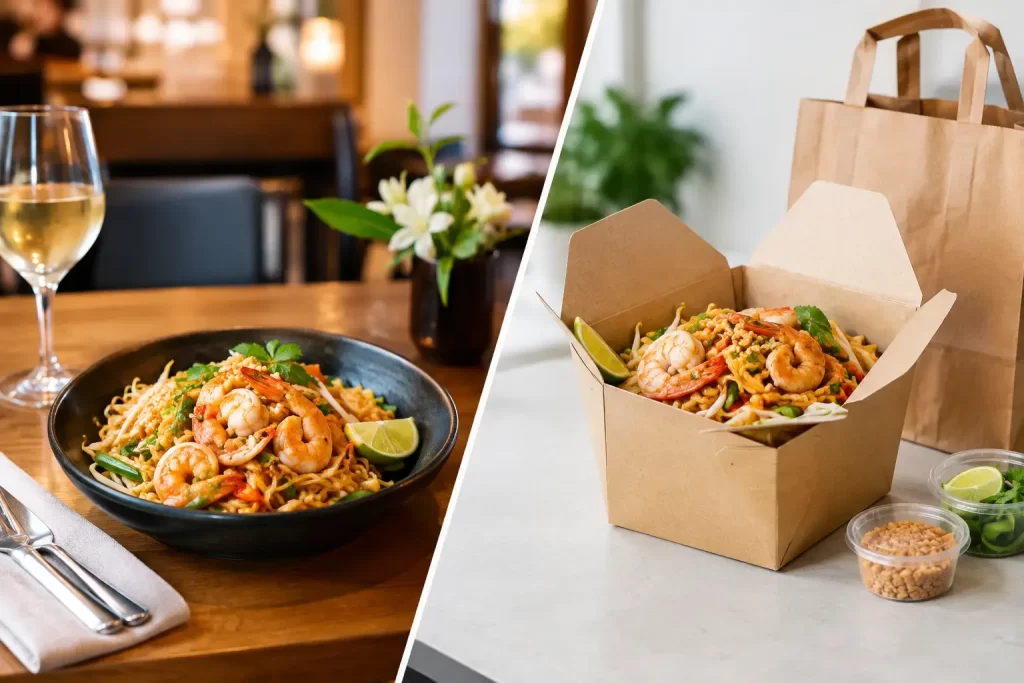
For diners who prefer milder flavors, start with Pad Thai or a gentle fried rice dish. These options still offer the sweet-savory depth and wok-fired character people love, but they are usually easier to enjoy alongside other dishes. A creamy curry may also feel milder than a chili-forward stir-fry, though its heat can vary depending on the recipe.
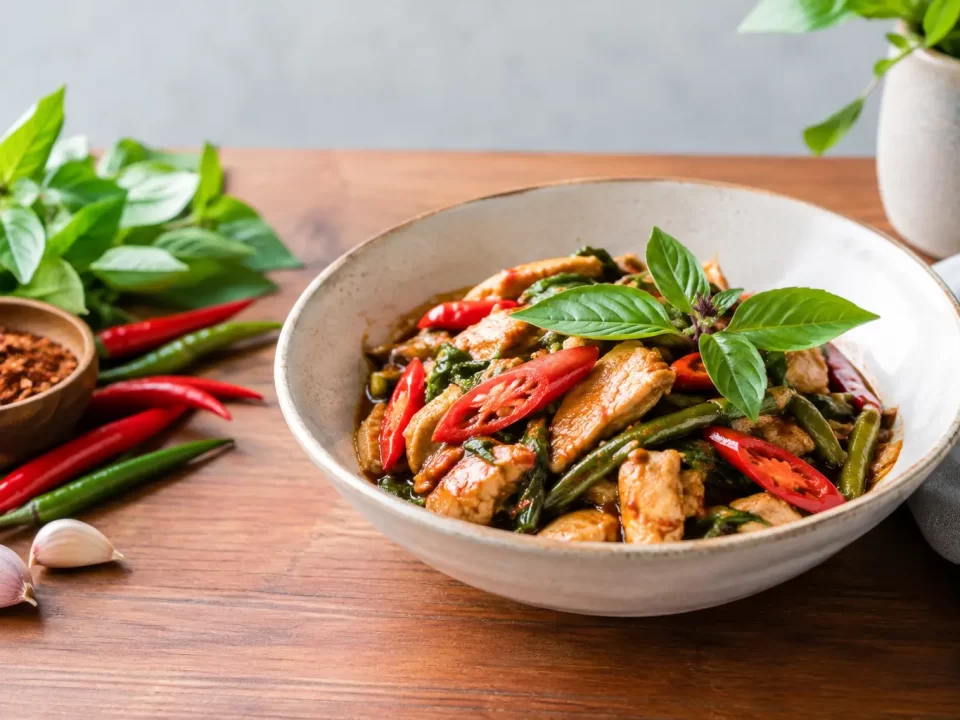
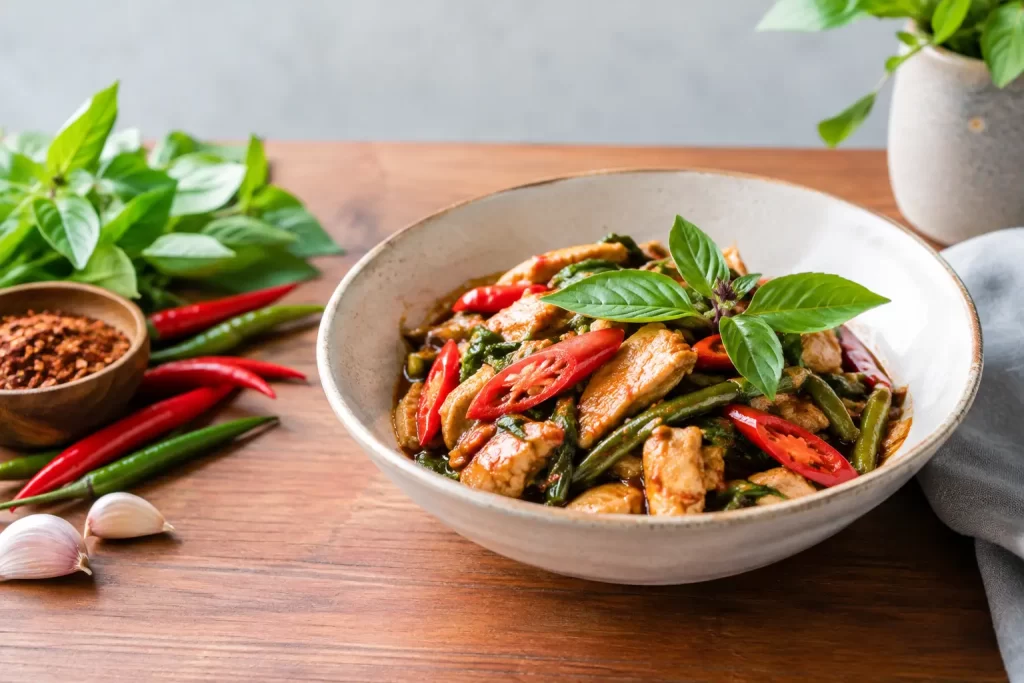
If you enjoy a stronger kick, Pad Kra Pao is a natural choice. The fragrance of holy basil and the savory heat of the stir-fry make it especially satisfying with steamed rice. Pair it with a milder dish rather than ordering a table full of heat. That contrast helps everyone keep eating comfortably instead of reaching for drinks after every bite.
When in doubt, ask for the restaurant’s recommendation on spice. “Medium” can mean different things at different kitchens, and an experienced team can guide you toward a dish that matches your preference without losing its intended character.
Build a Table With Different Textures
The most memorable Thai meals are not only about flavor. Texture matters just as much. Soft noodles, crisp vegetables, tender seafood, fluffy rice, and crunchy garnishes make each bite more interesting.
Pad Thai is a reliable choice when you want chewiness, roasted notes, and a touch of sweetness in one plate. It is also easy to share, especially when the table has soup or a salad alongside it. A crisp, herb-forward salad adds freshness and gives diners a break from richer sauces and noodles.
For groups, avoid choosing only saucy dishes or only fried dishes. A better approach is to order one broth-based item, one noodle or rice dish, one stir-fry, and one fresh or crunchy option. The meal will feel more complete without becoming overly heavy.
Rice deserves a place in the plan, too. Steamed rice is more than a side dish when you are sharing Thai food. It softens spicy flavors, carries bold sauces, and makes a dish like Pad Kra Pao feel like a satisfying main meal. If the group is large, ordering enough rice early prevents the best sauces from being left behind.
Choose Dishes That Work Together
Individual favorites matter, but pairing is where a Thai order becomes memorable. A sour, aromatic soup works beautifully beside savory rice dishes. Rich noodles benefit from something bright and herbaceous. Spicy stir-fries feel more balanced with a cooling drink or a mild dish on the side.
Here is an easy way to think about it: if your main dish is rich, add something fresh. If your main dish is spicy, add something mild. If your main dish is noodle-based, include rice or a shared soup so the table has variety.
For example, Tom Yum Seafood, Pad Thai, Pad Kra Pao, steamed rice, and Thai milk tea create a satisfying spread for a small group. You get tangy broth, savory noodles, basil-forward heat, a neutral base for sharing, and a sweet, creamy finish. Not every meal needs all of these dishes, but the combination shows how contrast makes Thai dining feel generous rather than repetitive.
A family group may want to prioritize familiar favorites, then add one new dish to share. Friends who like trying different flavors can go broader, choosing a soup, a salad, noodles, a curry, and a stir-fry. For office gatherings or celebrations, dishes that can be served in the center of the table are often the easiest choice because they invite conversation as much as they feed the group.
Know What to Order for Your Dining Style
There is no single correct Thai order because the best choice depends on how you are eating. Dining alone, sharing with two people, feeding children, and planning a group meal all call for slightly different decisions.
For a solo lunch
Choose one filling main and a drink. Pad Thai is a comforting all-in-one option, while Pad Kra Pao with rice is ideal when you want something savory and more energetic. If you enjoy soup, Tom Yum can be satisfying on its own or paired with rice for a fuller meal.
For two people
Order two contrasting mains and share a soup or starter. A noodle dish plus a rice dish gives you variety without overwhelming the table. One person can choose milder flavors while the other goes for spice, and both can taste a little of everything.
For families and mixed groups
Start with familiar dishes, then add balance. One noodle dish, one rice-based dish, one soup, and one vegetable or fresh dish is a practical foundation. If children or spice-sensitive diners are joining, make sure at least one main stays comfortably mild.
For a celebration or work gathering
Choose dishes that hold up well for sharing and order a range of heat levels. A menu with only fiery dishes can leave part of the group behind, while a menu that is too mild may feel flat to Thai food fans. The sweet spot is a mix of approachable favorites and a few bold signature choices. For group dining and catered occasions, Soi 55 brings that modern Thai, street-inspired energy to a spread designed for sharing.
Do Not Skip the Drinks and Final Bite
A drink is not an afterthought when the table includes chilies, herbs, and fragrant sauces. Thai milk tea is a classic choice because its creamy sweetness cools the palate and pairs especially well with spicy stir-fries. It is also a welcome contrast to sour soups and savory noodle dishes.
If you are ordering a full meal, think about how you want to finish. After a bold, spicy spread, a sweet drink or dessert-like final bite can make the experience feel complete. After a lighter lunch, you may prefer to keep the ending simple and let the flavors of the meal linger.
The best Thai order is not the longest one or the spiciest one. Pick dishes that give your table a little heat, a little freshness, something comforting, and one flavor that surprises you. That is how a casual meal becomes the kind of shared Thai feast people want to plan again.