How to Order Spicy Thai Food Without Regret
July 14, 2026
Top Thai Food for Office Lunch That Teams Love
July 18, 2026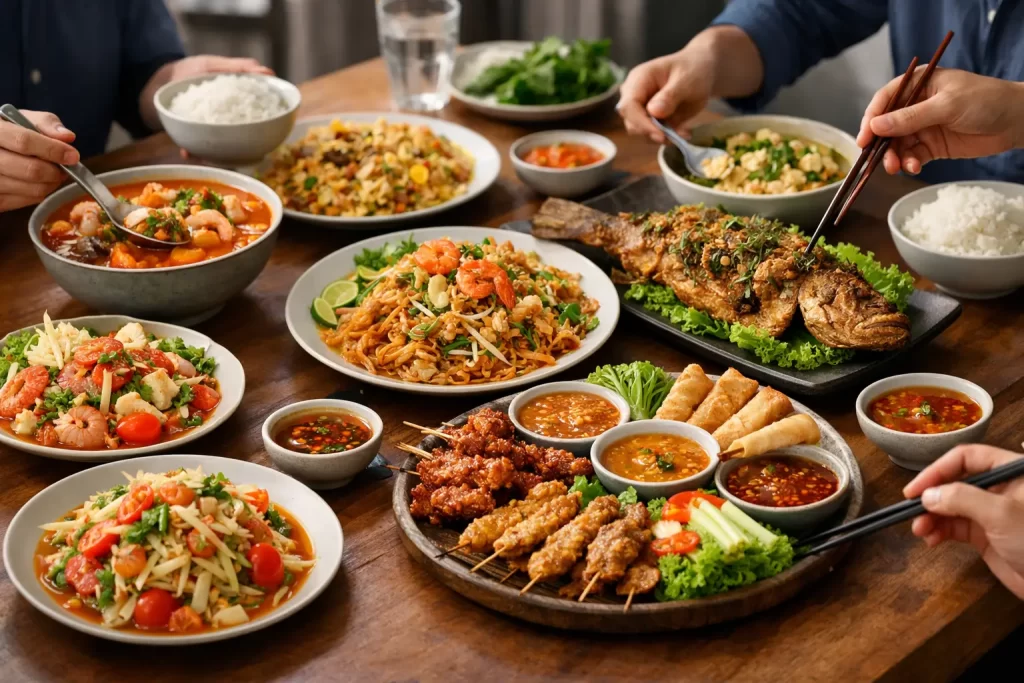
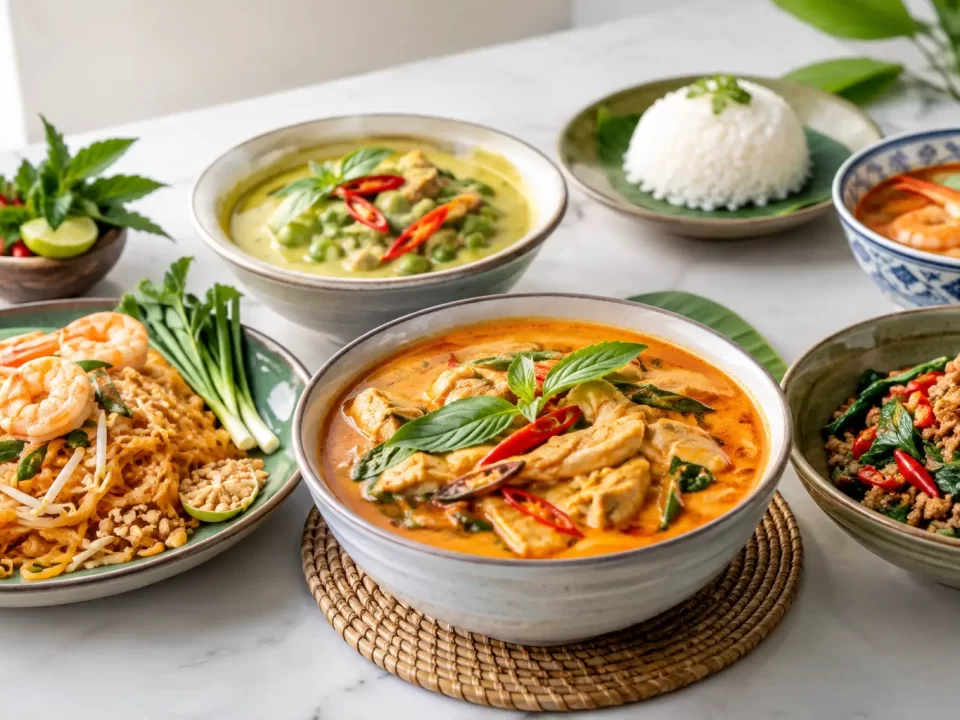
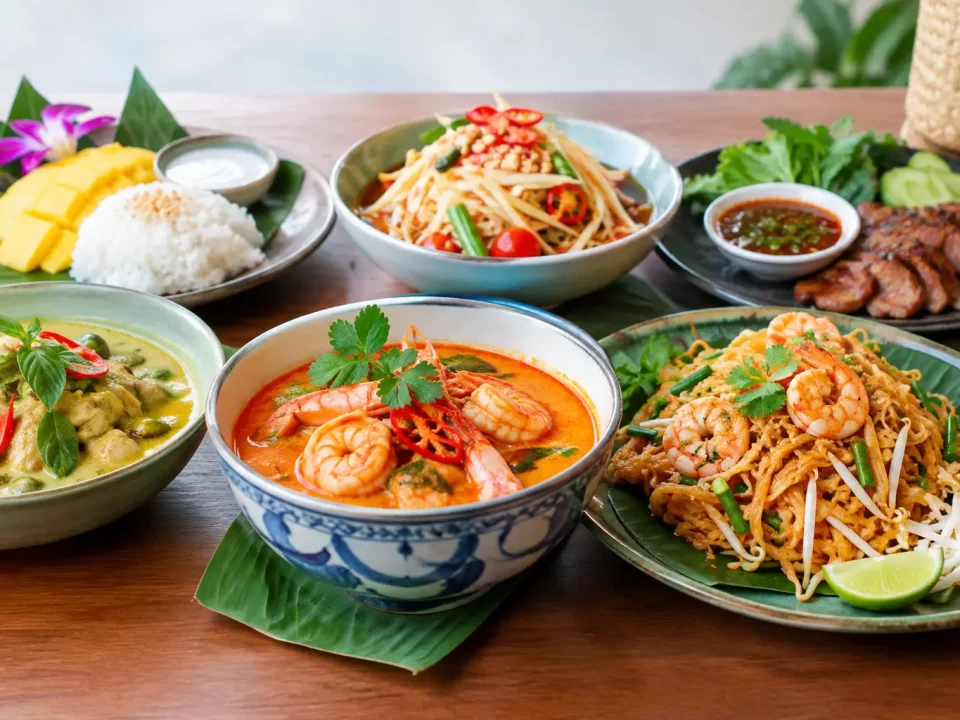
A Thai meal gets better when the table is full. The best thai meals for large groups are not just big portions of one dish. They balance heat, richness, freshness, crunch, and comforting carbs so every guest can reach for something they enjoy. A bubbling pot of Tom Yum, a plate of noodles passed around, crisp fried bites, fragrant rice, and cold Thai Milk Tea turn an ordinary catch-up into a proper feast.
For family celebrations, office lunches, birthday dinners, or a long-overdue gathering with friends, the smartest order is built for sharing. Here is how to create a Thai spread that feels generous, exciting, and easy for everyone at the table.
What Makes Thai Food Great for Group Dining?
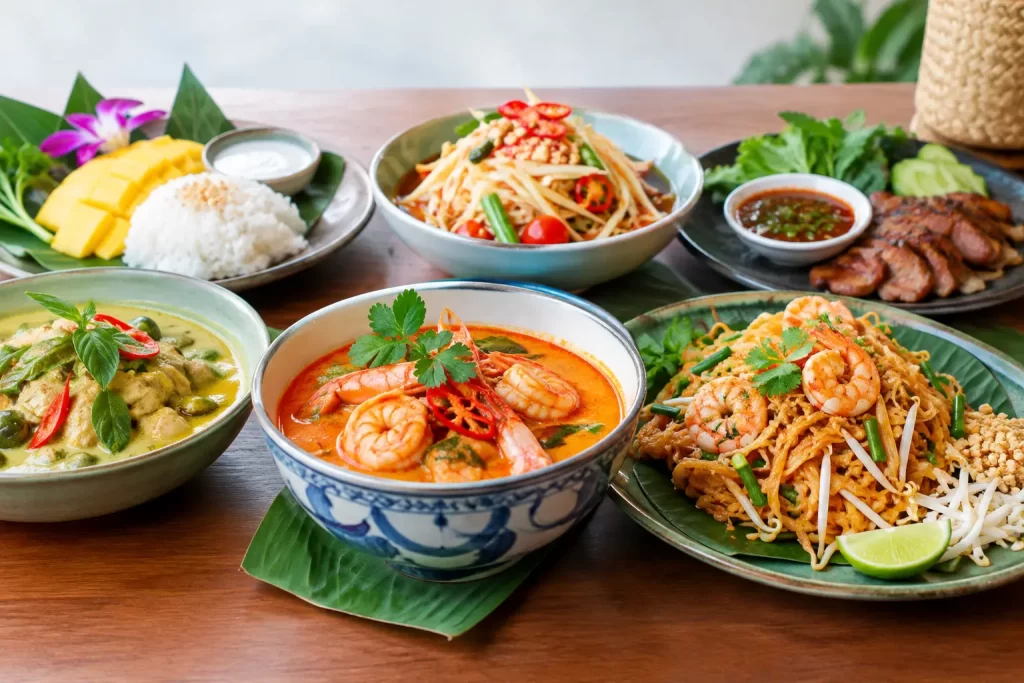
Thai cuisine naturally suits communal dining. Instead of everyone ordering one individual entrée and staying in their own lane, several dishes arrive in the center of the table. Guests can try a little of everything, pair a spicy bite with rice, cool down with a fresh salad, and go back for the dish they did not expect to love most.
That variety matters when your group includes different appetites and spice preferences. One person may want a fiery, aromatic soup while another is happiest with stir-fried noodles or a savory chicken dish over rice. Ordering across several styles means nobody has to compromise on flavor.
The key is contrast. A table filled only with rich fried dishes can feel heavy. A table built entirely around chili-forward dishes may leave some guests reaching for water. The best group order combines a few familiar crowd-pleasers with dishes that bring bright herbs, tangy lime, creamy coconut, and satisfying crunch.
Best Thai Meals for Large Groups: Start With Shareable Favorites
Tom Yum Seafood for a bold centerpiece
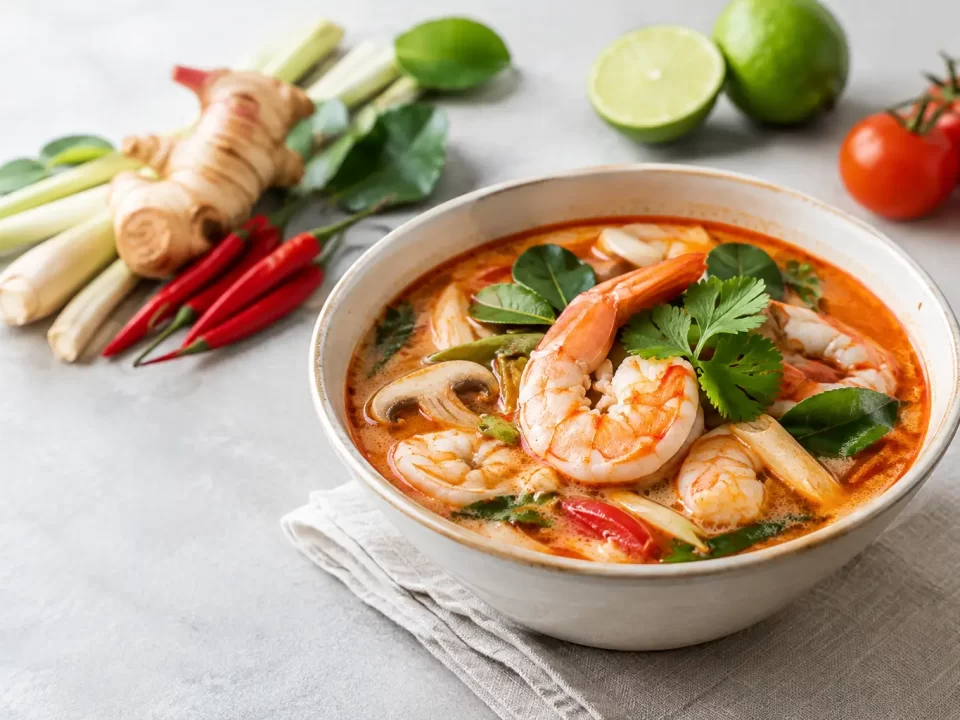
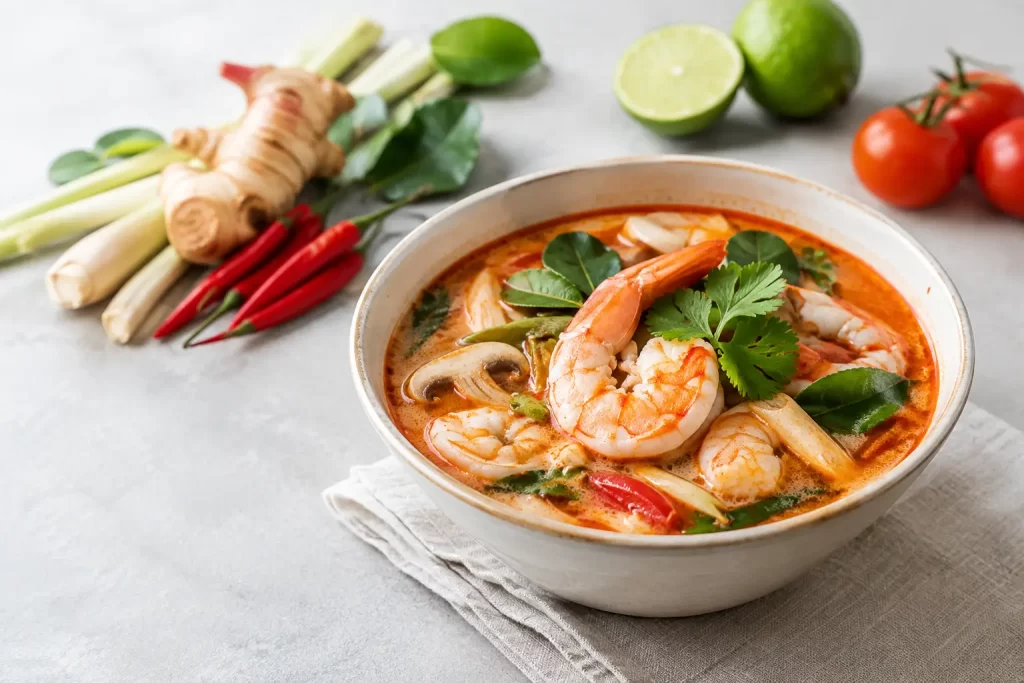
If there is one dish that announces a Thai feast, it is Tom Yum Seafood. Its hot-and-sour broth is packed with fragrant herbs and a lively chili kick, creating the kind of aroma that gets everyone leaning in as soon as it reaches the table.
For a larger party, one pot is usually not enough. Consider ordering based on how adventurous your guests are: a group of six may happily share one large serving alongside several other dishes, while a group of eight to ten will appreciate a second soup or another saucy main. Tom Yum is especially useful when the rest of the order includes fried items or noodles because its tangy broth refreshes the palate.
Ask for the spice level that fits the group rather than ordering at maximum heat by default. A medium level often gives the dish its full character while still allowing more people to enjoy it.
Pad Thai that everyone recognizes
Pad Thai earns its place at nearly every group table because it is comforting, familiar, and full of satisfying textures. Rice noodles, savory sauce, crunchy toppings, and a touch of sweetness make it approachable for guests who are less used to spicy dishes.
For sharing, Pad Thai works best as part of the spread rather than the only main course. It gives the table a dependable noodle option, especially for children, colleagues, or guests who prefer mild flavors. Add a fresh squeeze of lime before serving to brighten each portion and keep the flavors lively.
Pad Kra Pao for savory, aromatic heat
Pad Kra Pao brings a different kind of energy to the table. Its fragrant basil notes and savory, chili-led flavor make it a natural favorite for diners who want something bolder than noodles. Served with rice, it is filling without feeling overly complicated.
This is a strong choice when your group enjoys Thai food with a little more punch. Pair it with a milder noodle dish and a cooling drink so guests can control the heat from bite to bite. If several people at the table are serious spice fans, Pad Kra Pao can become the dish they keep coming back to.
Crispy starters that keep conversation moving
A large-group meal benefits from food that arrives early and is easy to share while everyone settles in. Crispy appetizers do exactly that. They give guests something to nibble between stories, drinks, and menu decisions, and they bring welcome texture to a table of soups and saucy mains.
Choose one or two starter plates for a smaller gathering, then add more for bigger parties. The goal is not to fill everyone up before the main dishes arrive. It is to give the table a fun opening course that feels social and satisfying.
Build the Table Around Rice, Noodles, and Balance
The most common group-ordering mistake is underestimating the role of rice. Fragrant steamed rice is not an afterthought when you are serving spicy soups, basil stir-fries, and saucy dishes. It gives everyone a neutral base, helps stretch the meal, and makes each shared dish easier to enjoy.
A practical approach is to order rice for most of the group, then add one or two noodle dishes as part of the variety. Rice satisfies the diners who want a full meal, while noodles create an additional centerpiece that guests can sample. For a group of eight, for example, several shared mains, a pair of noodle dishes, plenty of rice, and a starter or two usually creates a fuller experience than ordering eight separate plates.
Do not overlook fresh, lighter flavors either. A bright salad or vegetable dish can reset the palate between richer bites. This is particularly helpful for a lunchtime group that still has a full afternoon ahead, or for a dinner party where guests want to try more dishes without feeling too full too quickly.
How Much Should You Order for a Group?
There is no one perfect formula because appetites vary. A group of hungry friends after work will order differently from a family lunch with children, and an office team may prefer a wider mix of mild dishes. Still, planning by the number of shared dishes helps prevent both an empty table and a mountain of leftovers.
For four to six people, aim for one soup, two to three mains, one noodle dish, one starter, and enough rice for the table. For seven to ten people, increase that to two soups or a soup plus a lighter dish, four to five mains, two noodle dishes, two starters, and generous rice portions. Larger groups should add variety rather than simply doubling every spicy dish.
It also helps to think about dietary needs before ordering. Ask your guests whether they avoid seafood, prefer less heat, or need more vegetable-forward options. A quick check before the reservation makes the meal more relaxed once everyone is seated.
Choose Spice Levels With the Whole Table in Mind
Thai food should taste vibrant, not become a competition. When ordering for a crowd, choose a range: one bold spicy dish, several medium or mild crowd-pleasers, and cooling drinks for the table. This lets heat lovers enjoy the flavors they came for without leaving everyone else behind.
Thai Milk Tea is an easy addition to a shared meal. Its creamy sweetness gives guests a refreshing break after a spicy spoonful of soup or basil stir-fry. Ordering a few drinks beyond plain water also makes the occasion feel more festive, whether it is a casual weekend meal or a team celebration.
Make Group Dining Feel Effortless
A great group meal needs a little planning, especially on busy evenings or when your party is larger than usual. Reserve ahead when possible, share your estimated headcount, and mention if you are celebrating something special. That gives the restaurant a better chance to prepare a comfortable seating arrangement and help guide the order.
At Soi 55, a shared Thai feast is made for the kind of gatherings where plates keep circulating and nobody leaves without finding a new favorite. The menu works best when you mix recognizable signatures with a few dishes chosen for contrast, then let the center of the table do the rest.
Bring people with different tastes, order with balance, and leave room for one more spoonful of Tom Yum. That is often where the best conversations begin.