Thai Set Lunch Malaysia Diners Keep Reordering
June 26, 2026
10 Best Thai Dishes for First Timers
June 30, 2026
You can usually tell how a group meal will go before the first plate hits the table. If nobody knows the headcount, half the group is “fine with anything,” and the restaurant only gets a vague message like “maybe 15 people,” the night can get messy fast. Knowing how to plan group dining means getting a few key decisions right early, so the meal feels easy, lively, and genuinely enjoyable for everyone.
Group dining sounds simple until real life shows up. Someone is running late from work, one guest wants something mild, another wants bold spicy food, and the organizer is stuck answering ten separate messages about parking, budget, and what to order. The good news is that most of the stress does not come from the meal itself. It comes from unclear planning.
How to plan group dining starts with the real headcount
The first number people share is often optimistic. “Around 12” can quietly become 18, or drop to 9 by the morning of the meal. For a casual hangout, that might be manageable. For a birthday dinner, office gathering, or family celebration, it changes table setup, kitchen timing, and how food should be served.
Try to get two numbers instead of one: the expected total and the confirmed total by a specific deadline. That small distinction helps more than most people realize. A restaurant can prepare much better when there is a clear range, especially if the group wants to sit together and eat without long gaps between dishes.
It also helps to know who is actually part of the decision-making. In many groups, one person is the organizer, but two or three others still influence timing, menu choices, and budget. Getting alignment early prevents that last-minute switch from “just dinner” to “actually, should we make it a full celebration?”
Pick a restaurant that suits shared eating, not just individual tastes
This is where many plans go off track. People often choose a place based on personal preference, then try to make it work for a large group. Group dining works best when the menu naturally supports sharing, variety, and mixed appetites.
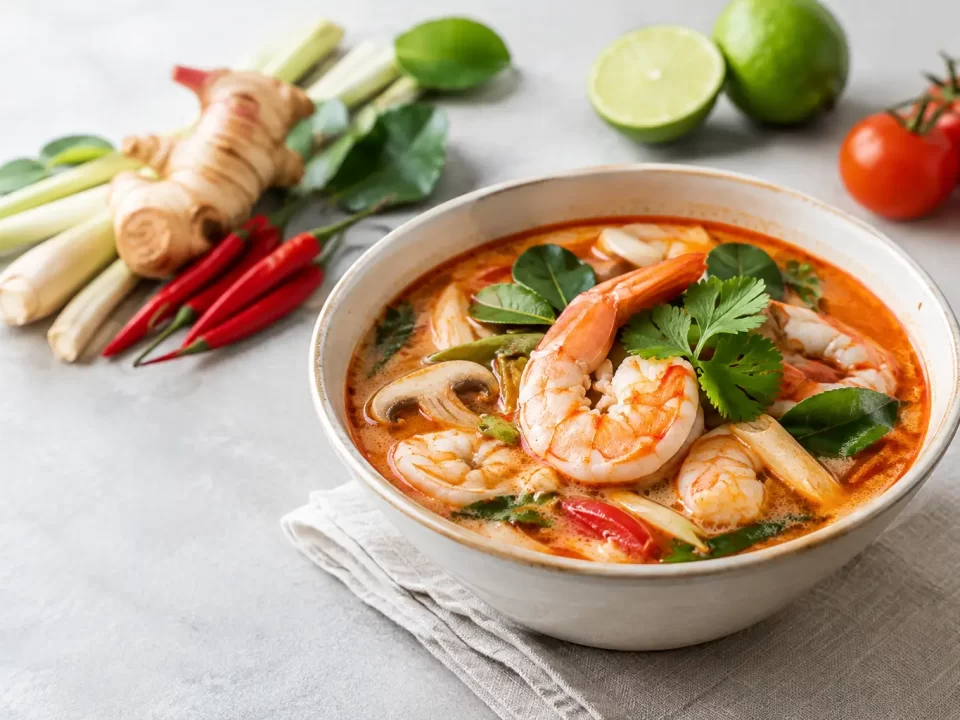
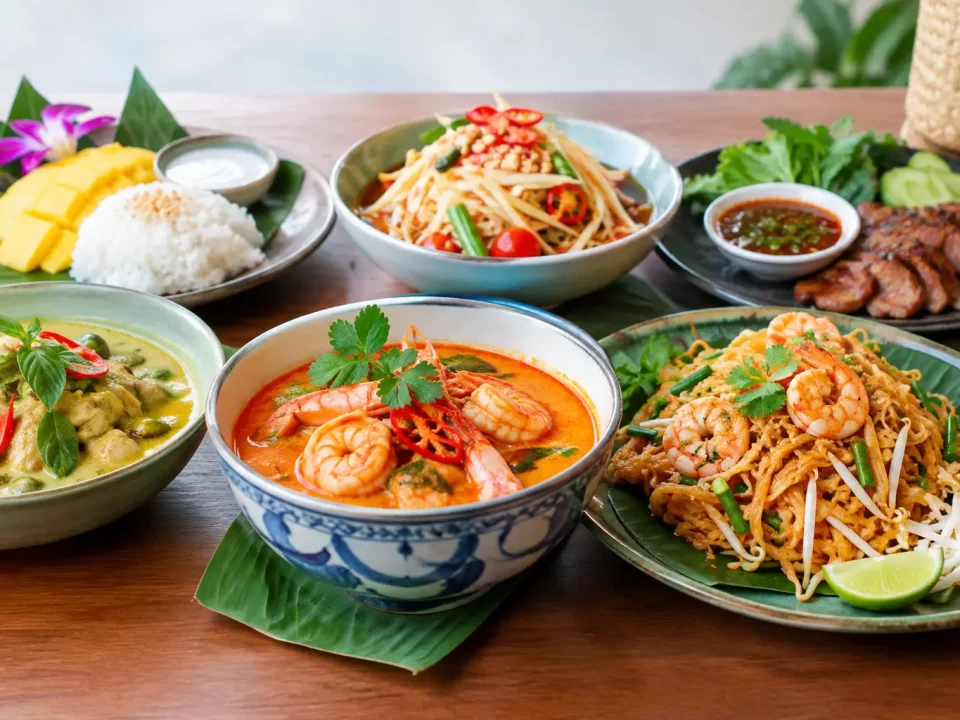
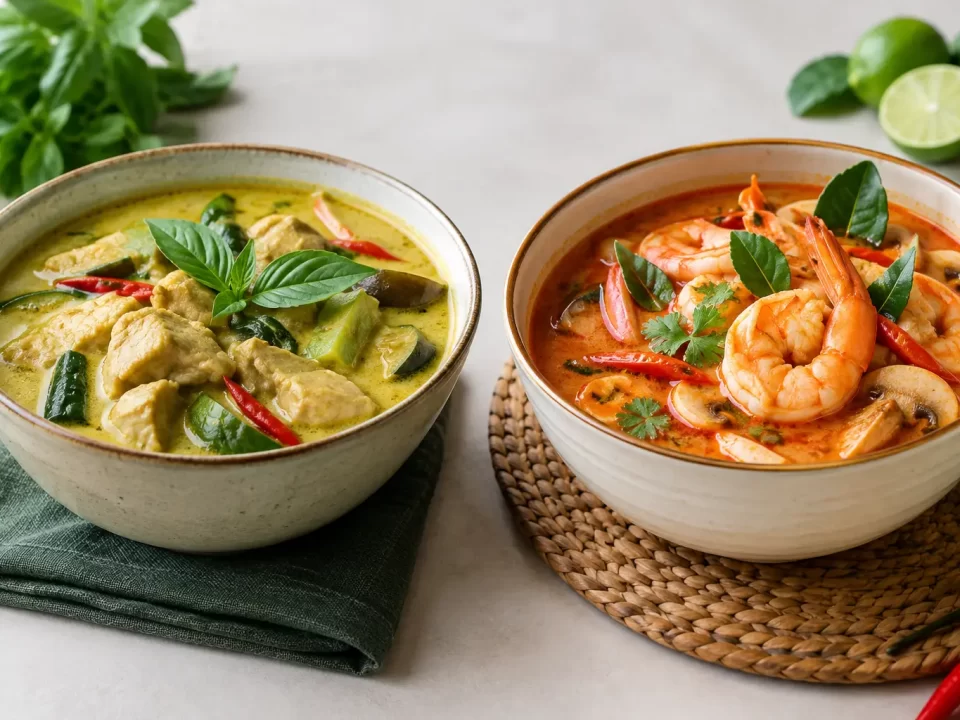
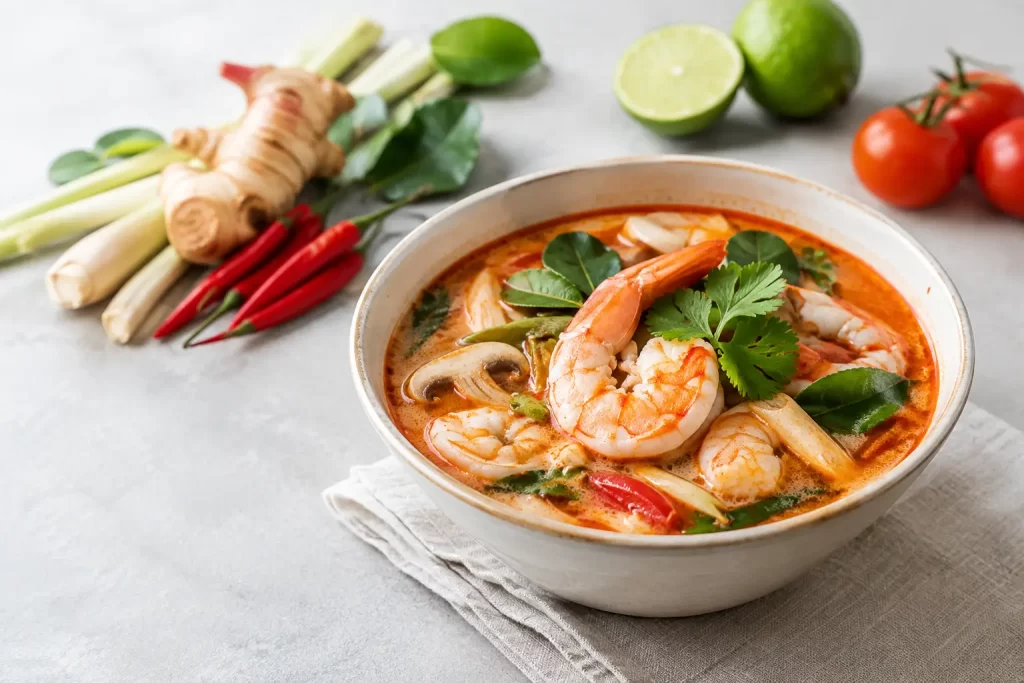
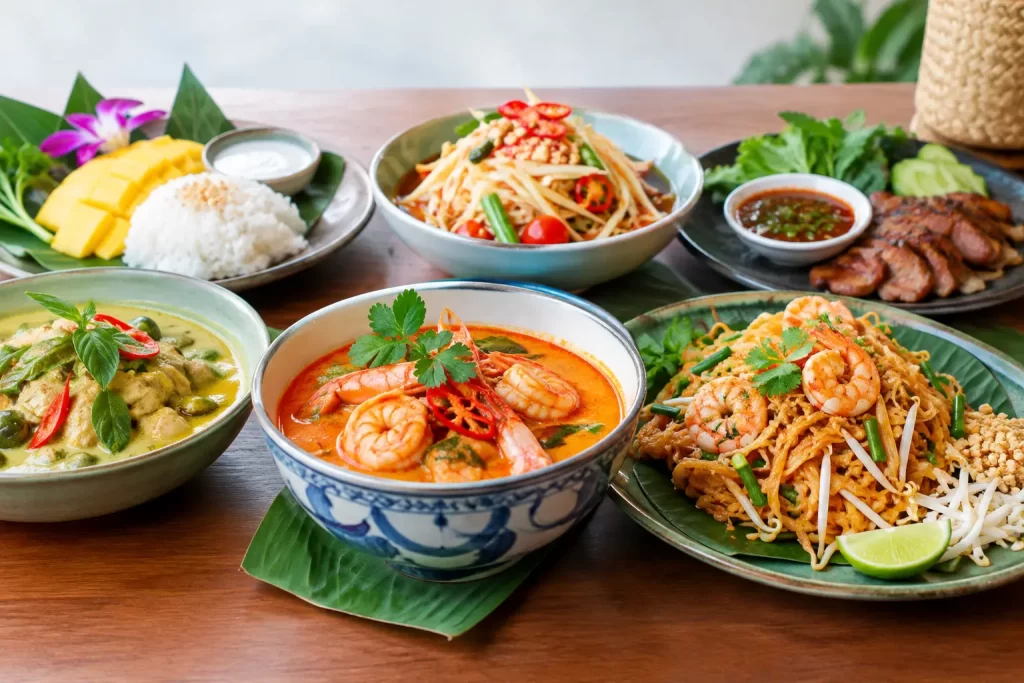
Thai food is a strong example because it gives groups room to balance flavors and preferences in one meal. A table can share a hot and sour Tom Yum Seafood, add familiar favorites like Pad Thai and Pad Kra Pao, order rice for the table, and round things out with drinks like Thai Milk Tea. That gives people options without forcing everyone into the same kind of dish.
The practical point is this: when a menu has broad appeal, planning gets easier. Families can order for older relatives and kids, office teams can satisfy different spice levels, and friend groups can try a bit of everything instead of managing 14 separate expectations. At Soi 55, that kind of shared, bold, and delicious dining is exactly what makes group meals feel more relaxed and more fun.
Ask the restaurant the questions that actually matter
Not every useful question is about price. Before booking, find out whether the restaurant can seat your group comfortably in one area, whether pre-ordering is recommended, and how they usually handle larger parties. If the occasion matters, ask about pacing too. A birthday dinner and a quick team meal need different rhythms.
You should also ask whether the kitchen suggests shared dishes or individual ordering for your group size. There is no universal rule. A smaller group might enjoy ordering from the menu on the spot, while a larger gathering often benefits from agreed dishes sent out in waves.
Set a budget early and keep it easy to understand
Budget gets awkward when it is only discussed after everyone sits down. Some groups want a generous spread. Others want a satisfying meal at a clear price point. Neither is better, but silence around cost creates tension fast.
The easiest approach is to decide what kind of meal this is. Is it a casual catch-up where everyone orders their own food? Is it a hosted celebration with shared dishes for the table? Is it a company meal with a fixed budget per person? Once that is clear, everything else becomes simpler, from dish selection to drinks to dessert.
If the group is price-sensitive, shared dining can help control the total without making the table feel restricted. A few standout mains, a soup or two, vegetables, rice, and drinks often create a fuller experience than everyone ordering separately without a plan. The trade-off is that shared meals need a little more coordination, especially if some guests are lighter eaters and others arrive ready for a feast.
Think about timing the way a restaurant does
A 7:30 booking does not always mean 7:30 dining. In real group settings, arrivals are staggered, greetings take time, and ordering can drag if nobody has discussed it in advance. If you want the meal to feel smooth, build that reality into the plan.
For work groups, earlier reservations often run better because traffic and office delays can affect turnout. For family dinners, a slightly later time may allow everyone to arrive without rushing. Weekend meals tend to need more structure because restaurants are busier and flexibility is lower.
If the group is large, it helps to ask one practical question before the day: do you want people to arrive and order freely, or should the main dishes be decided in advance? Pre-ordering is not always necessary, but it can be a smart move when the priority is less waiting and more time enjoying the table.
How to plan group dining for birthdays, teams, and family gatherings
Different occasions need different kinds of planning. A birthday group usually wants a lively atmosphere, room for photos, and food that feels generous. An office lunch may care more about speed, reliable portions, and easy billing. A family gathering often needs flexibility, with dishes that suit different ages and spice preferences.
That is why copying the same plan every time rarely works. The better approach is to match the meal style to the reason people are gathering. If the dinner is meant to feel celebratory, choose dishes with strong crowd appeal and make sure the pace does not feel rushed. If it is a practical work meal, simplify choices and remove as many decision points as possible.
Make ordering easier by choosing anchor dishes
One of the smartest ways to reduce table confusion is to choose a few anchor dishes first. These are the items that almost always work well for a mixed group and help shape the rest of the order. In Thai dining, that might mean a signature soup, a noodle favorite, a flavorful stir-fry, a vegetable dish, and enough rice to support sharing.
Anchor dishes do two things. First, they give the table confidence, because there is already a solid starting point. Second, they make it easier to add variety around them. Once the basics are covered, you can adjust for heat levels, seafood preferences, or lighter options without overthinking every item.
This matters even more for bigger groups, where too much menu freedom can slow everything down. A little structure still leaves room for fun. In fact, it often creates a better experience because the table spends less time debating and more time eating.
Communicate clearly with the group
Most group dining problems are not restaurant problems. They are communication problems. The organizer assumes people understand the plan, while everyone else assumes details will be sorted later.
A short message is usually enough if it includes the essentials: confirmed time, location, expected budget range, parking note if needed, and whether food will be shared or individually ordered. If guests need to flag dietary needs or arrival changes, ask for that before the day of the meal, not while the table is waiting.
Clear communication also helps with expectations. If the restaurant is popular and the meal is scheduled during a busy period, saying that upfront keeps the mood realistic. People are more patient when they know what to expect.
Leave a little room for flexibility
Good planning is not rigid planning. Someone may cancel, two extra guests may join, or the table may decide it wants dessert after all. The goal is not to script every minute. The goal is to make the important choices early so small changes do not throw off the whole experience.
That is especially true when choosing food for a shared table. It helps to order enough for a generous start, then add more if the group wants it. Ordering too little can leave people waiting and slightly unsatisfied. Ordering too much too early can feel wasteful. The right balance depends on the group, the occasion, and whether the meal is meant to be leisurely or quick.
The best group meals have a certain energy to them. People settle in quickly, the food arrives with good rhythm, and the table feels full without feeling chaotic. That rarely happens by accident. It comes from paying attention to the details that matter – headcount, menu fit, budget, timing, and communication – then letting the meal do what it is supposed to do: bring people together over food that everyone is happy to share.
If you are planning the next family dinner, team outing, or celebration, keep it simple, choose flavor that travels well across different tastes, and give your group a table worth gathering around.