10 Best Thai Dishes for Sharing
June 14, 2026
What Is Tom Yum Seafood? A Flavor Guide
June 18, 2026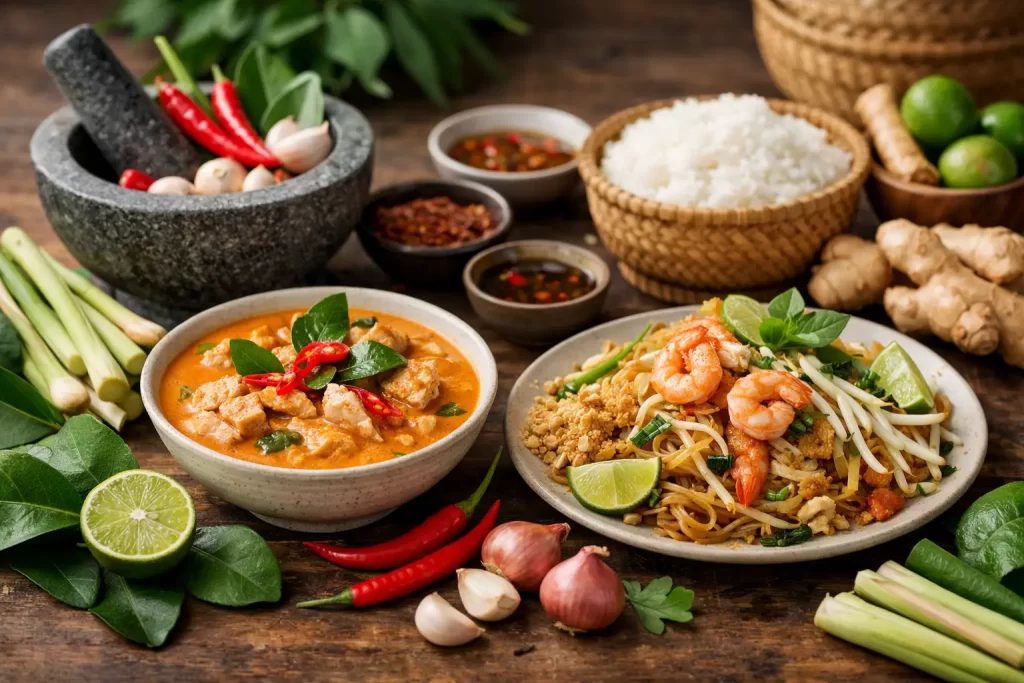
The first thing people notice about truly memorable Thai food is not just the heat. It is the balance. A proper guide to authentic Thai flavors starts there, because the dishes people crave most – from a sharp, aromatic Tom Yum to a wok-fired Pad Thai – are built on contrast, not just intensity. When every element is in place, the result feels lively, layered, and deeply satisfying from the first bite to the last.
That balance is what makes Thai cuisine so loved at everyday lunches, family dinners, and group gatherings. One spoonful can be bright with lime, rich with broth, savory with fish sauce, touched by sweetness, and lifted by fresh herbs all at once. It is bold food, but it is also precise food. That is the difference between something that is simply spicy and something that tastes unmistakably Thai.
What authentic Thai flavors really taste like
People often describe Thai food with one word – spicy – but that is only one part of the picture. Authentic Thai cooking is built around a conversation between sweet, sour, salty, spicy, and sometimes bitter notes. None of them should dominate every dish. Instead, they shift depending on what is being served.
In a bowl of Tom Yum Seafood, for example, the sourness should feel clean and appetizing, not harsh. The heat should wake up the palate without masking the fragrance of lemongrass, galangal, and kaffir lime leaf. The savory base gives the soup body, while seafood adds natural sweetness. If one note pushes too far ahead, the dish loses its rhythm.
That same idea applies across the menu. Pad Kra Pao should carry a punch of chili and holy basil aroma, but it also needs savoriness and depth. Pad Thai should be slightly sweet, lightly tangy, and smoky from the wok, not sticky or flat. Thai milk tea should be creamy and fragrant, with enough tea character to keep it from tasting like sugar alone. Authentic flavor is not about making everything stronger. It is about making every component count.
A guide to authentic Thai flavors begins with the core ingredients
Behind the big flavors are ingredients that do very specific jobs. Fish sauce brings salinity and savory depth. Lime adds freshness and sharp acidity. Palm sugar softens edges and rounds out stronger notes. Chilies create heat, but also fruitiness depending on the type used. Herbs such as Thai basil, cilantro, and lemongrass add lift that heavy sauces cannot replace.
Then there are the ingredients that create the unmistakable aroma of Thai cooking. Galangal gives a peppery, citrus-like warmth that is different from ginger. Kaffir lime leaf adds a bright, perfumed note that lingers in soups and curries. Tamarind brings a deep, rounded sourness that is especially important in dishes like Pad Thai.
This is where authenticity can become more nuanced than people expect. A dish can still be approachable and enjoyable for a broad audience while staying true to Thai flavor logic. Adjusting spice levels for diners is one thing. Replacing the entire flavor structure is another. Good Thai cooking knows how to be accessible without becoming generic.
Why balance matters more than heat
A lot of diners chase spice first, and that makes sense. Thai cuisine is famous for heat that feels exciting and immediate. But the best dishes are never only hot. In fact, when heat is overused, it can flatten everything else.
Think about a well-made green curry. The creamy richness should carry the chili, not fight with it. The herbs should still come through. The sweetness should feel natural rather than dessert-like. If the spice level rises too high, those details disappear. What remains may still be intense, but it no longer feels complete.
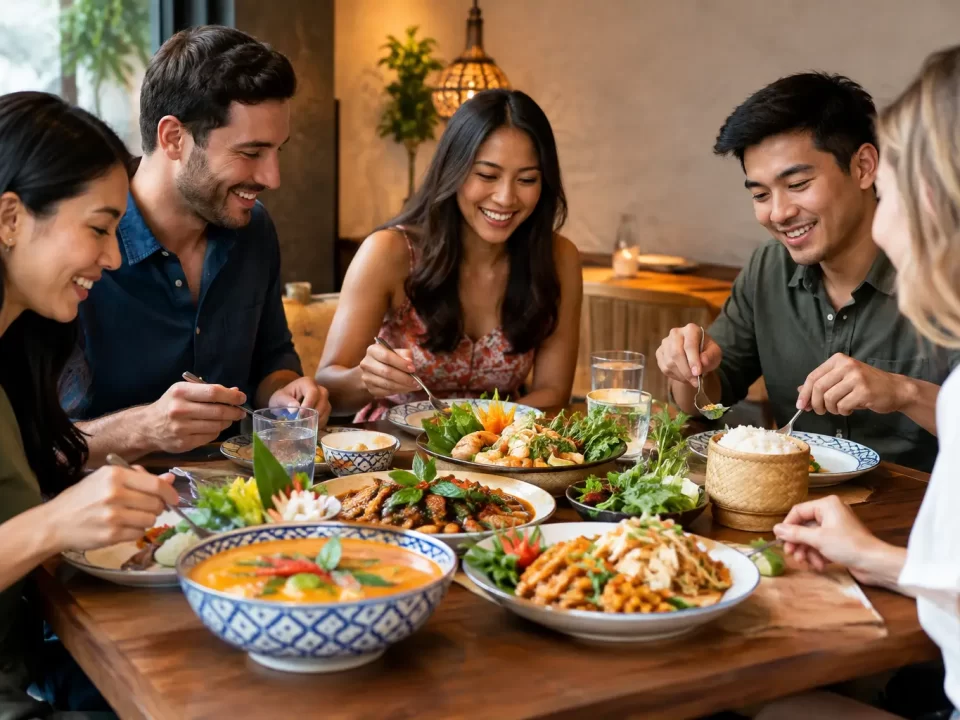
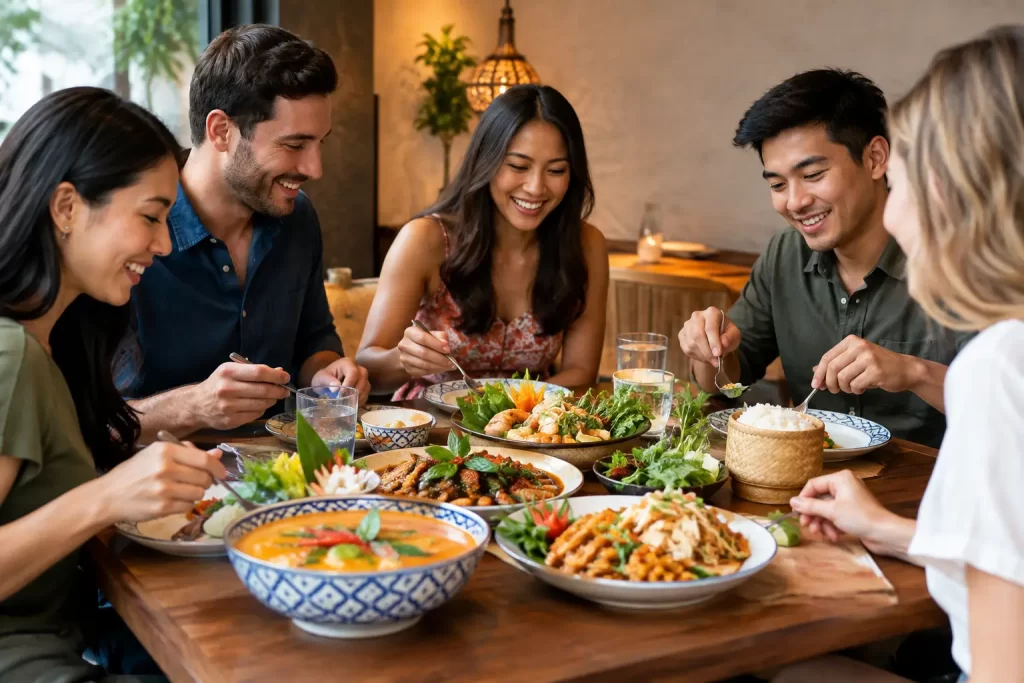
This matters even more in shared meals, where people order a spread of soups, stir-fries, rice dishes, and drinks to enjoy together. Thai food shines in that setting because each dish brings a different balance to the table. One is bright and sour, another savory and aromatic, another mildly sweet with char from the wok. The meal becomes more than the sum of its parts.
The classic dishes that show Thai flavor best
If you want to understand Thai cuisine, start with the dishes that Malaysians already know and love, then pay attention to what makes them work.
Tom Yum is often the clearest example of Thai flavor balance. It should be fragrant before you even take a sip. The broth needs acidity, spice, and savory depth, but also enough clarity to let the herbs speak. Seafood versions are especially appealing because the natural sweetness of prawns or squid plays beautifully against the soup’s sharper notes.
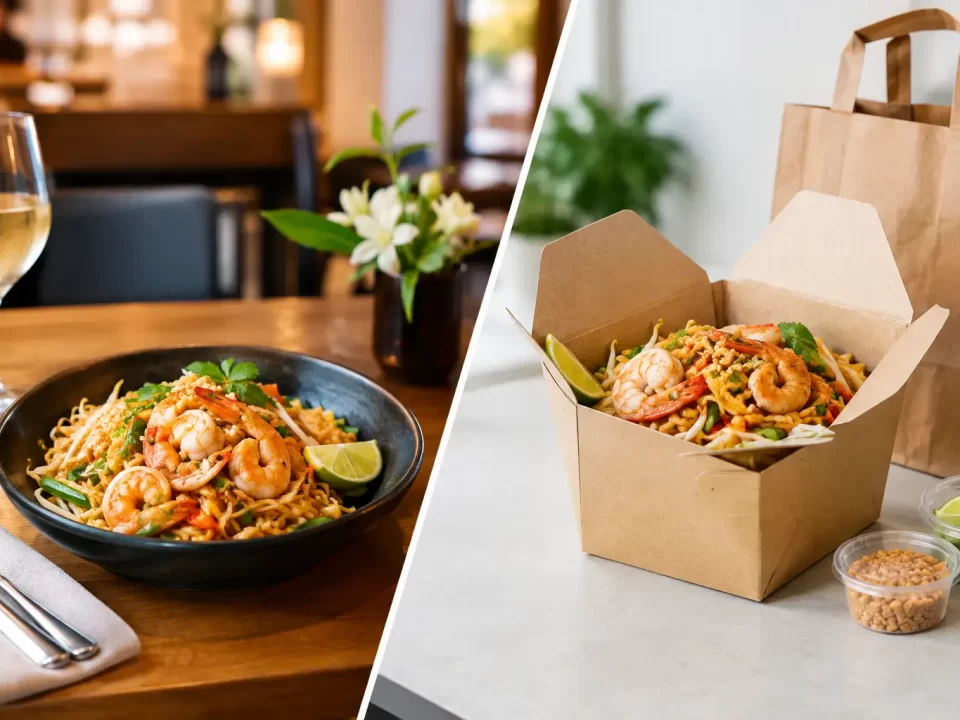
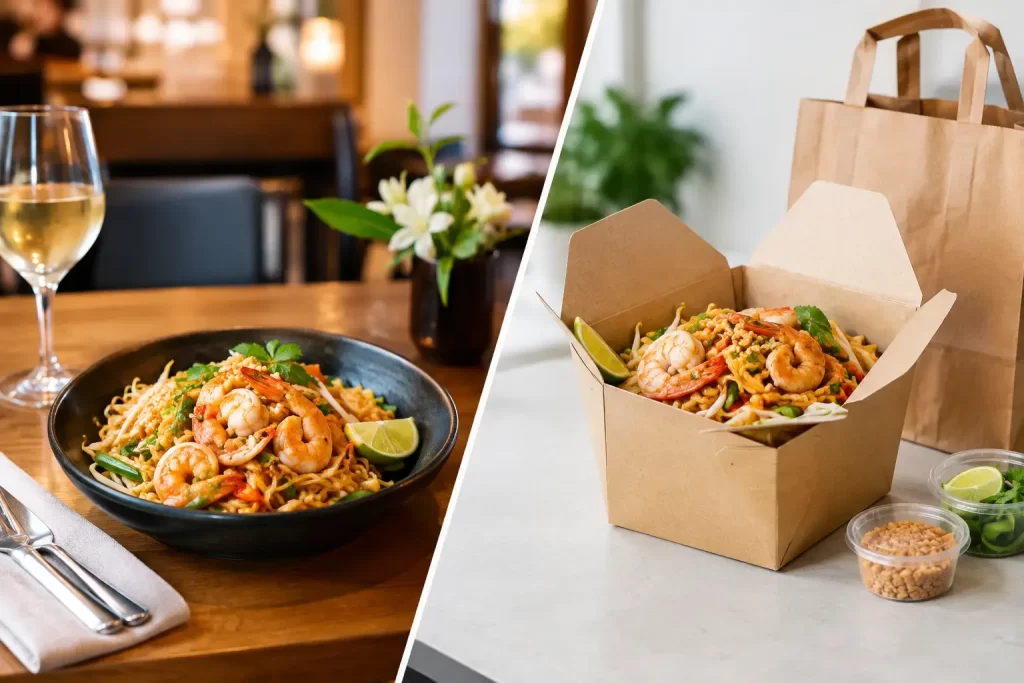
Pad Thai is another dish people think they know, yet it is often misunderstood. Authentic versions are not drenched in sweetness. They should be lightly tangy from tamarind, savory from sauce, and kissed with wok aroma. The noodles should stay springy rather than heavy. Every bite should feel lively, not overloaded.
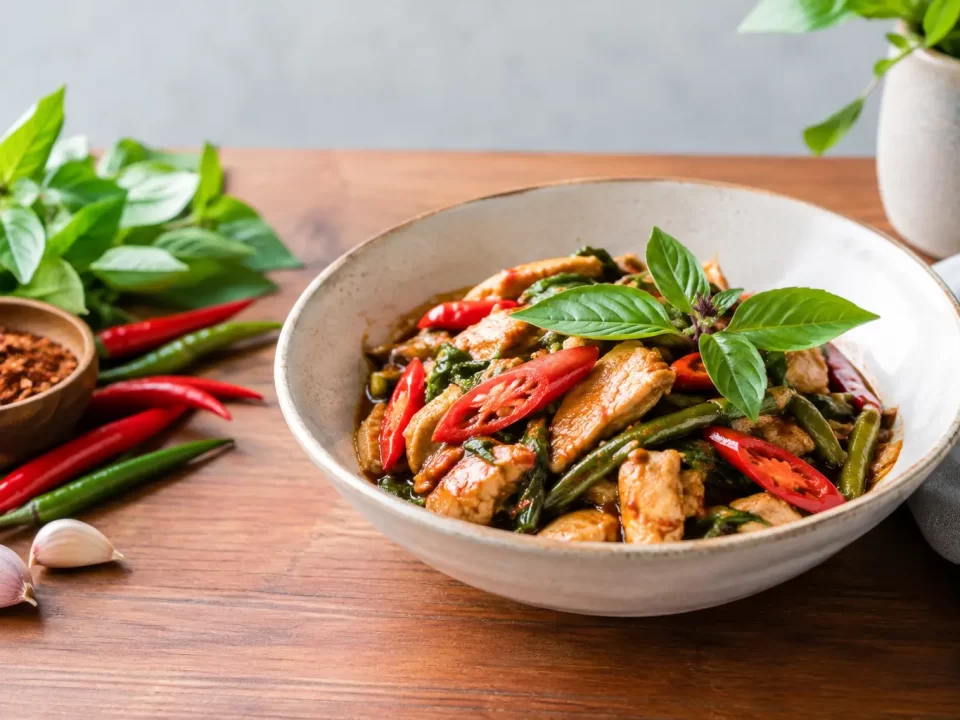
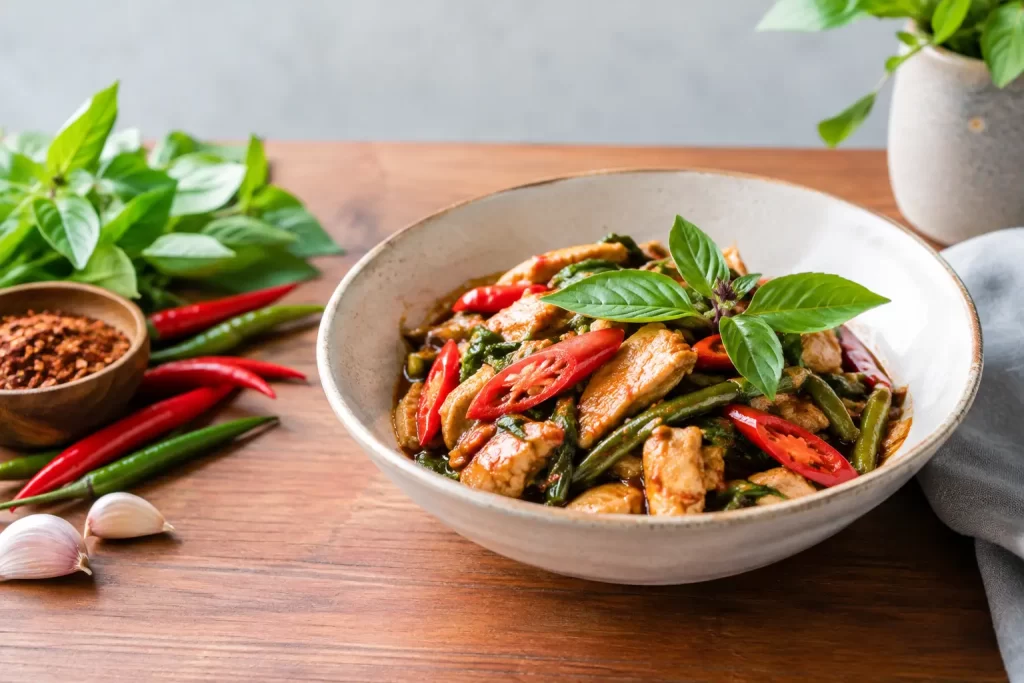
Pad Kra Pao is simpler on the surface but just as telling. It relies on direct, assertive flavors – chilies, garlic, basil, and savory seasoning – brought together in a quick stir-fry. Because there are fewer distractions, balance becomes even more obvious. If it is right, it tastes bold, fragrant, and addictive.
Then there are the drinks and sides that complete the experience. Thai milk tea brings sweetness and creaminess, but it also acts as a cooling contrast to spicy mains. Jasmine rice may seem humble, yet it plays a key role by absorbing sauces and grounding sharper flavors. Even small details affect how authentic the whole meal feels.
How to tell when Thai food tastes authentic
Authenticity is not about chasing a single rigid standard. Thai food changes across regions, homes, and restaurants. Still, there are a few signs that a dish is rooted in real Thai flavor principles.
First, the aroma should be clear and inviting. Before tasting, you should notice herbs, spices, and freshness rather than only oil or sugar. Second, the flavors should arrive in layers. Sourness may hit first, followed by savory depth, then chili heat, then a sweet or herbal finish. Third, the dish should make you want another bite, not tire your palate after two spoonfuls.
Texture matters too. Stir-fried noodles should have bite. Soups should feel lively rather than muddy. Curries should be rich but not dull. When a dish is authentic in spirit, it has movement. It feels active on the palate.
That said, there is always an it-depends factor. Restaurant Thai food has to work for real diners with different spice tolerance, different expectations, and different occasions. A family lunch, a corporate dinner, and a late-night meal with friends may call for different levels of intensity. The best restaurants understand how to preserve the heart of the cuisine while serving people in a way that feels welcoming and enjoyable.
Bringing the guide to authentic Thai flavors to the table
For many diners, the best way to appreciate Thai food is not by analyzing it dish by dish, but by ordering a table full of contrasts. A sour soup, a savory stir-fry, a noodle dish with gentle sweetness, steamed rice, and a cooling drink together tell the story better than any single plate can.
That is also why Thai dining works so well for gatherings. It is social food. The flavors are designed to be shared, compared, and passed around. One person reaches for the Tom Yum because it is bright and comforting. Another goes back for Pad Kra Pao because the basil and chili hit just right. Someone else balances the meal with Thai milk tea. Everyone finds their own favorite note, but the table still feels cohesive.
At its best, modern Thai dining keeps those classic flavor foundations intact while presenting them in a setting that feels easy for everyday life. That is part of why places like Soi 55 connect so well with diners across busy neighborhoods – people want the heart of Thailand on the table, but they also want consistency, comfort, and a fun, enjoyable dining experience close to home.
The next time you order Thai food, notice what keeps you coming back for another bite. It is probably not just the spice. It is the spark of lime against savory depth, the fragrance of herbs rising from the plate, the little touch of sweetness that makes the heat feel brighter. That is where authentic Thai flavor lives, and once you recognize it, every great meal tastes even more exciting.