Office Lunch Catering Malaysia That Teams Enjoy
June 12, 2026
A Guide to Authentic Thai Flavors
June 16, 2026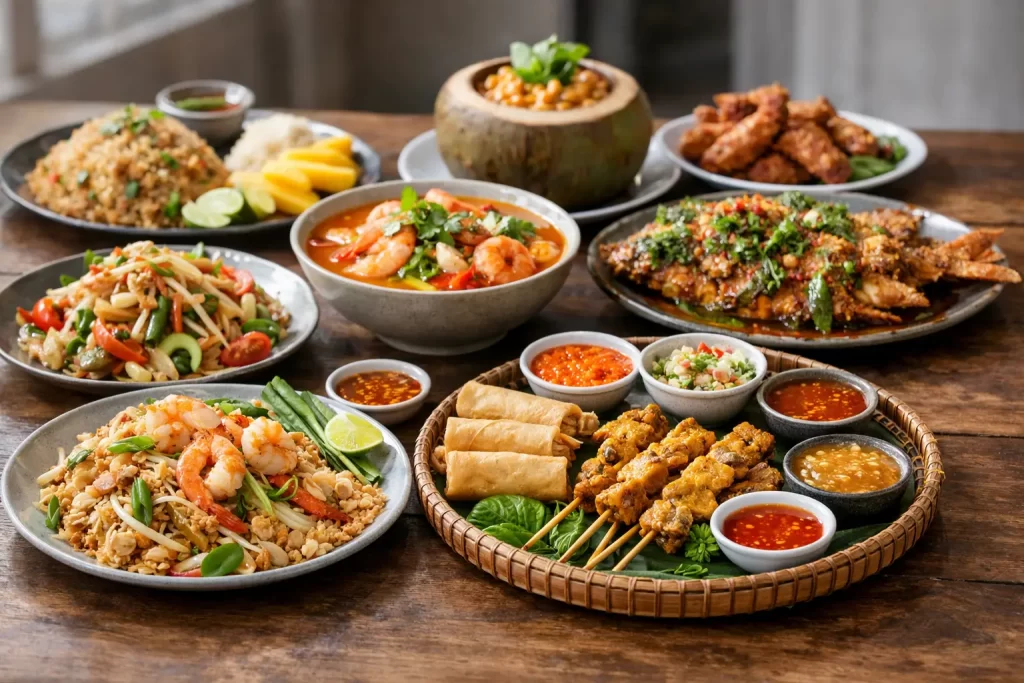
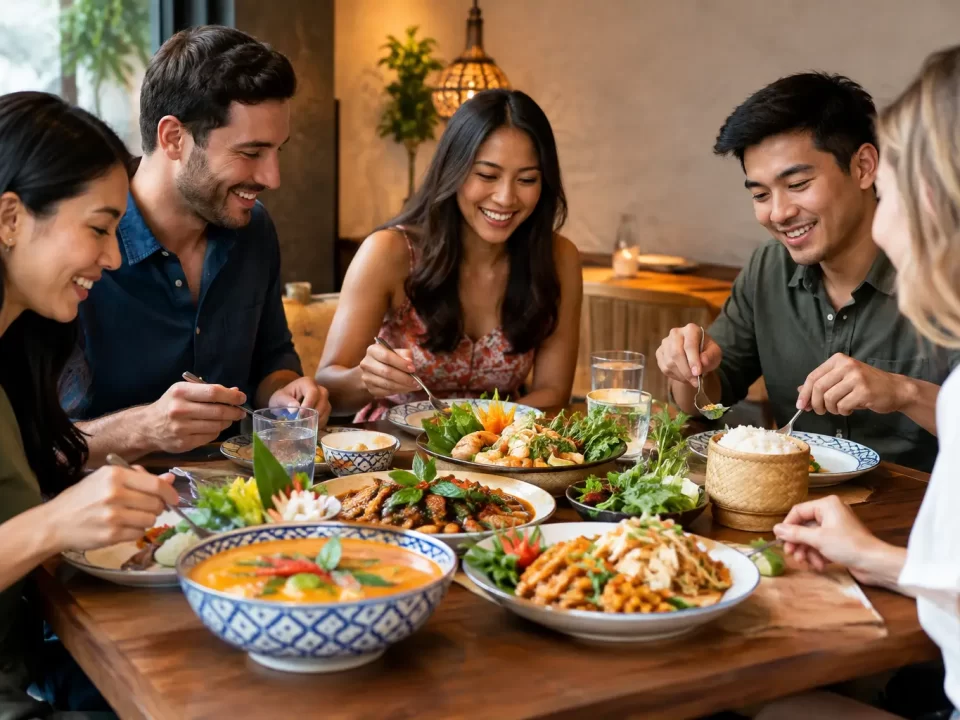
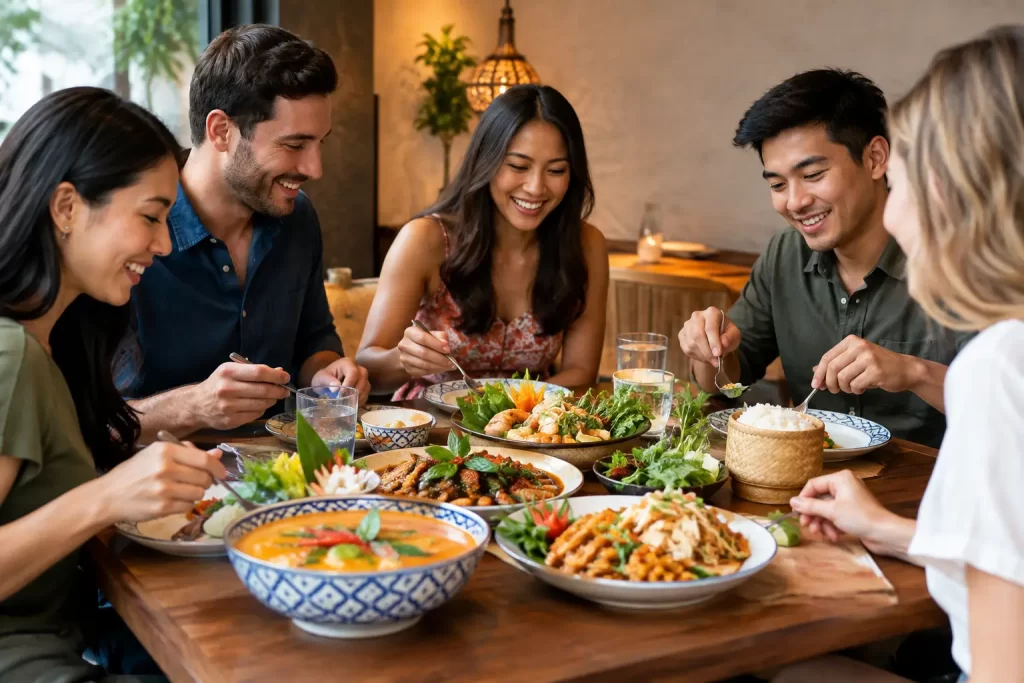
A great Thai meal is rarely about one plate. It is the steam rising from a hot pot of tom yum, the quick grab for the last bite of crispy chicken, the way one spicy dish makes the next sip of Thai milk tea taste even better. If you are deciding on the best Thai dishes for sharing, the real goal is not just variety. It is building a table that feels lively, balanced, and generously satisfying from the first order to the final spoonful.
Thai food is naturally made for group dining because contrast is part of the pleasure. You want something rich next to something bright, something grilled next to something saucy, something spicy next to something cooling. When the mix is right, every dish helps the others shine.
What makes the best Thai dishes for sharing?
The best shared dishes do two jobs at once. First, they deliver strong flavor even after a few minutes on the table. Second, they are easy for a group to enjoy in turns, whether that means ladling soup into bowls, passing around stir-fried noodles, or pairing mains with rice.
That is why some Thai favorites work better for groups than others. A single-portion noodle bowl can be delicious, but a bubbling seafood soup, a platter of fried bites, and a bold stir-fry usually create a better group experience. Texture matters too. A table of only saucy dishes can feel heavy, while a mix of soup, stir-fry, fried items, and vegetables keeps the meal feeling energetic.
10 best Thai dishes for sharing at the table
1. Tom Yum Seafood
Few dishes bring people together faster than tom yum. It arrives fragrant, hot, and unmistakable, with that signature balance of sourness, spice, and savory depth. For sharing, seafood tom yum is especially good because it feels generous and layered, with prawns, squid, or mixed seafood adding sweetness to the broth.
This is often the dish that sets the tone for the whole meal. It wakes up the palate and gives everyone something to start with while the rest of the table fills in. If your group likes bold flavors, this is usually the first order, not the backup plan.
2. Pad Thai
Pad Thai earns its place because almost everyone at the table recognizes it, and that familiarity matters when you are ordering for mixed preferences. The sweet-savory profile, tender noodles, and balanced tang make it easy to like, even for diners who do not want the hottest dishes.
For sharing, Pad Thai works best as a middle-ground option. It softens the intensity of spicier mains and gives kids, cautious eaters, or office groups something dependable to reach for. It may not be the loudest dish on the table, but it is often one of the first to disappear.
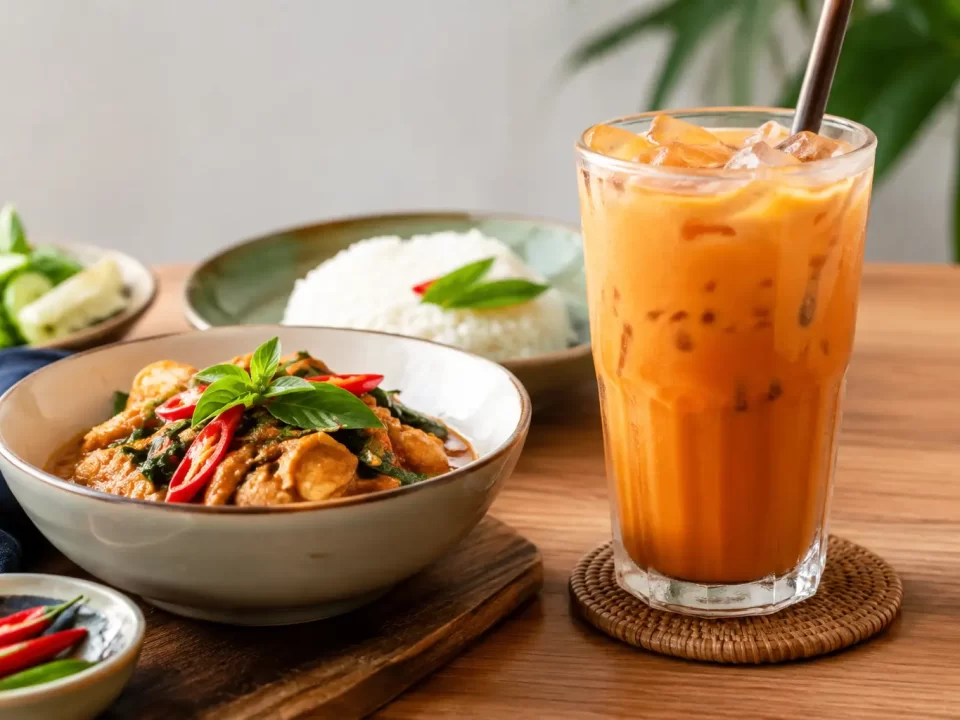
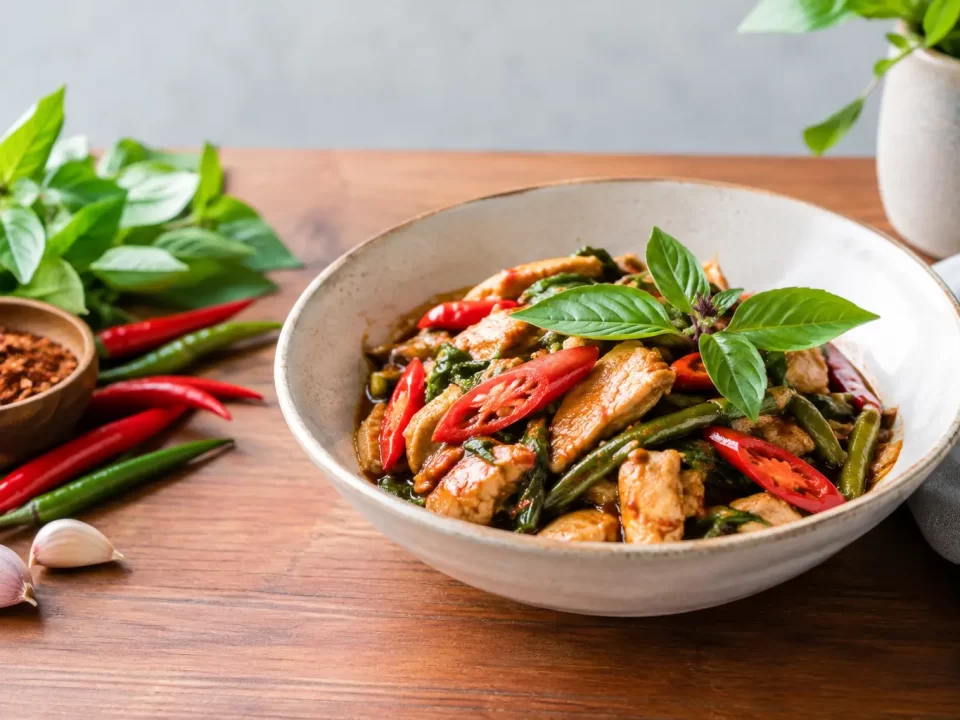
3. Pad Kra Pao
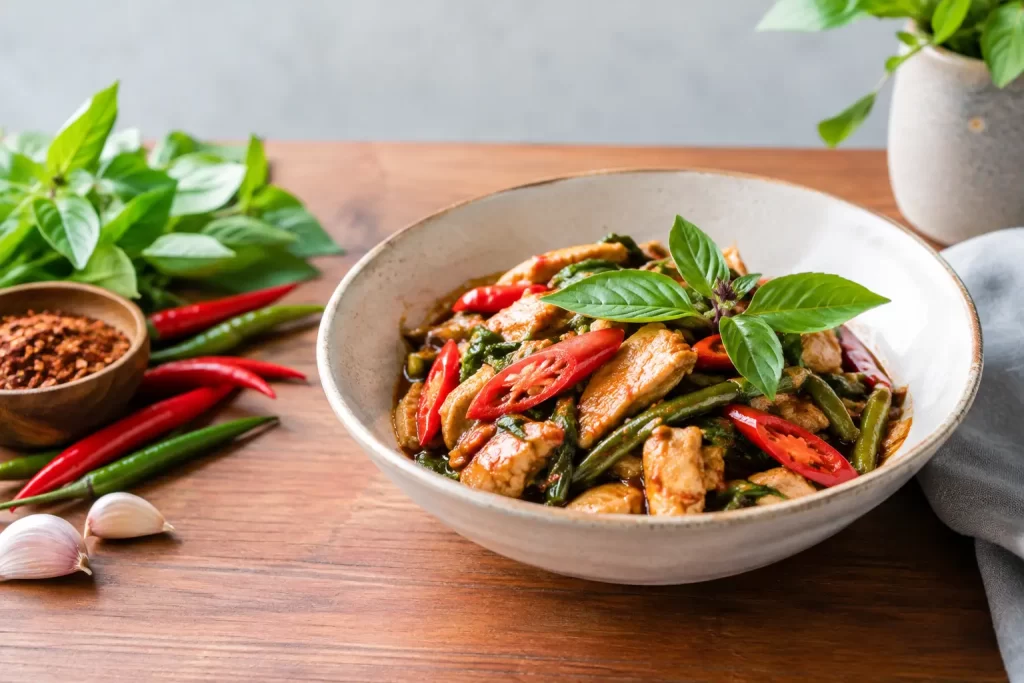
If your group wants energy on the table, Pad Kra Pao delivers it. The holy basil aroma, chili heat, and savory richness make it one of the most exciting Thai stir-fries to share with rice. It is direct, punchy, and deeply satisfying.
This is a dish for groups that enjoy stronger flavors, though spice tolerance matters. If some diners prefer milder food, pair it with gentler choices so the table stays balanced rather than overwhelming. A good shared meal should invite everyone in, not challenge half the group.
4. Thai Fried Chicken
Every group meal benefits from one dish that is instantly crowd-friendly, and Thai fried chicken does that job beautifully. It brings crunch, savory seasoning, and easy pick-up-and-pass convenience. Unlike some fried dishes that lose their appeal quickly, a well-made Thai fried chicken plate keeps people coming back between bites of soup and rice.
It is also useful as a bridge dish. If your table includes diners who know Thai food well and others who are just getting comfortable, fried chicken gives everyone a familiar place to start.
5. Stir-Fried Morning Glory
A strong shared meal needs a vegetable dish that can hold its own, not just fill space. Stir-fried morning glory does exactly that. It is crisp, garlicky, and savory, with enough personality to stand beside richer mains.
This is one of those dishes people order for balance and then end up genuinely craving. It cuts through heavier foods and gives the table a fresher rhythm. If you skip vegetables entirely, the meal can start to feel one-note.
6. Green Curry
Green curry is a smart sharing choice when you want something creamy, fragrant, and spoonable over rice. It brings heat, but usually in a rounder, more aromatic way than a dry chili stir-fry. That makes it easier for many groups to enjoy.
The main trade-off is richness. If you already have several heavy dishes on the table, green curry can push the meal toward indulgent rather than balanced. But if paired with a bright soup and vegetables, it adds the kind of comfort that makes a group meal feel complete.
7. Thai Omelet
Thai omelet is one of the most underrated dishes for sharing. It is fluffy, savory, and excellent with rice, especially when your table includes children, older family members, or anyone who wants a milder bite between spicier dishes.
It also gives the meal a home-style feel. Not every shared dish has to be dramatic. Some of the most useful plates are the ones that steady the table and make everything else easier to enjoy.
8. Pineapple Fried Rice
If plain steamed rice feels too basic for the occasion, pineapple fried rice adds visual appeal and sweet-savory contrast. It is colorful, fragrant, and easy to portion out across the table. For celebratory meals or larger gatherings, it brings a little extra flair without becoming fussy.
This dish works especially well when the rest of the order leans spicy or soup-heavy. The slight sweetness helps calm the palate and keeps the meal from feeling too sharp or salty.
9. Grilled Seafood or Grilled Chicken
A grilled platter brings a different kind of satisfaction to the table. You get char, smoke, and cleaner flavors that break up the softer textures of noodles, curries, and soups. That contrast matters more than people think.
Grilled dishes are also practical for sharing because they are easy to portion and pair well with dipping sauces. If your group prefers variety over richness, grilled items often make the whole spread feel more complete.
10. Thai Milk Tea
It may not be a dish, but it absolutely belongs in a shared Thai meal. Thai milk tea acts like a cooling counterpoint to the stronger flavors on the table, especially if you have ordered tom yum, Pad Kra Pao, or chili-heavy stir-fries.
For groups, drinks matter because they shape the pace of the meal. A good shared order is not only about what gets passed around on plates. It is also about giving everyone a refreshing reset between bites.
How to build a table everyone enjoys
The easiest mistake in group ordering is choosing only personal favorites. That sounds harmless until the table ends up with three spicy stir-fries, no vegetables, and not enough rice. The better approach is to think in categories.
Start with one signature soup, then add a noodle or rice dish, one punchy stir-fry, one protein-forward crowd-pleaser, and one vegetable. From there, adjust based on the group. Families often want more mild options and familiar textures. Friend groups may lean toward bolder spice and more adventurous combinations. Office lunches usually benefit from a safer middle ground where the flavors are exciting but broadly appealing.
Portion style matters too. If the group is large, order dishes that can be easily divided and replenished with rice. If it is a smaller dinner for three or four, it is better to choose fewer dishes with stronger contrast instead of over-ordering and losing the balance.
Best Thai dishes for sharing for different occasions
Not every table wants the same experience. A weekend family lunch might call for tom yum, Thai omelet, stir-fried vegetables, and Pad Thai because it gives you comfort, color, and a manageable spice level. A dinner with friends may feel more exciting with Pad Kra Pao, grilled items, seafood soup, and fried rice.
For birthdays, office meals, or reservation-based group dining, the best choices are usually the ones that look generous and satisfy quickly. Soup, rice, fried items, and one or two signature mains create that abundance people remember. That is part of why modern Thai restaurants work so well for gatherings across places like Subang Jaya and Kuala Lumpur. The food is built for shared energy, not quiet individual plates.
At Soi 55, this style of ordering feels especially natural because the menu is centered on bold, recognizable Thai favorites that suit both everyday meals and bigger group occasions. You do not need to overthink the meal when the core dishes already bring that mix of heat, comfort, and variety to the table.
The best shared Thai meal is the one that gets everyone leaning in, reaching across, and planning the next bite before the current one is finished. Order with contrast in mind, leave room for a favorite drink, and let the table do what Thai food does best – bring people together over bold and delicious tastes.